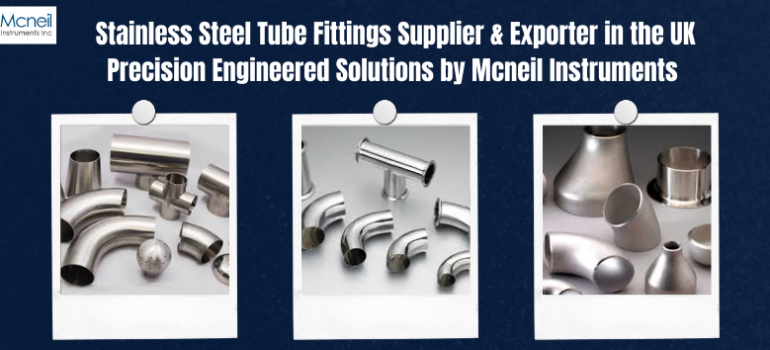
Stainless Steel Tube Fittings in Ghana: Complete Guide to Grades 304, 304L, 316, 316L, 321 & 347

Ghana’s expanding industrial, manufacturing, energy, and infrastructure sectors increasingly rely on durable, high-performance piping solutions. Among these, stainless steel tube fittings are essential components that ensure leak-free connections, corrosion resistance, and long service life in systems carrying fluids, gases, and chemicals.

This comprehensive blog explains the most commonly used stainless steel tube fittings — Grades 304, 304L, 316, 316L, 321 & 347 — their properties, applications, and relevance to Ghana’s engineering and industrial needs.

What Are Stainless Steel Tube Fittings?

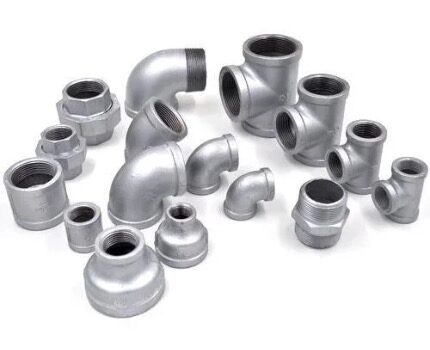
Stainless steel tube fittings are connectors used to join, redirect, or terminate tubing in various piping assemblies. They include:

● Elbows

● Tees

● Reducers

● Couplings

● Caps

● Adapters

These fittings must withstand pressure, resist corrosion, and maintain integrity across fluid systems — especially in harsh industrial conditions. Stainless steel’s superior resistance to rust, pitting, and chemical attack makes it a top choice for Ghana’s piping infrastructure.

Why Choose Stainless Steel Fittings in Ghana?

1. Corrosion Resistance

Ghana’s coastal, humid, and industrial environments expose piping to moisture and corrosive agents. Stainless steel resists:

● Salt spray corrosion

● Chemical attack

● Microbial corrosion

This makes it ideal for marine, refinery, chemical, and food processing environments.

2. Durability & Long Life

These fittings sustain performance under:

● High pressure

● Thermal cycling

● Vibration and mechanical load

3. Clean & Hygienic

Stainless steel’s non-porous surface is perfect for:

● Food and beverage processing

● Pharmaceutical utilities

● Water treatment systems

Overview of Stainless Steel Tube Fitting Grades

Below is a detailed look at the six major stainless grades used in tube fittings supplied to Ghana:

1. Stainless Steel 304 Tube Fittings

Material Overview

Grade 304 is one of the most widely used austenitic stainless steels. It contains:

● 18% Chromium (Cr)

● 8% Nickel (Ni)

Key Features

● Excellent corrosion resistance

● Good weldability and formability

● Strong performance in most general environments

Applications in Ghana

● Food and beverage processing equipment

● General industrial piping

● Water lines and municipal utilities

● HVAC systems

2. Stainless Steel 304L Tube Fittings

Material Overview

Grade 304L is the low-carbon version of 304. Lower carbon minimizes carbide precipitation during welding.

Key Features

● Enhanced weldability

● Lower risk of intergranular corrosion

● Ideal for fabrication-intensive applications

Applications in Ghana

● Welding-intensive industries

● Chemical handling systems

● Infrastructure where post-weld corrosion resistance is crucial

3. Stainless Steel 316 Tube Fittings

Material Overview

Grade 316 includes molybdenum (Mo), improving corrosion resistance.

Key Features

● Better resistance to chloride environments

● Higher overall corrosion resistance than 304

● Suitable where chemical exposure is heavy

Applications in Ghana

● Coastal infrastructure

● Marine piping systems

● Chemical and petrochemical plants

4. Stainless Steel 316L Tube Fittings

Material Overview

316L is the low-carbon counterpart of 316, offering better post-weld performance.

Key Features

● Excellent weldability

● Reduced carbide precipitation

● Strong corrosion resistance after welding

Applications in Ghana

● Welding-critical industrial piping

● Offshore and marine construction

● Water desalination and treatment systems

5. Stainless Steel 321 Tube Fittings

Material Overview

Grade 321 is a titanium-stabilized austenitic stainless steel. It resists sensitization (grain boundary corrosion) at elevated temperatures.

Key Features

● Good heat resistance

● Stable mechanical properties at high temperature

● Ideal where thermal cycling is common

Applications in Ghana

● Heat exchangers

● Boiler feed lines

● Thermal process piping in manufacturing

6. Stainless Steel 347 Tube Fittings

Material Overview

Grade 347 uses niobium (Nb) stabilization, providing similar benefits to 321 but with higher creep resistance.

Key Features

● Excellent stability in high-temperature environments

● Less susceptibility to intergranular corrosion

● Good mechanical strength at elevated temperatures

Applications in Ghana

● Power plant piping

● High-temperature chemical processing

● Steam distribution systems

Comparative Benefits of These Grades

GradeCorrosion ResistanceWeldabilityHigh Temp CapabilitiesBest Overall Use
304GoodGoodModerateGeneral industrial use
304LBetter after weldingExcellentModerateFabricated systems
316Very GoodGoodModerate-HighMarine/chemical
316LExcellent after weldExcellentModerate-HighOffshore/chemical
321GoodGoodHighHeat/thermal service
347GoodGoodVery HighHigh-temperature / steam

Key Industrial Uses in Ghana

Stainless steel tube fittings are widely used across:

1. Oil & Gas Sector

● Pipeline systems

● Control instrumentation

● Offshore drilling platforms

2. Power Generation

● Cooling systems

● Steam and feedwater piping

● Thermal plant infrastructure

3. Food & Beverage Processing

● Hygienic fluid transport

● Brewery, dairy, and edible oils

4. Chemical Manufacturing

● Acid and alkaline fluid lines

● Corrosive service applications

5. Water Treatment & Distribution

● Municipal systems

● Industrial wastewater handling

Why Choose Stainless Steel Tube Fittings for Ghana Projects

Corrosion Protection in Coastal Regions

Ghana’s coastal humidity and salt exposure accelerate corrosion in mild steel systems. Stainless steel avoids premature failure.

Low Maintenance & Longer Life

Stainless steel reduces downtime and maintenance costs — a major advantage in industrial operations.

Safety & Hygiene

For potable water and food processing, stainless steel meets sanitary and regulatory standards without compromising strength.

High-Temperature & Pressure Resilience

Grades like 321 and 347 handle thermal load and repeated temperature cycling with stable mechanical performance.

Choosing the Right Fitting Grade in Ghana

Industry / EnvironmentRecommended Stainless Grade
General Industrial304
Fabrication & Welding-Intensive304L, 316L
Marine & Coastal316, 316L
High Temp / Thermal Cycling321, 347
Chemical Processing316 / 316L

Choose based on environmental corrosion factors, thermal exposure, and fabrication needs.

Conclusion

Stainless steel tube fittings in Grades 304, 304L, 316, 316L, 321 & 347 provide Ghana’s industrial infrastructure with reliable performance, superior corrosion resistance, and long-term durability. Whether used in oil & gas, power plants, chemical processing, food production, or water treatment systems, these fittings ensure secure and long-lasting piping systems.

Investing in the right stainless steel tube fittings grade not only improves operational efficiency but also enhances safety, longevity, and cost savings over the life of the project.

Read More

Carbon Steel Pipe Fittings in Ghana — Complete Guide to ASTM A105, A234 WPB, WP11, WP22 & WP91 Standards

In Ghana’s expanding industrial landscape — including power generation, oil & gas, petrochemical, mining, manufacturing, and construction sectors — reliable piping systems are essential. Carbon steel pipe fittings play a crucial role in creating safe, efficient, and durable pipeline networks for conveying steam, oil, gas, water, and process fluids.

This comprehensive guide explains the key ASTM specifications used for carbon steel pipe fittings, helping engineers, procurement specialists, and project managers in Ghana choose the right materials for their applications.

What Are Carbon Steel Pipe Fittings?

Pipe fittings are components used to connect, branch, or adapt sections of piping, ensuring flow direction, size transitions, or sealing ends. Carbon steel fittings are widely used in industrial piping due to their high strength, weldability, and cost-effectiveness in moderate to high-temperature environments. Hnssd+1

Common fittings include:

● Elbows — change direction

● Tees — create branch lines

● Reducers — connect different pipe sizes

● Caps & Plugs — close pipe ends

● Couplings & Unions — join or disconnect piping segments

Key ASTM Standards for Carbon Steel Pipe Fittings

In the piping industry, several specifications define material properties, manufacturing processes, and acceptable applications for carbon steel fittings. Let’s examine the five major standards relevant for fittings supplied to Ghana’s industrial market:

1. ASTM A105 — Forged Carbon Steel Fittings

ASTM A105 is the standard specification for forged carbon steel components used in pressure systems. cnkpipefitting.com

Overview

● Covers forged pipe fittings and flanges manufactured from carbon steel

● Designed for ambient to elevated temperature service

● Used mainly in pressure-containing components (like forged elbows, threaded fittings) rather than butt-weld fittings

Applications in Ghana

● High-pressure steam lines in power plants

● Oil & gas facility piping systems

● Chemical processing units

● Infrastructure requiring forged components with high mechanical strength

ASTM A105 fittings are known for excellent strength, ductility, and toughness, making them suitable where internal pressure is high. cnkpipefitting.com

2. ASTM A234 WPB — General Carbon Steel Buttweld Fittings

ASTM A234 WPB is one of the most widely used specifications for carbon steel butt-weld pipe fittings. Hnssd+1

Overview

● Covers butt-weld elbows, tees, reducers, and caps for moderate to high-temperature service

● Material is weldable carbon steel suitable for pressure pipelines and pressure vessel connections

● Available in seamless or welded construction

● Manufactured in compliance with standards such as ASME B16.9, B16.11, MSS-SP-79/83/95/97 and more Hnssd

Why A234 WPB Matters

● High strength and durability

● Good weldability and long service life

● Suitable for a wide range of applications

Common Uses in Ghana

● Refineries and oil storage facilities

● Power plant piping networks

● High-pressure steam systems

● Industrial fluid transportation lines

A234 WPB fittings are versatile, cost-effective, and widely used in Ghana’s energy, industrial, and infrastructure projects. rpfindia.com

3. ASTM A234 WP11 — Alloy Carbon Steel Buttweld Fittings

ASTM A234 WP11 extends the ASTM A234 specification to include chrome-moly alloy fittings with higher alloy content. Octalsteel

Overview

● Similar fitting types as WPB (elbows, tees, reducers)

● Designed for higher temperature and pressure applications

● Includes various classes (CL1/CL2/CL3) with varying mechanical properties

Applications in Ghana

● High-temperature steam lines in energy plants

● Petrochemical process piping

● Heat exchangers and boilers

● Pipelines operating at elevated temperatures

ASTM A234 WP11 fittings provide enhanced thermal resistance compared to plain carbon steel. Octalsteel

4. ASTM A234 WP22 — Advanced Alloy Carbon Steel Fittings

ASTM A234 WP22 further increases chromium and molybdenum content for greater creep strength and oxidation resistance. These alloy butt-weld fittings are ideal where thermal stress is significant. Octalsteel

Overview

● Alloy grade superior to WP11 for high-temperature and high-stress use

● Provides extended service life under severe conditions

Applications in Ghana

● Superheated steam distribution

● Heavy-duty industrial piping

● Petrochemical processing infrastructure

A234 WP22 fittings are chosen when longevity under extreme thermal environments is key. Octalsteel

5. ASTM A234 WP91 — Premium Chrome-Moly Alloy Fittings

ASTM A234 WP91 represents the highest performance among these carbon and alloy steel fittings. rcmetal.co.in

Overview

● Alloy steel with high chromium, molybdenum, and heat-treated properties

● Excellent resistance to high temperatures and pressures

● Superior creep and fatigue strength

Applications in Ghana

● Supercritical and ultra-high-temperature steam lines

● Advanced power plant infrastructure

● Chemical industries requiring high integrity connections

A234 WP91 fittings are ideal where extended durability in aggressive conditions is required. rcmetal.co.in

Why Carbon Steel Pipe Fittings Matter in Ghana’s Industries

1. Strong Mechanical Performance

Carbon steel fittings offer excellent strength, making them suitable for pressure piping systems used widely across Ghana’s industrial sectors. Hnssd

2. Weldability and Fabrication Ease

Standards like ASTM A234 WPB and alloy grades support reliable butt weld joints, essential for long piping runs and large-scale installations. American Piping Products

3. Temperature and Pressure Resistance

Alloy grades such as WP11, WP22, and WP91 deliver enhanced performance in elevated temperature applications, such as steam generation and heat transfer. Octalsteel

4. Broad Industrial Use

From power plants and mining operations to oil & gas refineries and manufacturing facilities, carbon steel fittings are foundational to robust pipeline infrastructure.

Typical Applications Across Ghana

Carbon steel pipe fittings are used in:

● Thermal and Hydropower Plants — steam, feedwater, and condensate lines

● Oil & Gas Facilities — refinery piping and distribution systems

● Mining Processing Plants — slurry and fluid transport

● Chemical & Petrochemical Plants — heat exchangers and process piping

● Water Treatment and Distribution — municipal and industrial systems

Their adaptability and strength make them a go-to choice in many sectors.

Choosing the Right Fitting for Your Project

Grade/SpecTypeBest Use Case in Ghana
ASTM A105Forged fittingsHigh-pressure flange & threaded connections
ASTM A234 WPBStandard buttweld fittingsGeneral piping, moderate temp/pressure
ASTM A234 WP11Alloy buttweldElevated temp/medium pressure
ASTM A234 WP22Advanced alloyHigh thermal stress systems
ASTM A234 WP91Premium alloyUltra-high temp/pressure systems

Selecting the correct grade ensures safety, longevity, and optimal cost performance.

Conclusion

For Ghana’s industrial piping systems, choosing the right carbon steel pipe fitting standard — from ASTM A105 forged components to advanced A234 WP91 alloy fittings — is crucial for delivering performance, safety, and reliability. These standards support a wide range of applications in power generation, petrochemical, oil & gas, mining, manufacturing, and infrastructure projects across the country.

Whether you are building new pipeline systems or upgrading existing ones, understanding the differences, strengths, and applications of these carbon steel fitting grades empowers better engineering decisions and enhances long-term operational success.

Read More

Alloy Steel ASTM A182 Pipe Fittings: High-Performance Connectors for Demanding Industrial Systems

Across industries such as oil & gas, power generation, petrochemicals, chemical processing, water treatment, and heavy engineering, pipelines act as the lifelines of production. These pipelines carry high-temperature steam, corrosive chemicals, crude oil, gas, and other critical fluids — and their reliability depends heavily on the quality of fittings installed.

Among all piping components, Alloy Steel ASTM A182 Pipe Fittings stand out as essential connectors that ensure leak-proof flow, structural strength, and long-term durability — especially in high-pressure, high-temperature, and corrosive environments.

For industries operating under extreme conditions, choosing the right fittings is not just a performance decision, but a safety imperative.

Mcneil Instrument, a trusted manufacturer, supplier, and exporter, delivers ASTM A182 alloy steel fittings engineered to global standards — making them a strong choice for projects that demand toughness, corrosion resistance, and lifecycle reliability.

What Are ASTM A182 Alloy Steel Pipe Fittings — and Why Do They Matter?

ASTM A182 is the international specification that covers forged or rolled alloy steel materials used in high-temperature service. Fittings such as elbows, tees, reducers, caps, unions, and couplings manufactured under this standard are designed to handle:

✔ High pressure
✔ Elevated temperatures
✔ Corrosive or chemically aggressive media
✔ Mechanical stress and thermal cycling

These fittings are installed to change the direction of flow, branch piping lines, reduce diameter, or seal pipe ends — all while maintaining mechanical integrity under harsh conditions.

Key Advantages of Using Alloy Steel ASTM A182 Pipe Fittings

1. High Strength Under Pressure

Forged alloy steel provides excellent tensile strength, making these fittings ideal for pipelines handling steam, hydrocarbons, or high-pressure process fluids.

2. Superior Temperature Resistance

Alloy steel grades under ASTM A182 retain their mechanical properties even when exposed to extreme temperatures, preventing deformation or failure.

3. Excellent Corrosion & Oxidation Resistance

Chromium-molybdenum alloy steels resist corrosion in chemical plants, refineries, offshore units, boilers, and heat-intensive systems.

4. Longer Lifecycle & Lower Maintenance

Due to better metallurgical stability, these fittings last significantly longer than standard carbon steel fittings — reducing plant downtime and maintenance costs.

5. Dimensional Accuracy & Leak-Proof Performance

Forged fittings offer tight tolerances and reliable sealing, which is critical for safety in high-risk industrial environments.

Types of ASTM A182 Alloy Steel Pipe Fittings (and Where They Are Used)

Mcneil Instrument offers a complete range of forged and butt-weld fittings compliant with ASTM A182. Below is an overview of the most commonly used fittings:

Fitting TypeKey CharacteristicsBest-Suited Applications
Elbows (45° / 90°)Change direction of flow; smooth radius minimizes pressure dropSteam lines, refinery heaters, high-pressure chemical lines
Tees (Equal / Unequal)Allow branching of pipelinesPetrochemical grids, boiler systems, power generation
Reducers (Concentric / Eccentric)Connect pipes of different diametersPump discharge lines, process piping, compressed air systems
CapsSeal the pipe endTesting lines, isolation points, shutdown maintenance
Couplings & UnionsJoin two pipes; allow easy disassemblyInstrumentation, small bore piping, maintenance-heavy systems
Socket-Weld & Threaded FittingsProvide strong mechanical joints for small-diameter linesHydraulic lines, high-pressure chemical service

These fittings are used extensively in industries where temperature, pressure, and corrosion challenges demand superior material performance.

Why ASTM A182 Material Grade Selection Matters

Different alloy steel grades (such as F1, F5, F9, F11, F22, F91) offer varying levels of:

● temperature stability

● creep resistance

● corrosion protection

● pressure-handling capability

For example:

● F11 / F22 → widely used in refineries, boilers, and petrochemical plants

● F5 / F9 → preferred in power generation and high-temperature steam systems

● F91 → used in ultra-supercritical systems due to exceptional high-temperature strength

Selecting the correct grade ensures safe operation, longer life, and compliance with engineering standards.

Why Quality Matters — Especially in High-Performance Piping

Using substandard fittings can lead to:

⚠ Leaks and pressure drops
⚠ Corrosion failures
⚠ Pipeline shutdowns
⚠ Safety hazards
⚠ Expensive downtime

High-pressure and high-temperature industries cannot afford these risks.

Mcneil Instrument manufactures fittings using advanced forging, heat treatment, and machining processes to ensure:

● Uniform grain structure

● Dimensional precision

● Mechanical strength

● Compliance with ASTM / ASME / ISO standards

Each batch is supplied with Material Test Certificates (MTCs)for full traceability.

Mcneil Instrument: Trusted Supplier of ASTM A182 Alloy Steel Fittings

Here’s what sets Mcneil Instrument apart as a global supplier:

✔ Complete Range of Fittings

Butt-weld, forged socket weld, threaded fittings — all available in ASTM A182 alloy grades.

✔ Engineering-Grade Quality

Fittings manufactured using controlled forging, machining, and heat-treatment processes to ensure durability.

✔ Wide Grade Selection

Includes F1, F5, F9, F11, F22, F91 — covering all major industrial needs.

✔ Global Export Readiness

Well-versed in handling packaging, documentation, and logistics — making procurement smooth for international buyers.

✔ Application Expertise

Serving oil & gas, power plants, steam systems, chemical processing, water treatment, and infrastructure projects.

What Engineers Should Consider When Ordering Alloy Steel Fittings

Before specifying ASTM A182 fittings, engineers should check:

1. Required grade (F11, F22, etc.) based on temperature + pressure.

2. Fitting type according to pipeline design (elbows, tees, reducers, etc.).

3. Pressure rating for socket-weld/threaded fittings.

4. Welding or assembly requirements (butt weld vs forged).

5. Corrosion resistance requirements depending on media.

6. Documentation needs — MTCs, compliance certificates.

7. Supplier capability for bulk supply and timely delivery.

Mcneil Instrument supports clients across all stages — from selection to delivery.

Conclusion — High-Quality Alloy Steel Fittings are Vital for Safe, Efficient Piping Systems

ASTM A182 Alloy Steel Pipe Fittings play a central role in maintaining the safety, reliability, and performance of industrial pipelines. Their ability to handle heat, pressure, corrosion, and mechanical stress makes them indispensable in today’s demanding industrial environments.

Choosing a reliable manufacturer like Mcneil Instrumentensures:

● Verified material quality

● Precision manufacturing

● Global compliance

● Long-term durability

When industrial integrity and performance matter, high-quality alloy steel fittings are not optional — they are essential.

Read More

Alloy Steel ASTM Tube Fittings: A Definitive Guide for Global Industries

Introduction — When Precision Meets Performance

In piping and fluid-transport systems, the choice of fittings can make or break long-term reliability. While pipes carry the flow, tube fittings are the critical junctions that ensure leak-free performance, proper alignment, and durability under pressure, temperature changes, and corrosive media.

Alloy steel ASTM-rated tube fittings are designed for demanding environments — from oil & gas pipelines, petrochemical plants, boilers, and refineries to heavy-duty industrial process lines. With enhanced mechanical strength, high-temperature resilience, and robust corrosion resistance, these fittings offer a trusted solution where ordinary stainless or carbon steel might fail.

As a seasoned manufacturer, supplier, and exporter, Mcneil Instruments  delivers high-quality Alloy Steel ASTM Tube Fittings built to international standards and engineered for global projects. This blog dives deep into what makes these fittings essential, explores their specifications and advantages, and illustrates their applications across industries worldwide.

What Are Alloy Steel ASTM Tube Fittings?

Alloy Steel ASTM Tube Fittings are connection components designed to join, branch, or terminate alloy steel tubes. They conform to internationally accepted ASTM (and often ASME) specifications, ensuring consistent material composition, mechanical properties, and quality standards.

Unlike generic fittings, these are engineered for high-pressure, high-temperature, and chemically aggressive environments — making them ideal for critical industrial applications.

Common types of fittings include: elbows, tees, reducers, couplings, unions, caps, stubs, and custom adapters or transitions.

Why Choose Alloy Steel, Not Ordinary Steel or Stainless

Alloy steel offers a valuable balance of properties that make it superior under demanding conditions:

  • High Strength & Creep Resistance: Alloying elements such as chromium and molybdenum improve tensile and yield strength, and ensure structural integrity under prolonged thermal stress.
  • Temperature Stability: Alloy fittings maintain mechanical properties at elevated temperatures, making them suitable for boilers, steam lines, and thermal processing.
  • Good Corrosion & Oxidation Resistance: Compared to plain carbon steel, alloy steel resists oxidation and scaling better under high temperature — important for steam, chemical, or refinery environments.
  • Durability under Pressure: The fittings withstand high internal pressures and thermal cycling, reducing risk of leaks, fatigue, or failure over time.
  • Global Standards Compliance: Fittings manufactured per ASTM/ASME standards are widely accepted across international projects and meet rigorous testing and certification requirements.

This makes Alloy Steel ASTM Tube Fittings from Mcneil Instruments  a preferred choice for industries that demand reliability, safety, and longevity.

Product Range – What Mcneil Instruments  Offers

Mcneil Instruments  manufactures a wide variety of alloy steel tube fittings to meet different project requirements:

  • Elbows (45°, 90°, 180°) — for directional flow change
  • Tees & Branch Tees — for branching pipelines and complex flow paths
  • Reducers (Concentric & Eccentric) — to adapt different pipe/tube diameters
  • Couplings, Unions & Adapters — for connection flexibility and maintenance ease
  • Caps & Plugs — for sealing or temporarily blocking lines
  • Stub Ends & Flange Weld Preparations — for flanged connections and customized installations
  • Custom Machined Fittings — tailored to special requirements, specifications, or exotic alloys

Whether for small-bore instrumentation lines or heavy-duty process pipelines, Mcneil Instruments  provides compatible fittings with precise tolerances and finish quality.

Typical Specifications and Standards

Although exact specifications vary by material grade and project requirements, typical Alloy Steel ASTM Tube Fittings from Mcneil Instruments  follow these guidelines:

  • Material & Standards Compliance: ASTM / ASME standards for alloy steel tube fittings
  • Size Range: From small-diameter instrumentation tubes to large process piping (varied OD and wall thickness)
  • Pressure Ratings: Suitable for moderate to high-pressure services (depending on alloy grade and wall thickness)
  • Temperature Range: Designed for ambient up to elevated temperatures (depending on alloy)
  • Testing & Quality Assurance: Each fitting batch undergoes chemical & mechanical tests, PMI (Positive Material Identification), dimensional inspection, and when needed, non-destructive testing (NDT) for weld-fittings

Mcneil Instruments  issues full Material Test Certificates (MTCs) and provides traceability — critical for projects in petrochemical, power, and offshore sectors.

Where Alloy Steel Tube Fittings Excel: Key Industries & Applications

Oil & Gas and Petrochemical Plants

Used for high-pressure fluid transport, chemical lines, steam injection, refinery units, and process piping — where alloy steel’s strength and corrosion resistance matter.

Power Generation and Thermal Plants

For boilers, superheaters, reheaters, high-pressure steam lines, and large-scale thermal systems — alloy fittings ensure long-term integrity under heat and pressure.

Chemical Processing and Fertilizer Plants

Chemical reactors, acid or alkaline transport systems, heat exchangers — alloy steel fittings resist corrosion and thermal stress better than standard steels.

Refineries and Petrochemical Utilities

In atmospheric distillation, catalytic cracking, and hydro-processing units, fittings need to handle heat, pressure, and corrosive chemicals — a domain where alloy steel shines.

Marine, Offshore and Subsea Installations

Under high saltwater corrosion risk and cyclic loading, properly certified alloy fittings ensure reliable performance for platforms, rigs, and marine processing units.

Industrial Manufacturing & Heavy Engineering

Heat exchangers, industrial boilers, process lines, manufacturing plants — whenever reliability under stress and time is essential, alloy tube fittings deliver.

Why Global Buyers Rely on Mcneil Instruments  — Manufacturer, Supplier & Exporter

1. Manufacturing Expertise

Mcneil Instruments  has the technical capability to produce high-grade alloy steel tube fittings, adhering to global standards and project specifications.

2. Diverse Product Range

From small instrumentation fittings to large process line components, various alloy grades and customized fittings — all managed under one roof.

3. Quality Assurance & Certification

Strict QC protocols — PMI, MTCs, NDT, dimensional checks, material traceability — ensure each batch is fit for critical industrial applications.

4. Export & Logistics Capability

As an exporter, Mcneil Instruments  supports global clients — handling documentation, packaging, export compliance — making them suitable for projects across Africa, Middle East, Southeast Asia, and beyond.

5. Custom Solutions & Client Support

For specialized projects requiring custom alloys, non-standard dimensions or urgent delivery, Mcneil Instruments  provides tailored solutions as supplier and exporter.

Considerations Before Specification — What Customers Should Check

While Alloy Steel ASTM Tube Fittings offer high performance, buyers should ensure:

  • Correct alloy grade selection based on temperature, pressure, and media (steam, chemical, saline, etc.)
  • Proper pipe-fitting compatibility (tube OD and fitting ID must match precisely)
  • Compliance with project standards and documentation requirements (MTCs, traceability)
  • Suitability of end connections (butt-weld, socket-weld, threaded, etc.) as per application
  • Adequate inspection and testing regimes especially if weld-fittings are used

Mcneil Instruments  assists clients with technical guidance to ensure correct specification and selection.

Conclusion: Why Alloy Steel ASTM Tube Fittings Are Critical — And Why Mcneil Instruments  Is the Go-To Exporter

When industrial systems operate under extreme conditions — high temperature, pressure, corrosive fluids — ordinary materials may not last. Alloy Steel ASTM Tube Fittings offer the reliability, strength, and longevity such systems demand.

As an experienced manufacturer, supplier, and exporter, Mcneil Instruments  brings together global-standard manufacturing, wide product range, certified quality, and export readiness. Whether you are building a refinery in West Africa, a chemical plant in Southeast Asia, or a thermal power station in the Middle East, choosing the right alloy tube fittings can define your system’s success.

With Mcneil Instruments , you get access to top-quality Alloy Steel ASTM Tube Fittings that stand the test of pressure, temperature, and time.

Read More
In industries where precision, safety, and reliability define operational success, the quality of the tube fittings used in a system becomes critical. From petrochemical plants to aerospace lines, from hydraulic systems to marine engineering — even the smallest fitting must perform flawlessly under pressure.

Mcneil Instruments – Leading Tube Fittings Manufacturer, Supplier & Exporter in the USA

Introduction

In industries where precision, safety, and reliability define operational success, the quality of the tube fittings used in a system becomes critical. From petrochemical plants to aerospace lines, from hydraulic systems to marine engineering — even the smallest fitting must perform flawlessly under pressure.

At Mcneil Instruments, we manufacture and export premium tube fittings engineered to meet the demanding performance standards required across multiple industrial sectors in the United States. Our fittings deliver exceptional sealing performance, corrosion resistance, dimensional accuracy, and mechanical strength — ensuring long-term system integrity even under high pressure and fluctuating temperature conditions.

Designed to meet ASTM, ASME, ANSI, and international specifications, our precision-engineered tube fittings are trusted across America for their reliability, versatility, and industry-leading performance.

Whether you operate in refining, chemical processing, power generation, pharmaceuticals, or heavy engineering, Mcneil Instruments provides tube fittings engineered for durability, safety, and long-term efficiency.


What Are Tube Fittings?

Tube fittings are precision components used to:

  • Connect tube-to-tube
  • Connect tube-to-pipe
  • Provide a leak-proof, pressure-tight sealing
  • Enable controlled flow of liquids or gases
  • Maintain structural stability under vibration, pressure, and temperature variations

High-quality tube fittings must offer:

✔ Leak-proof joints
✔ High-pressure tolerance
✔ Excellent corrosion resistance
✔ Easy assembly and disassembly
✔ Compatibility with multiple tubing materials
✔ Long service life in harsh working environments

At Mcneil Instruments, we manufacture tube fittings with meticulous attention to material purity, machining accuracy, and sealing technology — ensuring flawless performance throughout the system’s lifecycle.


Types of Tube Fittings We Manufacture and Export to the USA

We offer a complete range of industrial and instrumentation tube fittings including:

Elbows (45° & 90°)

For directional flow changes in compact piping systems.

Tees (Equal & Reducing)

Used for branching off process lines in industrial setups.

Reducers

Allows connection of tubes with different diameters while maintaining flow efficiency.

Couplings & Unions

Enable easy joining, maintenance, and system disassembly.

Caps & Plugs

Provide secure closure for tube ends during storage, testing, or shutdown.

Crosses, Nipples & Custom Fittings

Designed for complex piping geometries and project-specific requirements.

Each fitting undergoes rigorous machining, heat treatment where required, and finishing processes to ensure perfect sealing and superior performance in demanding US industrial conditions.


Material Grades Available

Our tube fittings are available in a variety of materials based on application requirements:

Stainless Steel (SS 304, SS 316, SS 316L)

✔ Excellent corrosion resistance
✔ Ideal for marine, oil & gas, chemical, pharmaceutical, and food industries

Carbon Steel

✔ High strength
✔ Economical solution for hydraulic and industrial systems

Alloy Steel

✔ Superior performance in high-pressure and high-temperature environments

Brass

✔ Highly machinable
✔ Used in low-pressure and general utility applications

Duplex & Super Duplex Steel (optional)

✔ Excellent chloride stress cracking resistance
✔ Suitable for offshore, desalination, and subsea systems

All materials comply with ASTM, ASME, and international quality standards.


Key Features and Advantages of Mcneil Instruments Tube Fittings

1. Leak-Proof Performance

Our fittings use precision sealing technology to ensure zero leakage under pressure, vibration, and temperature variations.

2. Corrosion Resistance

Suitable for aggressive chemicals, seawater exposure, and industrial atmospheres found across refineries, offshore rigs, and chemical plants.

3. High Pressure Strength

Engineered for hydraulic, pneumatic, and high-pressure fluid systems used across American industries.

4. Dimensional Accuracy

Advanced CNC machining ensures tight tolerances and compatibility with major tubing standards.

5. Easy Assembly & Maintenance

Designed for effortless installation, repeat use, and minimal downtime.

6. High-Temperature Stability

Withstands operational extremes in power plants, oil & gas units, and thermal processing lines.

7. Smooth Internal Surface

Provides unobstructed flow and reduces wear, friction, and contamination risks.


Manufacturing Process at Mcneil Instruments

Our manufacturing process integrates advanced metallurgy, precision engineering, and strict quality control:

1. Raw Material Selection

We source certified steel and alloys from globally trusted mills with full traceability.

2. Precision Machining

Advanced CNC turning and milling deliver uniformity, tolerance accuracy, and perfect sealing geometry.

3. Heat Treatment (as required)

Enhances strength, hardness, and stress resistance for high-pressure applications.

4. Deburring & Surface Finishing

Ensures smooth sealing surfaces and corrosion protection during long-term service.

5. Non-Destructive Testing (NDT)

Includes ultrasonic testing, visual inspection, dimensional checks, hydrostatic tests, and pressure integrity tests.

6. Final Coating & Packaging

Each fitting is protected with anti-corrosion coating and shipped in export-grade packaging for safe transit to the USA.


Technical Specifications

  • Standards: ASTM, ASME, ANSI, DIN, JIS
  • Sizes: 1/8” to 2” OD or custom
  • Pressure Rating: Low, medium, and high pressure
  • Thread Types: NPT, BSP, BSPT, UNF, Metric
  • Finishing: Electro-polished, passivated, or custom coating
  • Temperature Range: Suitable for cryogenic to high-temperature applications

Applications of Tube Fittings Across USA Industries

Tube fittings from Mcneil Instruments are widely used in:

Oil & Gas (Upstream, Midstream & Downstream)

Refineries, pipelines, FPSO units, drilling rigs, and processing units.

Chemical & Petrochemical Plants

Handling corrosive fluids, hydrocarbons, and pressurized gas systems.

Power Generation Plants

Steam lines, cooling systems, turbine instrumentation, and control lines.

Marine & Offshore Engineering

Saltwater-resistant fittings for ships, offshore rigs, subsea pipelines, and dock systems.

Pharmaceutical & Biotechnology

Hygienic-grade fittings for sterile fluid transfer.

Food & Beverage Manufacturing

Sanitary tube fittings for contamination-free transport.

Water Treatment & Desalination

Corrosion-resistant components for chloride-rich environments.

HVAC, Aerospace & Industrial Automation

High-precision components for pneumatic, hydraulic, and robotic systems.


Testing & Quality Assurance

We follow ISO 9001:2015 quality standards, offering comprehensive testing that includes:

  • Hydrostatic Pressure Test
  • Pneumatic Leak Test
  • Ultrasonic Testing (UT)
  • Eddy Current Test (ECT)
  • Dimensional Measurement
  • Hardness & Tensile Testing
  • PMI (Positive Material Identification)
  • Visual and Microscopic Inspection

Each fitting is delivered with a Mill Test Certificate (MTC) according to EN 10204 3.1 / 3.2.


Why Choose Mcneil Instruments for Tube Fittings in the USA

🔹 Global Manufacturing Expertise

Supplying to over 40 countries with strong export logistics for the United States.

🔹 Complete Range Under One Roof

From elbows and tees to custom-machined fittings.

🔹 High Standards Compliance

Meets ASTM, ASME, DIN, and ANSI requirements.

🔹 Custom Engineering & Special Orders

We manufacture made-to-order fittings based on drawings and specifications.

🔹 Competitive Pricing with Premium Quality

High-value solutions without compromising materials or testing.

🔹 Fast Delivery to All US States

Including Texas, Louisiana, California, New York, New Jersey, Illinois & more.

Mcneil Instruments provides true value by combining engineering excellence with reliable service and customer support.


Maintenance & Handling Guidelines

  • Store fittings in dry environments to prevent corrosion.
  • Use correct torque during installation to avoid thread damage.
  • Ensure compatibility of tubes and fittings to prevent leaks.
  • Clean regularly in sanitary applications to prevent contamination.
  • Inspect threads and sealing surfaces for wear before re-use.

When maintained correctly, Mcneil Instruments fittings deliver decades of reliable service.


Conclusion

Tube fittings may be small, but they play a massive role in keeping industrial systems safe, efficient, and leak-free. At Mcneil Instruments, we are proud to be a trusted manufacturer, supplier, and exporter of tube fittings to the USA, offering precision-engineered products that perform reliably under extreme pressures, temperatures, and environmental conditions.

From designing fittings that handle corrosive chemicals to manufacturing components for high-pressure hydraulic lines, we deliver durability, accuracy, and long-term stability — engineered for American industry.


Frequently Asked Questions (FAQ)

1. What industries in the USA use Mcneil Instruments tube fittings?

Oil & gas, chemical processing, pharmaceutical, power generation, marine, and more.

2. What materials are available for tube fittings?

Stainless steel, carbon steel, alloy steel, brass, duplex steel, and custom alloys.

3. Can you manufacture custom-designed tube fittings?

Yes, we offer custom engineering based on drawings and technical requirements.

4. What standards do your tube fittings comply with?

ASTM, ASME, ANSI, DIN, and other international norms.

5. Do you export tube fittings across all US states?

Absolutely — we deliver nationwide with export-grade packaging.

Read More
At Mcneil Instruments, we manufacture and supply high-performance tube fittings built to deliver exceptional sealing, corrosion resistance, and long-term durability even in the harshest industrial environments. As a trusted global exporter, we provide Ghanaian industries with engineered solutions that withstand extreme pressure, vibration, temperature variations, and corrosive working conditions.

Top Tube Fittings Manufacturer, Supplier & Exporter in Ghana | High-Performance Industrial Fittings | Mcneil Instruments

Introduction

Fluid transfer systems, hydraulic networks, and precision piping installations rely on one critical element — reliable tube fittings. Whether it’s oil & gas production in Takoradi, chemical processing in Tema, mining operations in Obuasi, or water treatment in Accra, the integrity of industrial systems depends heavily on the quality of their tube fittings.

At Mcneil Instruments, we manufacture and supply high-performance tube fittings built to deliver exceptional sealing, corrosion resistance, and long-term durability even in the harshest industrial environments. As a trusted global exporter, we provide Ghanaian industries with engineered solutions that withstand extreme pressure, vibration, temperature variations, and corrosive working conditions.

Designed with precision, manufactured under strict global standards, and tested for absolute reliability — Mcneil tube fittings ensure leak-proof performance for mission-critical applications.


What Are Tube Fittings?

Tube fittings are mechanical components used to connect, terminate, control, or change the direction of tubing in fluid or gas systems. They are essential for ensuring leak-proof, stable, and safe tubing connections across a wide range of industrial processes.

Mcneil Instruments manufactures tube fittings using premium materials such as Stainless Steel 304/316, brass, carbon steel, and alloy steel to meet the diverse requirements of Ghana’s evolving industrial sectors.

Key Functional Roles of Tube Fittings

  • Maintain a secure connection between tubes
  • Withstand high pressure and vibration
  • Provide corrosion-resistant sealing
  • Ensure uninterrupted fluid or gas flow
  • Improve system safety and efficiency

Our fittings are manufactured to global standards such as ASTM, ASME, DIN, ISO, and ANSI, making them compatible with international project specifications.


Types of Tube Fittings Offered by Mcneil Instruments in Ghana

We supply a comprehensive catalog of precision-engineered tube fittings, including:

Elbows (45° & 90°)

  • Enables smooth directional changes
  • Minimizes pressure loss and turbulence

Tees (Equal & Reducing)

  • Facilitates branching of pipelines
  • Ideal for distribution systems

Reducers

  • Connects tubes of different diameters
  • Ensures smooth flow transition

Couplings & Unions

  • Provides strong, secure, and easy-to-maintain joints
  • Useful for systems requiring frequent assembly/disassembly

Caps & Plugs

  • Offers reliable closure for tube ends
  • Prevents contamination or leakage

Crosses, Nipples & Custom Fittings

  • Specialized fittings for complex system layouts
  • Custom machined on request

Material Grades & Advantages

Mcneil Instruments uses high-grade metals specifically suited for Ghana’s humid, marine, and industrial environments.

Stainless Steel 304 / 316 / 316L

  • Outstanding corrosion resistance
  • Excellent hygienic properties
  • High-temperature stability

Brass Tube Fittings

  • Good machinability and sealing properties
  • Suitable for general low/medium pressure applications

Carbon Steel & Alloy Steel

  • High strength
  • Suitable for hydraulic and heavy-duty systems

Each material is carefully selected based on performance, durability, and environmental conditions.


Key Features and Performance Benefits

✔ Leak-Proof Sealing

Our double-ferrule and single-ferrule design options ensure tight, reliable sealing even under vibration and high pressure.

✔ High Corrosion Resistance

Perfect for coastal Ghana, marine operations, and chemical-laden environments.

✔ Superior Mechanical Strength

Withstands pressure surges, mechanical stress, and temperature fluctuations.

✔ Dimensional Precision

Seamless manufacturing ensures uniformity, smooth flow, and easy installation.

✔ Compatibility with International Systems

Designed to fit global instrumentation and process control systems.

✔ Long-Term Durability

Reduces maintenance costs and improves system reliability over years of service.


Manufacturing Excellence at Mcneil Instruments

Our manufacturing facilities combine advanced technology with metallurgical expertise to produce world-class tube fittings.

1. Raw Material Sourcing

We procure certified, high-purity metals from reputed global suppliers.

2. Precision Machining

CNC machining ensures perfect dimensional accuracy and surface finish.

3. Heat Treatment (as required)

Enhances mechanical strength and fatigue resistance.

4. Surface Treatment

Polishing, passivation, or protective coatings applied as per application needs.

5. Non-Destructive Testing (NDT)

Includes pressure testing, leakage tests, and dimensional inspections.

6. Final Inspection & Certification

Every fitting is thoroughly inspected to meet global standards before dispatch.


Technical Specifications

  • Standards: ASTM, ASME, ISO, DIN, ANSI
  • Material Options: SS 304/316, Brass, Carbon Steel, Alloy Steel
  • Size Range: 1/8″ to 2″ (custom options available)
  • Pressure Rating: Up to 6000 PSI depending on material & configuration
  • Thread Options: NPT, BSP, BSPT, UNF, Metric Threads

Applications of Tube Fittings in Ghana’s Industries

Mcneil tube fittings are widely used across Ghana’s major industrial sectors:

Oil & Gas (Onshore & Offshore)

  • Refinery pipelines
  • Instrumentation tubing
  • Hydrocarbon transfer systems

Mining & Mineral Processing

  • High-pressure slurry transfer
  • Chemical handling lines

Chemical & Petrochemical Plants

  • Corrosive chemical transport
  • High-temperature systems

Water Treatment & Desalination

  • Chlorine-resistant fittings
  • Filtration & RO systems

Marine & Shipbuilding

  • Saltwater-resistant tube fittings

Food, Beverage & Pharmaceutical

  • Hygienic, easy-to-clean stainless steel fittings

Power Generation

  • Control lines, cooling cycles, and steam support systems

Testing & Quality Assurance

We follow a comprehensive quality management system to ensure reliability:

  • Hydrostatic Pressure Test
  • Pneumatic Leak Test
  • Ferrule Tightness Test
  • Tensile & Hardness Testing
  • Positive Material Identification (PMI)
  • Dimensional Accuracy Check
  • Surface Finish Inspection

All fittings are supplied with Mill Test Certificates (MTC 3.1 / 3.2) as required.


Why Choose Mcneil Instruments for Tube Fittings in Ghana?

🔹 Full Range of Fittings Under One Roof

From elbows to unions to specialty items.

🔹 Global Standards, Local Relevance

Designed for Ghana’s industrial climate.

🔹 Customized Sizes & Configurations

Built according to project specifications.

🔹 Fast Export Support

Quick logistics, export-ready packaging, and global delivery.

🔹 Engineering Expertise

Experienced team with strong industry knowledge.

🔹 Long-Term Performance & Safety

Our fittings reduce leakage, downtime, and maintenance cost.


Maintenance & Handling Guidelines

To maximize performance:

  • Store fittings in a clean, dry place
  • Avoid abrasive cleaning agents
  • Use proper alignment tools during installation
  • Inspect periodically for wear or corrosion
  • Replace ferrules as recommended for high-pressure systems

Proper handling ensures long service life and reliable operation.


Conclusion

Tube fittings may appear small, but their impact on industrial performance is massive. In Ghana — a country advancing in oil, mining, energy, and chemical processing — reliable tube fittings are crucial for maintaining safety, efficiency, and operational continuity.

With Mcneil Instruments, you gain access to globally engineered, certified, and precision-built tube fittings that meet the most demanding service conditions.

When your systems require quality, consistency, and confidence, Mcneil Instruments delivers.


Frequently Asked Questions (FAQ)

1. Which industries in Ghana use tube fittings?

Oil & gas, petrochemical, mining, marine, water treatment, power generation, food processing, and pharmaceuticals.

2. Do you offer stainless steel tube fittings?

Yes — SS 304, 316, and 316L fittings are available.

3. Can Mcneil manufacture custom fittings?

Absolutely — custom shapes, threads, and sizes can be provided on request.

4. What pressure ratings are available?

Up to 6000 PSI depending on the material and configuration.

5. Do your fittings meet international standards?

Yes — all fittings comply with ASTM, ASME, ANSI, and DIN specifications.

Read More

Mcneil Instruments Pipe Fittings Strengthening Nigeria’s Infrastructure

Introduction: Building Reliable Piping Networks Across Borders

Whether for industrial plants, water systems, oil & gas pipelines, or infrastructure projects, the pipe fittings you choose can make or break your system’s reliability. Poor-quality fittings can lead to leaks, system failures, inefficiencies, or expensive maintenance — especially under heavy use, varying pressure, or corrosive environments.

That is why sourcing from a credible, experienced manufacturer with global export capability is crucial. Mcneil Instruments, based in India, positions itself as a trusted Pipe Fittings manufacturer, supplier, and exporter — now serving Nigeria and many other international markets. This blog explains how Mcneil Instruments ensures quality, what kinds of fittings they export to Nigeria, and why partnering with them can benefit your project’s long-term success.

What Mcneil Instruments Offers as a Supplier & Exporter to Nigeria

Mcneil Instruments supplies a wide variety of pipe fittings tailored to industrial, commercial, and infrastructure applications. As per their Nigeria-focused offering, they provide: 

  • Couplings, unions, plugs to connect or cap pipes.
  • Female/male run tees and branch tees — to branch or divert flows.
  • Female elbows and other directional fittings to change pipe orientation.

These piping components are manufactured using quality materials — stainless steel, carbon steel, brass, copper or other appropriate metals — depending on the application demands (strength, corrosion resistance, temperature tolerance, etc.).

Mcneil’s commitment to quality control, material traceability, and export-ready logistics makes them a strong candidate for clients in Nigeria seeking dependable import partners
. 

Why High-Quality Pipe Fittings Matter: Risks of Substandard Components

Using inferior pipe fittings can lead to several risks — especially in critical systems used for water supply, chemical processing, industrial fluids, or high-pressure lines:

  • Leaks and Corrosion: Poor material or faulty manufacturing can result in early corrosion or failure under stress.
  • System Downtime: Failures in fittings may require shutdowns, leading to loss of productivity and increased maintenance.
  • Safety Hazards: Leaks in chemical or fluid systems pose hazards to personnel, environment, and equipment.
  • Non-Compliance: Projects may require compliance with standards; using uncertified fittings may lead to regulatory or warranty issues.

Therefore, selecting a reliable exporter — one that adheres to global quality norms — is not optional but essential.

What to Expect from Mcneil’s Pipe Fittings for Nigeria

When sourcing from Mcneil Instruments for Nigeria projects, you can expect several value-driving benefits:

  • Wide Range of Fittings: From unions and couplings to tees and elbows, Mcneil offers flexibility to match different piping layouts and requirements.
  • Material Versatility: Depending on the application — water supply, industrial fluids, high-pressure systems — you can get stainless steel, carbon steel, brass or copper fittings.
  • International Quality Standards: Mcneil follows globally recognized manufacturing & quality norms, making their fittings suitable for international projects and export.
  • Export-Ready Logistics: With experience exporting to many countries, Mcneil knows the packaging, documentation, and shipping requirements to assure safe delivery to Nigeria and beyond.
  • Custom & Project-Specific Solutions: For complex industrial or infrastructure projects, Mcneil can supply fittings tailored to required specifications (size, material, connection type) — useful when standard fittings don’t match project needs.

Typical Applications in Nigeria: Where These Pipe Fittings Are Used

Given the diverse economies and industrial needs in Nigeria, Mcneil’s pipe fittings serve multiple sectors:

  • Water Treatment & Plumbing: For municipal water supply, sanitation, agricultural irrigation, or borewell/well-water systems, where reliable stainless or carbon steel fittings ensure leak-free, durable service.
  • Industrial & Manufacturing Plants: For chemical, cement, or processing units needing robust fittings to handle fluids or gases under pressure.
  • Construction & Building Services: For HVAC, drainage, construction-site plumbing where durable and corrosion-resistant fittings are crucial.
  • Oil, Gas & Energy Infrastructure: For pipelines, flow lines, utility systems in refineries or processing plants, where higher-grade fittings from trusted exporters are preferred.

Checklist: What to Look for When Choosing a Pipe Fittings Exporter

When evaluating an overseas supplier such as Mcneil Instruments for projects in Nigeria (or anywhere), verify the following:

  • Material Quality & Traceability — ensure raw-material certification, alloy composition, mill test certificates.
  • Manufacturing Standards & Compliance — check conformity to ASTM, ASME, ISO or other relevant norms depending on application.
  • Range of Products — ability to supply various fittings (tees, elbows, couplings, unions, etc.) in required sizes and materials.
  • Quality Testing & Inspection — non-destructive test, dimensional accuracy, finishing, corrosion resistance.
  • Logistics & Export Readiness — packaging, shipping safeguards, documentation for import into Nigeria.
  • Technical Support & Customer Service — ability to provide custom solutions, guidance, timely communication.

Partnering with a supplier who ticks these boxes significantly reduces project risk, ensures compliance, and enhances system longevity.

Why Mcneil Instruments is Well-Positioned to Serve Nigeria & Global Markets

  • Operating for decades with experience across materials (stainless, carbon steel, alloy) and components (pipes, fittings, valves, instrumentation)
  • Capable manufacturing facility: from raw-material receipt to final inspection and export documentation — holistic control over quality and delivery timelines.
  • Strong export track-record: Mcneil lists Nigeria among many countries served — indicating familiarity with export regulations, shipping challenges, and international customer needs.
  • Flexibility and wide product range: from basic plumbing fittings to industrial-grade instrumentation and pipe fittings, making them suitable for a broad spectrum of clients and industries.

Conclusion: Reliable Pipe Fittings for Nigeria’s Growth — A Partnership with Confidence

For businesses, developers, or engineers in Nigeria seeking dependable Pipe Fittings that can withstand industrial stress, corrosive media, and long-term use, sourcing from a trusted exporter like Mcneil Instruments offers several advantages: high-quality materials, global compliance, export logistics, and breadth of products.

In a world of complex supply chains and varying industrial standards, selecting a manufacturer–supplier–exporter with demonstrable quality and reliability reduces risk and ensures your infrastructure remains robust over time.

If you’re evaluating fittings for water systems, industrial plants, chemical or energy projects in Nigeria or beyond, consider reaching out to Mcneil Instruments — where global manufacturing capabilities meet export-grade quality and service.

Read More

Duplex, Super-Duplex and PH Stainless Alloy Tube Fittings — Certified Solutions for High-Performance Piping Systems

Introduction: When Standard Alloys Are Not Enough

In modern industries — from offshore drilling and petrochemicals to aerospace, chemical processing, and desalination — piping systems face extreme demands: high pressure, corrosive media, chloride-rich seawater, rapid thermal cycling, or cyclic loading. Under these harsh conditions, conventional stainless steels sometimes fail to deliver long-term reliability. That’s where duplex, super-duplex and precipitation-hardening (PH) stainless alloys step in.

Duplex alloy steels combine the strength of ferritic steels with the corrosion resistance of austenitic steels. Super-duplex and PH stainless steels elevate this further by improving chloride resistance, pitting resistance and mechanical strength. Tube fittings made from these alloys offer unmatched performance for critical applications.

Mcneil Instruments specializes in manufacturing, supplying, and exporting high-quality tube fittings in Duplex 2205, Super Duplex 2507, 17-4 PH, and 15-5 PH grades — engineered for extreme environments and international project requirements. This blog guides you through their specifications, applications, types, and global distribution.

What Are Duplex, Super-Duplex & PH Stainless Alloy Tube Fittings?

These fittings are components such as elbows, tees, reducers, caps, stub ends, and couplings — made from stainless alloy steels designed for superior corrosion resistance, structural strength, and long lifecycle even under aggressive or fluctuating operating conditions.

  • Duplex 2205 Stainless Steel — balances ferritic and austenitic micro-structures, delivering high strength and good corrosion resistance.
  • Super Duplex 2507 Stainless Steel — higher chromium, molybdenum, and nitrogen content for superior pitting, crevice, and chloride-induced corrosion resistance.
  • 17-4 PH Stainless Steel — a precipitation-hardening alloy offering high strength, good corrosion resistance, and hardness after heat treatment.
  • 15-5 PH Stainless Steel — similar to 17-4 PH but with modified alloying to offer improved toughness and corrosion resistance, suitable for a variety of industrial applications.

Why These Alloys Matter: Core Advantages

  • Superior Corrosion Resistance — especially against chlorides, seawater, acids, and saline environments (critical for marine, offshore, chemical, and desalination industries).
  • High Mechanical Strength & Fatigue Resistance — accommodating high-pressure systems, frequent pressure cycles, and mechanical stress.
  • Excellent Weldability and Fabricability — suitable for complex piping networks and custom configurations.
  • Long Service Life & Low Maintenance — reducing downtime and lifecycle costs in demanding industrial settings.
  • Versatile in Extreme Conditions — from subsea pipelines to high-temperature chemical lines, desalination plants to power generation.

Grades of Stainless Alloy Tube Fittings and Their Applications

1. Duplex 2205 Tube Fittings

Key Attributes: Balanced duplex microstructure — sturdiness + corrosion resistance.
Ideal For: Seawater lines, desalination plants, offshore platforms, chemical processing units, high-pressure water/sea-water cooling lines.

2. Super Duplex 2507 Tube Fittings

Key Attributes: High Cr-Mo-N content for superior resistance to pitting, crevice corrosion, and chlorides; high strength.
Ideal For: Offshore rigs, subsea pipelines, oil & gas flow lines, acid / saltwater chemical transport, marine installations, high-pressure seawater systems.

3. 17-4 PH Tube Fittings

Key Attributes: Precipitation hardened for high tensile strength and hardness; good corrosion resistance.
Ideal For: Petrochemical plants, chemical process lines, hydraulic systems, high-pressure steam or fluid pipelines needing strength & corrosion resistance.

4. 15-5 PH Tube Fittings

Key Attributes: Good balance of strength, toughness, and corrosion resistance. Slightly more corrosion-resistant than 17-4 PH under certain conditions.
Ideal For: Pharmaceutical & clean-fluid systems, chemical processing, water treatment, pressure systems requiring robust mechanical properties + corrosion resistance.

Types of Tube Fittings Available from Mcneil Instruments

Mcneil Instruments manufactures a full range of fittings to match diverse industrial requirements:

  • Elbows (45°, 90°, 180°)
  • Tees (equal, reducing) and Crosses
  • Reducers (concentric & eccentric)
  • Caps, Stub Ends, End-Caps
  • Couplings & Adapters
  • Custom Machined Fittings (as per project specs)
  • Precision Tubing Connectors for instrumentation and critical fluid lines

Each fitting is produced with precision machining, strict metallurgical control, and rigorous quality testing to meet international standards.

Technical Specifications & Typical Mechanical Properties

Alloy GradeTypical Tensile Strength (MPa)Typical Yield Strength (MPa)Corrosion ResistanceTypical Use Temperature Range
Duplex 2205~550–650~350–450High (chloride, seawater)-50°C to +300°C
Super Duplex 2507~700–750~450–520Very High (pitting, crevice, acids, chlorides)-50°C to +350°C
17-4 PH (H900/H1025)~950–1100 (post-heat treatment)~830–900Good (general and mild chlorides)-50°C to +200–250°C (depending on temper)
15-5 PH~900–1000~780–880Good to Very Good-50°C to +200–250°C

Standards & Compliance:
Typical fittings conform to global norms such as ASTM, ASME, EN, ISO, ensuring suitability for international industrial projects and global export requirements.

Mcneil Instruments issues full Material Test Certificates (MTCs), provides traceability, and follows rigorous non-destructive testing (NDT), dimensional inspections, and quality audits for each batch before dispatch.

Applications Across Global Industries

  • Offshore & Marine: Seawater pipelines, ballast lines, desalination plants, offshore platforms
  • Oil & Gas: Flow lines, risers, production piping, chemical injection lines
  • Petrochemical & Chemical Processing: Acid handling, salt solutions, chemical reactors, process piping
  • Power Generation: Cooling systems, flue gas desulphurization, heat exchangers, boiler feed-water lines
  • Desalination & Water Treatment: Seawater intake, RO systems, desalination plant piping
  • Pharmaceutical & Clean-Fluid Systems: High-purity fluid transport, medical-grade water systems
  • Industrial Manufacturing & General Engineering: Hydraulic systems, chemical plants, fabrication, high-pressure fluid systems

Global Export and Distribution: Mcneil Instruments Worldwide Supply

Mcneil Instruments serves a broad global client base, delivering stainless alloy tube fittings to major industrial markets:

  • Middle East: Saudi Arabia, UAE, Qatar, Kuwait, Oman — especially for offshore, petrochemical, and desalination projects
  • Africa: Nigeria, Egypt, South Africa — chemical processing, water treatment, industrial projects
  • Asia-Pacific: Singapore, Malaysia, Indonesia, Australia — marine fabrication, chemical plants, manufacturing
  • Europe: Germany, UK, Netherlands, France, Italy — offshore engineering, chemical & power industries
  • North America: USA, Canada — oil & gas, petrochemical, marine, manufacturing
  • Latin America: Brazil, Argentina — mining, petrochemical, water treatment, industrial infrastructure

Mcneil Instruments’ global logistics, export compliance, and supply-chain capability make it a reliable partner for international EPC contractors, chemical plants, offshore operators, and industrial groups.

Quality Assurance & Certification Processes

To guarantee performance and compliance, Mcneil Instruments follows stringent quality protocols:

  • Material Test Certificates (MTCs) per EN 10204 3.1 / 3.2
  • Chemical Composition Analysis & PMI for traceability
  • Non-Destructive Testing (NDT) — Ultrasonic, Radiographic, Dye-penetrant where required
  • Pressure / Hydrostatic Testing for integrity under service conditions
  • Dimensional & Surface Finish Inspections
  • Heat Treatment & Aging (for PH grades) to ensure correct mechanical properties
  • Compliance with global standards: ASTM, ASME, EN, ISO — ensuring fit for international projects

Why Mcneil Instruments? Credibility, Quality & Global Reach

  • Expertise in exotic and high-performance stainless alloy manufacturing
  • Wide range across Duplex, Super-Duplex, PH grades — suitable for varied industrial demands
  • End-to-end supply: manufacturing, heat treatment, testing, certification, export documentation
  • Proven global supply track-record across multiple continents
  • Custom sizing and tailored solutions for project-specific requirements

Conclusion: Future-Proof Piping with Duplex & PH Stainless Alloy Tube Fittings

In high-demand industries — where corrosion, pressure, chemicals, and harsh environments threaten system integrity — Duplex 2205, Super Duplex 2507, 17-4 PH, and 15-5 PH stainless alloy tube fittings provide robust, long-lasting, and reliable solutions.

When engineered and certified properly, these fittings ensure safe, maintenance-free, and efficient operation over decades.

As a leading manufacturer, supplier, and exporter in India, Mcneil Instruments delivers globally certified, high-performance tube fittings tailored for the toughest industrial challenges.

Choosing the right alloy grade, ensuring rigorous quality checks, and partnering with a trusted supplier like Mcneil Instruments turns a complex piping requirement into a dependable, long-term asset.

Read More
ASTM A182 F5 is a Chromium-Molybdenum (5% Cr, 0.5% Mo) alloy steel grade known for:

Mcneil Instrument India – Premier Manufacturer, Supplier & Global Exporter of Alloy Steel ASTM A182 F5 Tube Fittings

Introduction

In high-pressure and high-temperature piping systems, the reliability of every joint determines the long-term safety and performance of the entire network. Tube fittings must withstand extreme thermal loading, corrosive fluids, internal pressure, and constant vibration — and Alloy Steel ASTM A182 F5 is one of the most widely used materials for these challenging environments.

At Mcneil Instrument India, we specialize in manufacturing high-precision Alloy Steel ASTM A182 F5 Tube Fittings that are engineered to deliver leak-free, long-lasting performance in the harshest industrial conditions. Each fitting is designed with metallurgical accuracy, forged for superior toughness, and machined for perfect dimensional consistency.

These fittings are extensively used in refineries, boilers, steam lines, chemical processing plants, high-temperature pipelines, petrochemical units, and power generation systems across the world.


What Are Alloy Steel ASTM A182 F5 Tube Fittings?

ASTM A182 F5 is a Chromium-Molybdenum (5% Cr, 0.5% Mo) alloy steel grade known for:

  • Exceptional high-temperature strength
  • Excellent resistance to oxidation and scaling
  • Superior stress rupture and creep strength at elevated temperatures
  • Stability under repeated thermal cycling
  • Low wear and long service life under pressure

F5 tube fittings are engineered to connect, branch, regulate, or terminate piping and tubing systems that handle:

  • Superheated steam
  • High-pressure gases
  • Hydrocarbon fluids
  • Chemical processing media
  • Thermal energy lines
  • High-temperature boiler feed lines

The strengthened alloy composition makes these fittings ideal for high-demand environments involving temperatures up to 600°C–650°C and pressures ranging from medium to extremely high.


Types of Alloy Steel ASTM A182 F5 Tube Fittings Manufactured by Mcneil Instrument India

We offer one of the widest ranges of ASTM A182 F5 tube fittings, suitable for instrumentation, high-pressure piping, general industrial use, and custom project requirements.


1. Forged Socket Weld Tube Fittings (ASME B16.11)

These are used in high-pressure piping systems where strong, leak-proof joints are essential.

Available Types:

  • 45° Socket Weld Elbow
  • 90° Socket Weld Elbow
  • Equal Tee
  • Reducing Tee
  • Cross
  • Full Coupling
  • Half Coupling
  • Socket Weld Cap
  • Socket Weld Union

Uses:
Steam lines, refinery pipelines, pressure vessels, turbine systems, high-pressure chemical lines.


2. Forged Threaded Tube Fittings (NPT / BSP)

Threaded F5 fittings provide fast, secure assembly without welding.

Types:

  • Threaded Elbow
  • Threaded Tee
  • Hex Plug
  • Square Plug
  • Bushings
  • Reducers
  • NPT/BSP Unions
  • Hex/Barrel Nipples

Uses:
Instrumentation systems, small-bore tubing, gas pipelines, control panels, and corrosive media handling.


3. Precision Tube & Compression Fittings (Custom)

Machined from F5 alloy for tight-seal performance.

Types:

  • Tube-to-tube connectors
  • Elbow connectors
  • Bulkhead unions
  • Male/female connectors
  • Ferrule-type fittings

Uses:
Instrumentation lines, analytical equipment, high-pressure hydraulic & pneumatic tubes.


4. Special & Custom-Engineered ASTM A182 F5 Tube Fittings

Manufactured as per:

  • Client drawings
  • Piping isometrics
  • CAD models
  • Special pressure class
  • Unusual configurations & geometries

Ideal for:
Power projects, refinery maintenance, offshore system upgrades, and specialized process engineering designs.


Material, Metallurgy & Properties of ASTM A182 F5 Alloy Steel

1. Strength at High Temperatures

The 5% Chromium and 0.5% Molybdenum composition provides strong resistance to:

  • Thermal deformation
  • Oxidation and scaling
  • Stress rupture
  • Creep under sustained loads

2. Resistance to Corrosion & Oxidation

F5 alloy performs exceptionally well in:

  • Hot steam environments
  • Hydrocarbon atmospheres
  • Sulfur-containing gases
  • High-temperature chemical settings

3. Mechanical Attributes

ASTM A182 F5 exhibits:

  • High tensile and yield strength
  • Excellent hardness stability
  • Controlled grain size
  • Resistance to fatigue and vibration
  • High structural integrity under cycling pressure loads

4. Dimensional Stability

Maintains accuracy even after repeated exposure to heat, pressure, and corrosive media.


Key Performance Benefits of Mcneil’s ASTM A182 F5 Tube Fittings

Leak-proof connections under high pressure
Long life in high-temperature pipelines
Strong mechanical toughness in demanding industrial environments
Smooth internal finishes to reduce pressure drop
High resistance to thermal shock
Perfect for steam, boiler, and turbine lines
Corrosion protection in refinery & petrochemical applications
Tight tolerances for flawless fitment

Our fittings are engineered to function reliably even in continuous-service conditions where failure is not an option.


Manufacturing Excellence at Mcneil Instrument India

We follow rigorous manufacturing stages to ensure that every fitting exceeds global quality expectations.


1. Material Testing & Verification

Every batch of F5 alloy is tested for:

  • Chemical composition
  • Mechanical properties
  • PMI (Positive Material Identification)
  • Microstructure accuracy
  • Hardness consistency

2. Forging & High-Temperature Shaping

Forging is done at controlled temperatures to produce:

  • Uniform metallurgical grain flow
  • High tensile strength
  • Superior impact resistance
  • Defect-free forming

3. CNC Machining & Threading

Computer-controlled machining ensures:

  • Perfect dimensional tolerances
  • Accurate threading (NPT/BSP)
  • Smooth bores and edges
  • Zero leakage paths

4. Heat Treatment

Heat treatment processes such as:

  • Normalizing
  • Tempering
  • Stress relieving

are applied to optimize mechanical properties.


5. Surface Finishing

Depending on customer requirements:

  • Black oxide coating
  • Anti-corrosion oiling
  • Pickling & passivation

6. Quality Testing & Inspection

Fittings undergo:

  • Dimensional inspection
  • Hydrostatic testing
  • Hardness tests
  • NDT (UT, MT, PT)
  • Surface integrity checks

Supplied with EN 10204 3.1 MTC and TPI on request.


Technical Specifications

  • Standard: ASTM A182 F5
  • Size Range: 1/8” to 4” (custom sizes available)
  • Pressure Classes: 2000, 3000, 6000, 9000
  • Connection Types: Socket Weld, Threaded (NPT/BSP), Compression
  • Surface Finish: Black, Oiled, Pickled
  • Applicable Standards: ASME B16.11, MSS-SP series
  • Temperature Range: Suitable for high-temp applications up to 600–650°C

Industrial Applications

F5 tube fittings from Mcneil Instrument India are installed globally across industries that require superior thermal and pressure performance:

1. Petrochemical & Refinery Units

For transporting hydrocarbons, process gases, high-temperature fluids, and corrosive chemicals.

2. Power Generation Plants

Used in boilers, turbine lines, superheaters, reheaters, and steam distribution networks.

3. Chemical Processing Plants

Ideal for aggressive media and corrosive process conditions.

4. High-Temperature Steam Lines

F5 withstands scaling and oxidation even under superheated steam exposure.

5. Oil & Gas Pipelines

Perfect for high-pressure gas transmission, refining applications, and offshore systems.

6. Fertilizer & Heavy Industrial Units

Handles high-temperature chemical reactions and hot gases effectively.

7. Instrumentation & Control Lines

Small-bore precision fittings ensure accurate measurement and control.


Why Mcneil Instrument India Is the Preferred Choice

✔ In-house forging, machining & testing
✔ Global-standard quality at competitive prices
✔ Custom sizes & designs manufactured rapidly
✔ Wide inventory for fast delivery
✔ Strict adherence to ASTM & ASME standards
✔ Exported to Asia, Middle East, Africa, Europe & more
✔ Trusted by EPC contractors, industries & engineering firms


Maintenance & Handling Guide

To maximize the life of ASTM A182 F5 tube fittings:

  • Store in dry, humidity-free environments
  • Keep protected from direct weather exposure
  • Clean before installation
  • Follow correct torque & installation guidelines
  • Avoid over-tightening threaded fittings
  • Replace any fitting showing signs of wear or corrosion

Conclusion

Alloy Steel ASTM A182 F5 Tube Fittings are essential for industries where extreme temperature, pressure, and corrosion are everyday challenges. At Mcneil Instrument India, we combine advanced forging technology, CNC precision machining, metallurgical expertise, and strict testing standards to manufacture fittings that deliver unmatched durability and operational safety.

Whether for steam pipelines, refinery applications, power plants, or high-temperature chemical systems — Mcneil’s F5 tube fittings ensure reliability, strength, and long-term performance.


Frequently Asked Questions (FAQ)

1. What makes F5 alloy suitable for high-temperature applications?

Its Chromium-Molybdenum composition provides superior oxidation resistance, creep strength, and thermal stability.

2. What types of F5 fittings are available?

Socket weld fittings, threaded fittings, compression fittings, tube connectors, and custom-machined fittings.

3. Are these fittings suitable for corrosive media?

Yes. F5 alloy resists corrosion, oxidation, and scaling under hot chemical conditions.

4. Do you provide custom-made F5 fittings?

Absolutely — manufactured based on drawings, CAD designs, or non-standard project demands.

5. Are test certificates provided?

Yes. All products come with EN 10204 3.1 MTC and optional third-party testing.

Read More
ASTM A182 is a globally recognized specification for forged or rolled alloy steel fittings suitable for high-temperature and high-pressure service.

Mcneil Instrument India – Leading Alloy Steel ASTM A182 Pipe Fittings Manufacturer, Supplier & Global Exporter

Introduction

In high-pressure piping systems, every connection matters — and the integrity of the entire flow network often depends on the precision, durability, and metallurgical strength of the pipe fittings used. Alloy Steel ASTM A182 Pipe Fittings are engineered to withstand extreme pressure, temperature variations, corrosive environments, and mechanical stress, making them essential for critical industries where safety and reliability cannot be compromised.

At Mcneil Instrument India, we specialize in the manufacturing and global supply of premium-quality Alloy Steel ASTM A182 Forged & Buttweld Pipe Fittings. Designed with high-temperature tensile robustness, corrosion protection, and dimensional accuracy, our fittings ensure long-lasting performance in refineries, power plants, chemical processing units, offshore systems, and heavy industrial environments.

Our product range includes Elbows, Tees, Reducers, Caps, Couplings, Crosses, Unions, Nipples, Olets, Swage Nipples, and Custom-Engineered Fittings, available across ASTM A182 grades F5, F9, F11, F12, F22, F91, and other alloy steel specifications depending on application requirements.


What Are Alloy Steel ASTM A182 Pipe Fittings?

ASTM A182 is a globally recognized specification for forged or rolled alloy steel fittings suitable for high-temperature and high-pressure service.

These fittings provide:

  • Superior mechanical strength
  • High heat resistance (up to 600–650°C+)
  • Excellent corrosion and oxidation resistance
  • Structural integrity under thermal cycling & pressure fluctuations

They are widely used for connecting, branching, terminating, and changing the flow direction in pipelines handling steam, gases, hydrocarbons, chemicals, and high-pressure fluids.

Mcneil Instrument India manufactures Alloy Steel A182 fittings in compliance with ASME, ANSI, MSS-SP, and international dimensional standards including ASME B16.11, ASME B16.9, B16.5, and B16.25.


Types of Alloy Steel ASTM A182 Pipe Fittings Manufactured

1. Buttweld Pipe Fittings (ASME B16.9)

  • Elbows (45°/90°/180°)
  • Reducers (Concentric/Eccentric)
  • Tees (Equal & Reducing)
  • Caps
  • Crosses

Applications: High-pressure pipelines, steam lines, boilers, petrochemical processing.

2. Forged Socket Weld & Threaded Fittings (ASME B16.11)

  • Couplings
  • Unions
  • Nipples
  • Elbows & Tees
  • Bushings
  • Plugs

Applications: Compact high-strength connections in oil & gas, instrumentation, and power plants.

3. Branch Fittings (Olets)

  • Weldolet, Threadolet, Sockolet
  • Sweepolet, Latrolet, Elbolet

Applications: Safe branch connections on run pipes without welding defects.

4. Custom Machined Alloy Steel Fittings

Manufactured as per:

  • Customer drawings
  • Isometric diagrams
  • P&ID requirements
  • Special pressure ratings (Class 2000, 3000, 6000, 9000)

Material Grades Available

Alloy Steel ASTM A182 pipe fittings are available in:

Low Alloy Grades

  • A182 F1
  • A182 F2

Chromium-Molybdenum Grades

  • A182 F5 / F9
  • A182 F11 / F12
  • A182 F22 (2.25Cr-1Mo)
  • A182 F91 (9Cr-1Mo-V)

Key Characteristics

GradeKey FeaturesSuitable Applications
A182 F11 / F22Excellent creep strength, pressure resistanceSteam lines, boilers, power plants
A182 F5 / F9High-temperature resistancePetrochemical cracking, refinery heaters
A182 F91Exceptional oxidation & fatigue resistanceUltra-supercritical power plants

All materials undergo chemical, mechanical, and microstructural testing to ensure conformance with ASTM A182 requirements.


Mechanical & Performance Advantages

✔ High-temperature stability up to 600–650°C+
✔ Excellent fatigue resistance under pressure cycles
✔ Superior creep strength
✔ Oxidation & corrosion resistance for harsh media
✔ Precise dimensional tolerance for leak-free joints
✔ High tensile & yield strength for safety
✔ Long-lasting performance under thermal stress


Manufacturing Process at Mcneil Instrument India

Our production facilities follow stringent international protocols and quality control systems.

1. Raw Material Testing

  • Positive Material Identification (PMI)
  • Chemical analysis (spectrometer)
  • Mechanical property verification
  • Microstructure evaluation

2. Forging / Hot Forming

High-temperature forging ensures:

  • Improved grain flow
  • Increased toughness
  • Structural stability

3. Machining & Shaping

CNC machining ensures:

  • Accurate wall thickness
  • Precision dimensions
  • Smooth internal flow characteristics

4. Heat Treatment

Performed as per grade:

  • Normalizing
  • Annealing
  • Quenching & tempering

Enhances:

  • Hardness consistency
  • Tensile strength
  • Stress relief

5. Surface Treatment

  • Black oxide coating
  • Anti-corrosion oiling
  • Sandblasting
  • Pickling & passivation

6. Quality Inspection

Every fitting undergoes:

  • Dimensional checks
  • Hydrostatic test
  • Hardness test
  • Impact test
  • NDT (UT/RT/MT/PT)
  • Surface & visual examination

All fittings are supplied with EN 10204 3.1 MTC and TPI approval on request.


Technical Specifications

  • Standard: ASTM A182, ASME B16.11, ASME B16.9
  • Size Range: ½” to 48” (or custom)
  • Pressure Ratings: Class 2000, 3000, 6000, 9000
  • Dimensions: As per MSS-SP-75, SP-79, SP-97
  • Surface Finish: Black, pickled, sandblasted, oil-coated
  • End Connections: Beveled, threaded, socket weld
  • Tolerances: As per ASME B16.9 / custom

Industrial Applications

Mcneil Alloy Steel ASTM A182 fittings are widely used in:

  • Refineries & Petrochemical Plants
  • Thermal & Nuclear Power Plants
  • Boilers & Steam Lines
  • Oil & Gas Transmission Pipelines
  • Fertilizer & Chemical Processing Units
  • Offshore & Marine Engineering
  • Heat Exchangers & Pressure Vessels
  • Hydrocarbon Processing Units

Ideal for:

  • High temperature
  • High pressure
  • Corrosive fluid environments
  • Hydrogen-rich atmospheres
  • Thermal cycling

Quality Certifications

  • ISO 9001:2015 Certified
  • PED / IBR compliance (where required)
  • EN 10204 3.1 MTC
  • Full traceability

Testing Includes:

  • PMI Test
  • Mechanical Test
  • Hardness Test
  • Impact Test
  • Hydrostatic / Pneumatic Test
  • NDT (RT/UT/MT/PT)
  • Surface Roughness Check

Why Choose Mcneil Instrument India?

✔ Wide range of ASTM A182 grades (F5 to F91)
✔ Precision-forged, heat-treated, & tested pipe fittings
✔ Perfect dimensional accuracy & high strength
✔ Custom manufacturing as per drawing
✔ Global export to Middle East, Europe, Africa, Asia
✔ Competitive pricing with fast delivery
✔ 100% traceable & certified products

We supply fittings engineered for uncompromised safety, durability, and heavy-duty performance.


Maintenance & Handling Guidelines

  • Store in a clean, dry environment
  • Keep away from moisture to avoid surface oxidation
  • For high-temperature applications, inspect periodically
  • Replace fittings with visible deformation or corrosion
  • Follow proper torqueing and welding practices

Conclusion

Alloy Steel ASTM A182 Pipe Fittings are indispensable components in high-pressure and high-temperature piping systems. At Mcneil Instrument India, each fitting is manufactured with strict metallurgical control, precision engineering, and advanced forging techniques to guarantee exceptional performance under demanding industrial conditions.

Whether for refineries, power plants, petrochemical units, offshore systems, or chemical processing lines — Mcneil provides world-class alloy steel fittings trusted globally for reliability, strength, and longevity.


Frequently Asked Questions (FAQ)

1. What grades of ASTM A182 alloy steel are available?

F5, F9, F11, F12, F22, F91, and other chromium-molybdenum alloy grades.

2. Are these pipe fittings suitable for high-temperature service?

Yes. Many grades (F11, F22, F91) are designed for temperatures up to 600–650°C+.

3. Do you offer forged and buttweld fittings?

Yes. We manufacture both ASME B16.11 forged and ASME B16.9 buttweld fittings.

4. Can fittings be customized?

Yes — fully customized as per drawings, isometric sketches, or application requirements.

5. Are fittings supplied with test certificates?

Yes — all products come with MTC EN 10204 3.1, and TPI reports on request.

Read More

Copper Tubes for High-Performance Piping Systems: A Complete Guide to Type L, Type K & Type M Grades

Introduction: The Gold Standard for Reliability and Versatility

When a piping system demands durability, thermal efficiency, corrosion resistance, and long-term reliability, copper becomes the natural choice. Copper tubes are the backbone of plumbing networks, HVAC lines, medical gas pipelines, refrigeration systems, desalination units, and industrial heat exchangers.

For decades, engineers across sectors—from construction and energy to pharmaceuticals and marine—have relied on copper due to its excellent workability, long lifespan, and compatibility with a wide range of fluids and gases.

With various grades like Type L, Type K, and Type M, each offering unique pressure ratings and wall thicknesses, choosing the right copper tube plays a critical role in system safety and efficiency. This blog provides a complete breakdown of copper tube grades and explains why Mcneil Instruments is a trusted global manufacturer, supplier, and exporter.

What Are Copper Tubes?

Copper tubes are precision-engineered cylindrical components used to transport liquids and gases safely across industrial and commercial systems.

They are valued for:

  • Superior corrosion resistance in water, brine, and mild chemicals
  • High thermal conductivity ideal for heating, cooling, and refrigeration
  • Excellent hygiene making them suitable for medical and food-grade applications
  • Ease of bending, soldering, and forming, ensuring design flexibility
  • Long service life, often exceeding 50 years in ideal conditions

Understanding Copper Tube Grades: Type L, Type K & Type M

1. Copper Tube Type L

Medium wall thickness suitable for both residential and industrial systems.

Applications:

  • Plumbing networks
  • Medical gas pipelines
  • HVAC system lines

Why Type L?

  • Balanced strength and flexibility
  • Ideal for pressure-bearing applications
  • Blue color code

2. Copper Tube Type K

The thickest and strongest grade of copper tubing.

Applications:

  • Underground water lines
  • High-pressure HVAC systems
  • Industrial gas transport

Why Type K?

  • Highest corrosion and pressure resistance
  • Suitable for extreme conditions
  • Green color code

3. Copper Tube Type M

A thinner and more economical option for light-duty applications.

Applications:

  • Low-pressure plumbing
  • Residential water supply
  • General-purpose fluid transport

Why Type M?

  • Lightweight and easy to install
  • Cost-effective for non-critical systems
  • Red color code

Technical Specifications of Copper Tubes

PropertyType LType KType M
Wall ThicknessMediumHeavyThin
Pressure RatingMedium–HighHighestLow–Medium
Tensile Strength210–250 MPa240–280 MPa200–230 MPa
Temperature Limit-200°C to +200°C-200°C to +250°C-200°C to +200°C
Corrosion ResistanceHighVery HighModerate–High

All tubes adhere to:

  • ASTM B88
  • ASME Standards
  • ASTM B280 for refrigeration applications

Types of Copper Tubes Offered by Mcneil Instruments

  • Seamless Copper Tubes
  • Refrigeration Copper Tubes (AC, HVAC)
  • Medical Gas Copper Tubes
  • L-Type/LWC (Level Wound Coil) Copper Tubes
  • Straight Length Copper Tubes
  • Pancake Coils
  • Copper Plumbing Tubes
  • Custom OD/ID Tubes for OEM applications

Every tube is manufactured with tight dimensional accuracy, smooth internal surfaces, and verified metallurgical properties.

Key Applications Across Industries

HVAC & Refrigeration

Air conditioning lines, condenser tubes, evaporator coils

Plumbing & Water Supply

Municipal lines, household plumbing, commercial water systems

Medical & Healthcare

Medical gas pipelines compliant with international hygiene standards

Aerospace & Marine

Corrosion-resistant piping for fuel systems and brine circulation

Chemical & Energy

Heat exchangers, solar heaters, industrial cooling systems

Automotive & Electronics

Transformer cooling, electrical bus bars, precision tubing

Why Standards & Certification Matter

Copper tubes must meet global norms to ensure safe transport of medical gases, refrigerants, drinking water, and industrial fluids.

Mcneil Instruments complies with:

  • ASTM B88 / B75
  • ASME Standards
  • ASTM B280 (HVAC-R)
  • EN, DIN & ISO Standards
  • EN 10204 3.1 / 3.2 Test Certificates

Each batch undergoes:

  • Eddy current testing
  • Hydrostatic pressure testing
  • Dimensional checks
  • Microstructure analysis
  • Surface finish inspection
  • Positive material identification (PMI)

Global Supply Network: Mcneil Instruments Across Continents

Middle East

  • Saudi Arabia: Plumbing & refinery cooling lines
  • UAE: HVAC megaprojects, district cooling networks
  • Qatar & Kuwait: Desalination & petrochemical pipelines

Europe

  • Germany, France & Italy: OEM manufacturing, refrigeration units
  • UK: Medical gas installations and R&D labs

Asia-Pacific

  • Singapore, Malaysia, Japan: Semiconductor and electronic cooling systems
  • China, South Korea: HVAC-R mass manufacturing

Africa

  • South Africa, Nigeria, Egypt: Commercial plumbing & industrial cooling

Americas

  • USA: Medical gas pipelines, HVAC-R systems
  • Canada: Cold climate heating systems
  • Brazil: Food processing and industrial cooling lines

Mcneil Instruments has built a global reputation through consistent quality, project-level expertise, and timely supply.

Why Choose Mcneil Instruments?

  • ISO-certified manufacturing
  • Decades of experience in copper metallurgy
  • Precision-engineered tubes for critical applications
  • Custom sizes, large-scale orders, and OEM supply
  • Strict quality assurance and global logistics capability

Conclusion: Precision Copper Tubes Built for Long-Term Performance

Copper tubes remain one of the most reliable and efficient piping materials across HVAC, medical, industrial, and infrastructure applications. Whether you need Type L for balanced performance, Type K for high-pressure durability, or Type M for economical installations, selecting the right grade ensures system longevity and safety.

As a leading manufacturer, supplier, and exporter, Mcneil Instruments provides world-class copper tubing solutions trusted across industries and continents. Our products combine strict quality, dimensional accuracy, and superior metallurgical performance — delivering reliability for the most demanding applications.

Read More

Tantalum Pipe Fittings for Extreme Environments: A Complete Guide to TA-1, TA-2, TA-10W & TA-2.5W Grades

Introduction: Precision Piping for the World’s Harshest Conditions

When an industrial system operates in conditions where most metals fail, engineers turn to materials that deliver absolute reliability. Tantalum is one of those rare metals. Known for its exceptional corrosion resistance, stability at high temperatures, and compatibility with extremely aggressive chemicals, tantalum pipe fittings are a critical choice in chemical processing, pharmaceuticals, aerospace, semiconductors, and nuclear applications.

As global industries become more demanding, sourcing the right tantalum grade becomes a challenge. Each grade from TA-1 to TA-10W and TA-2.5W offers different mechanical, chemical, and thermal capabilities. This blog breaks down these grades and explains why Mcneil Instruments has become a trusted manufacturer, supplier, and exporter of Tantalum Pipe Fittings worldwide.

What Are Tantalum Pipe Fittings?

Tantalum pipe fittings are specialized components designed to handle highly corrosive fluids and extreme temperatures. They are used to connect, adapt, or regulate flow within critical piping systems. What sets tantalum apart is its resistance to attack from acids like hydrochloric, nitric, sulfuric, and even aqua regia under specific conditions.

Key Advantages

  • Exceptional corrosion resistance in almost all inorganic environments
  • High melting point (over 3000°C) ensures stability under high thermal loads
  • Biocompatibility and non-reactivity make it ideal for medical and pharmaceutical environments
  • Long service life reduces maintenance in high-value industrial lines

Understanding Tantalum Grades: TA-1, TA-2, TA-10W, TA-2.5W

1. Tantalum Grade TA-1 Pipe Fittings

A soft, highly ductile grade with excellent formability.
Ideal for complex shapes and components exposed to strong acids.

Applications: chemical reactors, HCl lines, lab-grade equipment.

2. Tantalum Grade TA-2 Pipe Fittings

Stronger than TA-1 and more widely used in industrial settings.

Applications: pharmaceutical production, heat exchangers, high-purity chemical transport.

3. Tantalum Grade TA-10W Pipe Fittings

Alloyed with 10 percent tungsten to enhance strength and thermal performance.

Applications: aerospace, high-temperature fluid transport, nuclear systems.

4. Tantalum Grade TA-2.5W Pipe Fittings

A balanced alloy offering improved strength and excellent corrosion resistance.

Applications: petrochemicals, semiconductor grade chemical delivery, precision equipment.

Technical Specifications of Tantalum Pipe Fittings

PropertyTA-1TA-2TA-10WTA-2.5W
Tensile Strength240 MPa345 MPa650 MPa450 MPa
Yield Strength170 MPa275 MPa480 MPa350 MPa
Melting Point3017°C3017°C3030°C3020°C
Density16.6 g/cm³16.6 g/cm³16.7 g/cm³16.7 g/cm³
Corrosion ResistanceExceptionalExcellentVery HighExcellent

Types of Tantalum Pipe Fittings Offered by Mcneil Instruments

  • Elbows (45°/90°/180°)
  • Reducers (Concentric & Eccentric)
  • Tees & Crosses
  • End Caps & Stub Ends
  • Adapters & Couplings
  • Bends & Custom CNC-machined fittings

Each fitting is manufactured with strict dimensional accuracy and tested for purity, stability, and performance.

Key Applications Across Industries

  • Chemical Processing Units
  • Acid Production Lines (HCl, H2SO4, HNO3)
  • Semiconductor Manufacturing
  • Aerospace & Propulsion Systems
  • Pharmaceuticals and High-Purity Water Systems
  • Medical Implants & Biocompatible Systems
  • Nuclear Reactors & Heat Exchangers

Why Standards and Certification Matter

Tantalum fittings must comply with global quality norms due to their use in life-critical and failure-sensitive environments.

Mcneil Instruments meets:

  • ASTM B521
  • ASTM B365
  • ASME SB521
  • ISO and DIN International Standards
  • EN 10204 3.1 & 3.2 Certifications

Each product undergoes:

  • Ultrasonic Testing
  • PMI (Positive Material Identification)
  • Corrosion & Microstructure Examination
  • Hydrostatic Testing
  • Dimensional Inspection

Global Distribution: Mcneil Instruments Serving the World

Tantalum pipe fittings from Mcneil Instruments are supplied to major industrial markets across the globe.

Middle East

  • Saudi Arabia: petrochemical industries, acid processing units
  • UAE: chemical plants, offshore engineering
  • Qatar & Kuwait: refineries and desalination systems

Europe

  • Germany, France, Italy: pharmaceutical and semiconductor fabrication
  • UK: aerospace and R&D laboratories

Asia-Pacific

  • Singapore & Malaysia: high-purity chemical handling
  • South Korea & Japan: electronics and semiconductor industries
  • China & Indonesia: process industries and OEM manufacturing

Africa

  • South Africa, Nigeria, Egypt: chemical treatment and energy systems

Americas

  • USA: aerospace, defense, nuclear units
  • Canada: chemical plants and material research
  • Brazil: industrial processing and mining

Mcneil Instruments has established itself as a strategic global supplier with consistent quality and timely project delivery.

Why Choose Mcneil Instruments for Tantalum Pipe Fittings?

  • In-house precision machining
  • ISO-certified manufacturing
  • Global export capabilities
  • Custom sizes and tailor-made solutions
  • Decades of experience in exotic metals
  • Strong quality control and documentation support

Conclusion: Precision, Reliability, and Performance You Can Trust

Tantalum pipe fittings are a necessity in environments where other metals rapidly corrode or fail. Whether the requirement is TA-1 for ductility, TA-2 for industrial performance, TA-10W for thermal stability, or TA-2.5W for balanced strength, choosing the right grade is crucial for project success.

As a leading manufacturer, supplier, and exporter in India, Mcneil Instruments delivers high-performance tantalum fittings built for extreme reliability and global compliance. Our products are engineered to meet the expectations of industries that cannot afford material failure.

Read More
Stainless Steel 347 (UNS S34700 / Werkstoff Nr. 1.4550) is an austenitic chromium-nickel stainless steel stabilized with niobium (columbium) and tantalum to prevent carbide precipitation during welding and prolonged high-temperature exposure. This stabilization makes SS 347 particularly suited for applications where materials like 304 or 316 might lose strength or suffer intergranular corrosion after thermal cycling.

Stainless Steel 347 Pipe Fittings – Manufacturer, Supplier & Exporter | Mcneil Instruments India

Introduction

At Mcneil Instruments India, we specialize in the engineering, manufacturing, and global export of Stainless Steel 347 Pipe Fittings — precision-built components crafted to endure high temperatures, aggressive environments, and complex process conditions.
Designed for industries where thermal stability, corrosion resistance, and weld reliability are non-negotiable, our SS 347 and SS 347H fittings are trusted across refineries, petrochemical complexes, thermal plants, and power generation networks.

Each fitting — whether elbow, tee, reducer, bend, stub end, or end cap — is produced to ASTM A403 WP347 / WP347H, ASME B16.9, and ANSI/DIN standards. We engineer them with dimensional accuracy, smooth internal finish, and optimum strength-to-weight ratio, ensuring leak-free performance and mechanical endurance in every system.


What is Stainless Steel 347?

Stainless Steel 347 (UNS S34700 / Werkstoff Nr. 1.4550) is an austenitic chromium-nickel stainless steel stabilized with niobium (columbium) and tantalum to prevent carbide precipitation during welding and prolonged high-temperature exposure.
This stabilization makes SS 347 particularly suited for applications where materials like 304 or 316 might lose strength or suffer intergranular corrosion after thermal cycling.

For higher heat resistance, the 347H variant (UNS S34709) incorporates a higher carbon content (0.04–0.10%), which improves creep strength and stress-rupture resistance, making it ideal for continuous service above 900°C.

Stabilization Advantage

The niobium-tantalum combination forms stable carbides instead of chromium carbides, preserving chromium content in the matrix — which in turn maintains a protective passive film, ensuring corrosion protection even in sensitizing temperature ranges (450°C–850°C).


Chemical Composition (% by weight)

Element347347HFunction
Chromium (Cr)17.0–19.017.0–19.0Corrosion & oxidation resistance
Nickel (Ni)9.0–13.09.0–13.0Ductility & toughness
Niobium + Tantalum (Cb + Ta)≥ 10 × C% min≥ 8 × C% minPrevents carbide precipitation
Carbon (C)≤ 0.080.04–0.10Improves creep resistance
Manganese (Mn)≤ 2.00≤ 2.00Strength & hot workability
Silicon (Si)≤ 1.00≤ 1.00Oxidation resistance
Sulfur (S)≤ 0.030≤ 0.030Controlled impurity
Phosphorus (P)≤ 0.045≤ 0.045Controlled impurity
Iron (Fe)BalanceBalanceBase metal

Mechanical Properties (Typical Minimum Values)

Property347 / 347HUnit
Tensile Strength515 MPaMinimum
Yield Strength (0.2% offset)205 MPaMinimum
Elongation (in 50mm)35%Minimum
Hardness (Brinell)201 HBMax
Melting Range1398 – 1454°C
Operating TemperatureContinuous up to 870°C
Creep Rupture StrengthExcellent

Key Performance Characteristics

  • Resists Sensitization: Niobium stabilization prevents intergranular corrosion in weld heat-affected zones.
  • Superior Creep Strength: Withstands prolonged stress at elevated temperatures better than SS 304/316.
  • Excellent Weldability: Performs well under TIG, MIG, or manual arc welding with minimal distortion.
  • High Oxidation Resistance: Retains surface stability even under cyclic heating up to 870°C.
  • Non-Magnetic in Annealed Condition: Useful in applications sensitive to magnetic interference.
  • Stable Mechanical Properties: Maintains toughness and ductility in both cryogenic and high-heat environments.

Types of Stainless Steel 347 Pipe Fittings

At Mcneil Instruments India, we manufacture a complete portfolio of SS 347 & 347H fittings, designed to integrate seamlessly into critical process pipelines.

1. SS 347 Elbow

Used to change the flow direction (45°, 90°, or 180°). These elbows are ideal for high-pressure steam, gas, and superheated systems where strength and corrosion protection are essential.

2. SS 347 Tee

Used for fluid branching or mixing applications. Equal and reducing tees are designed to maintain pressure balance and uniform flow velocity even under cyclic loads.

3. SS 347 Reducer

Available in concentric and eccentric designs, reducers connect pipes of different diameters while minimizing flow turbulence and pressure drop.

4. SS 347 Buttweld Fittings

Designed for permanent joints, these fittings are welded directly to pipes — providing smooth, leak-proof, and corrosion-resistant connections suitable for high-pressure operations.

5. SS 347 Stub Ends

Used with lap joint flanges to allow easy disassembly for inspection or cleaning in refineries and process plants.

6. SS 347 End Caps

Protect pipe ends from mechanical damage or environmental corrosion; essential for pressurized line terminations.

7. SS 347 Bends

Custom-fabricated bends with long or short radii ensure optimized fluid dynamics and reduced erosion at directional changes.

Available Range:

  • Size: ½″ NB to 36″ NB
  • Type: Seamless, Welded, ERW, Fabricated
  • Schedules: SCH 10 to SCH 160 & XXS
  • Standards: ASTM A403 WP347 / 347H, ASME B16.9 / B16.28 / MSS-SP-43

Applications of Stainless Steel 347 Pipe Fittings

Owing to their thermal endurance and resistance to intergranular corrosion, SS 347/347H fittings serve in diverse industrial sectors:

  • Power Plants: Superheaters, reheaters, and high-pressure steam lines.
  • Oil & Gas Refineries: Hydrocarbon transport, catalytic cracking, and furnace lines.
  • Chemical & Petrochemical Industries: Heat exchangers, reactor vessels, and process piping for sulfuric and nitric acid environments.
  • Food & Beverage Plants: Steam sterilization systems and high-temperature fluid transport.
  • Pharmaceutical & Biotech: Cleanroom-compatible fittings for high-temperature sterilized systems.
  • Marine Engineering: Seawater and exhaust systems resisting scaling and oxidation.
  • Aerospace & Thermal Systems: High-performance exhaust manifolds, turbines, and heat-treatment chambers.

Advantages of Using SS 347 Pipe Fittings

Enhanced Thermal Resistance: Maintains stability at 870°C continuous service.
Excellent Weld Integrity: Niobium prevents weld decay and cracking.
Corrosion & Scaling Resistance: Ideal for environments exposed to oxidizing gases.
Long Service Life: Reduced maintenance frequency and operational downtime.
Precision Engineering: Manufactured under ISO-certified quality systems for tight tolerances.
Versatile Fabrication: Easily machinable, formable, and weldable across industrial setups.


Quality Assurance & Testing

Each SS 347 pipe fitting manufactured by Mcneil Instruments India undergoes rigorous testing and inspection to meet international quality standards.

Tests Conducted:

  • Hydrostatic Pressure Test
  • PMI (Positive Material Identification)
  • Ultrasonic & Radiographic Examination
  • Intergranular Corrosion (IGC) Test
  • Dimensional Accuracy Check
  • Tensile & Hardness Tests
  • Surface Finish & Visual Inspection

All fittings are supplied with EN 10204 3.1 / 3.2 certification, heat numbers, and traceable mill test reports (MTRs).


Why Choose Mcneil Instruments India

  • ISO 9001:2015 Certified Manufacturing Facility
  • In-house Machining, Forging & Welding Units
  • Strict Compliance with ASTM, ASME, ANSI, and DIN
  • 100% Pressure & Dimensional Testing
  • Global Export Expertise to 40+ Countries
  • Customization Available in Thickness, Radius, and End Connection
  • Secure Export Packaging & Timely Logistics Support

Our legacy of precision, consistency, and customer trust makes Mcneil Instruments India one of the most dependable SS 347 Pipe Fittings manufacturers and exporters globally.


Maintenance & Care Guidelines

  • Inspect periodically for stress cracks or scaling, especially in high-temperature zones.
  • Avoid cleaning with chloride-based agents; use mild alkaline solutions.
  • Maintain controlled welding parameters during installation.
  • Ensure uniform alignment to prevent mechanical fatigue at joints.
  • Store in dry environments to avoid surface oxidation before installation.

Conclusion

Stainless Steel 347 Pipe Fittings represent the pinnacle of high-performance metallurgical design — balancing strength, weldability, and corrosion resistance for extreme service conditions.
At Mcneil Instruments India, every fitting reflects engineering excellence — from raw material selection to final inspection — ensuring performance that stands the test of pressure, temperature, and time.

Contact our technical team today to discuss customized solutions or request a quotation for your next project.


Frequently Asked Questions (FAQ)

1. What makes SS 347 better than SS 304/316 for high-temperature service?
SS 347 is stabilized with niobium, preventing intergranular corrosion and ensuring better mechanical strength at high temperatures — something 304/316 can’t sustain beyond 800°C.

2. What is the difference between 347 and 347H fittings?
The 347H grade has a higher carbon content for superior creep strength and high-temperature resistance, making it ideal for continuous exposure above 900°C.

3. What testing standards does Mcneil Instruments India follow?
We comply with ASTM A403 WP347/WP347H, ASME B16.9, and ISO 9001 quality management, performing full hydro, NDT, and PMI tests on each batch.

4. In what sizes and types are SS 347 fittings available?
From ½″ NB to 36″ NB, in seamless, welded, and fabricated forms — across all schedules from SCH 10 to XXS.

5. How do I request a quotation?
Visit www.Mcneilinstruments.com and fill out our inquiry form — our technical team will respond promptly with a detailed quote and specifications.

Read More
Stainless Steel 304L (UNS S30403 / Werkstoff 1.4306) is a low-carbon modification of the standard 304 stainless steel — the “L” indicating a maximum carbon content of 0.03%. This small adjustment dramatically enhances resistance to intergranular corrosion and sensitization during welding or high-temperature exposure.

Stainless Steel 304L Pipe Fittings – Manufacturer, Supplier & Exporter | Mcneil Instruments India

Introduction

In industries where reliability, corrosion resistance, and cleanliness define system efficiency, Stainless Steel 304L Pipe Fittings remain one of the most trusted choices worldwide.
At Mcneil Instruments India, we specialize in the manufacturing, supplying, and exporting of SS 304L Pipe Fittings that meet stringent international standards for mechanical strength, metallurgical integrity, and dimensional precision.

Our fittings are designed for demanding sectors — chemical plants, power stations, food & beverage units, oil & gas refineries, marine systems, and pharmaceutical facilities — where consistent performance under pressure and temperature extremes is critical.

Manufactured under ASTM A403 / ASME B16.9 / MSS-SP43 / DIN standards, each product undergoes 100% inspection and hydrostatic testing before dispatch. Whether it’s a seamless elbow or a welded tee, Mcneil’s Stainless Steel 304L Pipe Fittings ensure leak-proof joints, uniform flow, and long-term structural stability.


Understanding Stainless Steel 304L – Composition and Metallurgical Behavior

Stainless Steel 304L (UNS S30403 / Werkstoff 1.4306) is a low-carbon modification of the standard 304 stainless steel — the “L” indicating a maximum carbon content of 0.03%. This small adjustment dramatically enhances resistance to intergranular corrosion and sensitization during welding or high-temperature exposure.

Microstructure and Alloy Design

SS 304L is an austenitic chromium-nickel alloy, stabilized by a homogeneous microstructure that retains ductility and toughness across a broad temperature range. The alloy achieves its corrosion resistance through:

  • 18–20% Chromium (Cr): Forms a passive oxide layer that resists oxidation and surface scaling.
  • 8–12% Nickel (Ni): Improves toughness, formability, and pitting resistance.
  • Low Carbon (<0.03%): Prevents chromium carbide precipitation at grain boundaries.

This balance of chemistry makes 304L ideal for welded assemblies, pressure piping, and clean processing systems where long-term corrosion resistance and cleanliness are vital.


Detailed Chemical Composition

ElementContent (%)Role / Benefit
Carbon (C)≤ 0.03Reduces carbide precipitation and improves weld corrosion resistance
Manganese (Mn)≤ 2.00Improves hot workability and strength
Silicon (Si)≤ 1.00Enhances oxidation resistance during high-temperature service
Chromium (Cr)18.0 – 20.0Provides corrosion and oxidation resistance
Nickel (Ni)8.0 – 12.0Enhances ductility, toughness, and chloride resistance
Phosphorus (P)≤ 0.045Controlled to prevent brittleness
Sulfur (S)≤ 0.03Improves machinability within limits
Iron (Fe)BalanceMatrix metal providing structural strength

Mechanical & Physical Properties

PropertyMetric ValueSignificance
Tensile Strength≥ 485 MPaHigh load-bearing capacity
Yield Strength (0.2% Offset)≥ 170 MPaResists deformation under stress
Elongation≥ 35%Ensures ductility and flexibility
Hardness (HRB)≤ 90Ideal for machining and forming
Modulus of Elasticity193 GPaHigh rigidity under mechanical stress
Density8.00 g/cm³Indicates structural mass
Thermal Conductivity16.2 W/m·KMaintains dimensional stability
Melting Range1400–1450°CSuitable for high-temperature use

The low carbon content allows SS 304L to be welded, cold-formed, or machined without compromising corrosion resistance — a crucial advantage over 304 in fabrication-heavy applications.


Corrosion & Heat Resistance

304L stainless steel performs exceptionally in oxidizing, mildly reducing, and slightly acidic environments.
It resists oxidation up to 870°C (1600°F) in intermittent service and up to 925°C (1700°F) in continuous service.

Resistance Profile

  • General Corrosion: Excellent resistance in atmospheric and freshwater environments.
  • Intergranular Corrosion: Superior immunity post-welding due to low carbon.
  • Pitting/Crevice Corrosion: Effective in chloride solutions below 200 ppm.
  • Stress Corrosion Cracking: Resists cracking under neutral or slightly oxidizing conditions.

This makes 304L fittings suitable for welded piping, heat exchangers, dairy processing units, and chemical transport systems.


Manufacturing & Production Standards

At Mcneil Instruments India, all 304L pipe fittings are manufactured under controlled metallurgical and mechanical conditions to ensure consistency.

Production Process

  1. Raw Material Procurement: Certified stainless steel billets and pipes from trusted mills.
  2. Forming: Hot or cold forming using hydraulic presses and bending equipment.
  3. Heat Treatment: Solution annealing at 1010–1120°C, followed by rapid quenching to restore corrosion resistance.
  4. Machining & Beveling: CNC-machined ends for precise fit-up and smooth welding.
  5. Pickling & Passivation: Removal of scale and oxide layer using nitric acid solution for surface purity.
  6. Inspection & Testing: Each batch undergoes stringent quality checks (dimensional, hydrostatic, ultrasonic, and PMI tests).

Our fittings are certified under ASTM A403 WP304L, ASME B16.9, and MSS-SP43, ensuring global compatibility and code compliance.


Range of Stainless Steel 304L Pipe Fittings

Mcneil Instruments manufactures and exports a comprehensive lineup of 304L fittings, available in Seamless, Welded, and Fabricated forms.

1. SS 304L Elbows

  • Types: 45°, 90°, 180°; Long Radius (LR) and Short Radius (SR)
  • Purpose: Divert pipeline flow at defined angles
  • Applications: Condensate lines, chemical process loops

2. SS 304L Tees

  • Types: Equal Tee, Reducing Tee
  • Function: Distributes or collects fluid from pipeline branches
  • Applications: Manifold and mixing operations

3. SS 304L Reducers

  • Variants: Concentric & Eccentric
  • Use: Connect pipes of unequal diameters while maintaining smooth flow

4. SS 304L Buttweld Fittings

  • Provide permanent joints with uniform wall thickness and pressure integrity
  • Ideal for steam, gas, and high-pressure hydraulic systems

5. SS 304L Stub Ends

  • Used with lap joint flanges for quick assembly/disassembly
  • Common in systems requiring frequent inspection

6. SS 304L End Caps

  • Close the end of the pipe, ensuring tight seals
  • Protect internal components from dirt and moisture

7. SS 304L Pipe Bends

  • Custom radius bends up to 10D, ensuring minimal pressure drop
  • Manufactured by cold forming or induction bending

Available Dimensions:

  • Size Range: 1/8″ NB to 36″ NB
  • Schedules: SCH 5s, 10s, 40s, 80s, 160s, XXS
  • Standards: ASME / DIN / JIS / MSS / ISO

Dimensional & Tolerance Standards

StandardTypeScope
ASME B16.9Factory-made buttweld fittingsSeamless & welded fittings up to 48”
ASTM A403Material specificationWP304L grade for wrought fittings
MSS SP-43Light-wall fittingsIdeal for thin-wall stainless pipelines
DIN 2605, 2615, 2616German standardRadius and dimensional control

Testing & Quality Assurance

Each SS 304L Pipe Fitting passes through multi-stage inspection protocols under the supervision of trained quality engineers.

Quality Checks Include:

  • Hydrostatic Testing – To verify pressure containment integrity.
  • Pneumatic Leak Test – Ensures airtight sealing capability.
  • Positive Material Identification (PMI) – Confirms correct alloy grade.
  • Dimensional Inspection – Verifies compliance with ASME tolerances.
  • Intergranular Corrosion Test (IGC) – Confirms resistance after welding.
  • Flattening & Bending Test – Validates ductility and structural soundness.
  • Surface Finish Inspection – Ensures 150-grit minimum clean finish.

Certificates provided: EN 10204 3.1 / 3.2, Mill Test Certificates, and Third-Party Inspection Reports (TPI).


Applications of Stainless Steel 304L Pipe Fittings

Mcneil’s 304L fittings are installed in industrial projects globally where both sanitation and corrosion resistance are mandatory.

IndustryApplications
Chemical ProcessingAcid and alkali lines, solvent handling systems
Oil & GasProcess piping, storage tank connections
Power GenerationFeedwater lines, condensate systems
Food & BeverageDairy, brewery, and bottling lines
PharmaceuticalCIP/SIP lines, sterile process systems
Water TreatmentRO and desalination piping
Marine EngineeringSaltwater pipelines and ballast systems

Advantages of SS 304L Pipe Fittings

  1. Weld Integrity: No carbide precipitation during welding.
  2. Enhanced Corrosion Resistance: Stable passive film prevents oxidation.
  3. Dimensional Stability: Maintains structure under cyclic stress.
  4. Low Maintenance: Resists fouling, scaling, and corrosion.
  5. Aesthetic & Hygienic: Smooth polished finish for clean systems.
  6. Versatility: Suitable for cryogenic, ambient, and elevated temperatures.
  7. Cost Efficiency: Long service life minimizes replacement cost.

Why Mcneil Instruments India

With over two decades of metallurgical expertise, Mcneil Instruments India is an ISO 9001:2015 certified manufacturer offering end-to-end solutions — from design and forging to finishing and global dispatch.

Key Strengths

  • Compliance with ASTM, ASME, DIN, and ISO standards
  • Advanced in-house forming, machining, and heat-treatment facilities
  • Custom-engineered fittings as per client drawings
  • Third-party inspection from agencies like BV, SGS, TUV, DNV
  • Worldwide supply network with on-time delivery assurance

Every Mcneil product is built to perform — precisely machined, tested, and documented for traceability and reliability.


Handling & Maintenance Tips

To extend the life of SS 304L fittings:

  • Clean periodically using mild alkaline or non-chloride cleaners.
  • Avoid contact with carbon steel tools or contaminants.
  • Store in dry, covered areas to prevent surface rust.
  • Ensure proper torque during installation to prevent stress cracking.
  • Perform regular visual inspection and hydro-testing during shutdowns.

Conclusion

Stainless Steel 304L Pipe Fittings represent a perfect combination of strength, ductility, and corrosion resistance, making them indispensable for industries requiring dependable flow control systems.
Their low-carbon chemistry ensures weld stability, while their chromium-nickel composition provides long-term durability across corrosive and hygienic environments.

At Mcneil Instruments India, we don’t just supply fittings — we deliver precision-engineered flow solutions that meet the highest global standards of performance, reliability, and consistency.

Contact our technical sales team today to request a detailed quote or engineering datasheet for your project specifications.


Frequently Asked Questions (FAQ)

1. What is the difference between 304 and 304L stainless steel?
304L contains lower carbon (≤0.03%) compared to standard 304 (≤0.08%), improving weldability and preventing intergranular corrosion after welding.

2. Are SS 304L pipe fittings suitable for marine use?
Yes, they provide excellent resistance against seawater corrosion and scaling in marine atmospheres.

3. What are the standard sizes available for SS 304L fittings?
From 1/8” NB to 36” NB in seamless and welded types, available across schedules SCH 5 to SCH 160.

4. Do Mcneil fittings meet ASTM A403 WP304L specifications?
Yes, all products are manufactured in full compliance with ASTM A403 WP304L, ASME B16.9, and MSS-SP43 standards.

5. Can 304L be used for high-temperature applications?
Yes, it operates effectively up to 870°C (intermittent) and 925°C (continuous) without loss of corrosion resistance.

Read More
Stainless Steel 304 (UNS S30400 / EN 1.4301) is the most commonly used austenitic stainless steel — a chromium-nickel alloy that exhibits a remarkable balance between formability, weldability, and resistance to oxidation and corrosion. It is the “workhorse” grade among all stainless steels due to its non-magnetic nature, ease of fabrication, and broad chemical compatibility.

Stainless Steel 304 Pipe Fittings – Manufacturer, Supplier & Exporter | McneilInstruments India

Introduction

In modern process engineering, Stainless Steel 304 Pipe Fittings form the backbone of corrosion-resistant and hygienic piping networks.
At McneilInstruments India, we specialize in the design, manufacturing, and global export of precision-engineered SS 304 fittings that ensure seamless flow, leak-proof performance, and mechanical integrity across demanding industrial applications.

Every fitting we produce is crafted from certified ASTM A403 WP304 material, tested for chemical balance, and dimensionally inspected for compliance with ASME B16.9 / B16.11 and DIN standards.
Our advanced production infrastructure, supported by CNC machining and automated welding technology, allows us to deliver fittings that perform under pressure, temperature, and time.

Whether you’re designing a petrochemical transfer line, an industrial food processing system, or a pharmaceutical-grade distribution network, McNeil’s SS 304 fittings provide reliability, safety, and consistent quality.


What is Stainless Steel 304?

Stainless Steel 304 (UNS S30400 / EN 1.4301) is the most commonly used austenitic stainless steel — a chromium-nickel alloy that exhibits a remarkable balance between formability, weldability, and resistance to oxidation and corrosion.
It is the “workhorse” grade among all stainless steels due to its non-magnetic nature, ease of fabrication, and broad chemical compatibility.

Why SS 304 is Unique

  • It forms a self-healing chromium oxide passive layer, providing inherent corrosion protection.
  • Maintains structural integrity in temperatures ranging from −196°C to +870°C.
  • Offers outstanding resistance to nitric acid, organic acids, and atmospheric corrosion.
  • Non-toxic and easy to sterilize, making it ideal for hygienic processing industries.

This unique metallurgical structure makes SS 304 suitable for seamless and welded pipe fittings used in aggressive industrial environments where both strength and cleanliness are critical.


Detailed Chemical Composition

Element% CompositionFunction / Role
Chromium (Cr)18.0 – 20.0Provides oxidation and corrosion resistance
Nickel (Ni)8.0 – 10.5Improves toughness and ductility
Carbon (C)≤ 0.08Minimizes carbide precipitation and intergranular attack
Manganese (Mn)≤ 2.0Enhances hot workability and toughness
Silicon (Si)≤ 1.0Increases oxidation resistance
Phosphorus (P)≤ 0.045Maintains weldability
Sulfur (S)≤ 0.03Improves machinability
Iron (Fe)BalancePrimary matrix element

This precise composition ensures austenitic stability and high resistance to scaling and pitting in oxidizing environments.


Mechanical & Physical Properties

PropertyTypical ValueDescription
Tensile Strength≥ 515 MPaIndicates ability to withstand stretching loads
Yield Strength≥ 205 MPaDefines elastic limit before deformation
Elongation≥ 40%Reflects ductility for forming and bending
Density8.0 g/cm³Ensures high strength-to-weight ratio
Melting Point1400 – 1450°CSustains structural integrity under heat
Hardness70 HRB (max)Provides machinability and wear resistance
Modulus of Elasticity193 GPaHigh rigidity ensures structural stability
Thermal Conductivity16.2 W/m·KModerate conductivity for balanced heat dissipation
Coefficient of Expansion17.2 × 10⁻⁶ /°CMaintains dimensional stability in temperature cycles

These values collectively make SS 304 a reliable material for fittings operating in steam lines, cryogenic systems, and chemical processing units.


Types of Stainless Steel 304 Pipe Fittings

At McneilInstruments India, we manufacture and export a comprehensive range of SS 304 fittings that support diverse pipeline designs and process applications.

1. SS 304 Elbow

Used to change the direction of pipeline flow at 45°, 90°, or 180° angles.
Elbows are available in Short Radius (SR) and Long Radius (LR) forms, depending on flow velocity and space constraints.

  • Common uses: Steam lines, oil transport, pressure systems.

2. SS 304 Tee

Designed to connect three pipeline sections, allowing fluid division or merging.
Available as Equal Tee (uniform diameter) and Reducing Tee (varied diameters).

  • Common uses: Cooling water systems, condensate networks.

3. SS 304 Reducer

Facilitates transition between pipes of different diameters while maintaining smooth fluid flow.

  • Concentric Reducer: Centerline alignment maintained.
  • Eccentric Reducer: Offset alignment prevents air accumulation.
  • Common uses: Pump suction lines, process transfer lines.

4. SS 304 Buttweld Fittings

Welded end-to-end for permanent, leak-proof joints.
Offers high mechanical strength and vibration resistance.

  • Common uses: Power plants, refineries, desalination units.

5. SS 304 Stub End

Used in conjunction with lap joint flanges for systems requiring periodic dismantling or inspection.

  • Common uses: Food & beverage pipelines, clean-in-place (CIP) systems.

6. SS 304 Pipe Cap

Seals the open end of a pipe to prevent leakage or contamination.

  • Common uses: Pressure vessel terminations, maintenance closures.

7. SS 304 Pipe Bend

Custom-fabricated bends with defined radii (R = 1D to 10D).

  • Common uses: Large-diameter fluid transfer systems, marine pipelines.

All fittings are available in Seamless, Welded, and ERW configurations, covering sizes from 1/8” NB to 36” NB, with wall thicknesses ranging from Schedule 5S to Schedule 160.


Applications of Stainless Steel 304 Pipe Fittings

Owing to their mechanical strength and resistance to diverse environments, SS 304 fittings serve in multiple industrial domains:

  • Chemical & Petrochemical Processing: Resistant to acids, solvents, and high-pressure fluids.
  • Oil & Gas Industries: Ideal for refinery piping, flare lines, and LNG systems.
  • Pharmaceutical & Biotech: Ensures sterile flow in cleanroom pipelines.
  • Food & Beverage Processing: Non-toxic and non-reactive with organic matter.
  • Water Treatment & Desalination: Performs reliably in chlorinated water.
  • Power Generation & Boilers: Resists oxidation under cyclic heating.
  • Architectural & Marine Applications: Aesthetic, corrosion-free, and durable in saline atmospheres.

Advantages of Using Stainless Steel 304 Pipe Fittings

  • Superior Corrosion Resistance: Protects against rust, moisture, and acidic compounds.
  • Thermal Endurance: Retains strength and ductility across extreme temperature ranges.
  • Hygienic Surface Finish: Prevents bacterial buildup; suitable for sterile processing.
  • Excellent Fabricability: Allows easy bending, forming, and welding.
  • Dimensional Accuracy: Precision machining ensures perfect fit and alignment.
  • Extended Service Life: Reduces maintenance downtime and replacement costs.
  • Sustainability: 100% recyclable and environmentally safe material.

Quality Standards & Testing at McneilInstruments

Every fitting is produced under strict quality protocols and third-party inspection.
We adhere to globally recognized standards, ensuring traceability and compliance at every step.

Applicable Standards:

  • Material: ASTM A403 / ASME SA403 WP304
  • Dimensions: ASME B16.9, B16.11, MSS-SP-43
  • Testing: EN 10204 3.1 / 3.2 Certified

In-House Testing Procedures:

  • Hydrostatic & Pneumatic Pressure Test
  • Dimensional & Visual Inspection
  • Intergranular Corrosion (IGC) Test
  • Radiography (RT) & Ultrasonic (UT) Testing
  • PMI (Positive Material Identification)
  • Micro & Macro Examination
  • Hardness & Tensile Testing

This rigorous approach guarantees that every fitting meets or exceeds performance expectations before dispatch.


Why Choose McneilInstruments India

  • ISO 9001:2015 certified production facilities
  • 100% quality-controlled and traceable manufacturing
  • Custom fabrication according to client drawings
  • Global export capability with secure packaging and documentation
  • 24/7 technical support for design assistance
  • Long-term partnerships with EPCs, OEMs, and process industries

At McNeil, we don’t just manufacture fittings — we engineer reliability into every joint.


Maintenance & Installation Guidelines

  1. Use non-chloride cleaning agents to prevent surface pitting.
  2. Ensure alignment and torque accuracy during welding and assembly.
  3. Inspect fittings regularly for fatigue, stress, or corrosion.
  4. Avoid contact with carbon steel tools to prevent surface contamination.
  5. Store in dry, covered areas to minimize atmospheric exposure.

Following these steps ensures long-term operational performance and system safety.


Conclusion

Stainless Steel 304 Pipe Fittings represent the perfect blend of mechanical strength, corrosion resistance, and cost efficiency, making them the industry standard for critical flow systems.
At McneilInstruments India, we combine metallurgical expertise with advanced manufacturing precision to produce fittings that deliver consistent performance in diverse global markets.

Whether your requirement is for seamless elbows, custom reducers, or high-pressure buttweld fittings, McNeil’s SS 304 solutions ensure engineering excellence and operational trust — every time.


Frequently Asked Questions (FAQ)

1. What are SS 304 Pipe Fittings used for?
They are used for connecting, redirecting, and sealing pipelines in industrial systems handling liquids, gases, or steam under variable temperature and pressure.

2. How does SS 304 differ from SS 304L?
SS 304L has lower carbon content (≤0.03%), offering better weldability and resistance to intergranular corrosion during high-temperature welding.

3. Are SS 304 Pipe Fittings suitable for marine or coastal environments?
Yes, but for prolonged saltwater exposure, SS 316 is preferred. SS 304 performs excellently in mildly saline conditions.

4. What manufacturing methods are used at McneilInstruments India?
Fittings are produced through hot forming, cold forging, and precision machining, followed by solution annealing and pickling for surface passivation.

5. Do you provide MTC and test reports?
Yes. All fittings come with EN 10204 3.1/3.2 Material Test Certificates, third-party inspection reports, and full traceability documentation.

Read More
Stainless Steel 316 (UNS S31600 / Werkstoff 1.4401) is an austenitic chromium-nickel-molybdenum alloy known for its remarkable resistance to chlorides and acidic media.

Stainless Steel 316 Pipe Fittings – Manufacturer, Supplier & Exporter | Mcneil Instruments India

Introduction

In demanding industries where precision, strength, and corrosion resistance define performance, Stainless Steel 316 Pipe Fittings have emerged as a gold standard.
 At Mcneil Instruments India, we design, manufacture, and export SS 316 Pipe Fittings engineered to perform under aggressive chemical, thermal, and marine environments.

Crafted from molybdenum-bearing austenitic stainless steel, our 316-grade fittings offer exceptional resistance to pitting, crevice corrosion, and chemical attack — ensuring reliability in critical applications from offshore oil rigs to pharmaceutical cleanrooms.

Every product in our range — elbows, tees, reducers, bends, caps, stub ends, and buttweld fittings — is manufactured under strict quality control, complying with ASTM A403 / ASME B16.9 / MSS-SP-43 standards, and optimized for long-term performance in both static and dynamic fluid systems.


What Is Stainless Steel 316?

Stainless Steel 316 (UNS S31600 / Werkstoff 1.4401) is an austenitic chromium-nickel-molybdenum alloy known for its remarkable resistance to chlorides and acidic media.
 The 2–3% molybdenum addition gives it a distinct edge over SS 304, especially in saltwater and chemical processing environments.

This composition ensures:

  • Enhanced corrosion resistance in chloride-rich atmospheres

  • Higher tensile strength and ductility even at cryogenic temperatures

  • Outstanding formability and weldability, making it ideal for both seamless and welded piping systems

SS 316 is also available in its low-carbon version — 316L — preferred for welding-intensive operations, preventing carbide precipitation and maintaining structural integrity in heat-affected zones.


Chemical Composition of SS 316

ElementComposition (%)
Chromium (Cr)16.0 – 18.0
Nickel (Ni)10.0 – 14.0
Molybdenum (Mo)2.0 – 3.0
Manganese (Mn)≤ 2.0
Silicon (Si)≤ 0.75
Carbon (C)≤ 0.08
Phosphorus (P)≤ 0.045
Sulfur (S)≤ 0.03
Iron (Fe)Balance

This balanced alloy composition gives SS 316 its unique combination of mechanical resilience, chemical stability, and fabrication flexibility, even in severe operating environments.


Mechanical Properties

PropertyValue
Tensile Strength515 MPa (min)
Yield Strength205 MPa (min)
Elongation40%
Hardness (Brinell)≤ 217 HB
Melting Point1370–1400 °C
Density8.0 g/cm³

These mechanical traits ensure durability under pressure, vibration, and heat, making 316 stainless steel ideal for pressurized pipelines, heat exchangers, and chemical processing units.


Types of Stainless Steel 316 Pipe Fittings

At Mcneil Instruments India, we offer a comprehensive range of 316 stainless steel pipe fittings designed to meet diverse engineering requirements.

1. Stainless Steel 316 Elbow

Available in 45°, 90°, and 180° configurations, these elbows redirect flow efficiently while maintaining smooth pressure transitions. Ideal for high-pressure gas, steam, and fluid transport systems.

2. Stainless Steel 316 Tee

Used to split or combine fluid flow, SS 316 Tees ensure consistent pressure and directional control in complex process pipelines.

3. Stainless Steel 316 Reducer

Our concentric and eccentric reducers help connect pipes of varying diameters while minimizing turbulence, flow separation, and mechanical stress.

4. SS 316 Buttweld Fittings

Designed for permanent, leak-proof joints, these fittings ensure strength and resistance against mechanical shock, thermal expansion, and corrosion fatigue.

5. Stainless Steel 316 Stub Ends & Caps

Stub ends simplify disassembly and inspection in flanged systems, while pipe end caps provide secure closure in liquid and gas service lines.

6. 316 Stainless Steel Pipe Bends

Custom-bent to precise radii, our bends reduce flow resistance and enhance hydraulic efficiency in long-run pipelines.

Available in seamless, welded, and ERW types, ranging from 1/8″ NB to 36″ NB, with multiple schedule classes (SCH 10 to SCH 160) and finish options (mirror polish, pickled, or matte).


Key Performance Advantages

  • Exceptional Corrosion Resistance: Resists chlorides, acids, and saline conditions better than 304-grade stainless steel.

  • High-Temperature Endurance: Maintains structural strength up to 870°C (1600°F).

  • Excellent Fabrication Qualities: Easily welded and machined without post-weld annealing.

  • Hygienic & Non-Reactive Surface: Ideal for sanitary, pharmaceutical, and food-grade systems.

  • Long Service Life: Superior resistance to scaling, stress corrosion, and fatigue cracking ensures low maintenance costs.


Industrial Applications of Stainless Steel 316 Pipe Fittings

SS 316 Pipe Fittings are the backbone of modern industrial infrastructure. Their adaptability and chemical resistance make them indispensable across numerous sectors:

  • Chemical & Petrochemical Plants: Safely handle corrosive acids and solvents.

  • Oil & Gas Industry: Used in pipelines, manifolds, and heat exchangers under extreme offshore conditions.

  • Food & Beverage Processing: Ensure contamination-free flow and easy sterilization.

  • Pharmaceutical & Biotech: Maintain hygiene in sterile process systems.

  • Power Generation & Energy: Ideal for high-pressure steam and condensate lines.

  • Marine & Shipbuilding: Resist saltwater corrosion and biofouling.

  • Water Treatment Facilities: Reliable for desalination and wastewater systems.

Each fitting is precision-engineered to deliver leak-free operation, dimensional accuracy, and mechanical stability under variable pressure and temperature conditions.


Why Choose Mcneil Instruments India

At Mcneil Instruments India, excellence is a commitment — not a claim.
 We are a globally recognized ISO-certified manufacturer providing premium-grade Stainless Steel 316 Pipe Fittings to clients across industries and continents.

Our Core Strengths:

  • Adherence to ASTM, ASME, ANSI, and DIN standards

  • 100% Hydrostatic, PMI, and Dimensional Testing before dispatch

  • Sourcing of raw materials from approved and traceable mills

  • Custom fabrication as per client drawings or technical requirements

  • Global logistics and export-ready packaging for safe delivery

We combine metallurgical expertise with precision manufacturing to deliver products that set benchmarks in quality, performance, and reliability.


Maintenance & Handling Tips

  • Clean fittings using neutral or mild alkaline solutions; avoid chloride-based agents.

  • Periodically inspect for signs of pitting or crevice corrosion.

  • Maintain correct alignment and torque during installation to prevent stress fractures.

  • Avoid cross-contamination by using dedicated stainless steel tools.

  • Regular flushing and surface passivation enhance service life.

Proper care ensures that your Stainless Steel 316 Buttweld and Seamless Fittings deliver consistent, long-term performance even in the harshest operating environments.


Conclusion

Stainless Steel 316 Pipe Fittings represent the pinnacle of corrosion-resistant engineering.
 With their molybdenum-strengthened composition, robust mechanical properties, and proven performance across industries, they continue to power the world’s most demanding fluid systems.

At Mcneil Instruments India, we stand as a trusted manufacturer, supplier, and exporter of precision-engineered SS 316 Pipe Fittings — delivering reliability where it matters most.
 Whether you require custom dimensions, specialized finishes, or high-performance assemblies, our engineering and export team is ready to serve your global project needs.


Frequently Asked Questions (FAQ)

1. What makes Stainless Steel 316 different from 304?
 SS 316 contains molybdenum, which significantly enhances resistance to chlorides and acidic environments, making it more suitable for marine and chemical applications than SS 304.

2. Is SS 316 suitable for high-temperature applications?
 Yes, SS 316 fittings perform effectively up to 870°C (1600°F) without loss of strength or oxidation resistance.

3. What standards do Mcneil Instruments 316 fittings comply with?
 All fittings adhere to ASTM A403 WP316, ASME B16.9, and MSS-SP-43 specifications.

4. Are custom dimensions and finishes available?
 Absolutely. We manufacture SS 316 fittings in a wide range of sizes, schedules, and surface finishes based on client drawings or project requirements.

5. How do I get a quotation?
 You can request a quote via our official website or send your inquiry directly to our sales team at mcneilinstruments.com/contact for prompt assistance.

Read More
Grade 316L is an austenitic stainless steel alloy containing chromium, nickel, and molybdenum, with a low carbon content (≤0.03%). This combination enhances its corrosion resistance and weldability while reducing the risk of sensitization during welding or heat exposure.

Stainless Steel 316L Pipe Fittings – High-Performance Corrosion-Resistant Solutions | McneilInstruments India

Overview

In industrial environments where corrosion, heat, and pressure can compromise system integrity, Stainless Steel 316L Pipe Fittings stand as the material of choice. At Mcneil Instruments India, we specialize in designing and manufacturing precision-engineered 316L fittings that perform reliably in challenging chemical, marine, and hygienic applications.

Our range includes elbows, tees, reducers, caps, bends, stub ends, and buttweld fittings, each meticulously crafted to international quality standards such as ASTM A403 WP316L, ASME B16.9, and DIN 2605/2615. Whether for a petrochemical pipeline or a sterile pharmaceutical line, every fitting is built to endure, connect, and protect.


Understanding Stainless Steel 316L

Grade 316L is an austenitic stainless steel alloy containing chromium, nickel, and molybdenum, with a low carbon content (≤0.03%). This combination enhances its corrosion resistance and weldability while reducing the risk of sensitization during welding or heat exposure.

316L is often referred to as the “marine grade stainless steel”, as it maintains structural integrity even when exposed to chloride-bearing environments such as seawater and acidic chemical solutions. Its molybdenum addition (2–3%) gives it superior resistance to pitting and crevice corrosion, while the reduced carbon content prevents carbide precipitation.

In short, SS 316L offers an exceptional blend of strength, ductility, and cleanliness, making it indispensable in sectors where metal degradation is unacceptable.


Chemical Composition (Typical Values)

ElementComposition (%)
Chromium (Cr)16.0 – 18.0
Nickel (Ni)10.0 – 14.0
Molybdenum (Mo)2.0 – 3.0
Carbon (C)≤ 0.03
Manganese (Mn)≤ 2.0
Silicon (Si)≤ 1.0
Phosphorus (P)≤ 0.045
Sulfur (S)≤ 0.03

Mechanical & Physical Properties

PropertyValue
Tensile Strength≥ 485 MPa
Yield Strength≥ 170 MPa
Elongation≥ 35%
Hardness (Brinell)≤ 217 HB
Density8.0 g/cm³
Melting Point1375 – 1400 °C
Modulus of Elasticity193 GPa

These mechanical traits, combined with outstanding resistance to oxidizing and reducing agents, allow SS 316L fittings to deliver reliable, leak-proof, and maintenance-free performance for decades.


Distinctive Performance Features

  • Unmatched Corrosion Resistance: Excels in environments containing chlorides, acids, and alkalis.

  • High Thermal Stability: Performs efficiently under both cryogenic and elevated temperatures.

  • Excellent Weldability: The low carbon grade prevents carbide formation at the weld joints.

  • Resistance to Pitting and Crevice Attack: The presence of molybdenum safeguards against localized corrosion.

  • Non-reactive Surface: Maintains hygienic flow, making it suitable for cleanroom and sanitary systems.


Range of Stainless Steel 316L Pipe Fittings

1. 316L Elbow (45°, 90°, 180°)

Used to alter the flow direction in a piping system. Mcneiloffers short-radius and long-radius elbows, both seamless and welded, ideal for compact spaces or heavy-duty lines.

2. 316L Tee Fittings

Enable uniform flow distribution or branch creation within a pipeline. Available as equal and reducing tees, ensuring balanced pressure and flow control.

3. 316L Reducers (Concentric & Eccentric)

Facilitate a smooth transition between pipes of varying diameters, minimizing turbulence and maintaining laminar flow in both horizontal and vertical systems.

4. 316L Buttweld Fittings

Provide strong, leak-free, and vibration-resistant joints. These are commonly used in power plants and process industries requiring permanent, corrosion-resistant piping.

5. 316L Stub Ends & End Caps

Stub ends are used in conjunction with lap joint flanges for easy disassembly and inspection, while end caps ensure tight sealing at pipe ends during shutdown or testing.

6. 316L Pipe Bends

Custom-fabricated bends allow directional change while preserving flow velocity and pressure consistency — essential in large process lines and thermal fluid systems.

Mcneil Instruments offers these fittings in seamless, welded, and ERW configurations, ranging from 1/8” NB to 36” NB, and in multiple pressure schedules (SCH 10 to SCH 160).


Industrial Applications

The inherent stability and corrosion resistance of Stainless Steel 316L make it a dependable choice across a wide range of industries:

  • Chemical & Petrochemical Plants – Handles corrosive acids, solvents, and hydrocarbons safely.
  • Oil & Gas Transmission – Suitable for offshore rigs, pipelines, and refinery equipment.
  • Pharmaceutical Manufacturing – Prevents contamination in sterile product lines.
  • Food & Beverage Industry – Non-reactive and easy to sanitize for hygienic processing.
  • Water Desalination & Treatment Plants – Withstands saline and chemical exposure.
  • Marine & Coastal Engineering – Corrosion-proof under seawater conditions.
  • Power & Heat Exchangers – Retains mechanical strength under cyclical heating.

Why 316L is Preferred Over 304 and Standard 316

  • Improved Chloride Resistance: Thanks to 2–3% molybdenum addition.
  • Low Carbon = No Sensitization: Safe for welding without post-annealing.
  • Enhanced Durability: Better stress-rupture and creep resistance.
  • Ideal for Sanitary Systems: Offers smoother internal surfaces and minimal metallic leaching

Thus, 316L combines all the strength of 316 with added safety against corrosion — especially crucial in chloride-heavy or sterilized process environments.


Why Partner with McneilInstruments India

  • Decades of Expertise: Specialized in stainless steel and alloy fittings for industrial-grade systems.
  • Compliance & Certification: All products adhere to ASTM, ASME, ANSI, and DIN standards.
  • Rigorous Testing: Each fitting undergoes dimensional checks, hydrostatic testing, and PMI (Positive Material Identification).
  • Custom Solutions: Available in tailored wall thicknesses, finishes, and beveling options.
  • Global Reach: Trusted supplier to refineries, EPC contractors, and government projects across continents.

Mcneil Instruments doesn’t just deliver fittings — we deliver confidence, consistency, and quality assurance in every connection.


Handling & Maintenance Recommendations

  1. Regularly inspect fittings for surface discoloration or scaling.
  2. Clean using mild alkaline or neutral pH detergents. Avoid chlorinated cleaners.
  3. Use compatible gaskets and sealants to prevent galvanic corrosion.
  4. Maintain operation within the recommended temperature-pressure envelope.
  5. After installation, perform hydro-testing to ensure zero leakage before commissioning.

Following these practices ensures prolonged service life and sustained system integrity.


Conclusion

Stainless Steel 316L Pipe Fittings represent the perfect balance of mechanical strength, chemical stability, and hygienic performance. For industries that operate under corrosive or high-pressure conditions, 316L fittings are not just components — they are critical safety assets ensuring reliability, longevity, and performance.

Mcneil Instruments India continues to be a trusted global manufacturer, supplier, and exporter of precision-engineered SS 316L fittings, serving industries that demand uncompromising quality.

Contact our experts today to explore customized configurations, dimensional options, and international supply support for your upcoming projects.


Frequently Asked Questions (FAQ)

1. What makes SS 316L Pipe Fittings ideal for corrosive environments?
 The presence of molybdenum significantly enhances pitting and crevice corrosion resistance, especially in chloride and acid-based media.

2. How is 316L different from 316?
 316L contains lower carbon (0.03% max), preventing carbide precipitation during welding, making it more suitable for welded structures.

3. Are 316L fittings suitable for food and pharmaceutical industries?
 Yes, the low carbon and smooth finish ensure hygienic, contamination-free flow, making them ideal for sanitary applications.

4. What pressure and size ranges do you supply?
 Available from 1/8” NB to 36” NB, with pressure schedules from SCH 10 to SCH 160, in seamless and welded options.

5. Can Mcneil customize fittings as per project drawings?
 Absolutely. We offer custom-engineered fittings with client-specified dimensions, surface finishes, and testing certificates.

Read More
Stainless Steel 304 (UNS S30400 / EN 1.4301) is the most commonly used austenitic stainless steel — a chromium-nickel alloy that exhibits a remarkable balance between formability, weldability, and resistance to oxidation and corrosion. It is the “workhorse” grade among all stainless steels due to its non-magnetic nature, ease of fabrication, and broad chemical compatibility.

Stainless Steel 321 Pipe Fittings – Manufacturer, Supplier & Exporter | Mcneil Instruments India

Introduction

At Mcneil Instruments India, we are a leading manufacturer, supplier, and exporter of Stainless Steel 321 Pipe Fittings designed for high-performance industrial systems. Our products are engineered for strength, corrosion resistance, and heat endurance, making them ideal for petrochemical, food processing, oil & gas, and power generation sectors.

Our SS 321 fittings — including elbows, tees, reducers, bends, caps, and stub ends — are built to international standards and optimized for long-term reliability, ensuring seamless flow and minimal maintenance in even the most challenging operational environments.


What Is Stainless Steel 321?

Stainless Steel 321 (UNS S32100 / Werkstoff 1.4541) is an austenitic stainless steel alloy stabilized with titanium to resist intergranular corrosion and oxidation at high temperatures. It offers superior performance in thermal environments where SS 304 or SS 316 may fail due to carbide precipitation.

With its balance of chromium, nickel, and titanium, SS 321 provides strong creep resistance, exceptional weldability, and high mechanical strength — all critical factors for industrial-grade piping systems. These features make it a preferred material for Stainless Steel 321 Welded Pipe Fittings, SS 321 Buttweld Fittings, and ASTM A403 WP321 Fittings used worldwide.


Key Properties and Composition

Chemical Composition

  • Chromium (17–19%) – Provides oxidation and corrosion resistance
  • Nickel (9–12%) – Enhances ductility and toughness
  • Titanium (≥ 5 × C %) – Prevents carbide precipitation and intergranular attack

Mechanical Properties

  • Tensile Strength: 515 MPa (min)
  • Yield Strength: 205 MPa (min)
  • Elongation: 35%
  • Melting Range: 1398–1454 °C

Performance Characteristics

These attributes make Stainless Steel 321 Seamless Fittings a dependable solution for high-pressure and high-temperature applications.

  • Sustains continuous operation up to 870 °C (1600 °F)
  • Superior creep and stress-rupture strength
  • Excellent resistance to scaling, oxidation, and pitting
  • Easily weldable and formable for complex piping systems

Types of Stainless Steel 321 Pipe Fittings

Mcneil Instruments manufactures and exports a complete range of SS 321 Pipe Fittings, each tailored for specific pipeline functions and operational environments.

1. SS 321 Elbow

Designed to redirect pipeline flow at 45°, 90°, or 180°, SS 321 Elbows are ideal for high-pressure steam and gas pipelines.

2. SS 321 Tee Fittings

SS 321 Tees facilitate smooth branching or merging of fluids while maintaining uniform pressure and flow distribution.

3. SS 321 Reducer

Available in concentric and eccentric forms, SS 321 Reducers connect pipes of varying diameters with minimal pressure loss.

4. SS 321 Buttweld Fittings

Used for permanent connections, buttweld fittings provide leak-proof, strong joints, reducing vibration and thermal stress.

5. Stainless Steel 321 Stub End & Pipe End Cap

Stub ends are used in lap joint flanges for easy disassembly, while pipe end caps ensure secure closure against fluid leaks.

6. 321 Stainless Steel Pipe Bends

Pipe bends are customized to exact radii, minimizing turbulence and flow restriction in large-scale industrial pipelines.

Each fitting is offered in seamless, welded, and ERW types, sized from 1/8″ NB to 36″ NB, across multiple schedules and finishes.


Applications of Stainless Steel 321 Pipe Fittings

The versatility of Titanium-Stabilized Stainless Steel Fittings allows their use in diverse industrial sectors:

  • Chemical Processing Plants: Withstand corrosive and high-pressure fluids.

  • Oil & Gas Refineries: Ideal for hydrocarbon transport under extreme conditions.

  • Power & Steam Generation: Maintain strength under cyclical heating and cooling.

  • Food & Beverage Processing: Offer hygienic, corrosion-free performance.

  • Pharmaceutical & Biotech: Ensure clean flow without metal contamination.

  • Aerospace & Marine Engineering: Resist oxidation, scaling, and seawater corrosion.

These broad applications underline the adaptability of Mcneil Instruments Stainless Steel Fittings in critical infrastructure systems.


Advantages of Stainless Steel 321 Pipe Fittings

  1. High-Temperature Performance: Retains mechanical strength and ductility under continuous heat exposure.

  2. Corrosion Resistance: Titanium stabilization ensures protection from carbide precipitation and intergranular attack.

  3. Excellent Fabrication: Suitable for welding, machining, and forming without loss of corrosion resistance.

  4. Long Service Life: Superior resistance to stress corrosion and scaling reduces downtime and maintenance.

  5. Cost Efficiency: Reduces long-term operating costs with reliable durability and low maintenance needs.

These properties make SS 321 Industrial Pipe Fittings a preferred solution for mission-critical industries.


Why Choose Mcneil Instruments India

As an ISO-certified manufacturer, supplier, and exporter, Mcneil Instruments India ensures precision, quality, and performance in every product.

Our Distinction

  • Compliance with ASTM A403, ASME B16.9, ANSI, and DIN standards
  • High-grade raw material sourced from trusted mills
  • 100% quality inspection and hydrostatic testing
  • Tailored dimensions and finish options
  • Global distribution network with reliable logistics support

Our experience and engineering expertise make us a trusted partner for industries seeking custom-engineered SS 321 Pipe Fittings built for reliability and excellence.


Maintenance & Care Guidelines

To maximize lifespan and ensure efficiency:

  • Inspect fittings periodically for corrosion or fatigue.
  • Clean using mild alkaline detergents; avoid chloride-based solutions.
  • Maintain recommended temperature and pressure thresholds.
  • Ensure precision installation and proper alignment to prevent leaks.

Consistent maintenance ensures that Stainless Steel 321 Welded Pipe Fittings retain optimal performance and structural integrity throughout their service life.


Conclusion

Stainless Steel 321 Pipe Fittings form the foundation of durable, high-performance piping networks across the globe. Their combination of titanium stabilization, corrosion resistance, and thermal endurance makes them indispensable for industries demanding reliability under harsh conditions.

As a global manufacturer, supplier, and exporter, Mcneil Instruments India delivers precision-engineered SS 321 pipe fittings that meet international standards and exceed performance expectations.
 Contact us today to explore customized solutions and discover why Mcneil remains a leading name in Stainless Steel Fittings manufacturing.


Frequently Asked Questions (FAQ)

1. What are Stainless Steel 321 Pipe Fittings used for?
 They are primarily used in high-temperature, high-pressure piping systems in industries such as oil & gas, power generation, chemical processing, and food manufacturing.

2. How is SS 321 different from SS 304 or 316?
 SS 321 is titanium-stabilized, offering superior resistance to intergranular corrosion during thermal cycling and welding, which SS 304 / 316 cannot provide.

3. What standards do Mcneil Instruments fittings follow?
 All fittings conform to ASTM A403 WP321, ASME B16.9, and equivalent international norms.

4. What sizes are available?
 We supply fittings from 1/8″ NB to 36″ NB, in seamless, welded, and ERW configurations with multiple schedules.

5. How do I request a quotation?
 Simply reach out through our Contact Us page on mcneilinstrument.com — our technical experts will respond promptly.

Read More

Alloy Steel ASTM A182 Tube Fittings: High-Strength Solutions for Extreme Pressure and Temperature Applications

Introduction: Built for Endurance and Performance

In the industrial world, where systems operate under extreme heat, pressure, and corrosion, the reliability of tube fittings determines the overall efficiency and safety of operations. From power plants and refineries to chemical processing units and oil & gas facilities, Alloy Steel ASTM A182 Tube Fittings are vital components that ensure leak-proof, long-lasting performance under the most challenging conditions.

At Mcneil Instruments, we specialize in manufacturing, supplying, and exporting a complete range of Alloy Steel ASTM A182 Tube Fittings that meet international standards like ASTM, ASME, and ANSI. Engineered from premium-grade alloy steel, these fittings offer exceptional mechanical strength, oxidation resistance, and durability across demanding industrial environments.

This blog explores in depth the properties, specifications, grades, and applications of Alloy Steel ASTM A182 Tube Fittings, along with insights into Mcneil Instruments’ global manufacturing excellence.

What Are Alloy Steel ASTM A182 Tube Fittings?

ASTM A182 covers forged or rolled alloy steel fittings intended for high-temperature service and pressure piping systems. These fittings are heat-treated for optimal toughness, machinability, and strength, making them ideal for steam lines, pressure vessels, and energy systems.

The ASTM A182 grades — F1, F5, F9, F11, F22, and F91 — each feature unique chemical compositions and mechanical properties suited for specific operating conditions. They are widely used in critical applications that demand precision, resilience, and consistent performance.

Key Features of Alloy Steel ASTM A182 Tube Fittings

  • Excellent resistance to high temperature and pressure
  • Superior oxidation and corrosion resistance
  • Enhanced mechanical strength and creep resistance
  • Available in forged, seamless, and welded forms
  • Ideal for thermal, chemical, and mechanical stress environments
  • Manufactured in compliance with ASTM, ASME, and DIN standards

Grades of Alloy Steel ASTM A182 Tube Fittings

1. Alloy Steel ASTM A182 F1 Tube Fittings

Overview:
Grade F1 is known for its good weldability and moderate strength, making it suitable for lower-temperature, moderate-pressure systems.

Key Features:

  • Excellent machinability and weldability
  • Good resistance to oxidation
  • Cost-effective for standard pressure applications

Applications:

  • Steam lines
  • Chemical processing systems
  • Low-pressure boilers

Chemical Composition (%):

ElementComposition
Carbon (C)0.15 max
Manganese (Mn)0.30–0.60
Chromium (Cr)0.50–0.80
Molybdenum (Mo)0.44–0.65
Silicon (Si)0.50 max

2. Alloy Steel ASTM A182 F5 Tube Fittings

Overview:
Grade F5 offers superior creep strength and oxidation resistance at elevated temperatures, ideal for petrochemical and refinery applications.

Key Features:

  • Performs well under continuous high-temperature exposure
  • Excellent resistance to sulfuric and nitric acids
  • Maintains dimensional stability under pressure

Applications:

  • Oil & gas refineries
  • Heat exchangers
  • Power generation plants

Mechanical Properties:

PropertyValue
Tensile Strength≥ 415 MPa
Yield Strength≥ 205 MPa
Elongation≥ 20%
Hardness≤ 197 HBW

3. Alloy Steel ASTM A182 F9 Tube Fittings

Overview:
F9 tube fittings contain higher chromium and molybdenum, enhancing their strength and corrosion resistance under high-stress conditions.

Key Features:

  • Excellent resistance to creep and scaling
  • Suitable for high-temperature steam systems
  • Good structural integrity over prolonged use

Applications:

  • Steam pipelines
  • Power plants
  • Superheaters and reheaters

Chemical Composition (%):

ElementComposition
Chromium (Cr)8.00–10.00
Molybdenum (Mo)0.90–1.10
Carbon (C)0.15 max
Manganese (Mn)0.30–0.60

4. Alloy Steel ASTM A182 F11 Tube Fittings

Overview:
F11 fittings are a chromium-molybdenum alloy providing a balance of strength, ductility, and corrosion resistance at elevated temperatures.

Key Features:

  • High tensile and yield strength
  • Excellent resistance to oxidation and scaling
  • Ideal for cyclic temperature operations

Applications:

  • Steam boilers and pressure vessels
  • Thermal power plants
  • Process piping systems

Mechanical Properties:

PropertyValue
Tensile Strength≥ 415 MPa
Yield Strength≥ 205 MPa
Elongation20% min
Hardness≤ 200 HBW

5. Alloy Steel ASTM A182 F22 Tube Fittings

Overview:
Grade F22 tube fittings are designed for superheated steam and high-pressure pipelines, offering excellent toughness and fatigue resistance.

Key Features:

  • Superior creep and rupture strength
  • Outstanding oxidation resistance up to 600°C
  • Consistent performance under thermal stress

Applications:

  • Superheaters and reheaters
  • Petrochemical and fertilizer plants
  • Power and refinery systems

Chemical Composition (%):

ElementComposition
Chromium (Cr)1.90–2.60
Molybdenum (Mo)0.87–1.13
Carbon (C)0.05–0.15
Manganese (Mn)0.30–0.60

6. Alloy Steel ASTM A182 F91 Tube Fittings

Overview:
The F91 grade is the most advanced in the A182 series, providing exceptional creep strength, high-temperature endurance, and superior oxidation resistance — ideal for ultra-high-pressure environments.

Key Features:

  • Enhanced thermal stability and pressure retention
  • Long service life in extreme environments
  • Best suited for advanced power and refinery systems

Applications:

  • Nuclear and thermal power plants
  • High-pressure steam pipelines
  • Energy and chemical industries

Mechanical Properties:

PropertyValue
Tensile Strength≥ 585 MPa
Yield Strength≥ 415 MPa
Elongation20% min
Hardness≤ 250 HBW

Technical Specifications of Alloy Steel ASTM A182 Tube Fittings

SpecificationDetails
Standards ComplianceASTM A182 / ASME SA182
Grades AvailableF1, F5, F9, F11, F22, F91
Connection TypesForged, Socket Weld, Butt-Weld, Threaded
Size Range1/8″ NB to 48″ NB
Pressure RatingUp to 9000 PSI
Temperature Range-46°C to 675°C
Manufacturing TypeSeamless, Forged, Welded

Advantages of Alloy Steel ASTM A182 Tube Fittings

  • Superior performance under thermal cycling
  • High resistance to oxidation and corrosion
  • Excellent tensile and yield strength
  • Suitable for high-pressure and high-temperature environments
  • Long service life and low maintenance costs

Applications Across Industries

  • Power Generation Plants: Boilers, turbines, and reheaters
  • Oil & Gas Refineries: Steam and hydrocarbon lines
  • Petrochemical Plants: Heat exchangers and pressure vessels
  • Chemical Processing: Acid and alkali-resistant piping
  • Marine & Offshore Systems: Corrosion-resistant connections

Quality Testing and Certifications

All Mcneil Instruments products undergo stringent quality assurance to ensure unmatched performance.

Testing Procedures:

  • Hydrostatic and Pneumatic Pressure Testing
  • Ultrasonic and Radiographic Examination
  • Dimensional and Surface Inspection
  • Positive Material Identification (PMI)
  • Hardness and Tensile Strength Tests

Certifications:

  • ISO 9001:2015 Certified Manufacturer
  • EN 10204 3.1 / 3.2 Material Test Certificates
  • ASTM, ASME, and ANSI Compliance

Global Reach of Mcneil Instruments

Mcneil Instruments is a globally recognized manufacturer, supplier, and exporter of Alloy Steel ASTM A182 Tube Fittings, supplying to over 30 countries worldwide.

Key Export Destinations:

  • Middle East: Saudi Arabia, UAE, Oman, Qatar – Petrochemical & Power Sectors
  • Africa: Nigeria, Egypt, Ghana – Energy & Industrial Infrastructure
  • Asia-Pacific: Singapore, Malaysia, Indonesia – Refineries & Engineering Plants
  • Europe & North America: USA, UK, Canada, Germany – Energy & Nuclear Projects

Future Trends in Alloy Steel Tube Fittings

As industries evolve toward automation and advanced metallurgy, the demand for high-performance alloy steel tube fittings continues to grow. Innovations in heat-resistant coatings and precision forging technologies will further enhance their performance, durability, and efficiency in extreme operational environments.

Conclusion: Strength That Sustains Industry

Alloy Steel ASTM A182 Tube Fittings in grades F1, F5, F9, F11, F22, and F91 represent the backbone of critical piping systems across power, oil, gas, and chemical sectors. Built to perform under pressure, these fittings ensure reliability, safety, and longevity in every connection.

As a trusted manufacturer, supplier, and exporter in India, Mcneil Instruments provides globally certified, precision-engineered solutions that meet the highest international standards — delivering performance that defines excellence.

Read More

Alloy Steel Pipe Fittings Unveiled: Advanced Manufacturing & Global Supply for Extreme Service Conditions

Introduction: Why Alloy Steel Pipe Fittings Matter

In industries ranging from oil & gas to power generation and petrochemicals, the performance of piping systems often comes down to one critical element—the fittings. These components manage direction changes, branching, and system integrity under harsh conditions. When standard carbon steel is no longer sufficient—due to high temperature, pressure, or corrosion—alloy steel pipe fittings become essential. These are engineered to offer enhanced mechanical strength, corrosion resistance and longevity. At Mcneil Instruments, we specialise in manufacturing, supplying and exporting alloy steel pipe fittings built to global standards—helping engineers and procurement teams overcome the challenge of sourcing truly resilient solutions.

What Are Alloy Steel Pipe Fittings?

Alloy steel pipe fittings are components produced from pipe-fitting materials that contain alloying elements (such as chromium, molybdenum, nickel) in addition to carbon and iron. The added alloys raise performance thresholds—better creep resistance, oxidation resistance, fatigue strength—making them suitable for demanding applications. They come in forms such as elbows, tees, reducers, caps, crosses and stub ends, and are available in seamless or welded constructions.

Core Characteristics & Why They Matter

  • Elevated temperature strength: Many alloy steel grades maintain strength at hundreds of degrees Celsius, where standard steels would fail.
  • Corrosion and oxidation resistance: In high-temperature steam, sulphur-laden environments or chemical media, alloy steels resist scaling and attack better than standard steels.
  • Dimensional and part-integrity reliability: In heavy industrial systems, fittings must match pipe schedules, tolerances and welding procedures to avoid failure points.
  • Global standards compliance: Consistency in material composition, testing and certification ensures these fittings can be used confidently in international projects.

Manufacturing Process & Quality Assurance

Producing high-performance alloy steel pipe fittings involves multiple critical stages:

  1. Raw material selection – base alloy bars or pipe blanks with specified chemistry and traceability.
  2. Forming – forging, pressing or machining into the desired fitting shape (elbow, tee, reducer) per standards.
  3. Heat treatment – to achieve required microstructure and mechanical properties.
  4. Finishing operations – beveling, threading, surface preparation.
  5. Inspection & testing – chemical analysis, dimensional checks, mechanical tests, NDT (ultrasonic, radiography) and material traceability (MTCs).
  6. Documentation & certification – compliance with ASTM/ASME/EN norms, issuance of test certificates, third-party approvals.

Grades & Specifications: A Technical Overview

Here is a tabular snapshot of typical alloy steel pipe fitting grades and their application focus:

GradeTypical Alloy ElementsKey Performance AttributeCommon Applications
WP11 (Cr-Mo)~1.0 % Cr, ~0.5 % MoGood strength at high temperaturePower plant boilers, steam lines
WP22~2.25 % Cr, ~1 % MoEnhanced creep & oxidation resistanceSuperheaters, reheaters, refineries
WP91~9 % Cr, ~1 % Mo (+V/Nb)Ultra high-temperature strength & pressureUltra-supercritical boilers, advanced power stations

Based on industry data and spec summarization. 

Additional dimensions & standards:

  • Typical size range: ½″ NB to 48″ NB for weld fittings.
  • Manufacturing types: seamless, welded, butt-weld.
  • Standard dimensions: ANSI/ASME B16.9, B16.28, MSS SP-43.
  • Pressure ratings and wall thicknesses vary with class (150#, 300#, 600#, etc) and schedule (SCH 10 to XXS).

Choosing the Right Alloy Steel Pipe Fitting: Practical Guidance

When selecting alloy steel pipe fittings for a project, consider:

  • Service temperature & pressure – ensure grade is rated for extremes expected.
  • Fluid and environment – corrosive media require higher alloying.
  • Compatibility with pipe & system – matching schedule, bore, end-connection and welding specs.
  • Standards & certification – verify material test certificates (MTC), traceability to standards.
  • Maintenance & lifecycle costs – higher cost upfront may save downtime and replacement costs later.

Global Supply & Export Excellence

Mcneil Instruments acts as a trusted manufacturer, supplier and exporter of alloy steel pipe fittings from India, serving major industrial hubs and projects worldwide. Key markets include:

  • Middle East (Saudi Arabia, UAE, Qatar) for oil & gas, refinery and petrochemical applications.
  • Africa (Nigeria, Ghana) for power, industrial, and infrastructure systems.
  • North America (USA – Texas, Chicago) for power, energy and heavy industry supply.
  • Asia-Pacific (Malaysia, Singapore) for marine, processing and fabrication industries.

Our commitment to manufacturing excellence, rigorous testing and global logistics ensures that clients receive high-quality alloy steel fittings that meet project schedules and performance demands.

Certification & Traceability

To guarantee reliability, fittings from Mcneil undergo comprehensive certification:

  • Material Test Certificates per EN 10204 3.1 / 3.2
  • Compliance with ASTM A234 / ASME SA234 (or equivalent) specifications
  • Hydrostatic and non-destructive testing (ultrasonic, radiographic)
  • ISO 9001:2015 certified manufacturing processes
  • Full traceability of raw material batches and finished components

Future Trends & Innovation in Alloy Steel Fittings

As industries push toward higher efficiencies, cleaner energy and more severe service conditions, alloy steel pipe fittings are evolving:

  • New alloy compositions for extended creep life and higher temperatures
  • Advanced manufacturing (forging + machining) for tighter tolerances
  • Digital traceability, advanced NDT and predictive maintenance integration
  • Enhanced coatings and corrosion-protection systems for offshore or chemical-aggressive environments

Conclusion: Investing in Reliability

Alloy steel pipe fittings are not simply components—they are critical enablers of safe, efficient, and long-life piping systems in demanding industrial applications. By choosing fittings manufactured with precision, certified integrity and global export capability, engineers and procurement teams safeguard project performance and cost-effectiveness.

As a leading alloy steel pipe fittings manufacturer, supplier and exporter in India, Mcneil Instruments stands ready to partner with industrial clients worldwide—delivering fittings engineered for extreme conditions and global standards.

Read More