Condensate Pot Manufacturers, Exporters, Suppliers in India - Mcneil Instruments Inc

Condensate Pots are Explained, with an Exploration of Different Materials Used in Manufacturing.

In industrial steam systems, a condensate pot is a device used to gather and store condensate, or the liquid that is left over after steam condenses. It serves as a shield to stop harm from hot, high-pressure steam from getting directly in touch with the sensing element of devices like pressure transmitters and level gauges. In addition to offering a location for condensate sampling for analysis, the condensate pot facilitates the extraction of non-condensable gases. Condensate pots, which are usually positioned at low places in the steam system, keep instrumentation measurements accurate and consistent while guaranteeing condensate handling safety. They are essential to the protection of delicate equipment and the smooth running of steam systems.

Exploring The Different Materials Used In Condensate Pot Manufacturing

Mcneil Instruments Inc. is a manufacturer and exporter of condensate pots, serving customers in many nations throughout the world. The condensate pots are offered at affordable prices and are constructed from materials of the highest caliber. As one of the top producers of seal pots, we create condensate pots out of carbon steel, alloy steel, stainless steel, Monel, and Hastelloy.

The liquid that is left behind after steam condenses back into water is called condensate, and it is collected and stored in a condensate pot in steam systems. Condensate pots are usually positioned at low spots in the steam distribution system, where condensate can accumulate and drain away, or beneath steam-using equipment.

Condensate pots are an essential component in many industrial processes, used to collect and remove condensate from steam systems. These pots are typically made from a variety of materials, each with its own unique properties and benefits. In this article, we will explore the different materials used in condensate pot manufacturing and their advantages.

Stainless SteelFor Condensate Pot

Stainless steel is a popular choice for condensate pot manufacturing due to its durability and resistance to corrosion. It is also easy to clean and maintain, making it a cost-effective option for long-term use. Additionally, stainless steel can withstand high temperatures and pressures, making it suitable for use in a wide range of industrial applications.

Carbon SteelFor Condensate Pot

Carbon steel is another commonly used material for condensate pots. It is strong, durable, and can withstand high temperatures and pressures. However, unlike stainless steel, carbon steel is prone to corrosion and requires regular maintenance to prevent rusting. It is also more affordable than stainless steel, making it a popular choice for budget-conscious industries.

MonelFor Condensate Pot

Monel is a nickel-copper alloy that is highly resistant to corrosion and can withstand extreme temperatures and pressures. It is often used in harsh environments, such as offshore oil rigs, where corrosion is a major concern. Monel is also lightweight and has excellent mechanical properties, making it a popular choice for condensate pots in industries where weight is a factor.

InconelFor Condensate Pot

Inconel is a nickel-chromium alloy that is known for its high strength and resistance to corrosion and oxidation. It is commonly used in high-temperature applications, such as in chemical processing plants and power generation facilities. Inconel is also highly resistant to cracking and can withstand extreme pressure differentials, making it a reliable choice for condensate pots.

Hastelloy

Hastelloy is a nickel-molybdenum-chromium alloy that is highly resistant to corrosion and can withstand extreme temperatures and pressures. It is often used in industries where corrosion is a major concern, such as in chemical processing and pulp and paper production. Hastelloy is also known for its high strength and durability, making it a reliable choice for condensate pots.

Titanium

Titanium is a lightweight and highly corrosion-resistant metal that is commonly used in condensate pot manufacturing. It is also biocompatible, making it suitable for use in industries such as pharmaceuticals and food processing. However, titanium is more expensive than other materials and may not be suitable for all applications.

Conclusion

There are several materials used in condensate pot manufacturing, each with its unique properties and benefits. When choosing a material for your condensate pot, it is important to consider factors such as corrosion resistance, temperature and pressure tolerance, and cost. By understanding the different materials available, you can make an informed decision and ensure the longevity and effectiveness of your condensate pot.

#condensatepot #stainlessstell #carbonstell #monel #inconel #hastelloy #titanium

Read More
Top manufacturers of Air Headers in India - Mcneil Instruments Inc.

The Importance of Choosing the Right Air Header Manufacturer for Your Project

When it comes to manufacturing, every detail matters. From the materials used to the production process, every decision can impact the quality and efficiency of your project. One crucial aspect that often gets overlooked is the choice of Air Header manufacturer. Choosing the right manufacturer can make all the difference in the success of your project. In this article, we will discuss the importance of selecting the right Air Headers manufacturer and how it can benefit your project.

Mcneil Instruments Inc. is a prominent Air Headers manufacturer in India, offering premium valves for a wide range of applications. The purpose of the air headers that our company offers is to reduce the number of possible break paths rather than to create instrumentation relationships with tubing. Similarly, as Air Header Manufacturers, we offer the same product in the necessary sizes and with customizations based on each client’s preferences to link channels for a variety of gas and fluid applications in various businesses.

Quality MaterialsFor Air Headers

The materials used in manufacturing Air Header play a significant role in the overall quality and durability of the product. A reputable Air Header manufacturer will use high-quality materials that are specifically designed for the intended use of the Air Header. This ensures that the Air Header will be able to withstand the demands of your project and perform at its best. Choosing a manufacturer that cuts corners on materials can result in subpar headers that may not meet your project’s requirements.

Customization OptionsFor Air Headers

Every project is unique, and your Air Header should be too. The right Air Header manufacturer will offer customization options to meet your needs. This can include different sizes, shapes, and materials to fit your project’s requirements. Customization also allows for more efficient and precise installation, saving you time and money in the long run.

Manufacturing SolutionsFor Air Headers

A reputable Air Header manufacturer will have a team of experts who can provide solutions to any manufacturing challenges you may face. They will work with you to understand your project’s needs and offer solutions that meet your requirements and budget. This level of expertise and support can make a significant difference in the efficiency and success of your project.

Manufacturing EfficiencyFor Air Headers

Efficiency is crucial in any manufacturing project. Choosing the right Air Header manufacturer can help streamline the production process and improve overall efficiency. A manufacturer with advanced technology and streamlined processes can produce headers faster and with greater precision. This can save you time and money and ensure that your project stays on schedule.

Quality Control

A reputable Air Header manufacturer will have strict quality control measures in place to ensure that every Air Header meets the highest standards. This includes thorough testing and inspection of materials and finished products. Choosing a manufacturer with a strong quality control process can give you peace of mind that your headers will meet your project’s requirements and perform as expected.

Cost-Effective

While it may be tempting to choose a cheaper Air Header manufacturer, it can cost you more in the long run. Low-quality Air headers may need to be replaced more frequently, resulting in additional costs and delays in your project. Choosing a reputable manufacturer may have a higher upfront cost, but providing a durable and efficient Air Header can save you money in the long run.

Conclusion

Choosing the right Air Header manufacturer is crucial for the success of your project. Quality materials, customization options, manufacturing solutions, efficiency, and quality control are all important factors to consider when selecting a manufacturer. By choosing the right manufacturer, you can ensure that your project runs smoothly and efficiently, saving you time and money in the long run.

Read More
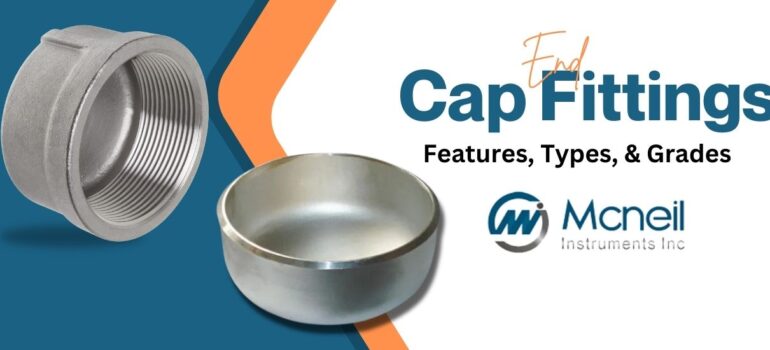
Features, Types, & Grades of End Cap Pipe Fittings

Features, Types, & Grades of End Cap Pipe Fittings

Pipe caps are made to cover pipe ends of various forms and serve as a protective measure. End Cap Pipe Fittings are mostly used to waterproof the connections. Additionally, they are employed to seal the extremities of hydraulic or pneumatic pipelines and tubes. They are utilized in the machinery, processing equipment, and plumbing systems for home, commercial, and industrial water supply lines. Additionally, they are installed on water pump lines with the express objective of eliminating air obstructions. Pipe caps are a significant class of pipe fittings that are in great demand.

Pipe End Caps are a particular kind of fitting that are mostly utilized to cover a pipe end. This prevents the entry of impurities such as water, dampness, dust, and others. Additionally, it aids in avoiding material damage. Devices called pipe end caps aid in protecting the pipe ends. They come in a variety of forms and sizes and are constructed from a variety of materials. End cap pipe fittings typically have a tear tab or strip to make removal simple. They assist in lowering pressure dips and maintaining the cleanliness of a pipe’s inside in addition to safeguarding the end.

Pipes End Capes Grades & Material Used:

Aluminum and steel are two materials that are frequently utilized in manufacturing. They are both extremely strong and bendable. Steel is more difficult to work with than aluminum. Monel Pipe End Caps are ideal for usage on components of high-volume manufacturing lines. For lighter-weight piping, particularly that which is flexible enough to be provided in coiled form, nickel alloy pipe end caps are occasionally utilized. Inconel Pipe End Caps are excellent for point-of-purchase displays, racks, shipment protection, dust coverings, and other finishing applications on metal items. Another common material for end caps is rubber. They are employed in many different processes, including as masking, temporary covering, and pumping.

The buyer should constantly consider the material of the fitting before choosing pipe caps since a wide range of materials are utilized to make pipe caps. Among the frequently utilized materials are:

Stainless Steel Pipe End Caps: ASTM A403 WP316/316L, ASTM A403 SA / A 774 WP-S, WP-W, WP-WX 304/304L, ASTM A182 F316L, 304L, DIN 1.4301, DIN1.4306, DIN 1.4401, DIN 1.4404

Duplex & Super Duplex Steel Pipe End Caps: ASTM A 815, ASME SA 815 UNS NO S31803, S32205. UNS S32750, S32950. Werkstoff No. 1.4462

Carbon Steel Pipe End Caps: ASTM A234, ASME SA234 WPB, WPBW, WPHY 42, WPHY 46, WPHY 52, WPH 60, WPHY 65 & WPHY 70.

Alloy Steel Pipe End Caps: ASTM A234, ASME SA234 WP1 / WP5 / WP9 / WP11 / WP22 / WP91

Nickel Alloy Pipe End Caps: ASTM B336, ASME SB336, Nickel 200 (UNS No. No2200), Nickel 201 (UNS No. N02201), Monel 400 (UNS No. N04400), Monel 500 (UNS No. N05500), Inconel 800 (UNS No. N08800), Inconel 825 (UNS No. N08825), Inconel 600 (UNS No. N06600), Inconel 625 (UNS No. N06625), Inconel 601 (UNS No. N06601), Hastelloy C 276 (UNS No. N10276), Alloy 20 (UNS No. N08020), Titanium (Grade I & II), Cupro-Nickel 70/30, CuNi10Fe1Mn, CuNi30Mn1Fe.

Low Temperature Carbon Steel Pipe End Caps: ASTM A420 WPL3, A420 WPL6

Different Features of End Cap Pipe Fittings

Before purchasing pipe caps in bulk, the buyer should take into account a number of crucial criteria. The following crucial requirements must be taken into account:

NPT (National Pipe Thread) size: This characteristic is appropriate for caps with a round form when the item that has to be protected has a male NPT thread.

BSP (British Standard Pipe) size: This size choice is only appropriate for caps with a round form and a male BSP thread on the item to be capped.

Diameter: Only round caps and plugs may be made with this crucial size. The primary thread diameter is the most crucial factor to take into account when fittings have straight threads. However, when a cap, plug, or item to be capped has a tapered (NPT or BSP) thread, its size is not a crucial factor to take into account.

Shape: The size and shape of pipe caps are other crucial factors to take into account. distinct pipe caps have distinct features. Features include:

  • Round Caps: The flange, slotted head, knurled or faceted head, retaining head, and tear tab are all common characteristics of round caps. A flange is designed to make it simple to remove pipes or tubes or to provide additional protection. Additionally, flanges aid in preventing inadvertent plug ejection through the aperture. A screwdriver makes it simple to put on or take off slotted caps. Typically, only threaded caps and plugs are intended to be used with knurled or faceted heads. Installation and removal are hassle-free using facets or knurls. It is simple to remove pipe caps that have a tear-tab or strip supplied.
  • Square or Rectangular Cap: When choosing a square or rectangular cap, the length and breadth should be taken into account the most. For square caps, the length and breadth are the same dimension, but the width is the smaller cross sectional measurement for rectangular caps.

Types of End Cap Pipe Fittings

There are many various varieties of pipe caps, and the type varies depending on the use. The correct sort of pipe cap must be known by the customer since pipe caps differ according to their construction features. Pipe caps come in the following varieties based on their construction:

Threaded End Cap Pipe Fittings

The threads on these caps are female. The thread, commonly known as an NPT, can be straight or tapered. often, plugs have a male thread, whereas caps often have a female thread. A threaded fitting called an ASME B16.11 threaded cap is often liquid or gas tight. Threaded Pipe Caps assist in resisting repeated tightening cycles that cause threads to loosen during drilling. Depending on the needs, a threaded end cap can be screwed or welded on a pipe.

Tapered End Cap Pipe Fittings

These hats’ tapering sides provide a snug fit. Some of these fittings have two different uses: as plugs or as caps. Male and female NPT threads, straight tubes and bars, and male straight threads all work well with tapered caps and plugs due to their versatility. These fittings have a tapered body to offer a solid friction fit and to make removal simple.

Anti-roll End Cap Pipe Fittings

These caps have a somewhat square end and a circular shape. Rolling pipes and tubes are stopped as a result. When shipping expensive merchandise at work or on the job, anti-roll caps can be used to safeguard the ends of a shaft, tube, pipe, fitting, connector, screw, bar, or any other shape. They are a specially designed vinyl plastic cap with square ends to prevent rolling.

Conclusion

Pipe caps are essential protective measures for pipe ends, used to waterproof connections, seal hydraulic or pneumatic pipelines, and prevent material damage. They come in various forms and sizes and are made from various materials, such as aluminum, steel, nickel alloy, Inconel, rubber, and more. There are various types of pipe caps, including threaded, tapered, and anti-roll end caps. Threaded caps have female threads, while tapered caps provide a snug fit and can be screwed or welded on a pipe. Anti-roll caps have a slightly square end and circular shape, preventing rolling pipes and tubes from being obstructed. Mcneil instruments Inc. is one of the best Manufacturer, Supplier, & Exporter of End Cap Pipe Fittings in India.

Read More
Types, Use & Application of Flushing Rings - Mcneil Instruments Inc.

Types, Use & Application of Flushing Rings

A flushing ring, which is also referred to as a calibrating ring, seal flush, or seal support system, is a unique tool made to add support to mechanical seals used in pumps and other spinning machinery. A metal ring that is positioned between the seal and the customer’s process connection is known as a flushing ring. One or two flushing holes can be seen on the side of the flushing ring. To minimize harm to typical measures, deposits, particularly those on the diaphragm, can be eliminated by flushing and cleaning through the flushing ring.

Understanding the Flushing Ring

A flushing ring, at its core, is a simple yet highly effective instrument designed to bolster the performance of mechanical seals used in pumps and other rotating machinery. Positioned between the seal and the process connection of the equipment, it serves as a critical intermediary. One or two flushing holes are typically incorporated into the side of the flushing ring.

Types of Flushing Rings in Different Material

  • SS 304 Flushing Ring

A SS 304 Flushing Ring is a critical component in industrial settings, preventing contaminants and ensuring accurate pressure measurements. Made from durable SS 304, it offers corrosion resistance and reliability.

  • SS 316 Flushing Ring

A SS 316 Flushing Ring is a corrosion-resistant component that maintains pressure measuring instrument reliability in industrial settings.

  • Duplex Flushing Ring

A Duplex Flushing Ring is a specialized component used in industrial applications to enhance the performance and reliability of mechanical seals. It serves as a bridge between the seal and the process connection, allowing for efficient flushing and cleaning to prevent deposits, especially on the diaphragm.

  • Super Duplex Flushing Ring

A Super Duplex Flushing Ring is a specialized component used in industrial applications to maintain the cleanliness and reliability of pressure measuring instruments. Made from super duplex stainless steel, it offers exceptional corrosion resistance and durability, making it ideal for demanding environments.

  • Inconel Flushing Ring

Inconel flushing rings, made from the durable Inconel alloy, are vital components in industrial instrumentation, offering exceptional corrosion resistance and high-temperature stability. They play a crucial role in safeguarding pressure measuring instruments, ensuring accurate and reliable performance in challenging industrial environments.

  • Monel Flushing Ring

A Monel flushing ring is a corrosion-resistant component used in industrial applications to maintain the cleanliness and performance of pressure measuring instruments.

  • Hastelloy C276 Flushing Ring

Hastelloy C276 flushing rings are essential components in industrial applications, crafted from the highly corrosion-resistant Hastelloy C276 alloy. They play a crucial role in preventing harmful substance buildup and ensuring accurate pressure measurements, particularly in challenging environments.

  • Alloy 20 Flushing Ring

An Alloy 20 flushing ring is a corrosion-resistant component crucial for maintaining the accuracy of pressure measuring instruments in demanding industrial environments.

  • Cupro Nickel Flushing Ring

A Cupro Nickel flushing ring, made from a corrosion-resistant alloy, safeguards the accuracy and performance of pressure measuring instruments in demanding industrial environments.

  • 904L Flushing Ring

A 904L flushing ring, made from highly corrosion-resistant stainless steel, ensures the reliability and cleanliness of pressure measuring instruments in demanding industrial environments.

In the world of industrial machinery, precision and reliability are paramount. Mechanical seals are essential components that ensure the seamless operation of pumps and rotating equipment. In this blog, we delve into the various uses and applications of Instrumentation Flushing Rings, and we shine a spotlight on Mcneil Instruments Inc., a trusted manufacturer, exporter, and supplier of these essential components.

Installation & Advantages of Flushing Ring

The Flushing Ring for Pressure Gauge has the benefit of a reduced size. The implementation of a larger diaphragm enhances the precision of the measurements. The Flush Flange serves to combine the solution with the diaphragm, and the Flush Ring is employed to avoid the obstruction of the instrument connected. The flush flange is attached between the flush seals. Flushing rings for diaphragms seals help to remove small particles that may get stuck on the membrane. The ports on both sides of diaphragms are threaded. They come in 2 sizes: ½ inch and ¼ inch.

Preventing Deposits and Ensuring Efficiency

One of the primary functions of an Instrumentation Flushing Ring is to combat the buildup of deposits, especially those that tend to accumulate on the diaphragm of mechanical seals. These deposits, if left unaddressed, can compromise the functionality of the seals and lead to operational inefficiencies or even failures.

By facilitating flushing and cleaning through its strategically placed holes, the flushing ring helps prevent and eliminate these deposits. This maintenance process ensures that the mechanical seal operates optimally, maintaining the integrity of the equipment and extending its service life.

Versatile Applications of Flushing ring

The use of Instrumentation Flushing Rings extends across various industries and applications:

1. Chemical Industry: In chemical processing plants, where corrosive substances are handled, flushing rings are indispensable. They help protect mechanical seals from chemical attack and ensure the reliable operation of pumps.

2. Oil and Gas: The oil and gas sector relies heavily on rotating equipment, and flushing rings play a vital role in safeguarding the seals in these critical applications, preventing costly downtime.

3. Food and Beverage: Hygiene is paramount in the food and beverage industry. Flushing rings assist in maintaining the cleanliness and integrity of mechanical seals, ensuring product quality and safety.

4. Pharmaceuticals: Precision and sterility are non-negotiable in pharmaceutical manufacturing. Flushing rings contribute to the reliability and contamination-free operation of equipment in this sector.

Mcneil Instruments Inc.: Your Trusted Partner

For businesses seeking top-quality Instrumentation Flushing Rings, Mcneil Instruments Inc. stands as a reliable manufacturer, exporter, and supplier. With a commitment to excellence and a reputation for delivering top-notch products, Mcneil Instruments Inc. caters to the diverse needs of its customers.

Whether you require flushing rings for chemical processes, oil and gas applications, or any other industry, Mcneil Instruments Inc. provides the solutions you can trust. Their products are engineered with precision, designed to withstand the rigors of demanding environments, and are backed by a commitment to customer satisfaction.

Conclusion

Instrumentation Flushing Rings, often known as calibrating rings, seal flushes, or seal support systems, are indispensable tools in ensuring the smooth operation and longevity of mechanical seals. With their ability to combat deposits and their versatile applications across various industries, flushing rings are a testament to the importance of precision engineering in industrial processes. When it comes to sourcing these critical components, Mcneil Instruments Inc. is your go-to partner, offering unmatched quality and reliability. Trust in the power of flushing rings to keep your machinery running smoothly and efficiently, backed by the expertise of Mcneil Instruments Inc.

Read More
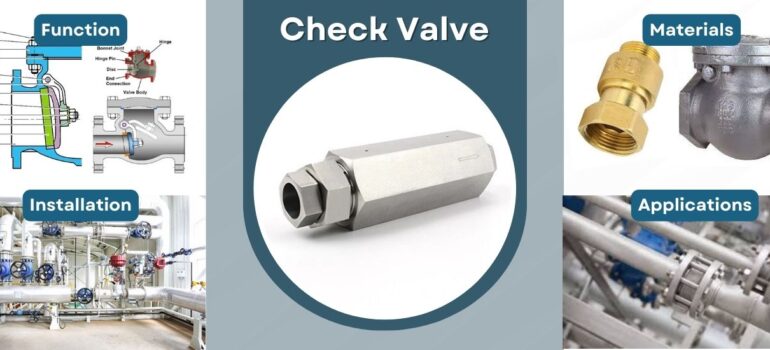
Check Valve Function, Installation, Materials, & Applications

Check Valve: Function, Installation, Materials, & Applications

Check valves are used as one-way or non-return valves in practically all industrial applications. Check valves are easy instruments that serve a crucial duty by preventing reversal flows, preventing harm, and guaranteeing effective operations. Different check valve designs are created for particular applications. Here are some of the most popular varieties of check valves and some of their suggested uses to assist you in selecting the best one for your needs.

What is a check valve?

A check valve, also known as a non-return valve or one-way valve, permits fluid to flow in only one direction. It is specifically designed to prevent backflow reverse fluid movement within a pipeline ensuring that the fluid flows unidirectionally through the piping system. At Mcneil Instruments, our check valves are engineered to maintain efficient and reliable operation by stopping any unwanted reverse flow.

A check valve is a mechanical component that only permits one direction of fluid flow. The valve blocks the path for fluid to flow as the direction of flow changes. They are also referred to as one-way valves or non-return valves. It is typically used in fluid pipelines to stop fluid backflow.

The check valves typically have two ports, one for the entrance and one for the outlet. Figure 1 depicts a standard check valve. An engineer by the name of Frank P. Cotter created the first check valve in history in 1907. Following this, Nikola Tesla created a revolutionary check valve with no moving parts, as seen in figure 2. The Tesla valve is another name for this valve.

How Do Check Valves Work?

Check valves operate using a straightforward mechanism to ensure fluid flows in one direction and prevents backflow. At Mcneil Instruments, our check valves feature a valve body, a seat, and a disc or ball. Here’s how they work:

  • Forward Flow: When fluid flows in the intended direction, the disc or ball moves away from the seat, allowing the fluid to pass through the valve.
  • Reverse Flow: If the fluid flow reverses, the disc or ball returns to its seat, closing the valve and blocking the reverse flow to prevent backflow.

This simple yet effective design ensures that fluid travels unidirectionally through the system, maintaining operational efficiency and preventing potential issues.

Function of the Check Valve

The pressure differential between the outlet and intake ports is a major factor in the check valve’s operation. The valve opens the route for fluid to flow when the pressure on the inlet side is high. When the flow is reversed and the pressure at the outlet port exceeds the pressure at the intake port, the valve closes and the flow is stopped. These valves can be operated without the use of an actuation mechanism, a person, etc.

The majority of the time, check valves are positioned in areas of an operation where fluid backflow could harm the system and render it useless. In the case of reverse osmosis, the fluid needs to transit the system only in one direction; thus, to achieve this, the check valve is inserted in the flow line. Similarly, the pipelines of sewage systems feature check valves to ensure that waste can only exit the system and not re-enter it.

Check valves are essential components used across various industries, including water treatment, chemical processing, oil and gas production, food and beverage processing, and HVAC systems. Here’s how check valves contribute to these applications:

  • Prevents Backflow: The primary role of a check valve is to stop fluid from flowing backward in a piping system. By ensuring that fluid flows in only one direction, check valves prevent potential damage, contamination, or disruption of the intended flow path.
  • Protects Equipment and Systems: Check valves safeguard equipment by blocking reverse flow that could lead to issues such as pump damage, pipe collapse, water hammer, or contamination of sensitive components. They act as a protective barrier, ensuring the longevity and reliability of your systems.
  • Maintains Pressure: By allowing fluid to flow in the correct direction and preventing backflow, check valves help sustain optimal pressure levels within a system. This is crucial for the efficient operation of pumps, regulators, and other pressure-sensitive equipment.
  • Enhances System Efficiency: Check valves improve overall system efficiency by eliminating the need for additional mechanisms to counteract backflow. This leads to reduced energy consumption and lower operational costs.
  • Minimizes Water Hammer: Water hammer, a phenomenon characterized by sudden pressure surges, can damage pipes and cause system failures. Check valves help reduce water hammer by preventing reverse flow and the pressure spikes associated with it.
  • Allows for System Isolation and Maintenance: Check valves enable the isolation of specific system sections for maintenance or repairs. By closing off the valve, fluid flow can be stopped in one direction, facilitating safe and efficient maintenance procedures.

At Mcneil Instruments, our check valves are designed to provide these essential functions, ensuring reliable performance and protecting your industrial systems.

Installation of the Check Valve

Three things are necessary to understand the valve selection and installation: valve orientation, sealing pressure, and cracking pressure. The cracking pressure is the lowest pressure at the inlet port needed to even minimally open the route. The resealing pressure is the lowest pressure at the valve’s outlet port that completely closes the valve to stop fluid from flowing backward. The valve should be installed in accordance with the flow direction, which is why it is advised to double-check the valve’s operational direction before installation.

Materials of Check Valve

Using these materials to manufacture this check valve

The majority of check valves are constructed of sturdy materials to handle high-pressure situations. Check valves are frequently made of the following materials:

Polyvinyl chloride (PVC) is flexible and resistant to corrosion. PVC’s smooth surface makes it easy for the pieces of the check valve to move around.

Chlorinated Polyvinyl Chloride (CPVC): PVC and CPVC are similar in quality; however, CPVC can withstand applications that require high temperatures.

Bronze: Bronze is corrosion-resistant, can be cast in intricate configurations, and can be used for low- and medium-pressure applications.

Brass: Brass is less expensive than bronze and shares the same properties, including machinability.

Cast Iron: Due to their superior corrosion resistance, cast iron check valves are utilized for hot and cold water, HVAC, steam, gas, and utility services.

Ductile Iron: Due to its higher than 3% carbon content, ductile iron is easily bent and molded. It is more easily formed into check valves and stronger than cast iron.

Iron: Applications involving steam, water, oil, and gas use iron. It can withstand a variety of pressures and temperatures. Its superior performance more than offsets its hefty price.

Stainless Steel: Stainless steel is rust-proof, strong, and suitable for use in demanding environments, including chemical applications.

Polypropylene (PP): Check valves are made of polypropylene (PP), which has a remarkable corrosion resistance that surpasses that of CPVC and PVC.

PVDF (Polyvinylidene Difluoride) is a material that is used in applications that require a high degree of purity and resistance to acids, solvents, and hydrocarbons.

Cast Steel: Due to its resilience to sudden impact without deforming, breaking, or bending, cast steel is used to make check valves. Additionally, it is simple to form into any style of check valve.

The following variables affect the choice of valve type and material:

  1. The material’s suitable for the fluid in action.
  2. dimensions of the pipeline and the available space.
  3. requirement for sealing and cracking pressure.
  4. Either a horizontal or vertical installation is possible.
  5. the size and contours of the envelope.
  6. accessibility for maintenance, repair, and inspection.
  7. operating conditions and the temperature of the fluid in motion.

Application of the check valve

Check valves have been used in a wide range of applications. As an example, they are frequently installed on a pump’s outlet side to prevent backflow. Check valves are crucial for maintaining water pressure in the pipes since centrifugal pumps, the most prevalent kind of water pumps, are not self-priming. Additionally, HVAC (heating, ventilation, and air conditioning) systems frequently employ check valves. A coolant is pushed up many stories in huge buildings using HVAC systems, for instance. These check valves are set up to prevent coolant from flushing back down.

Check valves are most frequently employed in:

  • Power Industries
  • Mining
  • Food and Beverage Companies
  • Process
  • Oil and Gas Plants
  • Pharmaceutical Industries
  • Steam heat recovery
  • service at high temperatures
  • thermal service
  • High-pressure safety service
  • System safety for utilities
  • Cut off the cooling.
  • production and refinement of petroleum
  • processing of hydrocarbons

The following applications are possible, depending on how well the check valves function:

  1. To stop the system from being harmed by fluid backflow.
  2. To guarantee the avoidance of contamination brought on by fluid backflow.
  3. To prevent a pipeline from being siphoned.
  4. To keep the vacuum seal in place.

Conclusion

steam heat recovery. Using check valves, you can regulate the flow of gases or liquids. Check valves are economical tools that stop waste and safeguard machinery. The graphic below shows how check valves fluctuate based on flow rate, media gravity and temperature, line size, pressure, and flow velocity. The body, seat, disc, and cover are the four separate components of a standard check valve. Check valves come in many variations to suit a wide range of applications. Mcneil Instruments Inc. is one of the most popular check valve manufacturers, stockists, suppliers, and exporters in India and worldwide.

Read More
Function and use of a siphon pipetube Mcneil Instruments Inc.

Function and use of a Syphon pipe/tube

Syphon pipes/tubes are essential components in many industrial operations, particularly in systems that handle high-pressure steam and chemical reactants. They play a crucial role in monitoring vapor pressure and safeguarding sensitive equipment from high-temperature steam.

What Are Syphon Pipes/Tubes?

A syphon pipe/tube is a device used to transfer liquid between locations by leveraging the pressure difference between two points. The pressure disparity causes some water to boil and turn into vapor, which expands when it reaches a pressure above atmospheric pressure. This process helps maintain the liquid’s movement through the pipe.

Syphon pipes/tubes are often confused with traps due to their U-shaped design. However, while traps allow waste to pass through, they are not true syphons.

Key Functions and Applications

Functions of Syphon Pipes/Tubes

  • Protecting Pressure Instruments: Syphon pipes/tubes prevent hot steam from directly contacting pressure sensing elements, which could otherwise be damaged by high temperatures.
  • Sealing Against Noxious Gases: They create seals to stop sewer gases from entering buildings, thus maintaining a safe and odor-free environment.
  • Controlling Fluid Flow: They manage the flow of liquids to minimize the effects of rapid pressure changes, ensuring a stable operation.

Applications of Syphon Pipes/Tubes

  • Steam Boilers: In steam boilers, syphon pipes/tubes measure water levels accurately and connect to pressure gauges. They prevent the high-temperature steam from damaging the pressure measurement instruments.
  • Chemical Plants: They protect pressure instruments from high temperatures in chemical plants, ensuring accurate readings and safe operations.
  • Automotive Systems: In automotive cooling systems, they prevent coolants from damaging temperature sensors, thereby maintaining the efficiency of the cooling system.
  • Hydraulic Systems: They accurately measure fluid levels without exposing instruments to full hydraulic pressure, protecting sensitive components from damage.
  • HVAC Systems: They measure refrigerant pressure accurately while protecting instruments from extreme temperatures, ensuring efficient HVAC system operation.
  • Laboratory Equipment: In labs, syphons ensure a steady flow rate of liquids between containers, facilitating various experiments and processes.
  • Oil and Gas Industry: They measure fluid levels and pressures in pipelines and storage tanks, ensuring safe and efficient operations in the oil and gas sector.

Uses of Syphon Pipes/Tubes

A tube where water is lifted and drawn with a force greater than the weight of the water inside is called a syphon pipe/Tubes. The reason for this is that the pressure of the air on the water molecules at either end of the pipe is equal. A syphon can elevate water 22 to 24 feet in this manner. A syphon, however, is unable to push water any higher than a standard pump.

The pipe is positioned at a specific height H from the surface and inserted into a tank. The pressure gradually drops as the water rises until it reaches peak C. Once the pressure falls below the atmospheric pressure, the liquid will start to flow. Air keeps the liquid suspended up to a height of roughly 10 meters. The liquid flow could be halted if there is a vortex over the pipe’s entrance.

An inverted “U” shaped tube known as a siphon allows liquid to move upward from a reservoir to a lower level. The liquid is under pressure when it is drawn up the tube, either by suction or immersion. After it enters, the flow continues naturally. A siphon, often referred to as an inverted siphon, trap, or flow tube, is sometimes to blame for gas explosions.

How a Syphon Works

  1. Setup: Place one end of a tube in the source container (higher position) and the other end in the destination container (lower position). The tube must go over the edge of the source container.
  2. Starting the Syphon: To start the syphon, fill the tube with the liquid by either sucking on the tube or submerging it in the liquid until it fills up, then quickly place one end in the destination container.
  3. Continuous Flow: Once the tube is filled and one end is in the destination container, gravity pulls the liquid down the tube. This creates a continuous flow because the liquid in the tube creates suction that keeps pulling more liquid from the source container. The liquid will keep flowing from the higher source container to the lower destination container as long as the tube remains filled with liquid and the end in the destination container is lower than the end in the source container.

Advantages of Using Syphon Pipes/Tubes

  • Safe Liquid Transfer: Syphons provide a safe method for moving liquids without the need for pumps, reducing the risk of spills and accidents.
  • Pressure Regulation: They help regulate pressure in various systems, ensuring safe and efficient operation without the risk of overpressure.
  • Versatility: Suitable for a wide range of applications across different industries, making them a valuable tool in industrial operations.
  • Cost-Effective: They are a cost-effective solution for transferring liquids and regulating pressure, requiring minimal maintenance and operational costs.

Detailed Technical Operations of Syphon Pipes/Tubes

High-Pressure Steam Systems: In high-pressure steam systems, syphon pipes/tubes are used to manage and measure vapor pressure. The high temperatures of the steam can damage pressure sensing elements if directly connected. By using a syphon, the steam condenses into water, which acts as a barrier, protecting the pressure instrument.

Chemical Reactants: In chemical processing, syphon pipes/tubes are used to transfer reactants safely between different stages of production. They ensure that the reactants flow smoothly without causing pressure surges that could disrupt the process.

Freeze Protection: Syphon pipes/tubes can be used with the right fillers to prevent freezing in systems exposed to low temperatures. By maintaining a liquid barrier, they prevent the formation of ice that could block the flow of liquids.

Practical Examples of Syphon Pipe/Tube Applications

Residential Plumbing: In residential plumbing, syphon pipes/tubes are used to prevent sewer gases from entering homes. The U-shaped design traps water, creating a seal that blocks gases while allowing waste to flow through.

Industrial Manufacturing: In industrial manufacturing, syphon pipes/tubes are used to control the flow of liquids in various processes. For example, in food processing plants, they ensure the smooth transfer of ingredients between different stages of production.

Environmental Engineering: Syphon pipes/tubes are used in environmental engineering to manage water levels in reservoirs and natural bodies of water. They help maintain balanced water levels, preventing flooding and ensuring a stable ecosystem.

Syphon pipes/tubes are versatile and indispensable tools in various industrial and residential applications. They provide a safe and efficient method for transferring liquids, regulating pressure, and protecting sensitive instruments from high temperatures.

McNeil Instruments Inc. is one of the leading manufacturers, suppliers, and exporters of syphon tubes/pipes in India. Our products are known for their quality, reliability, and adherence to industry standards.

Mcneil Instruments Inc. is One of the best Syphone Tube/Pipe Manufacturers, Suppliers, and Exporters in India.

Read More
Condensate Pot Blog Image Mcneil Instruments inc.

Condensate Pots: Function, Installation, and Importance

When it comes to optimizing steam systems and ensuring seamless condensate management, a reliable condensate pot is a must-have component. At Mcneil Instruments Inc., we take pride in being the leading manufacturer, supplier, exporter, and stockiest of top-quality condensate pots in India. In this blog, we will explore the significance of condensate pots and how Mcneil Instruments Inc. stands out as a trusted partner in providing premium condensate solutions.

Understanding the Condensate Pot:

A condensate pot is a vital accessory in steam and condensate systems, offering many benefits such as efficient condensate separation, prevention of water hammer, and protection of downstream equipment. It acts as a reservoir, effectively collecting the condensate and non-condensable gases from the steam, thus safeguarding sensitive equipment from damage and corrosion.

The function of Condensate Pots:

Condensate pots serve as a crucial link in steam systems and contribute significantly to their optimal functioning:

1. Condensate Collection: The condensate pot excels in gathering liquid condensate produced during steam condensation, ensuring that it is not carried along with the steam.

2. Steam Purging: With the provision of an air vent or drain valve at the top, condensate pots efficiently purge non-condensable gases from the system, promoting better heat transfer and minimizing the risk of disruptive steam hammer effects.

3. Water Hammer Prevention: By allowing steam to condense gradually and reducing its velocity, condensate pots play a crucial role in mitigating water hammer, protecting the integrity of piping and equipment.

Mcneil Instruments Inc. – Your Condensate Pot Manufacturer and Stockiest:

At Mcneil Instruments Inc., we have garnered a reputation for delivering high-quality condensate pots that meet stringent industry standards. Here’s why we are the preferred choice for condensate pot solutions:

1. Unmatched Expertise: With decades of experience in the industry, we have honed our expertise in manufacturing reliable and durable condensate pots.

2. Premium Quality: Our condensate pots are crafted from top-grade materials, ensuring excellent corrosion resistance and long-term performance.

3. Customization Options: Understanding the diverse needs of different industries, we offer tailor-made condensate pots to suit specific requirements.

4. Comprehensive Range: As a leading condensate pot supplier, exporter, and stockist, we maintain a vast inventory, ready to cater to client’s demands promptly.

Why Choose Mcneil Instruments Inc.?

When you choose Mcneil Instruments Inc. as your condensate pot Manufacturer, you gain access to numerous advantages that set us apart from the competition:

1. Reliability: Our condensate pots are meticulously designed and manufactured to deliver reliable performance, ensuring the smooth operation of your steam system.

2. Global Reach: As an exporter, we serve clients worldwide, providing them with high-quality condensate pots backed by exceptional service.

3. Timely Delivery: With a well-stocked inventory, we take pride in our ability to fulfill orders promptly, meeting even the most urgent requirements.

4. Technical Support: Our team of experts is always ready to provide technical assistance, ensuring you make informed decisions about condensate pot selection and installation.

Conclusion:

In conclusion, condensate pots are indispensable components in steam and condensate systems, and choosing the proper manufacturer and supplier is paramount to ensure efficient condensate management. At Mcneil Instruments Inc., we take pride in delivering premium condensate pot solutions that meet the highest standards of quality and performance. Whether you need a standard model or a custom design, we have the expertise and inventory to cater to your needs effectively. Partner with us today and experience the Mcneil Instruments Inc. difference in condensate pot excellence.

Read More
Shredded Scrap Stockist, Exporter, & Supplier in India - Mcneil Instruments Inc.

Reuse of Shredded Scrap: Promoting Sustainability and Resource Efficiency

In today’s world, where environmental concerns and resource scarcity are prominent, finding innovative ways to reuse and recycle materials is crucial. One such material is shredded scrap, which holds immense potential for reuse in various industries. This blog explores the significance of reusing shredded scrap, and how companies like Mcneil Instruments Inc., a leading supplier and exporter of shredded scrap in India, promote sustainability and resource efficiency.

Understanding Shredded Scrap:

Shredded scrap refers to the fragmented metal pieces that result from the process of shredding end-of-life vehicles, appliances, or other metal-based products. This scrap material contains a mix of ferrous and non-ferrous metals, making it a valuable resource for industrial applications.

Environmental Benefits of Reusing Shredded Scrap:

Reuse of shredded scrap offers several environmental benefits, including:
  1. Conservation of Natural Resources: By reusing shredded scrap, companies reduce the need for extracting and processing virgin raw materials. This conservation of natural resources helps preserve finite resources like iron ore and reduces the associated environmental impacts of mining.
  2. Energy Savings and Reduced Emissions: Recycling shredded scrap requires significantly less energy compared to primary metal production. By diverting scrap from landfills and utilizing it in industrial processes, companies contribute to energy savings and reduce greenhouse gas emissions, helping mitigate climate change.
  3. Waste Reduction: Shredded scrap is often considered waste or discarded material. By reusing it, companies reduce the amount of waste that would otherwise end up in landfills, thereby minimizing the environmental burden associated with waste disposal.

Industrial Applications of Shredded Scrap:

Shredded scrap finds applications in various industries, including:
  1. Steel Manufacturing: Shredded scrap serves as a valuable input in steelmaking processes. It can be melted down and blended with other materials to produce high-quality steel products, contributing to the circular economy.
  2. Foundries: Shredded scrap is used in foundries as a cost-effective and sustainable alternative to virgin metals. It can be melted and cast into various metal components for different industries.
  3. Construction: Shredded scrap can be incorporated into construction materials, such as concrete and asphalt, providing strength and durability to infrastructure projects. This application reduces the reliance on traditional materials and promotes resource efficiency.

Mcneil Instruments Inc.: Supplier and Exporter of Shredded Scrap in India:

Mcneil Instruments Inc. stands as a trusted supplier and exporter of shredded scrap in India. With their commitment to sustainability and resource efficiency, they offer high-quality shredded scrap that meets industry standards. Their expertise in sourcing, processing, and supplying shredded scrap ensures reliable and consistent material for industrial applications.

The Way Forward: Embracing Sustainable Practices:

To harness the full potential of shredded scrap, it is essential for industries to embrace sustainable practices:

  1. Recycling Infrastructure: Developing robust recycling infrastructure and encouraging the collection and processing of shredded scrap is vital. This supports the efficient reuse of scrap and reduces reliance on primary raw materials.
  2. Collaboration and Education: Collaboration among stakeholders, including manufacturers, policymakers, and consumers, is crucial for promoting the reuse of shredded scrap. Educational initiatives can raise awareness about the environmental and economic benefits of recycling and encourage responsible consumption and disposal of metal-based products.

Conclusion:

The reuse of shredded scrap presents a significant opportunity to promote sustainability and resource efficiency in industrial sectors. By reusing this valuable material, companies contribute to the conservation of natural resources, energy savings, waste reduction, and reduced emissions. Mcneil Instruments Inc., as a trusted supplier and exporter of shredded scrap in India, plays a crucial role in facilitating the reuse of this resource. Embracing sustainable practices and promoting recycling infrastructure will further drive the reuse of shredded scrap, paving the way toward a more sustainable and circular economy.

Read More
Needle Valves Manufacturers in India - Mcneil Instruments Inc.

Exploring the Versatility and Applications of Needle Valves

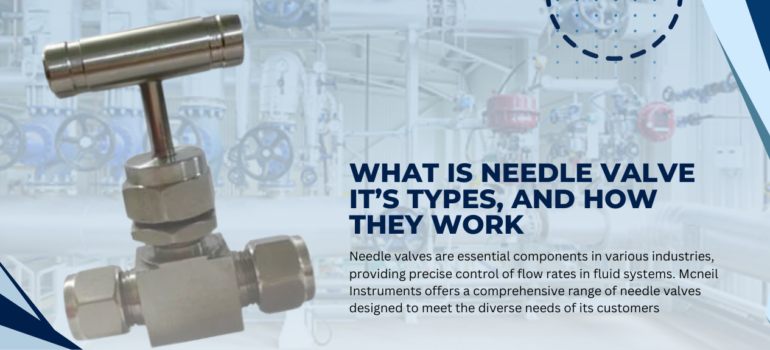
Needle valves are small yet powerful devices that play a vital role in precision flow control and fluid handling systems across various industries. With their unique design and functionality, needle valves offer precise regulation of gas and fluid flow, making them indispensable in many industrial applications. In this blog, we will delve into the versatility and wide-ranging applications of needle valves, highlighting their significance in industries worldwide. We will also explore the expertise of Mcneil Instruments Inc., a leading manufacturer, supplier, exporter, and stockist of high-quality needle valves.

Understanding Needle Valves:

Needle valves are specifically designed for fine-tuning the flow of liquids or gases with exceptional precision. They consist of a tapered needle-like plunger that fits into a matching seat, allowing for controlled adjustment of flow rates. This unique design enables needle valves to offer superior flow control accuracy, even in applications where minute adjustments are required.

Precision Flow Control:

One of the primary advantages of needle valves is their ability to provide precise flow control. By simply adjusting the position of the plunger, operators can regulate the flow rate with utmost accuracy. This level of control is particularly crucial in applications where even the slightest deviation in flow can affect the overall performance or quality of a process.

Fluid Handling Applications:

Needle valves find extensive use in a wide range of fluid-handling applications. Industries such as oil and gas, chemical processing, pharmaceuticals, food and beverage, and water treatment rely on needle valves for tasks such as metering, sampling, draining, and isolation of fluids. Their ability to handle both corrosive and non-corrosive fluids makes them versatile for various environments.

Gas Regulation and Pressure Control:

Needle valves are also employed for regulating gas flow and controlling pressure in different systems. They are widely used in laboratories, gas chromatography, gas analyzers, and other applications where precise gas regulation is essential. With their fine-threaded stems and high-pressure ratings, needle valves offer exceptional control over gas flow and pressure levels.

Industrial Applications:

The industrial sector extensively utilizes needle valves due to their reliability and efficiency. Industries such as manufacturing, power generation, HVAC, automotive, aerospace, and instrumentation rely on needle valves for critical operations. These valves ensure proper fluid or gas control, prevent leaks, and maintain system integrity, contributing to the smooth functioning of various industrial processes.

Mcneil Instruments Inc.: Your Trusted Needle Valve Partner:

When it comes to high-quality needle valves, Mcneil Instruments Inc. stands out as a leading manufacturer, supplier, exporter, and stockist. With their commitment to precision engineering and exceptional product quality, Mcneil Instruments Inc. offers a wide range of needle valves to cater to diverse industry needs. Their valves are manufactured using premium materials, ensuring durability, reliability, and excellent performance.

needle Valves Blog image

Conclusion:

Needle valves are indispensable devices in industries that require precise flow control, fluid handling, gas regulation, and pressure control. Their versatility and accuracy make them suitable for a wide array of applications, ensuring smooth operations and maintaining system integrity. As a reputable manufacturer, supplier, exporter, and stockiest of needle valves, Mcneil Instruments Inc. provides top-notch solutions for industries worldwide. Whether it’s precision flow control or reliable fluid handling, needle valves continue to play a vital role in driving efficiency and performance across numerous industrial sectors.

Read More
Air header Blog

Optimizing Pneumatic Systems with Air Headers

Air headers play a crucial role in pneumatic systems, simplifying the management and distribution of compressed air. Mcneil Instruments Inc. is a reputable manufacturer, supplier, and exporter of air headers in India, and is recognized for producing goods of excellent quality. In this blog, we will delve into the significance of air headers, their functionality, and the advantages of choosing Mcneil Instruments Inc. for your air header needs.

Understanding Air Headers:

An air header is a component used in pneumatic systems to distribute compressed air from a central source to various control devices. It acts as a manifold, providing multiple outlets for connecting air valves, instruments, and other pneumatic devices. Air headers are typically constructed from steel, brass, or aluminum, ensuring durability and resistance to corrosion.

Importance of Air Headers:

  • Centralized Air Distribution: Air headers simplify the management of compressed air by centralizing its distribution. Instead of running individual airlines from the main source to each device, the header provides a single connection point for multiple devices, streamlining installation and reducing maintenance requirements.
  • Enhanced System Efficiency: Air headers enable efficient control and regulation of airflow in pneumatic systems. By connecting various pneumatic devices to a single header, it becomes easier to monitor and adjust air pressure, ensuring optimal performance and energy efficiency.
  • Space Optimization: In compact installations or limited space environments, air headers prove invaluable. They eliminate the need for multiple individual connections, saving space and allowing for a more organized setup. Additionally, headers can be customized to accommodate specific space constraints, making them suitable for a wide range of applications.

Advantages of Mcneil Instruments Inc.:

Mcneil Instruments Inc. stands out as a trusted manufacturer, supplier, and exporter of air headers in India. Here are some key advantages of choosing their products:

  • Extensive Product Range: Mcneil Instruments Inc. offers a comprehensive range of air headers in different sizes, configurations, and materials. Their diverse product lineup ensures compatibility with various pneumatic systems and applications.
  • Superior Quality: Quality is of utmost importance to Mcneil Instruments Inc. Their air headers undergo rigorous testing and conform to international standards, ensuring reliability, durability, and consistent performance.
  • Customization Options: Recognizing the unique requirements of each customer, Mcneil Instruments Inc. provides customization options for air headers. They can tailor the design, port sizes, and configurations to meet specific project needs, delivering personalized solutions.
  • Commitment to Customer Satisfaction: Mcneil Instruments Inc. prioritizes customer satisfaction by offering prompt delivery, responsive customer support, and technical assistance. Their team of experts ensures that customers receive the right products and reliable after-sales service.

Conclusion:

Air headers play a vital role in pneumatic systems by simplifying air distribution and optimizing performance. As a reputable manufacturer, supplier, and exporter of air headers in India, Mcneil Instruments Inc. offers a wide range of high-quality products, ensuring compatibility, durability, and customer satisfaction.

Whether you require air headers for industrial applications, automation systems, or any other pneumatic setup, choosing Mcneil Instruments Inc. guarantees reliable products that meet your specific needs. With their commitment to quality, customization options, and excellent customer support, Mcneil Instruments Inc. stands as a trusted partner for all your air header requirements.

Read More
Valves Types and Application - Mcneil Instruments Inc.

What are valves, and how do they function?

Valves are essentially tools that control, regulate, or direct flow within a system or process. They frequently have a variety of features that serve to specify their best use.

By opening, closing, or partially obstructing different passages, a valve regulates, directs, or controls the flow of a fluid (gases, liquids, fluidized solids, or scurries). Despite the fact that valves are technically fittings, they are frequently discussed separately.

Mcneil Instruments inc. is one of the best Industrial Valve Fittings Manufacturers, Suppliers, and Exporters in India.

Whether you’re managing the flow of liquids, solids, gases, or other materials, Mcneil Instruments offers a range of stainless steel valves designed to meet your needs. Our valves provide crucial functions, including:

  • Starting or Stopping Flow: Control the flow of substances by opening or closing the valve.
  • Regulating Flow and Pressure: Adjust and maintain the desired flow rate and pressure within your piping system.
  • Controlling Flow Direction: Direct the flow within your system to ensure proper distribution.
  • Throttling Flow Rates: Fine-tune the flow rate to suit specific process requirements.
  • Improving Safety: Relieve excess pressure or vacuum to enhance system safety.

Valve Opening Methods

The way a valve opens and closes can affect its performance and control over flow. Here are the main types of valve opening mechanisms:

  1. Multi-Turn Valves: Operate like a screw or piston. Turning the handle moves a plug, plate, or membrane to block or allow flow. These valves offer varying speeds for opening and closing, suitable for applications with different differential pressures.
  2. Quarter-Turn Valves: Provide a full range of motion with a 90-degree turn of the handle. Ideal for applications where rapid action is more important than precision, these valves are easy to open or close quickly.

Actuation Methods

Valves can be operated manually, automatically, or through actuators. Here’s a breakdown of common actuation methods:

  1. Manual Valves: Operated by hand using handwheels, levers, gear wheels, or chains. These valves are simple and effective for straightforward applications.
  2. Actuated Valves: Controlled by electric motors, pneumatic systems, hydraulic systems, or solenoids. These valves are suited for remote control and automation in high-precision or large-scale operations.
  3. Automatic Valves: Activate based on specific conditions, such as check valves that close during backflow or pressure release valves that open when over-pressure is detected.

At Mcneil Instruments, our stainless steel valves are designed to provide reliable and efficient performance, tailored to your specific needs and application requirements.

Valves serve a variety of purposes, such as:          

  1. based on the status of the valve, starting or stopping the flow
  2. controlling the pressure and flow within a piping system
  3. regulating the flow direction inside a pipe system
  4. enhancing security by reducing pressure or vacuum in a pipe system

Explained valve opening methods

Even while various valves work towards the same objectives, their mechanical strategies can differ.

A valve’s total performance is affected by how it opens and closes, as well as by how much control you have over the flow and how rapidly the valve can work.

The majority of valves fall into one of three groups:

  • Manual Valves: These valves use handwheels, hand levels, gear wheels, or chains to activate and are typically regulated by hand.
  • Actuated Valves: These valves provide remote control and automation for high-precision or large-scale applications and are frequently connected to electric motors, air or pneumatic systems, hydraulic systems, or solenoids.
  • Automatic Valves: Some valves open when a particular flow requirement is satisfied. Examples include pressure release valves opening when an overpressure condition is recognised or check valves closing during backflow.

Common Valve Types and Their Applications

At Mcneil Instruments, we offer a wide range of valves, each with unique characteristics and applications to fit various industrial needs. Here’s an overview of common valve types and their specific uses:

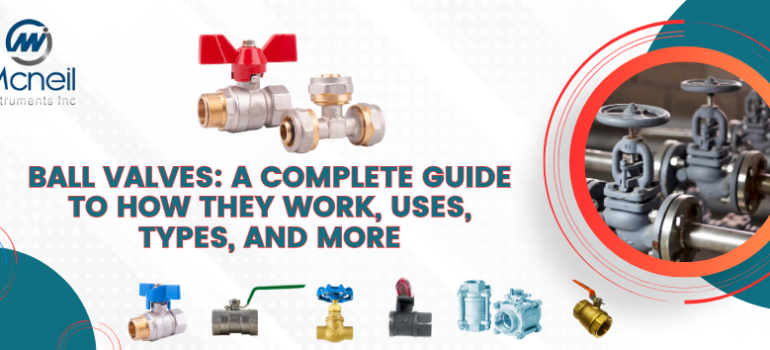
  • Ball Valve: Known for its quick-acting 90-degree turn handles, the ball valve uses a ball to control flow, providing straightforward on-off control. It’s generally faster and easier to operate compared to gate valves.
  • Butterfly Valve: Featuring a compact design, the butterfly valve utilizes rotary motion and is ideal for tight spaces due to its wafer-type construction. It’s available in various configurations to suit different needs.
  • Check Valve: Designed to prevent backflow, check valves are typically self-activating. They open automatically when flow is in the intended direction and close if the flow reverses, ensuring protection against backflow.
  • Gate Valve: A common type of valve, gate valves use linear motion to start or stop flow. They are typically used in fully open or closed positions and are not suited for flow regulation.
  • Knife Gate Valve: Ideal for controlling media containing solids, the knife gate valve features a thin gate that cuts through materials to create a seal. It’s suitable for applications involving grease, oils, paper pulp, slurry, and wastewater.
  • Globe Valve: Often used for modulating control operations, globe valves come in three body types: T-body, Y-Pattern, and Angle body, providing versatile options for flow regulation.
  • Needle Valve: Designed for fine, accurate flow control in small diameter piping systems, needle valves use a conical disc with a pointed tip to regulate flow precisely.
  • Pinch Valve: Used for handling solid materials, slurries, and liquids with suspended solids, pinch valves utilize a linear motion and feature an internal sleeve to isolate the media.
  • Plug Valve: Equipped with a quick-acting quarter-turn handle, plug valves use tapered or cylindrical plugs to control flow. They are reliable in high-pressure or high-temperature environments and offer excellent tight shutoff.
  • Pressure Relief Valve: These spring-automated valves help maintain system safety by relieving excess pressure and returning the system to the desired pressure level during over-pressure events.

Valve Functional Designations

Valves can also be classified by their function rather than design:

  • Isolation Valves: Include ball, butterfly, diaphragm, gate, pinch, piston, and plug valves.
  • Regulation Valves: Include ball, butterfly, diaphragm, globe, needle, pinch, and plug valves.
  • Safety Relief Valves: Include pressure release and vacuum relief valves.
  • Non-Return Valves: Include swing check and lift check valves.
  • Special Purpose Valves: Include multi-port, float, foot, knife gate, and line blind valves.

Valve Sizing Considerations

Choosing the correct valve size is crucial for optimizing performance, cost, and reliability. Here’s what to consider:

  1. Physical Dimensions and Internal Size: Ensure the valve fits within the required space and provides the appropriate flow rate (CV). A valve that is too small may cause reduced flow and increased back-pressure, while one that is too large may result in inadequate flow control.
  2. Flow Rate: Select a valve that matches the flow rate needs of your system. Some valves are designed for high flow rates, while others may constrict flow and increase pressure.
  3. Connector Diameter vs. Flow Needs: Sometimes a larger valve is necessary to accommodate the required flow rate, even if the connector diameter suggests otherwise.

At Mcneil Instruments, we provide a range of valves to meet diverse industrial requirements, ensuring optimal performance and efficiency for your applications.

Typical functional names and their typical design categories include:

  • Isolation Valves: ball, butterfly, diaphragm, gate, pinch, piston, and plug
  • Safety Relief Valves: Vacuum and pressure relief valves
  • Non-Return Valves: lift and swing check valves
  • Special Purpose Valves: Valves with many ports, floats, feet, knife gates and line blinds

The key to an accurate fit and reliable operation is the valve end connections.

After sizing and design, it’s crucial to think about valve end connections.

The most obvious takeaway from this is that you should select an end connection that works with your plumbing, but there are functional aspects of common end types that could make one valve better suited to your needs than another.

Valve End Connections: Ensuring a Perfect Fit and Reliable Operation

At Mcneil Instruments, selecting the right valve end connection is crucial for ensuring compatibility with your piping system and achieving optimal performance. Here’s a guide to common valve end types and their functional characteristics:

Common Valve End Types

  • Screwed or Threaded Connections: Ideal for instrument connections and sample points. These connections are often used where ease of assembly and disassembly is needed.
  • Flanged Connections: The most common type for general piping applications. Flanged ends provide a robust connection, making them suitable for various industrial applications.
  • Butt Welded Connections: Typically used in high-pressure or high-temperature environments. Butt-welded ends offer a strong and leak-proof connection for demanding conditions.
  • Socket Welded Connections: Commonly used in small-bore piping systems where threaded connections are not permitted. Socket-welded ends are ideal for applications requiring a secure, permanent connection.
  • Wafer and Lug Connections: Perfect for compact valves in systems with limited space. Wafer and lug ends are designed for easy installation and removal in confined areas.

Selecting the appropriate valve end connection ensures a secure fit and reliable operation in your system. At Mcneil Instruments, we provide a range of valve end connections tailored to meet your specific needs and operational requirements.

Below are typical valve connections and ends:

  1. Threaded or Screwed: utilised frequently in instrument connections or sample points
  2. Flanged: the most typical ends for use with piping
  3. Butt Welded: utilised frequently in high-pressure or high-temperature activities
  4. Socket Welded: used frequently on tiny bore pipework where threaded connections are not allowed
  5. Wafer and Lug: used frequently for small valves put in systems with little room

Conclusions

In this overview Mcneil instruments Inc. is one of the Best Valves Instrumentation Manufacturers and Stockiest in India. Making the appropriate valve selection for your project may seem difficult. However, you may quickly narrow down your selections to find the ideal valves for your needs by starting with generic criteria, such as valve design, valve size, and valve actuation mechanism.

Read More

Types, Applications, and Using Benefits of Tube Fittings

Tube fittings are an essential component in the piping and tubing systems of many industries. These fittings provide a safe and efficient way to connect, disconnect, and control the flow of fluids or gases in various applications. In this blog, we will discuss the different types of tube fittings, their applications, and the benefits of using them in various industries. Mcneil Instruments Exporting their Tube Fittings Worldwide

Some of the most common types of tube fittings

Types of Tube Fittings There are many types of tube fittings available in the market, each designed to fit a specific application.

  1. Compression Fittings – These fittings are used to connect two pipes or tubes by compressing a ring onto the pipe or tube.
  2. Push-In Fittings – Also known as quick-connect fittings, push-in fittings are used to connect two pipes or tubes by simply pushing them together.
  3. Flare Fittings These fittings are used in high-pressure applications and have a cone-shaped end that seals the tube with a nut.
  4. Barbed Fittings – These fittings have barbs or ridges that grip the inside of the tube and provide a secure connection.
  5. Camlock Fittings – These fittings are used in the transfer of fluids and are designed for quick and easy connection and disconnection.

Applications of Tube Fittings

Tube fittings are widely used in various industries, including:

  1. Oil and Gas Industry – Tube fittings are commonly used in the oil and gas industry for fluid and gas transfer applications.
  2. Chemical Industry – The chemical industry uses tube fittings for handling hazardous and corrosive materials.
  3. Pharmaceutical Industry – The pharmaceutical industry uses tube fittings in the manufacture of drugs and medical devices.
  4. Food and Beverage Industry – Tube fittings are used in the food and beverage industry for the hygienic transfer of fluids and gases.

Benefits of Using Tube Fittings

Using tube fittings in your piping and tubing system can offer several benefits, including:

  1. Easy installation: Tube fittings are designed for easy installation, with minimal tools and expertise required. This makes them a popular choice for many industries and applications.
  2. Leak-free connections: Tube fittings create a secure and tight seal, which prevents leaks and ensures the efficient flow of fluids or gases.
  3. Versatility: Tube fittings are available in a wide range of sizes, materials, and configurations, making them suitable for a broad range of applications.
  4. Durability: Tube fittings are typically made from high-quality materials, such as stainless steel, brass, or aluminum, which makes them durable and long-lasting.
  5. Corrosion resistance: Many tube fittings are designed to resist corrosion, making them ideal for use in harsh environments where corrosive substances are present.
  6. Flexibility: Tube fittings can be easily disconnected and reconnected, allowing for easy maintenance and repair.

Overall, tube fittings are a reliable, cost-effective, and efficient solution for many industries and applications.

Conclusion

In conclusion, Mcneil Instruments Inc. is Tube Fittings Manufacturer, supplier, and Exporter in India. Tube fittings are an essential component of any piping and tubing system, providing a safe and efficient way to connect, disconnect, and control the flow of fluids or gases in various applications. With their easy installation, secure connection, durability, and versatility, tube fittings are a reliable choice for many industries.

Read More
Cpper Tube Manufacturers in India - Mcneil Instruments Inc.

A Comprehensive Guide to Find the Best Copper Tube Manufacturer in India

It’s no secret that copper tubes are a crucial part of any construction or engineering project. But how do you find the best copper tube manufacturer in India? In this comprehensive guide, we’ll show you what to look for in a copper tube manufacturer and provide an overview of the best manufacturers in India. We’ll also go over all the important aspects of copper tube production, from material sourcing to quality assurance, so you can make an informed decision when it comes time to choose a partner. Whether you’re looking for a trusted supplier for your current project or simply exploring new options for future projects, this guide has everything you need to know about finding the right copper tube manufacturer in India.

An Overview of Copper Tube Manufacturing in India

First, understand the manufacturing process for copper tubes in India. This involves melting and drawing copper rods into various sizes and shapes, which are then cut to the desired length. The tubes are then pressure tested to ensure reliability and quality. Finally, they are finished with either electro-plating or chrome-plating for enhanced durability and esthetics.

The second step is to know what type of raw materials is used by different manufacturers in India – is it pure copper or brass? Look for suppliers who use only high-grade raw materials that meet international standards. You should also factor in their production capacity – how much they can produce in a day or a week – as this will determine how quickly your order can be fulfilled.

Tips for Choosing a Reliable Copper Tube Manufacturer in India

Price

Price is always an important factor when choosing a copper tube supplier, but it’s not always the most important one. Make sure you have researched the market and checked out multiple suppliers to get quotes before deciding on one.

Reputation

It’s important to select a manufacturer with an excellent reputation in the industry. Look for customer reviews online and read up on experiences with the supplier you’re considering. It can also be helpful to ask around your network, as they may be able to provide some insight into their experience with a particular manufacturer or supplier.

Quality of Product

Quality should be your top priority when it comes to purchasing copper tubes from any manufacturer in India. The quality of the product can make all the difference, so make sure that you take time to inspect the product before making a final decision.

Delivery Services

Delivery services should also be considered when selecting a copper tube supplier. Make sure that they offer fast and reliable delivery services, as this will help ensure that your order is delivered on time and without any issues.

Factors to Consider When Choosing a Copper Tube Exporter in India

When it comes to choosing a copper tube exporter in India, there are several factors to consider. For example, you’ll want to look at their reputation for quality and customer service. You also need to make sure that the company can meet your specific needs—are they able to provide the quantity and types of copper tubing you need? Here are a few other things you should consider:

Production Capacity

To get a high-quality copper tube from an Indian exporter, you’ll want to ensure they have the production capacity and technology necessary to meet your needs. Ask the manufacturer about their production capacity, and make sure that they can deliver the right quantities over a certain period.

Quality Certifications

Before buying copper tubes from any Indian exporter, it’s important to make sure that they are certified by third-party agencies like the American Society for Testing and Materials (ASTM), the Bureau of Indian Standards (BIS), or your country’s equivalent certification body. This certification is proof that they follow industry standards in terms of quality control and manufacturing processes.

Pricing

Pricing should also be taken into consideration when selecting an Indian copper tube exporter. It’s important to compare prices from different suppliers before making a purchase, as this will ensure you receive the best value for your money. Additionally, keep an eye out for discounts or special offers which can help lower the overall cost even further.

Benefits of Purchasing From the Best Copper Tube Supplier in India

When you’re looking for quality copper tube manufacturers in India, the best place to start is by researching the benefits of each supplier. Here are some of the top advantages of purchasing from the best copper tube supplier in India:

Quality Assurance

The best suppliers uphold extremely high manufacturing standards to ensure the quality of their tubes is up to par. They use quality control measures to ensure that their products are free from any defects and have consistent characteristics throughout production. With a quality assurance system in place, customers can trust that they will be getting top-notch tubes that meet their requirements.

Cost Efficiency

The best copper tube manufacturers also strive to keep their costs as low as possible, while maintaining quality and service. This cost-effectiveness allows customers to get great products at competitive prices, enabling them to maximize their budgets and get the most out of their purchases.

Fast Delivery Times

Time is money, which is why top suppliers provide fast delivery times for their customers. They understand how important it is for customers to get their products on time, so they make sure that orders are delivered quickly and efficiently. With speedy delivery times, customers can be sure that they won’t have to wait around too long for their tubes to arrive.

Conclusion

In summary, whether you are looking for the best copper tube manufacturer, supplier, or exporter in India, it pays to do your research. Make sure the company you select is certified and experienced in manufacturing copper tubes that meet global standards for safety and quality.

Read More
Pipe Clamps Manufacturers, Suppliers, Exporters in India - Mcneil Instruments Inc.

The Various Uses Of Pipe Clamps You May Not Know About

Introduction

Pipe clamps are versatile tools that can be used for a variety of purposes. In fact, there are many uses for pipe clamps that you may not know about! Here are just a few of the ways that pipe clamps can be used:

  • To secure pipes in place during installation or repair
  • To hold pipes together while welding
  • To temporarily repair a leak in a pipe
  • To apply pressure to a pipe while soldering

So, as you can see, there are many uses for pipe clamps that you may not have considered before. If you need a versatile tool that can be used for a variety of purposes, then a pipe clamp is a great option! We are one of the best Pipe Clamps Manufacturers in India.

What are pipe clamps?

Pipe clamps are clamps designed to hold various types of piping in place. Pipe clamps are made from metal and come in two parts, a body, and a screw. The body of the pipe clamp engages with the pipe to hold it in place, and the screw is used to tighten the clamp, creating a secure connection.

Pipe clamps are useful in applications such as plumbing, heating, and HVAC. They can be used to secure copper pipes and flexible piping in place when installing or repairing. They are also ideal for welding, soldering, and other forms of metalworking as they can exert consistent pressure that aids in the formation of a secure joint. Mcneil Instruments is one the best Pipe clamps suppliers in India.

Uses for pipe clamps

Pipe clamps can be used in many other applications than just plumbing and HVAC. Aside from metalwork, they can assist in the repair of plastic pipe and tubing, as well as rubber tubing. They are equally effective in sealing connection points between metal and non-metal materials, such as metal pipes and rubber fittings.

In addition, pipe clamps are often used in carpentry to secure wooden pipes and laminate, as well as to build racks and furniture. They are also used in the building of aquariums. Pipe clamps are easy to adjust and they can be opened, moved and then closed again without tools, which make them ideal for devices like scaffolding.

Some of the most common uses for pipe clamps are for woodworking and carpentry, metalworking, plumbing, maintenance and repair, and furniture building. As you can see, pipe clamps are versatile and can be used for a wide range of applications. We are Best Exporters of Pipe Clamps.

Conclusion

In conclusion, pipe clamps are versatile tools that can be used in a wide range of applications. From plumbing and HVAC to carpentry, metalworking, furniture building, and maintenance and repair, the uses of pipe clamps are extensive. They are easy to adjust, not requiring any tools to open and close, which makes them ideal for scaffolding. As such, pipe clamps have become a popular tool for many different applications and projects.

Read More

Difference between Flare Male Connector and Flare Union Tee

Have you ever been frustrated trying to figure out the difference between flare male connectors and flare union tees? You’re certainly not alone. There are plenty of folks out there who think these two common plumbing components are the same thing.

The reality is that understanding the difference between a flare male connector and a flare union tee is actually quite simple – once you know what makes them different.

What Is a Flare Male Connector?

If you’ve ever looked into plumbing or pipe fittings, you may have encountered the term ‘flare male connector‘. But what exactly is it? Well, a flare male connector is a type of fitting used in plumbing and air conditioning systems to connect two pipes or pieces of equipment. It’s so named because it uses a ‘flared’ end to create a tight seal, much like how a screwdriver can be used to secure two pieces of wood together.

So what sets it apart from other types of fittings? One major difference is that the flare male connector does not have threads on the outside of the tube. This means that when it’s installed, there’s no need to worry about any type of sealant or solvent being needed.

What Is a Flare Union Tee?

A flare union tee is a type of plumbing fitting that combines two pipes and one fitting together — usually to connect two pieces of pipe at a 45-degree angle. It is made up of three parts: a female flare port, a male flare port, and a threaded nipple.

The key difference between a Flare Union Tee and a Flare Male Connector is the design. The Flare Male Connector has only two components—the male flare port and the female flare port—while the Flare Union Tee adds an additional piece, the threaded nipple.

Differences between a Flare Male Connector and a Flare Union Tee

Now that you know the basics of a flare male connector and a flare union tee, it’s time to take a deeper look at their differences. There are a few key distinctions that set these two related fittings apart.

Physical Characteristics

The first difference is the physical characteristics. A flare male connector is made with a single outlet opening, while a flare union tee has two, one in each end. The other end is threaded or socket-welded so it can be attached to another fitting. The third opening on the tee is typically threaded and is used to connect two pieces of tubing together.

Usability

The second distinction between the two is how they are used. A flare male connector should be used when connecting two separate lengths of tube or pipe together, while a flare union tee should be used when connecting multiple lengths of tubes together at one point.

Durability and Safety Standards

Finally, each type must meet different safety standards for durability and pressure rating before being approved for use in industrial settings. Flare male connectors typically have an allowable working pressure rating of up to 500 PSI and are available in materials such as brass, stainless steel or carbon steel. Flare union tees may typically have an allowable working pressure up to 2,000 PSI depending on the material being used and must meet specific requirements before they can be approved for use in industrial applications.

Industrial Usage of the Two Types of Fittings

When it comes to industrial usage, the flare male connector and flare union tee have different roles. The flare male connector is typically used to connect pipes, hoses, and tubing in gas and liquid applications, while the flare union tee is used to connect multiple fittings between two pipes.

Flare male connectors are commonly found in a variety of industrial applications, from large power plants to smaller heating and cooling systems. They are also often used in plumbing systems, tankless hot water heaters and other similar types of installations.

On the other hand, flare union tees are most frequently used in larger industrial applications like oil refineries, natural gas pipelines and chemical processing plants. They are also commonly found in more complex industrial systems such as larger heating/cooling systems and HVAC systems that utilize multiple connections between pipes and fittings to form intricate networks of piping. Here are some key points to remember when using flare union tees:

• The connection must be properly aligned before tightening any nuts or bolts

• The nuts should be evenly tightened until the connection is sealed

• It’s recommended that PTFE (Teflon) tape or similar sealant be added to ensure a leak-proof connection

• Always use safety equipment like gloves and goggles when working with any type of fitting

Quality Standards Adhered to by Flare Fittings Manufacturers and Suppliers in India

Choosing the right flare fittings in India is essential to make sure that your project meets the highest quality standards. Fortunately, the manufacturers and suppliers of flare fittings adhere to some of the highest quality standards in the world.

Indian Standards for Flare Fittings

The Indian Standards for Flare Fittings (IS 3142-1983) sets out the requirements for flare fitting materials and dimensions. This standard requires that all flare fittings be made from materials that are strong and have excellent resistance to corrosion. The standard also stipulates that all parts meet a high level of quality assurance, including undergoing tests such as leak test, bend test, cold pressure test, and carbon content test.

Quality Certifications

Flare fitting manufacturers and suppliers in India are also certified by reputed organizations like the ISO 9001:2015 and CE certifications. This is done to ensure that their products meet international quality standards and provide superior performance even in difficult applications. Quality certifications also help customers make informed decisions when choosing their suppliers.

Furthermore, many flare fitting manufacturers offer customized solutions and design support to help customers achieve their desired results with ease and accuracy. This ensures that their products are tailored according to individual needs and requirements.

Read More
KOC Approved Fittings - Blog of Mcneil Instrument

KOC Approved Fittings – A Complete Overview

When it comes to assets related to industrial products, precision and quality are of utmost importance. That’s why many companies turn to KOC approved fittings manufacturers in India for their needs.

KOC Approved Fittings Manufacturers in India are able to provide the highest standard of quality for their products due to the stringent regulations and requirements of Kuwait Oil Company. This ensures that what you get from them is fit for purpose and reliable in any situation. Whether you need forged fittings, butt weld fittings, or IBR approved fittings, these manufacturers can help.

In this article, we’ll be covering KOC approved fittings manufacturers in India, along with other relevant certification bodies such as PDO, SABIC, and Saudi Aramco. We’ll also look at IBR approved butt weld and forged fittings. So if you’re looking for a reliable source of high-grade industrial products that meet international standards, look no further—we’ve got it covered!

KOC Approved Fittings: Overview & Benefits

When you buy KOC approved fittings, you know you’re getting the highest quality product available. These fittings are certified and tested to meet specific performance and safety standards, so you can be sure that your fitting is capable of meeting any industrial or infrastructure application. KOC approved fittings offer superior reliability, excellent performance, superior durability, and long life. Plus, they are resistant to corrosion, temperature changes, and environmental changes.

KOC fittings are used in a wide range of industries—from oil and gas production to wastewater management to bridge and pipeline construction. They are also highly recommended by major industry organizations including PDO, Sabic, Saudi Aramco, IBR and KNPC. Each organization has its own requirements for fitment approval in order to ensure that the fittings are safe for use in their respective applications.

The benefits of using KOC approved fittings extend beyond their superior performance; they also offer cost savings due to their longer lifespans. Additionally, these fittings have a low maintenance requirement since they are resistant to corrosion and require minimal cleaning and maintenance over their lifetime. By utilizing KOC approved fittings in your applications, you can be sure that your investment is well protected from unexpected repairs or replacements down the road.

Where to Source KOC Approved Fittings in India

As you look to source KOC approved fittings and related products in India, the best resource is a trusted supplier. If you’re in the market for KNPC approved fittings, PDO approved fittings, SABIC approved fittings, Saudi Aramco approved fittings, or IBR approved butt weld and forged fittings, you can count on an experienced and reliable Indian manufacturer or exporter to provide what you need.

From elbow joints to T-joints and more, KOC approved fitting manufacturers are responsible for manufacturing high-quality and durable products that are designed to meet strict safety standards. Suppliers can help you identify the most appropriate fitting for your project or application and provide advice about how to install it correctly. They also offer custom solutions if required—tailoring the product of your choice to fit your specific requirements. When it comes to sourcing KOC approved fittings in India, there’s no better place than an experienced supplier who understands your specific needs and can deliver a cost-effective solution.

Read More
Coupling Pipe Fittings Manufacturers, Suppliers, Exporters in India

A Detailed Guide to Coupling Pipe Fitting Manufacturers India

Introduction

Do you need to source a pipe fitting manufacturer in India? Look no further! This comprehensive guide will provide you with the information and resources you need to find the best coupling pipe fitting manufacturer in India, while taking cost and quality into consideration.

From understanding what types of pipe fittings are available in India to learning about the specific regulations that must be followed, this guide covers it all. You’ll learn about all the key features to look for when selecting a pipe fitting manufacturer in India, as well as tips and tricks for sourcing top-quality products at competitive prices.

By the end of this article, you will have all the knowledge and resources necessary to find the perfect coupling pipe fitting manufacturer for your needs. Let’s get started!

What Is a Coupling Pipe Fitting and Its Use?

Coupling pipe fittings are devices used to connect multiple pieces of pipe or tubing together. They are available in a wide range of sizes, materials, and connection types, allowing them to be used in a variety of applications. These fittings come in two main categories: flanged and threaded couplings. Flanged couplings are usually used to join two pieces of pipe that have different diameters and threaded couplings are more often used to join pipes with the same diameter.

When selecting the right coupling for your project, it is important to consider factors such as the material specification and pressure ratings, as well as its shape and size. It is also important to choose a coupling that is compatible with the existing pipe fitting manufacturer in India. Knowing all the factors involved will help you find the best possible solution for your project.

Overview of the Different Types of Coupling Pipe Fittings Available

India is one of the world’s largest producers of coupling pipe fittings and you’ll find a wide variety of different types used in industrial and commercial applications. They can be made from a range of materials, including brass, steel, iron, stainless steel and plastic, so you need to choose the coupling pipe fittings that best suit your application.

Here’s an overview of the different types of coupling pipe fittings available:

  • Socket Weld Couplings: These are made from high-grade materials like stainless steel, brass or carbon steel and are typically used for connecting pipes that require airtight seals.
  • Threaded Couplings: This type of coupling is ideal for connecting pipes with male threads on both ends. It can be used in low-pressure applications such as plumbing systems or water supply lines.
  • Push Fit Couplings: This type of coupling is designed to create a secure connection between two pieces without the need for any tools. They are primarily used in plumbing systems to allow easier installation and repair work.
  • Compression Fit Couplings: Compression fit couplings use a compression nut and sleeve to create an airtight seal between two pieces when tightened into place. They are ideal for use in high pressure water systems or where extra security is needed.

No matter what type of application you have in mind, India has an extensive range of reliable manufacturers offering quality pipe fittings at competitive prices.

Read More
ASME SA 213 TP 304L Stainless Steel Tubing

Detailed information on Inconel tubes

Inconel is a nickel-chromium-based composite material group recognized for its composite materials and oxidization as well as corrosion resilience. Inconel tubes are Inconel-made tubes that are often utilized in high-temperature and corrosive situations.

Because of their capacity to withstand severe temperatures, Inconel tubes are frequently employed in the aircraft, heterogeneous catalysis, and oil and gas sectors. They can be utilized in heat exchangers, boiler components, gas turbines, and exhaust pipes, among other things.

Inconel tubes are normally manufactured using a continuous filament method, and they are accessible in an array of diameters and internal diameter to fulfill the needs of certain applications. Work piece material or welded tubes can also be used to create intricate forms and components. Inconel tubes are more exorbitant than other materials, but their exceptional performance and endurance make them an ideal choice for applications requiring dependability and longevity.

There are numerous benefits to employing Inconel tubes in different purposes. Among the primary benefits are:

Inconel tubes have outstanding high-temperature strength, making them ideal for use in situations where heat tolerance is required.

Inconel is highly corrosion resistant, making it ideal for use in hostile settings where other elements would deteriorate or fail.

Inconel tubes are versatile because they are available in a wide range of diameters, shapes, and internal diameter, making them appropriate for a broad spectrum of uses.

Inconel tubes are exceptionally durable, withstanding harsh temperatures, pressures, and corrosive conditions, making them a long-term choice for important applications.

 Because Inconel tubes are inherently thermoplastic, they can be shaped into complicated forms and sizes.

Inconel tubes are conveniently machined, making them simple to attach to other elements or modules.

Overall, the benefits of employing Inconel tubes make them an excellent idea for use in critical applications requiring high stiffness, resilience, barrier properties, and resistant to high temperatures. Mcneil Instruments is one of the best Inconel tubes supplier, manufacturer, and exporter in India.

#Inconel Tubes Manufacturers in India

#Inconel Tubes Suppliers in India

#Inconel Tubes Exporters in India

Read More
quick release couplings manufacturer in India

Quick release couplings manufacturers, supplier, exporters in India

Utilization of quick release couplings is widespread. In instances where the attachment and separation of lines must be accomplished swiftly, easily, and repeatedly, they are specifically engineered to offer connectivity without the necessity for equipment. Often, one side is fastened to an elastic line. The two mating components that make up a quick release coupling There is a male half and a female half of these. The male half is referred to as either the “Plug” or the “Nipple” or the “Nipple Body,” and the female half is referred to as either the “Socket” or the “Coupler” or the “Coupler Body.”

Fluid lines are connected to components and connectors that frequently has to be connected and disconnected using quick release couplings. They are employed to create or break the connexion of a liquid conduit in pneumatic and hydraulic applications. Quick release couplings come in a variety of substances depending on the particular fluids that will be used in the implementation.

The most popular Quick release couplings are incredibly durable and resilient to imperatives, wearing, and abrasion from regular use. The most common material used only for sealing is  nitrile butadiene rubber, but other materials can be utilized as well, contingent on the chemical resistance required by various liquids. Particularly Fluoroelastomers enables the Quick release couplings to have a broader thermal resistance and renders them appropriate for a greater variety of applications.

How are Quick release coupling fittings used?

Quick coupling fittings utilization should be monitored, and preventative dust plugs and caps are a critical component. When the nipple and coupler are separated, it is utilized to protect the interconnected tiles. Installing a dust stopper and cap to a machine has a lot of advantages.

  • Keeps impurities out of the dynamic flow.
  • Insulation from external grit and filth assists in keeping the fitment in top functioning condition and extends the connection life.
  • Color-coded plugs and caps make joining lines easier to see.
  • When the coupling components are usually linked, tether straps hold the plug and cap close at hand.

Mcneil Instruments Inc. is one of the best quick release couplings manufacturer, supplier, exporters in India.

Read More
KNPC APPROVED TUBES

One of the top Stainless Steel tube manufacturers, Supplier, Exporters

The market for products made of stainless steel is growing annually. Our yearly utilization is already well over a million tons and expanding in industries like construction, mining, and kitchen appliances, which is attributable to our manufacturing boom in developing economies. Compared to normal-grade steel, the material is more expensive, sturdier, offers more corrosion protection, is weather resistant, and is aesthetically pleasing.

Mcneil Instruments stands out as one of the top stainless steel tube manufacturers in India. With our commitment to quality and excellence, we are recognized among the leading stainless steel tube suppliers and producers. Our stainless steel tubes are crafted to meet both national and international standards, ensuring reliability and high performance across various applications.

what is Stainless steel?

A highly corrosive alloy called stainless steel tube is created in two steps largely from metal and chromite. The “green stuff” is what turns out to be recyclable. In the building projects, the restoration rate is actually quite close to 100%. Stainless steel is impartial and innocuous from an ecological point of view, and it is strong enough to satisfy the requirements of traditional construction.

In terms of appearance, stainless steel is also attractive, readily maintainable, sanitary, long-lasting, and provides many other advantages. As a result, stainless steel is employed in many of the items we use every day. It plays a big part in many different sectors, including transit, energy, construction, research, medical, food, and communications.

Our Stainless Steel Tube Offerings

At Mcneil Instruments, we take pride in being among the best stainless steel tube producers, providing a diverse range of high-quality stainless steel tubes for different industrial needs. Our product line includes:

  • Stainless Steel Welded Tubes
  • Stainless Steel Seamless Tubes
  • Stainless Steel Round Tubes
  • Stainless Steel Rectangular and Square Tubes

Types of Stainless Steel Tubes We Manufacture

1. Stainless Steel Welded Tubes

Specifications:

ProductS.S Welded Tubes
Outer Diameter¼” to 4½” O.D. (12.70mm to 114.30mm)
Thickness0.30 mm to 5 mm

SS Manufacturing Specification:

  • As Per (American Society for Testing and Materials): ASTM A249, ASTM A554

Testing Includes:

  • Tensile Test
  • Flattening Test
  • Flare Flange Test
  • Reverse Bend Test
  • 100% Hydrostatic Test
  • Hardness Test

2. Stainless Steel Seamless Tubes

Specifications:

ProductS.S. Seamless Tubes
Outer Diameter6 mm to 101.6 mm
Thickness0.80 mm to 4 mm

SS Manufacturing Specification:

  • As Per (American Society for Testing and Materials): ASTM A213, ASTM A269, ASTM A270

Testing Includes:

  • Tensile Test
  • Flattening Test
  • Flare Flange Test
  • Reverse Bend Test
  • 100% Hydrostatic Test
  • Hardness Test

3. Stainless Steel Round Tubes

Specifications:

SizeThickness Availability (mm)
6.35 mm0.06, 0.09, 0.13
9.53 mm0.09, 0.14, 0.21, 0.25
12.70 mm0.12, 0.20, 0.29, 0.35, 0.42
15.88 mm0.15, 0.25, 0.37, 0.44, 0.54
19.05 mm0.18, 0.30, 0.45, 0.54, 0.66
22.23 mm0.35, 0.53, 0.63, 0.78, 1.01
25.40 mm0.40, 0.61, 0.73, 0.90, 1.17
28.00 mm0.44, 0.68, 0.80, 0.99, 1.30, 1.88
31.75 mm0.51, 0.77, 0.92, 1.13, 1.49, 2.16
34.93 mm0.85, 1.25, 1.65, 2.39
38.10 mm0.93, 1.37, 1.81, 2.63
44.45 mm1.09, 1.30, 1.61, 2.12, 3.11
50.80 mm1.25, 1.49, 1.85, 2.44, 3.59
63.50 mm1.55, 2.33, 3.08, 4.54
76.20 mm2.80, 3.71, 5.49
88.90 mm3.28, 4.35, 6.44
101.60 mm3.75, 4.98, 7.40

Rectangular Section Tubes:

SizeThickness Availability (mm)
20×10 mm0.65, 0.8, 1.00, 1.20, 1.50
13×26 mm0.65, 0.8, 1.00, 1.20, 1.50, 2.00
20×40 mm0.65, 0.8, 1.00, 1.20, 1.50, 2.00
30×10 mm0.65, 0.8, 1.00, 1.20, 1.50
40×10 mm0.65, 0.8, 1.00, 1.20, 1.50
50×10 mm0.65, 0.8, 1.00, 1.20, 1.50
25×50 mm0.65, 0.8, 1.00, 1.20, 1.50, 2.00, 3.00
60×40 mm1.20, 1.50, 2.00, 3.00, 4.00, 5.00
75×25 mm1.20, 1.50, 2.00, 3.00, 4.00, 5.00
80×40 mm1.50, 2.00, 3.00, 4.00, 5.00
50×100 mm1.50, 2.00, 3.00, 4.00, 5.00
40×100 mm1.50, 2.00, 3.00, 4.00, 5.00
60×100 mm1.50, 2.00, 3.00, 4.00, 5.00
80×60 mm2.00, 3.00, 4.00, 5.00

Quality Assurance

Mcneil Instruments is committed to delivering high-quality stainless steel tubes, which is why we are recognized as one of the most reliable stainless steel tube manufacturers in India. Our commitment to quality is reinforced by our TÜV Rheinland Group certification, ensuring that our products comply with stringent safety and quality standards.

Packaging of Stainless Steel Tubes

For international clients, our stainless steel tubes are meticulously wrapped in plastic or LDPE tubes and packed in wooden boxes to ensure their safety during transit. Domestic customers receive packaging in jute bags, HDPE woven sacks, or wooden boxes, based on their requirements. Tube ends are also plugged if necessary to prevent damage.

What purposes serve stainless steel tubes?

In pipe networks, stainless steel tubes are used to convey gases or liquids. A steel alloy of copper and chrome is used to make steel pipes, giving stainless steel its corrosion-resistance. Steel tubes come in a variety of shapes, including oval, cylindrical, and shaped.

Electric-resistant welding or as-welded (ERW). A stretched sheet of steel is sent through two welding rollers using this technique. The steel curl goes through with a trench that runs the full circle of the welded rollers. At the roll seams, there is a connector that conducts electricity at a strong enough voltage to seal the stitch. It produces a very little seam.

Attracted (DOM). To establish a shape, a spindle is a tiny piece of metal put into the tube. It provides the tube with extra assistance to avoid unintentional folding during drawing. A die that is lesser in diameter than the present tube size is used to pass the tube through. The tube contracts as it is stretched to fit the die’s thickness. 

Mcneil Instruments represent one of the most reputable Stainless Steel tube Manufacturers, Supplier, Exporters in the field of producing and providing stainless steel pipes, which have a solid design and flawless finishing. These are joined using excellent quality mechanical constituents that have been researched and created by our professionals in the field. Additionally, these are priced competitively in the energy market and have a long life expectancy.

Why Choose Mcneil Instruments?

As leading stainless steel tube suppliers and top stainless steel tube exporters, Mcneil Instruments is dedicated to providing premium stainless steel tubes that meet diverse industrial needs. Our expertise in stainless steel tube production and commitment to quality make us a preferred choice for customers seeking reliable and high-quality stainless steel tubes.

Whether you are looking for high-quality stainless steel tubes for automotive, decorative, refrigeration, or any other application, Mcneil Instruments stands out as the top choice among stainless steel tube production leaders. Our dedication to excellence ensures that we continue to be one of the best stainless steel tube manufacturers in India.

Read More