Stainless steel instrumentation tube fittings for high-pressure industrial systems

How to Prevent Instrumentation Tube Fitting Failures in High-Pressure Systems

Instrumentation tube fittings are small components, but they perform a critical function in high-pressure fluid and gas systems. A fitting must maintain a secure mechanical grip and leak-tight connection while handling pressure, temperature changes, vibration, corrosion, and repeated maintenance.


Failure of an instrumentation tube fitting can result in leakage, pressure loss, inaccurate instrument readings, contamination, equipment damage, production downtime, and serious safety risks. In high-pressure applications, even a small installation error can become a significant reliability issue.


The good news is that many tube fitting failures can be prevented through correct tube selection, fitting selection, preparation, installation, system design, inspection, and maintenance.


Mcneil Instruments manufactures and supplies instrumentation tube fittings in materials including stainless steel, alloy steel, Monel, Inconel, Hastelloy, brass, titanium and other engineering alloys. Its instrumentation tube fitting range covers applications involving high-pressure gases, liquids and vacuum systems.

What Causes Instrumentation Tube Fitting Failures?

Tube fitting failures rarely occur because of one factor alone. The most common causes include:
Incorrect tube material or wall thickness
Improper tube preparation
Incorrect fitting size
Under-tightening
Over-tightening
Poor tube alignment
Excessive vibration
Incorrect pressure or temperature selection
Corrosion or material incompatibility
Damaged tube surfaces
Improper thread assembly
Mixing components from different manufacturers
Insufficient inspection and maintenance
Improper installation and poor tubing selection are widely identified as major causes of leakage in industrial fluid systems.

  1. Select the Correct Tube for the Application
    The fitting cannot compensate for an incorrectly selected tube.
    Before installing an instrumentation fitting, evaluate:
    Tube outside diameter
    Wall thickness
    Tube material
    Hardness
    Pressure rating
    Temperature range
    Corrosion resistance
    Fluid compatibility
    Surface finish
    Application environment
    Tubing must have the appropriate mechanical properties for the fitting to grip it correctly. Surface defects such as scratches, dents, raised sections or ovality can interfere with sealing and gripping, particularly in gas applications.
    For high-pressure systems, tube wall thickness is particularly important because the tube itself must safely withstand the system pressure.
    Why Tube Hardness Matters
    The relationship between tube and ferrule hardness affects the ability of the fitting to create a reliable mechanical connection.
    If the tube is unsuitable for the fitting design, the ferrule may not grip the tube correctly. Therefore, tubing should always be selected according to the fitting manufacturer’s technical requirements and the application’s pressure and temperature conditions.
  2. Match the Fitting Size to the Tube
    A surprisingly common source of failure is incorrect sizing.
    The fitting and tube should match in:
    Outside diameter
    Thread configuration
    Connection type
    Material
    Pressure class
    Application requirements
    Mcneil Instruments lists instrumentation tube fittings from 1/16-inch OD to 2-inch OD, with metric sizes available up to 50 mm OD. Its published pressure range includes 300, 1000 and 3000 psi ratings for brass configurations and up to 6000 psi for stainless-steel configurations.
    The actual pressure rating should always be verified against the specific fitting, tube, material, temperature and configuration being used.
  3. Prepare the Tube Correctly Before Installation
    A high-quality fitting can still fail if the tube is poorly prepared.
    Before assembly:
    Measure and cut the tube accurately.
    Make a clean, square cut.
    Remove burrs from the tube end.
    Clean the tube thoroughly.
    Inspect the outside surface.
    Check for dents, scratches and ovality.
    Ensure the tube is free from contamination.
    Burrs can interfere with fitting assembly and may also enter the fluid system, potentially damaging sensitive components such as valve seats or seals.
    Avoid Damaged Tube Ends
    Never install a fitting over a tube end that has:
    Deep scratches
    Severe dents
    Cracks
    Excessive corrosion
    Distortion
    Heavy burrs
    The sealing and gripping surfaces need to be in suitable condition before assembly.
  4. Avoid Under-Tightening
    Under-tightening is one of the most common installation problems.
    If the fitting nut is not tightened according to the manufacturer’s specified procedure, the ferrules may not properly grip and seal against the tubing.
    Potential consequences include:
    Leakage
    Tube pullout
    Pressure loss
    Vibration-related loosening
    Gas leakage
    Reduced service life
    Installers should not rely only on “feel” when tightening a fitting. Tube diameter, wall thickness, material and hardness can change how a fitting feels during assembly.
    Always follow the installation procedure supplied by the fitting manufacturer.
  5. Avoid Over-Tightening
    More tightening does not necessarily mean a better connection.
    Excessive tightening can damage:
    Tube walls
    Ferrules
    Threads
    Fitting bodies
    Sealing surfaces
    It can also make future maintenance difficult.
    For this reason, manufacturers provide specific installation procedures rather than recommending unlimited tightening. Installation instructions may specify a defined number of turns, a torque value, a gap measurement or another controlled assembly method.
    For example, Swagelok’s published installation guidance uses a defined nut rotation and a gap inspection method rather than relying solely on installer judgment.
    Important: Installation procedures are manufacturer-specific. Do not apply the installation turns or torque of one manufacturer’s fitting to another manufacturer’s fitting.
  6. Use the Correct Double-Ferrule Configuration
    Double-ferrule instrumentation fittings are widely used where reliable gripping and sealing are required.
    Mcneil Instruments specifically lists double-ferrule tube fittings as a product feature for demanding applications involving impulse, vibration, high-pressure gases and vacuum service.
    A properly engineered double-ferrule design can provide:
    Mechanical tube grip
    Leak-tight sealing
    Vibration resistance
    Reliable connection integrity
    Easier assembly compared with welded connections
    However, the benefits depend on using the correct fitting, compatible tubing and proper installation.
  7. Never Mix Tube Fitting Components From Different Manufacturers
    Intermixing and interchange can create an untested connection.
    For example, combining:
    Body from Manufacturer A
    Nut from Manufacturer B
    Ferrules from Manufacturer C
    may produce a connection that was never designed or validated as a complete assembly.
    Tube fitting geometries, tolerances, ferrule designs and materials can vary between manufacturers. Swagelok similarly cautions that interchange and intermixing can result in unpredictable performance because there is no universal commercial design standard covering these components.
    For critical high-pressure applications, use the complete fitting assembly from one approved manufacturer.
  8. Control Vibration in High-Pressure Systems
    Vibration can gradually affect tubing and fittings, particularly in:
    Compressors
    Pumps
    Gas systems
    Hydraulic systems
    Offshore equipment
    Process machinery
    Power-generation equipment
    Poorly supported tubing can experience repeated mechanical movement at the fitting connection.
    To reduce vibration-related failures:
    Support long tubing runs.
    Avoid unnecessary unsupported spans.
    Keep tubing properly aligned.
    Avoid forcing tubing into position.
    Provide suitable support near connections.
    Consider vibration-resistant fitting designs for severe service.
    Proper tubing support is an important part of system design because it can reduce vibration and help extend tubing and fitting service life.
  9. Maintain Proper Tube Alignment
    Never use the fitting to correct badly misaligned tubing.
    Forcing a tube into alignment can place unnecessary mechanical stress on the fitting and connection.
    A reliable installation should allow the tube to enter the fitting naturally without:
    Bending the tube excessively
    Applying side loads
    Twisting the fitting
    Pulling the tube into position
    Creating permanent stress at the connection
    The tube should be properly routed and supported before the final fitting connection is made.
  10. Consider Pressure and Temperature Together
    Pressure rating cannot always be considered independently from temperature.
    Material strength, sealing performance and component ratings can change as operating temperature changes.
    When selecting instrumentation tube fittings, verify:
    Parameter What to Check
    Pressure Normal and maximum system pressure
    Temperature Minimum and maximum operating temperature
    Tube OD Exact outside diameter
    Wall thickness Suitable for pressure service
    Material Tube and fitting compatibility
    Fluid Gas, liquid, steam or chemical media
    Connection NPT, BSP, metric or other specified thread
    Environment Indoor, offshore, marine, corrosive, etc.
    Vibration Static or dynamic service
    Safety factor Project or engineering requirements
    The fitting should be selected based on the complete operating envelope rather than pressure alone.
  11. Select Materials for Corrosion Resistance
    Material compatibility is especially important in chemical, marine, offshore and oil & gas applications.
    Mcneil Instruments offers instrumentation tube fittings in several material families, including:
    Stainless Steel
    Alloy Steel
    Monel
    Inconel
    Hastelloy
    Nickel
    Titanium
    Brass
    Bronze
    Carbon Steel
    Stainless Steel
    Stainless steel fittings such as 304 and 316/316L are commonly selected for corrosion-resistant instrumentation systems.
    Monel
    Monel can be considered where nickel-copper alloy performance is required, particularly in demanding marine and chemical environments.
    Inconel
    Inconel grades can be selected for applications requiring high-temperature strength and corrosion resistance.
    Hastelloy
    Hastelloy is used where highly aggressive chemical environments demand specialized corrosion resistance.
    The correct material should always be selected according to the actual process medium, temperature, pressure and environmental conditions.
  12. Choose the Correct Thread Type
    Thread configuration is another important factor in preventing leaks.
    Mcneil Instruments lists several thread options for its instrumentation tube fittings, including:
    NPT
    NPTF
    BSP
    JIS PT
    SAE
    Metric tapered
    Metric parallel
    Do not assume that visually similar threads are interchangeable.
    Before assembly, confirm:
    Thread standard
    Thread size
    Male/female configuration
    Taper or parallel geometry
    Sealing method
    Required thread sealant, where applicable
    Incorrect thread selection can result in leakage, thread damage or connection failure.
  13. Protect the Fitting From External Corrosion
    Even corrosion-resistant fittings can be affected by the surrounding environment.
    External corrosion can become a concern in:
    Coastal installations
    Offshore platforms
    Marine environments
    Chemical plants
    Humid locations
    Outdoor process systems
    Regular inspection should look for:
    Surface corrosion
    Pitting
    Discoloration
    Thread deterioration
    Mechanical damage
    Evidence of leakage
    Mcneil Instruments also emphasizes appropriate protection, inspection and maintenance practices for tube fitting systems.
  14. Inspect the System Before Pressurization
    Never assume that a newly assembled connection is automatically ready for full operating pressure.
    Before commissioning:
    Inspect all connections visually.
    Confirm tube insertion and alignment.
    Verify fitting assembly.
    Check the correct components were used.
    Confirm pressure and temperature ratings.
    Conduct the specified leak or pressure test.
    Correct any detected problems before putting the system into service.
    Testing requirements should be established according to the project specification, applicable standards and the fitting manufacturer’s recommendations.
  15. Never Tighten a Pressurized Fitting
    A fitting should not be tightened, loosened or adjusted while the system is pressurized.
    Before performing maintenance:
    Isolate the section.
    Depressurize the system.
    Confirm zero pressure.
    Follow the site’s lockout/tagout and safety procedures.
    Only then perform fitting maintenance.
    Swagelok’s installation guidance specifically warns against loosening fittings to bleed system pressure and against tightening fittings while the system is pressurized.

Common Instrumentation Tube Fitting Failures and Their Prevention

Failure Likely Cause Prevention
Leakage at fitting Incorrect assembly Follow manufacturer procedure
Tube pullout Insufficient gripping Correct installation and tube selection
Ferrule damage Over-tightening or incorrect assembly Use specified installation method
Thread leakage Wrong thread or sealing method Verify thread standard
Vibration failure Poor tube support Support tubing correctly
Corrosion Material incompatibility Select suitable alloy
Gas leakage Tube surface defects Inspect and prepare tubing
Tube cracking Excessive bending or stress Maintain proper routing
Pressure failure Incorrect rating Verify complete pressure envelope
Repeated maintenance leaks Damaged components Replace damaged fittings/components
Assembly problems Mixed components Use complete compatible assemblies
Premature wear Poor environmental protection Inspect and protect system

How Mcneil Instruments Helps Prevent Tube Fitting Failures

Choosing the right fitting is the first step toward creating a reliable instrumentation system.


Mcneil Instruments manufactures and supplies instrumentation tube fittings designed for applications involving high-pressure gases, liquids and vacuum systems. Its product range includes stainless steel, alloy steel, Monel, Inconel, Hastelloy, titanium, brass and other materials.


The company lists instrumentation tube fittings in sizes from 1/16-inch OD to 2-inch OD, with metric options up to 50 mm OD and pressure ratings extending to 6000 psi for stainless-steel configurations. Available thread options include NPT/NPTF, BSP, JIS PT, SAE and metric connections.


For demanding applications, proper product selection should be combined with correct tubing, installation procedures, inspection and maintenance.

Best Practices Checklist for High-Pressure Instrumentation Fittings

Before commissioning a high-pressure instrumentation tubing system, verify:
Tube Selection
Correct material selected
Correct outside diameter
Appropriate wall thickness
Pressure rating verified
Temperature rating verified
Tube surface inspected
Fitting Selection
Correct fitting type
Correct material
Correct size
Correct pressure rating
Correct thread type
Compatible tube and fitting combination
Installation
Tube cut square
Burrs removed
Tube cleaned
Tube fully inserted
Correct tightening procedure followed
Fitting body held correctly during assembly
No excessive tube stress or misalignment
Commissioning
Connections visually inspected
Pressure/leak testing completed as specified
No visible leakage
Tubing adequately supported
System safely pressurized
Maintenance
Regular inspection performed
Corrosion monitored
Vibration checked
Damaged components replaced
System depressurized before maintenance

Frequently Asked Questions

What causes high-pressure tube fitting failure?
Common causes include incorrect tubing selection, improper installation, inadequate tightening, excessive tightening, damaged tube surfaces, vibration, corrosion, incorrect pressure ratings and incompatible components.
How can tube fitting leaks be prevented?
Use compatible tubing and fittings, prepare the tube correctly, follow the manufacturer’s installation procedure, maintain proper alignment and support, and inspect and test the completed connection before operation.
Are double-ferrule fittings suitable for high-pressure applications?
Double-ferrule instrumentation fittings are commonly used for demanding fluid and gas applications because their design provides mechanical gripping and sealing. The suitability of a particular fitting depends on its specific pressure rating, material, size, temperature and installation requirements.
Why does tube surface condition matter?
Scratches, dents, ovality and other surface defects can interfere with ferrule gripping and sealing. This is particularly important in gas service, where even small imperfections can contribute to leakage.
Can tube fitting components from different manufacturers be mixed?
Mixing components is generally not recommended unless the combination has been specifically validated by the responsible manufacturer or engineering authority. Different manufacturers can use different geometries, tolerances and ferrule designs, making intermixed assemblies unpredictable.
What pressure range is available for Mcneil Instruments tube fittings?
Mcneil Instruments publishes instrumentation tube fittings in pressure ratings including 300, 1000 and 3000 psi for brass configurations and up to 6000 psi for stainless-steel configurations. The exact rating depends on the fitting, material, size and configuration.

Conclusion

Preventing instrumentation tube fitting failures in high-pressure systems requires more than selecting a high-quality fitting. Reliable performance depends on the complete connection, including the tube material, tube dimensions, fitting design, pressure and temperature ratings, installation procedure, system alignment, vibration control and maintenance practices.
Proper tube preparation and controlled installation are particularly important because leakage is frequently associated with incorrect installation or unsuitable tubing.


For demanding industrial applications, Mcneil Instruments provides instrumentation tube fittings in a broad range of materials, sizes, connection types and pressure ratings for applications involving high-pressure gases, liquids and vacuum systems.
Selecting the right fitting and following a controlled installation and maintenance procedure can significantly improve connection reliability and help reduce leakage, downtime and premature component replacement.
Read More

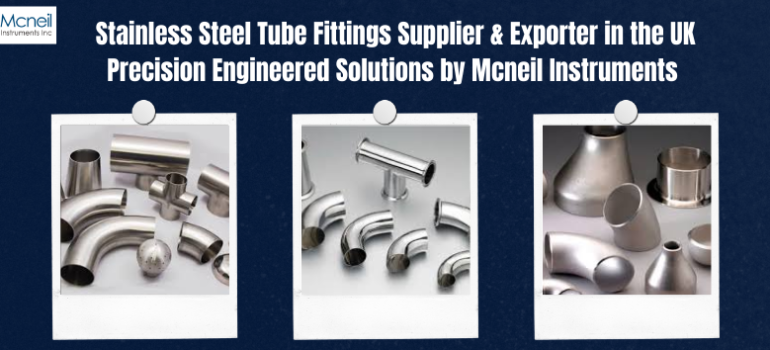
Stainless Steel Tube Fittings Supplier & Exporter in the UK — Precision Engineered Solutions by Mcneil Instruments

Introduction: Tube Fittings for Critical UK Industries

In the United Kingdom’s advanced industrial ecosystem — spanning oil and gas processing, offshore engineering, chemical and pharmaceutical production, power generation, water treatment, and manufacturing — precision components are vital to system performance. One such component is the tube fitting: a critical connector that ensures secure, leak-proof joins in fluid and gas systems.

Stainless steel tube fittings are specifically engineered to maintain integrity under high pressures, temperature variations, and corrosive conditions. They are widely used in instrumentation lines, process control systems, hydraulic circuits, offshore platforms, and industrial automation applications, where reliability and safety cannot be compromised.

As a trusted manufacturer, supplier, and exporter, Mcneil Instruments  delivers a comprehensive range of stainless steel tube fittings tailored to meet the exacting standards of the UK market, with compliance to international norms and full technical support for UK industrial projects.

What Are Stainless Steel Tube Fittings?

Tube fittings are mechanical connectors used to join tubing systems without welding. They feature precise manufacturing that allows:

  • Secure compression or ferrule sealing
  • High-pressure service
  • Repeated assembly and disassembly
  • Minimal leakage risk
  • Resistance to corrosion and temperature stress

In the UK, these fittings are commonly used for instrument tubing, sampling lines, pressure transmitters, process analyzers, and control systems. They also support stringent regulatory requirements in sectors such as chemical, pharmaceutical, and food processing.

Material Grades Supplied by Mcneil Instruments 

Mcneil Instruments  supplies stainless steel tube fittings in a broad selection of material grades to match the specific demands of UK industries:

Stainless Steel 304 Tube Fittings

  • General purpose grade
  • Excellent corrosion resistance in mild environments
  • Easy fabrication and formability

Stainless Steel 304L Tube Fittings

  • Low carbon variant of 304
  • Enhanced weldability and reduced sensitization
  • Ideal for fabricated assemblies

Stainless Steel 316 Tube Fittings

  • Contains molybdenum for improved chloride corrosion resistance
  • Widely used in chemical and marine applications

Stainless Steel 316L Tube Fittings

  • Low carbon variant optimized for welding and post-weld performance
  • Suitable for high-purity and hygienic installations

Stainless Steel 321 Tube Fittings

  • Stabilized with titanium
  • Enhanced resistance to intergranular corrosion
  • Ideal for high-temperature service

Stainless Steel 347 Tube Fittings

  • Stabilized with niobium
  • Excellent mechanical stability at elevated temperatures

Stainless Steel Duplex 2205 Tube Fittings

  • Mixed austenitic-ferritic structure
  • High strength and excellent chloride stress corrosion resistance
  • Ideal for offshore and harsh chemical applications

Stainless Steel Super Duplex 2507 Tube Fittings

  • Extremely high strength and corrosion resistance
  • Suitable for seawater, marine, and aggressive process environments

Stainless Steel 17-4PH Tube Fittings

  • Precipitation hardened grade
  • High strength and hardness, combined with corrosion resistance

Stainless Steel 15-5PH Tube Fittings

  • Another precipitation hardened grade
  • Offers improved toughness and strength in demanding service conditions

These materials are chosen based on service environment, corrosion exposure, pressure and temperature conditions, and regulatory compliance requirements within the UK.

Types of Tube Fittings Offered

Mcneil Instruments  provides a full suite of tube fitting types to support diverse UK industrial systems:

  • Compression Fittings
  • Ferrule Fittings
  • Union Fittings
  • Elbows (90°, 45°, 180°)
  • Tees & Crosses
  • Reducers
  • Adapters
  • Caps & Plugs
  • Specialty Machined Fittings

Each fitting is precision-machined and inspected to ensure consistent and reliable performance.


Specifications — Technical Details for UK Applications

Material Standards & Industry Compliance

StandardDescription
ASTM A312 / A269 / A213Stainless steel tubing standards
ISO 8434Metallic tube fittings for general industrial use
ASME B31.3Process piping compliance
BS EN StandardsEuropean and UK harmonized standards
API / ANSIApplicable where required (oil & gas and utilities)

Mcneil Instruments ’s fittings are manufactured in strict adherence to these recognized standards, ensuring compatibility and quality for UK project requirements.

Size & Connection Specifications

SpecificationDetails
Tube Outside Diameter (O.D.)1/8″ to 2″ (extended sizes on request)
Pressure RatingsUp to 6000 psi (depending on material and size)
Temperature RangeCryogenic to +982°C (depending on alloy)
Connection TypesCompression, Ferrule, Threaded
End FinishesPolypropylene caps, protective packaging

Mechanical Properties (Typical)

The table below provides representative mechanical properties of popular stainless steel tube fitting grades:

Material GradeTensile StrengthYield StrengthCorrosion Resistance
304≥ 515 MPa≥ 205 MPaGood
316≥ 515 MPa≥ 205 MPaVery High
Duplex 2205≥ 620 MPa≥ 450 MPaExcellent
Super Duplex 2507≥ 850 MPa≥ 620 MPaSuperior
17-4PH≥ 930 MPa≥ 720 MPaHigh
15-5PH≥ 860 MPa≥ 655 MPaHigh

Note: Exact values vary by grade and manufacturing tolerances; full Mill Test Certificates (MTCs) and detailed reports are supplied with each order.

Advantages of Stainless Steel Tube Fittings

Stainless steel tube fittings are preferred in UK projects for multiple reasons:

  • Excellent corrosion resistance, especially in marine, chemical, and offshore environments
  • High mechanical strength and durability
  • Reliable performance under high pressure and temperature conditions
  • Good weldability and fabrication adaptability
  • Reusability and ease of maintenance
  • Compatibility with instrumentation and process piping standards

These advantages make stainless steel fittings indispensable in industries requiring precision fluid control and process reliability.

Industrial Applications in the UK

Oil & Gas and Petrochemical Sector

Used in sampling lines, control instrumentation, and gas distribution networks where corrosion resistance and pressure performance are critical.

Power Generation

Supporting high-temperature and high-pressure loops such as steam probes, condensate return, and auxiliary systems.

Chemical and Process Plants

Used where aggressive media, acids, or chlorides are present.

Pharmaceutical and Food Processing

Hygienic and sterile systems depend on high-quality stainless steel tube fittings for contamination-free fluid delivery.

Marine and Offshore Engineering

Duplex and super duplex fittings are used in seawater cooling, platform process lines, and offshore support systems.

Quality Assurance, Testing & Certification

Mcneil Instruments ’s tube fittings undergo rigorous quality checks to ensure performance and compliance:

  • Material Test Certificates (EN 10204 3.1 / 3.2)
  • Positive Material Identification (PMI)
  • Hydrostatic and Leak Testing
  • Ultrasonic & Radiographic Non-Destructive Testing (NDT)
  • Dimensional and Visual Inspection
  • ISO 9001:2015 Certified Manufacturing

These certifications ensure reliability, traceability, and peace of mind for UK engineers, buyers, and project managers.

Why UK Buyers Choose Mcneil Instruments 

Global Manufacturer, Local Compliance

Mcneil Instruments  combines global production scale with full compliance to UK and European standards, ensuring products are suitable for UK infrastructure requirements.

Wide Material and Product Range

From standard stainless grades like 304 and 316 to premium alloys like duplex, super duplex, and precipitation-hardened grades, the range addresses diverse applications.

Custom Engineering Support

Technical assistance is available for designing custom fittings, selecting material grades, and aligning with project specifications.

Export Ready Supply

As a trusted exporter, Mcneil Instruments  handles documentation, logistics, and delivery to UK ports and job sites with reliability.

Quality and Traceability

Manufacturing transparency, certified quality control, and detailed test reports support project compliance and audit readiness.

Conclusion: High-Performance Tube Fittings for the UK Industrial Sector

Stainless steel tube fittings are more than connectors; they are essential components that support precision fluid delivery, safety, and reliability in critical industrial systems. Whether deployed in oil and gas, chemical processing, offshore engineering, power plants, or hygienic processing systems, these fittings must meet exacting standards.

By choosing Mcneil Instruments  as your manufacturer, supplier, and exporter of stainless steel tube fittings, UK businesses gain access to globally compliant, high-quality solutions engineered for performance, longevity, and safety.

Partner with Mcneil Instruments  for tube fittings that meet the demands of today’s industrial challenges and support the UK’s robust engineering landscape.

Read More
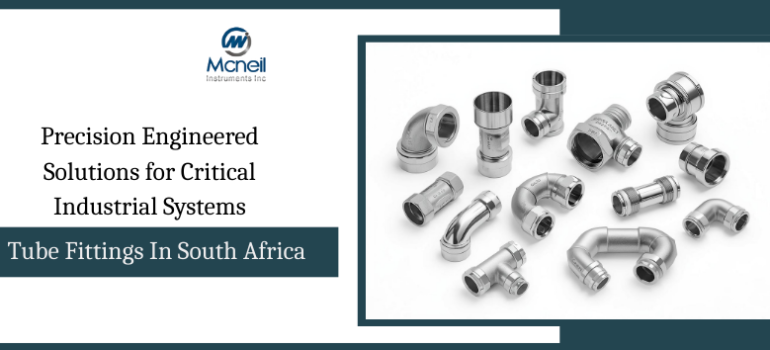
Industrial tube fittings play a critical role in maintaining safe, efficient, and durable tubing systems across South Africa’s key industries. Their performance directly impacts operational reliability and lifecycle costs. As a trusted manufacturer, supplier, and exporter, Mcneil Instruments delivers precision tube fittings engineered to meet South Africa’s demanding industrial environments—ensuring dependable performance, global compliance, and long-term value.

Tube Fittings in South Africa: Precision Connections for High-Performance Industrial Systems

Introduction: Supporting South Africa’s Industrial & Energy Growth

South Africa’s industrial landscape is driven by mining, oil & gas, petrochemicals, power generation, water treatment, and heavy manufacturing. These sectors operate under high pressure, temperature fluctuations, vibration, and corrosive environments—where even a minor leak can lead to safety risks, downtime, and financial loss.

In such critical systems, tube fittings are not simple accessories. They are precision-engineered components that ensure leak-tight connections, system integrity, and long-term operational reliability.

Mcneil Instruments, a trusted manufacturer, supplier, and exporter, delivers high-performance industrial tube fittings engineered to meet South African project requirements and international standards.

This blog provides a comprehensive overview of industrial tube fittings for South Africa, their types, materials, applications, and why Mcneil Instruments is a preferred global supply partner.


What Are Industrial Tube Fittings?

Tube fittings are mechanical components used to connect straight tubing sections, adapt tubing to threaded equipment, control flow direction, or terminate lines safely. Unlike welded joints, tube fittings allow easy installation, maintenance, and system modification without compromising performance.

In South Africa, industrial tube fittings are widely used in:

  • Oil & gas processing facilities

  • Mining slurry and hydraulic systems

  • Power plants and boiler auxiliaries

  • Chemical and petrochemical plants

  • Water treatment and desalination units

Mcneil Instruments manufactures tube fittings designed for high pressure, vibration resistance, and corrosion protection, ensuring dependable service across South African industries.


Types of Tube Fittings Supplied to South Africa

Each fitting type serves a specific functional role within tubing systems.

Double Ferrule Tube Fittings

Double ferrule fittings provide a strong mechanical grip and leak-proof seal, even under vibration and thermal cycling.

Typical applications in South Africa

  • Instrumentation lines

  • Hydraulic and pneumatic systems

  • Oil & gas control panels


Single Ferrule Tube Fittings

Single ferrule fittings offer simple installation and reliable sealing for moderate pressure systems.

Typical applications

  • Process tubing

  • Utility and auxiliary lines

  • Industrial fluid transfer systems


Tube Elbows, Tees & Crosses

These fittings help change flow direction or split lines while maintaining pressure integrity.

Typical applications

  • Process plants

  • Chemical distribution networks

  • Power station piping layouts


Tube Unions & Adapters

Used for connecting or transitioning between different tube sizes, threads, or systems.

Typical applications

  • Maintenance-friendly installations

  • Equipment connections

  • Retrofitting existing systems


Materials of Tube Fittings for South African Conditions

Material selection is critical due to corrosion, pressure, and temperature demands.

Mcneil Instruments supplies tube fittings in:

  • Stainless Steel (SS 304, 316, 316L) – corrosion resistance and strength

  • Alloy Steel – high pressure and temperature service

  • Carbon Steel – cost-effective industrial applications

  • Special Alloys – for aggressive chemical environments

These materials ensure long service life in coastal, mining, and high-temperature environments common across South Africa.


Key Standards & Specifications

All tube fittings supplied comply with international quality and performance benchmarks.

SpecificationDetails
Manufacturing TypePrecision Machined
Pressure RatingAs per ASTM / ASME standards
Tube Size Range1/8” to 2”
End ConnectionsCompression, NPT, BSP
FinishPickled, passivated, coated
StandardsASTM, ASME, ISO

Why Standards Matter in South African Projects

South African EPC contractors and industrial operators demand strict compliance to ensure safety and global acceptance.

Standards ensure:

  • Leak-free performance under pressure

  • Compatibility with international designs

  • Long-term system reliability

  • Acceptance in mining, oil & gas, and power projects

Mcneil Instruments provides full traceability, MTCs, and compliance documentation with every supply.


Applications of Tube Fittings in South Africa

  • Oil & Gas: instrumentation, sampling lines, control systems

  • Mining: hydraulic lines, slurry handling systems

  • Power Generation: auxiliary steam and fuel lines

  • Chemical & Petrochemical: high-pressure process tubing

  • Water Treatment: dosing and control tubing


Quality Control, Testing & Certification

Every tube fitting supplied undergoes stringent quality checks.

Testing includes

  • Dimensional inspection

  • Pressure and leak testing

  • PMI (Positive Material Identification)

  • Visual and surface finish inspection

Certifications

  • EN 10204 3.1 / 3.2

  • ASTM & ASME compliance

  • ISO 9001:2015 manufacturing standards


Mcneil Instruments: Tube Fittings Manufacturer, Supplier & Exporter to South Africa

Mcneil Instruments has built a reliable export network serving South African industries, EPC contractors, and distributors.

South Africa-focused supply advantages

  • Experience with African industrial standards

  • Export-ready packaging & documentation

  • Custom sizes and configurations

  • Consistent quality and timely delivery

  • Technical support for fitting selection


Future Outlook: Tube Fittings Demand in South Africa

With continued investment in mining expansion, energy projects, petrochemicals, and water infrastructure, demand for high-quality industrial tube fittings in South Africa will continue to rise. Leak-proof, precision-engineered fittings will remain essential for improving safety, efficiency, and plant uptime.


Conclusion: Precision Tube Fittings for South Africa’s Industrial Reliability

Industrial tube fittings play a critical role in maintaining safe, efficient, and durable tubing systems across South Africa’s key industries. Their performance directly impacts operational reliability and lifecycle costs.

As a trusted manufacturer, supplier, and exporter, Mcneil Instruments delivers precision tube fittings engineered to meet South Africa’s demanding industrial environments—ensuring dependable performance, global compliance, and long-term value.

Read More
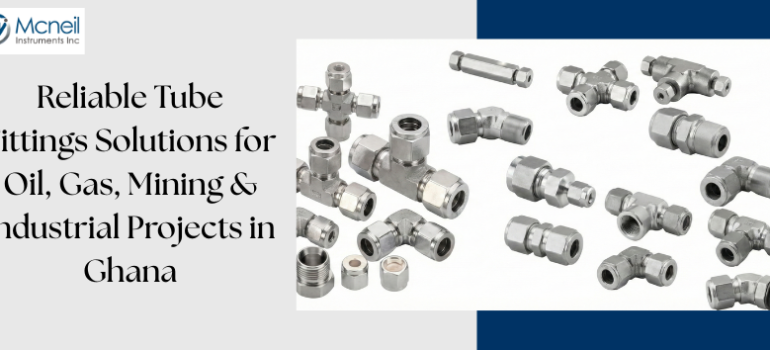
At Mcneil Instruments, we manufacture and supply high-performance tube fittings built to deliver exceptional sealing, corrosion resistance, and long-term durability even in the harshest industrial environments. As a trusted global exporter, we provide Ghanaian industries with engineered solutions that withstand extreme pressure, vibration, temperature variations, and corrosive working conditions.

Top Tube Fittings Manufacturer, Supplier & Exporter in Ghana | High-Performance Industrial Fittings | Mcneil Instruments

Introduction

Fluid transfer systems, hydraulic networks, and precision piping installations rely on one critical element — reliable tube fittings. Whether it’s oil & gas production in Takoradi, chemical processing in Tema, mining operations in Obuasi, or water treatment in Accra, the integrity of industrial systems depends heavily on the quality of their tube fittings.

At Mcneil Instruments, we manufacture and supply high-performance tube fittings built to deliver exceptional sealing, corrosion resistance, and long-term durability even in the harshest industrial environments. As a trusted global exporter, we provide Ghanaian industries with engineered solutions that withstand extreme pressure, vibration, temperature variations, and corrosive working conditions.

Designed with precision, manufactured under strict global standards, and tested for absolute reliability — Mcneil tube fittings ensure leak-proof performance for mission-critical applications.


What Are Tube Fittings?

Tube fittings are mechanical components used to connect, terminate, control, or change the direction of tubing in fluid or gas systems. They are essential for ensuring leak-proof, stable, and safe tubing connections across a wide range of industrial processes.

Mcneil Instruments manufactures tube fittings using premium materials such as Stainless Steel 304/316, brass, carbon steel, and alloy steel to meet the diverse requirements of Ghana’s evolving industrial sectors.

Key Functional Roles of Tube Fittings

  • Maintain a secure connection between tubes
  • Withstand high pressure and vibration
  • Provide corrosion-resistant sealing
  • Ensure uninterrupted fluid or gas flow
  • Improve system safety and efficiency

Our fittings are manufactured to global standards such as ASTM, ASME, DIN, ISO, and ANSI, making them compatible with international project specifications.


Types of Tube Fittings Offered by Mcneil Instruments in Ghana

We supply a comprehensive catalog of precision-engineered tube fittings, including:

Elbows (45° & 90°)

  • Enables smooth directional changes
  • Minimizes pressure loss and turbulence

Tees (Equal & Reducing)

  • Facilitates branching of pipelines
  • Ideal for distribution systems

Reducers

  • Connects tubes of different diameters
  • Ensures smooth flow transition

Couplings & Unions

  • Provides strong, secure, and easy-to-maintain joints
  • Useful for systems requiring frequent assembly/disassembly

Caps & Plugs

  • Offers reliable closure for tube ends
  • Prevents contamination or leakage

Crosses, Nipples & Custom Fittings

  • Specialized fittings for complex system layouts
  • Custom machined on request

Material Grades & Advantages

Mcneil Instruments uses high-grade metals specifically suited for Ghana’s humid, marine, and industrial environments.

Stainless Steel 304 / 316 / 316L

  • Outstanding corrosion resistance
  • Excellent hygienic properties
  • High-temperature stability

Brass Tube Fittings

  • Good machinability and sealing properties
  • Suitable for general low/medium pressure applications

Carbon Steel & Alloy Steel

  • High strength
  • Suitable for hydraulic and heavy-duty systems

Each material is carefully selected based on performance, durability, and environmental conditions.


Key Features and Performance Benefits

✔ Leak-Proof Sealing

Our double-ferrule and single-ferrule design options ensure tight, reliable sealing even under vibration and high pressure.

✔ High Corrosion Resistance

Perfect for coastal Ghana, marine operations, and chemical-laden environments.

✔ Superior Mechanical Strength

Withstands pressure surges, mechanical stress, and temperature fluctuations.

✔ Dimensional Precision

Seamless manufacturing ensures uniformity, smooth flow, and easy installation.

✔ Compatibility with International Systems

Designed to fit global instrumentation and process control systems.

✔ Long-Term Durability

Reduces maintenance costs and improves system reliability over years of service.


Manufacturing Excellence at Mcneil Instruments

Our manufacturing facilities combine advanced technology with metallurgical expertise to produce world-class tube fittings.

1. Raw Material Sourcing

We procure certified, high-purity metals from reputed global suppliers.

2. Precision Machining

CNC machining ensures perfect dimensional accuracy and surface finish.

3. Heat Treatment (as required)

Enhances mechanical strength and fatigue resistance.

4. Surface Treatment

Polishing, passivation, or protective coatings applied as per application needs.

5. Non-Destructive Testing (NDT)

Includes pressure testing, leakage tests, and dimensional inspections.

6. Final Inspection & Certification

Every fitting is thoroughly inspected to meet global standards before dispatch.


Technical Specifications

  • Standards: ASTM, ASME, ISO, DIN, ANSI
  • Material Options: SS 304/316, Brass, Carbon Steel, Alloy Steel
  • Size Range: 1/8″ to 2″ (custom options available)
  • Pressure Rating: Up to 6000 PSI depending on material & configuration
  • Thread Options: NPT, BSP, BSPT, UNF, Metric Threads

Applications of Tube Fittings in Ghana’s Industries

Mcneil tube fittings are widely used across Ghana’s major industrial sectors:

Oil & Gas (Onshore & Offshore)

  • Refinery pipelines
  • Instrumentation tubing
  • Hydrocarbon transfer systems

Mining & Mineral Processing

  • High-pressure slurry transfer
  • Chemical handling lines

Chemical & Petrochemical Plants

  • Corrosive chemical transport
  • High-temperature systems

Water Treatment & Desalination

  • Chlorine-resistant fittings
  • Filtration & RO systems

Marine & Shipbuilding

  • Saltwater-resistant tube fittings

Food, Beverage & Pharmaceutical

  • Hygienic, easy-to-clean stainless steel fittings

Power Generation

  • Control lines, cooling cycles, and steam support systems

Testing & Quality Assurance

We follow a comprehensive quality management system to ensure reliability:

  • Hydrostatic Pressure Test
  • Pneumatic Leak Test
  • Ferrule Tightness Test
  • Tensile & Hardness Testing
  • Positive Material Identification (PMI)
  • Dimensional Accuracy Check
  • Surface Finish Inspection

All fittings are supplied with Mill Test Certificates (MTC 3.1 / 3.2) as required.


Why Choose Mcneil Instruments for Tube Fittings in Ghana?

🔹 Full Range of Fittings Under One Roof

From elbows to unions to specialty items.

🔹 Global Standards, Local Relevance

Designed for Ghana’s industrial climate.

🔹 Customized Sizes & Configurations

Built according to project specifications.

🔹 Fast Export Support

Quick logistics, export-ready packaging, and global delivery.

🔹 Engineering Expertise

Experienced team with strong industry knowledge.

🔹 Long-Term Performance & Safety

Our fittings reduce leakage, downtime, and maintenance cost.


Maintenance & Handling Guidelines

To maximize performance:

  • Store fittings in a clean, dry place
  • Avoid abrasive cleaning agents
  • Use proper alignment tools during installation
  • Inspect periodically for wear or corrosion
  • Replace ferrules as recommended for high-pressure systems

Proper handling ensures long service life and reliable operation.


Conclusion

Tube fittings may appear small, but their impact on industrial performance is massive. In Ghana — a country advancing in oil, mining, energy, and chemical processing — reliable tube fittings are crucial for maintaining safety, efficiency, and operational continuity.

With Mcneil Instruments, you gain access to globally engineered, certified, and precision-built tube fittings that meet the most demanding service conditions.

When your systems require quality, consistency, and confidence, Mcneil Instruments delivers.


Frequently Asked Questions (FAQ)

1. Which industries in Ghana use tube fittings?

Oil & gas, petrochemical, mining, marine, water treatment, power generation, food processing, and pharmaceuticals.

2. Do you offer stainless steel tube fittings?

Yes — SS 304, 316, and 316L fittings are available.

3. Can Mcneil manufacture custom fittings?

Absolutely — custom shapes, threads, and sizes can be provided on request.

4. What pressure ratings are available?

Up to 6000 PSI depending on the material and configuration.

5. Do your fittings meet international standards?

Yes — all fittings comply with ASTM, ASME, ANSI, and DIN specifications.

Read More