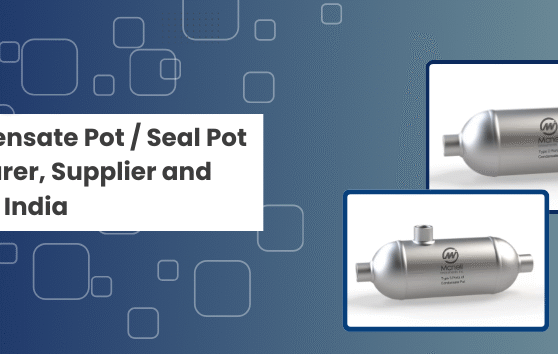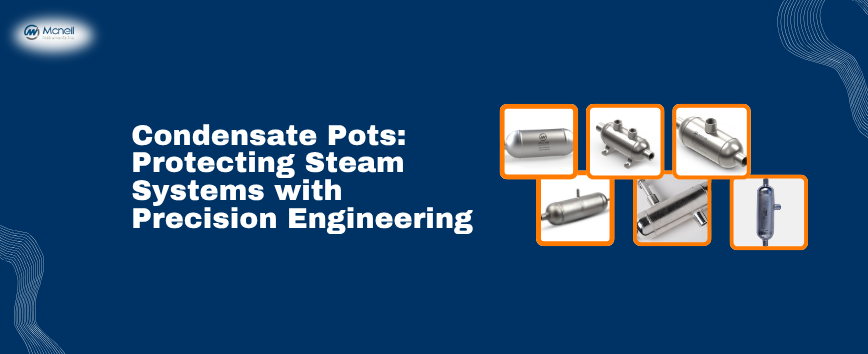
Steam systems are critical to many industrial processes: power generation, chemical plants, food processing, pharmaceuticals, and more. One frequently underestimated component is the condensate pot, also called a steam trap pot or dirt pocket. Far from a trivial accessory, a well‑designed condensate pot can dramatically improve system efficiency, reliability, and safety.
Mcneil Instruments, a trusted manufacturer, supplier, and exporter in India, offers precision-engineered condensate pots and accessories designed for harsh industrial conditions and informed steam system design.
What Is a Condensate Pot and Why Does It Matter?
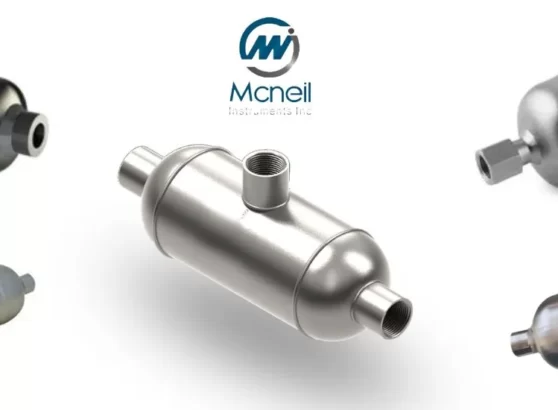
A condensate pot is a small vessel installed just upstream of steam-using equipment (like pressure-reducing valves, steam traps, or control valves) to collect condensate, dirt, and moisture before the steam enters sensitive components. Its primary functions include:
- Slowing steam velocity to allow condensate and particulates to drop out of the steam stream
- Preventing water or debris from entering valves or instrumentation, avoiding water hammer, erosion, or damage
- Acting as a buffer during startup and process fluctuations
Without a condensate pot, steam quality degrades leading to scale buildup, mechanical wear, inaccurate pressure readings, and costly downtime.
How Condensate Pots Work
A condensate pot functions as a low-point sump in the steam line. Here’s a simplified breakdown:
- Steam enters the pot, carrying moisture and solid particles.
- Flow slows down as the cross-section increases.
- Water droplets condense and fall to the bottom; solids settle.
- The steam outlet at the top allows dry steam to continue to downstream equipment.
- Periodic blowdown (manual or automated) removes accumulated water and debris.
Many systems include a blowdown valve, a manual drain, or a continuous blowdown arrangement, ensuring that the pot doesn’t overflow. This maintenance reduces risks of system damage or process inefficiencies.
Types of Condensate Pots
| Type | Application | Typical Use |
| Basic Barrel Pot | General steam systems with moderate flow rates | Ideal for refineries, HVAC, and low-pressure steam loops |
| Safety Pot (with Gauge) | Systems needing rapid diagnosis and pressure control | Petrochemical, high-temperature steam systems |
| Instrument Pot | Protection of pressure transmitters and sensors | Instrumentation isolation and consistent readings |
| High-Capacity Pot | High condensate load, fluctuating flow regimes | Utilities, large process plants, boiler feed lines |
Material & Design Considerations
- Material Selection: Mcneil Instruments offers condensate pots in carbon steel, stainless steel (316/304), or exotic alloys (e.g., Inconel) for corrosive or high-temperature environments.
- Pressure and Class Rating: Design to ASME or ASTM pressure class aligned with the main steam line Class 150, 300, 600, etc.
- Drain Options: Support for manual valve, automatic float-type drain, or continuous blowdown packages.
- Dimensions & Installation: Vertical orientation with adequate height below the lowest instrumentation connection to allow full drainage.
- Surface Finishes: Internal polishing to prevent scaling; external finish to resist corrosion in outdoor or harsh plant conditions.
Applications Where Condensate Pots Are Critical
- Pressure-Reducing Stations: Dry steam improves valve control and longevity.
- Steam Traps and Tracer Lines: Prevents condensate return from large or distant headers.
- Instrumentation Protection: Ensures sensors and transmitters receive dry, clean steam.
- Heat Exchangers & Traps: Improves heat transfer efficiency and avoids thermal shock.
Why Mcneil Instruments for Condensate Pots
Mcneil Instruments brings engineering rigor and product reliability to condensate pot design and delivery:
- Engineering Expertise: We collaborate with plant engineering teams to size and configure condensate pots correctly aligning with pressure classes, condensate volumes, and instrumentation layout.
- Custom Fabrication: From small instrument pots (small bore) to high-flow pots for major lines, each unit is built to spec.
- Quality Assurance: Each condensate pot is pressure-tested, blowdown-tested, and supplied with mill test certificates, IBR approval, and optional third-party inspection documentation.
- Global Reach & Support: With export services to Saudi Arabia, Qatar, Nigeria, Singapore, Malaysia, Brazil, Ghana, and the US, Mcneil ensures timely delivery and compliance.
- Technical Support: Pre‑sales process design support, blowdown interval recommendations, material selection advice, and after-sales inspection guidelines are part of our offering.
Installation & Maintenance Best Practices
- Install permanently in a vertical orientation, at a low point in the line, with clean access to drains.
- Use a blowdown valve that is sized to allow rapid dumping but prevents steam loss.
- Match instrumentation taps carefully ensure they’re above the 80% fluid‑level mark inside the pot.
- Schedule regular blowdown intervals, based on load and condensate formation.
- Consider insulating pots in cold environments to prevent external condensation.
Impact on System Efficiency and Safety
A properly designed condensate pot enhances overall system reliability:
- Extends lifetime of control valves and steam isolation devices
- Prevents water hammer and associated damage
- Maintains accurate instrumentation readings
- Helps sustain process efficiency in heat exchange and condensation systems
Investing in condensate pots is a low-cost but high-impact decision in steam efficiency management.
Conclusion
For engineers and procurement teams seeking reliability in steam infrastructure, condensate pots are essential but often under-specified. At Mcneil Instruments, we provide a complete portfolio of high-quality condensate pots tailored to variable industrial needs combining precise engineering, certified manufacturing, and global delivery.
To minimize downtime, improve efficiency, and protect critical components, reach out to Mcneil Instruments today. We can help design the ideal condensate solution for your steam system needs.