Across industries such as oil & gas, power generation, petrochemicals, chemical processing, water treatment, and heavy engineering, pipelines act as the lifelines of production. These pipelines carry high-temperature steam, corrosive chemicals, crude oil, gas, and other critical fluids — and their reliability depends heavily on the quality of fittings installed.
Among all piping components, Alloy Steel ASTM A182 Pipe Fittings stand out as essential connectors that ensure leak-proof flow, structural strength, and long-term durability — especially in high-pressure, high-temperature, and corrosive environments.
For industries operating under extreme conditions, choosing the right fittings is not just a performance decision, but a safety imperative.
Mcneil Instrument, a trusted manufacturer, supplier, and exporter, delivers ASTM A182 alloy steel fittings engineered to global standards — making them a strong choice for projects that demand toughness, corrosion resistance, and lifecycle reliability.
What Are ASTM A182 Alloy Steel Pipe Fittings — and Why Do They Matter?
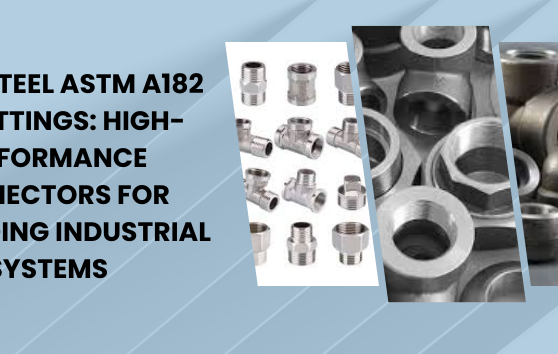
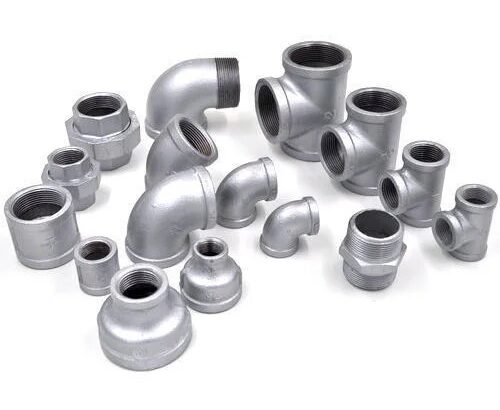
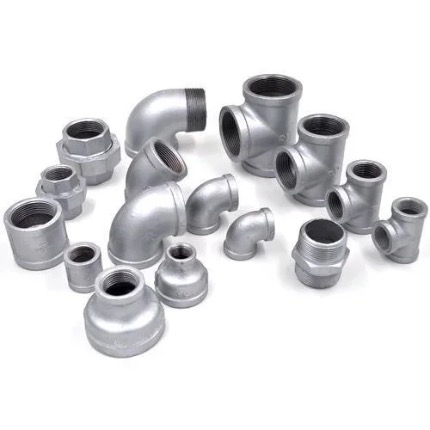
ASTM A182 is the international specification that covers forged or rolled alloy steel materials used in high-temperature service. Fittings such as elbows, tees, reducers, caps, unions, and couplings manufactured under this standard are designed to handle:
✔ High pressure
✔ Elevated temperatures
✔ Corrosive or chemically aggressive media
✔ Mechanical stress and thermal cycling
These fittings are installed to change the direction of flow, branch piping lines, reduce diameter, or seal pipe ends — all while maintaining mechanical integrity under harsh conditions.
Key Advantages of Using Alloy Steel ASTM A182 Pipe Fittings
1. High Strength Under Pressure
Forged alloy steel provides excellent tensile strength, making these fittings ideal for pipelines handling steam, hydrocarbons, or high-pressure process fluids.
2. Superior Temperature Resistance
Alloy steel grades under ASTM A182 retain their mechanical properties even when exposed to extreme temperatures, preventing deformation or failure.
3. Excellent Corrosion & Oxidation Resistance
Chromium-molybdenum alloy steels resist corrosion in chemical plants, refineries, offshore units, boilers, and heat-intensive systems.
4. Longer Lifecycle & Lower Maintenance
Due to better metallurgical stability, these fittings last significantly longer than standard carbon steel fittings — reducing plant downtime and maintenance costs.
5. Dimensional Accuracy & Leak-Proof Performance
Forged fittings offer tight tolerances and reliable sealing, which is critical for safety in high-risk industrial environments.
Types of ASTM A182 Alloy Steel Pipe Fittings (and Where They Are Used)
Mcneil Instrument offers a complete range of forged and butt-weld fittings compliant with ASTM A182. Below is an overview of the most commonly used fittings:
| Fitting Type | Key Characteristics | Best-Suited Applications |
| Elbows (45° / 90°) | Change direction of flow; smooth radius minimizes pressure drop | Steam lines, refinery heaters, high-pressure chemical lines |
| Tees (Equal / Unequal) | Allow branching of pipelines | Petrochemical grids, boiler systems, power generation |
| Reducers (Concentric / Eccentric) | Connect pipes of different diameters | Pump discharge lines, process piping, compressed air systems |
| Caps | Seal the pipe end | Testing lines, isolation points, shutdown maintenance |
| Couplings & Unions | Join two pipes; allow easy disassembly | Instrumentation, small bore piping, maintenance-heavy systems |
| Socket-Weld & Threaded Fittings | Provide strong mechanical joints for small-diameter lines | Hydraulic lines, high-pressure chemical service |
These fittings are used extensively in industries where temperature, pressure, and corrosion challenges demand superior material performance.
Why ASTM A182 Material Grade Selection Matters
Different alloy steel grades (such as F1, F5, F9, F11, F22, F91) offer varying levels of:
● temperature stability
● creep resistance
● corrosion protection
● pressure-handling capability
For example:
● F11 / F22 → widely used in refineries, boilers, and petrochemical plants
● F5 / F9 → preferred in power generation and high-temperature steam systems
● F91 → used in ultra-supercritical systems due to exceptional high-temperature strength
Selecting the correct grade ensures safe operation, longer life, and compliance with engineering standards.
Why Quality Matters — Especially in High-Performance Piping
Using substandard fittings can lead to:
⚠ Leaks and pressure drops
⚠ Corrosion failures
⚠ Pipeline shutdowns
⚠ Safety hazards
⚠ Expensive downtime
High-pressure and high-temperature industries cannot afford these risks.
Mcneil Instrument manufactures fittings using advanced forging, heat treatment, and machining processes to ensure:
● Uniform grain structure
● Dimensional precision
● Mechanical strength
● Compliance with ASTM / ASME / ISO standards
Each batch is supplied with Material Test Certificates (MTCs)for full traceability.
Mcneil Instrument: Trusted Supplier of ASTM A182 Alloy Steel Fittings
Here’s what sets Mcneil Instrument apart as a global supplier:
Butt-weld, forged socket weld, threaded fittings — all available in ASTM A182 alloy grades.
Fittings manufactured using controlled forging, machining, and heat-treatment processes to ensure durability.
Includes F1, F5, F9, F11, F22, F91 — covering all major industrial needs.
Well-versed in handling packaging, documentation, and logistics — making procurement smooth for international buyers.
Serving oil & gas, power plants, steam systems, chemical processing, water treatment, and infrastructure projects.
What Engineers Should Consider When Ordering Alloy Steel Fittings
Before specifying ASTM A182 fittings, engineers should check:
1. Required grade (F11, F22, etc.) based on temperature + pressure.
2. Fitting type according to pipeline design (elbows, tees, reducers, etc.).
3. Pressure rating for socket-weld/threaded fittings.
4. Welding or assembly requirements (butt weld vs forged).
5. Corrosion resistance requirements depending on media.
6. Documentation needs — MTCs, compliance certificates.
7. Supplier capability for bulk supply and timely delivery.
Mcneil Instrument supports clients across all stages — from selection to delivery.
Conclusion — High-Quality Alloy Steel Fittings are Vital for Safe, Efficient Piping Systems
ASTM A182 Alloy Steel Pipe Fittings play a central role in maintaining the safety, reliability, and performance of industrial pipelines. Their ability to handle heat, pressure, corrosion, and mechanical stress makes them indispensable in today’s demanding industrial environments.
Choosing a reliable manufacturer like Mcneil Instrumentensures:
● Verified material quality
● Precision manufacturing
● Global compliance
● Long-term durability
When industrial integrity and performance matter, high-quality alloy steel fittings are not optional — they are essential.