From 304 to 347: Understanding Stainless Steel Pipe Fitting Grades for Reliable Industrial Piping

Introduction: The Importance of Stainless Steel Pipe Fittings in Industrial Systems

In modern industrial piping networks, pipe fittings play a crucial role in ensuring the efficient and safe transportation of fluids, gases, and chemicals. These components are responsible for connecting pipelines, redirecting flow, reducing pipe diameters, or sealing the end of pipelines. From oil refineries and petrochemical plants to food processing units, power plants, pharmaceutical facilities, and water treatment systems, reliable pipe fittings are essential for maintaining system integrity.

Among various stainless steel grades available in the market, Stainless Steel 304 pipe fittings are one of the most widely used due to their excellent balance of corrosion resistance, mechanical strength, weldability, and cost efficiency. Stainless Steel 304 belongs to the austenitic stainless steel family, which is known for its durability and resistance to oxidation and corrosion in many environments.

While SS 304 is widely used in industrial applications, other stainless steel grades such as 304L, 316, 316L, 321, and 347 are also important alternatives, especially when higher corrosion resistance or better performance in high-temperature environments is required. Understanding the properties and differences between these grades helps engineers and procurement specialists select the most suitable material for their specific piping applications.

This article explores Stainless Steel 304 pipe fittings in detail, including their composition, mechanical properties, industrial applications, and comparison with related stainless steel grades.

What Are Stainless Steel 304 Pipe Fittings?

Stainless Steel 304 pipe fittings are components used to join pipes and tubing in piping systems while maintaining structural strength and corrosion resistance. These fittings are typically manufactured according to standards such as ASTM A403 / ASME SA403, which define specifications for austenitic stainless steel pipe fittings.

Pipe fittings are available in a wide variety of shapes and configurations to accommodate different piping system designs. The most commonly used types include:

● Elbows – used to change the direction of fluid flow

● Tees – used to split or combine flow within a pipeline

● Reducers – used to connect pipes of different diameters

● Stub ends – used with lap joint flanges for easier assembly

● Caps – used to seal the end of a pipeline

● Cross fittings – used where four pipes intersect

These fittings are produced using forging, machining, or welding processes to ensure durability and dimensional accuracy.

Chemical Composition of Stainless Steel 304

The performance of Stainless Steel 304 pipe fittings largely depends on their chemical composition. The alloy contains chromium and nickel as its primary elements, which provide corrosion resistance and structural stability.

ElementTypical Composition (%)
Chromium (Cr)18 – 20
Nickel (Ni)8 – 11
Carbon (C)≤ 0.08
Manganese (Mn)≤ 2
Silicon (Si)≤ 1
Phosphorus (P)≤ 0.045
Sulfur (S)≤ 0.03

Chromium forms a passive oxide layer on the metal surface that protects it from corrosion, while nickel enhances toughness and ductility.

Mechanical Properties of Stainless Steel 304 Pipe Fittings

The mechanical strength and structural reliability of SS 304 pipe fittings make them suitable for a wide range of industrial conditions.

PropertyTypical Value
Tensile Strength≥ 515 MPa
Yield Strength≥ 205 MPa
Elongation≥ 40%
Hardness≤ 201 HB
Density8 g/cm³

Stainless Steel 304 exhibits excellent ductility and toughness, even at low temperatures, making it suitable for demanding industrial environments.

Key Advantages of Stainless Steel 304 Pipe Fittings

Strong Corrosion Resistance

The chromium content in SS 304 forms a protective oxide layer that shields the material from corrosion caused by moisture, chemicals, and atmospheric exposure.

Excellent Weldability

SS 304 fittings can be easily welded using common welding techniques such as TIG, MIG, and arc welding without significantly affecting the metal’s mechanical properties.

High Strength and Durability

The austenitic microstructure of SS 304 provides excellent toughness and resistance to cracking or mechanical stress.

Hygienic Surface Finish

The smooth surface of stainless steel makes it ideal for industries that require sanitary conditions, including food processing and pharmaceutical manufacturing.

Versatile Industrial Use

Because of its balanced properties, SS 304 pipe fittings are used in numerous industries worldwide.

Technical Specifications of Stainless Steel 304 Pipe Fittings

SpecificationDetails
StandardASTM A403 / ASME SA403
GradeWP304
Size Range½″ to 48″ NB
Wall ThicknessSCH 10 to SCH XXS
Manufacturing TypeSeamless / Welded
Connection TypeButt Weld, Threaded, Socket Weld
Pressure StandardASME B16.9 / B16.11

These specifications ensure compatibility with standard piping systems used across global industries.

Industrial Applications of Stainless Steel 304 Pipe Fittings

Stainless Steel 304 pipe fittings are widely used across multiple sectors because they offer durability, corrosion resistance, and reliability.

Oil and Gas Industry

Used in pipelines, refineries, and offshore platforms for transporting hydrocarbons and process fluids.

Food and Beverage Processing

SS 304 is suitable for hygienic piping systems used in food manufacturing and beverage processing plants.

Chemical Processing Plants

Resistant to many chemicals and solvents, making it suitable for process piping systems.

Pharmaceutical Industry

Maintains sanitary conditions required for pharmaceutical production facilities.

Water Treatment Systems

Used in pipelines for potable water and wastewater treatment plants.

Other Important Stainless Steel Pipe Fitting Grades

Although SS 304 is one of the most commonly used stainless steels, other grades are often selected for specific environments or operating conditions.

Stainless Steel 304L Pipe Fittings

304L is the low-carbon version of SS 304, designed to minimize carbide precipitation during welding.

Key Characteristics

● Improved weldability

● Reduced risk of intergranular corrosion

● Similar corrosion resistance to SS 304

Applications

● Chemical tanks

● Welded pipelines

● Process piping systems

Stainless Steel 316 Pipe Fittings

SS 316 contains molybdenum, which significantly enhances resistance to corrosion, particularly in chloride environments.

Key Characteristics

● Superior corrosion resistance

● Better performance in marine environments

Applications

● Marine piping systems

● Offshore platforms

● Chemical processing plants

Stainless Steel 316L Pipe Fittings

316L is the low-carbon version of SS 316, offering improved weldability and corrosion resistance.

Applications

● Pharmaceutical processing systems

● Pressure vessels

● Chemical transport pipelines

Stainless Steel 321 Pipe Fittings

SS 321 contains titanium stabilizers that improve its resistance to high-temperature oxidation and carbide precipitation.

Applications

● Heat exchangers

● High-temperature piping systems

● Aerospace applications

Stainless Steel 347 Pipe Fittings

SS 347 is stabilized with niobium, which enhances resistance to intergranular corrosion at elevated temperatures.

Applications

● Thermal power plants

● Petrochemical reactors

● High-temperature steam pipelines

Comparison of Stainless Steel Grades

GradeAlloy ElementKey AdvantageTypical Applications
304Chromium + NickelGeneral corrosion resistanceFood, water, piping
304LLow carbonImproved weldabilityChemical pipelines
316MolybdenumSuperior corrosion resistanceMarine systems
316LLow carbon + MoBetter corrosion resistancePharmaceutical
321TitaniumHigh-temperature stabilityAerospace
347NiobiumResistance to intergranular corrosionPower plants

Quality Testing of Stainless Steel Pipe Fittings

To ensure reliability and compliance with international standards, stainless steel pipe fittings undergo several quality checks.

Typical testing procedures include:

● Chemical composition testing

● Mechanical strength testing

● Hydrostatic pressure testing

● Ultrasonic and radiographic inspection

● Positive Material Identification (PMI)

● Dimensional inspection

These testing methods ensure the fittings meet required industrial specifications and safety standards.

Conclusion

Stainless Steel 304 pipe fittings continue to be one of the most widely used components in industrial piping systems due to their excellent corrosion resistance, strength, weldability, and versatility. Their ability to perform effectively across a wide range of industries makes them a reliable choice for many piping applications.

However, in environments where higher corrosion resistance, improved weldability, or better high-temperature performance is required, alternative stainless steel grades such as 304L, 316, 316L, 321, and 347 may be preferred.

Understanding the differences between these grades allows engineers and procurement professionals to select the most suitable material, ensuring long-lasting performance, operational safety, and efficiency in industrial piping systems.
Read More

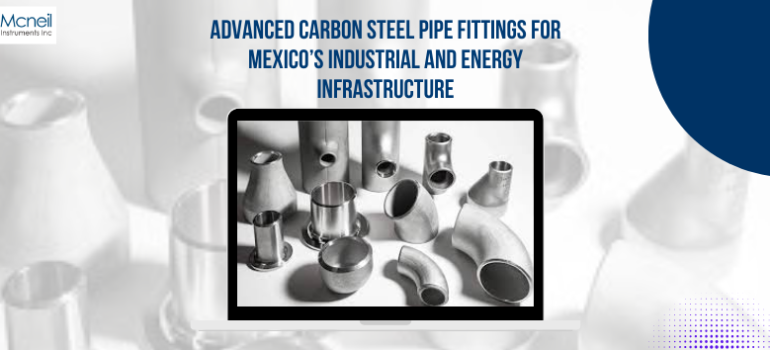
Advanced Carbon Steel Pipe Fittings for Mexico’s Industrial and Energy Infrastructure

Material Science, Specifications, and Application Insights

Introduction: Engineering Strength into Mexico’s Piping Systems

Across Mexico’s expanding industrial ecosystem — from offshore oil platforms in the Gulf of Mexico to petrochemical complexes, power plants, automotive manufacturing hubs, and municipal infrastructure — piping systems serve as the circulatory network of operations. The performance of these systems depends not only on pipes but on the integrity of their connecting elements: pipe fittings.

Carbon steel pipe fittings remain one of the most widely specified solutions for industrial piping due to their mechanical strength, weldability, cost efficiency, and structural reliability. When manufactured according to ASTM and ASME standards, these fittings provide predictable performance under pressure, temperature fluctuations, and mechanical stress.

As a trusted manufacturer, supplier, and exporter, Mcneil Instruments  delivers ASTM-compliant carbon steel pipe fittings engineered to support Mexico’s energy, infrastructure, and industrial development.

This blog explores the theoretical foundations of carbon steel as a material, explains major ASTM grades, presents technical specifications, and highlights their industrial relevance within Mexico.

Theoretical Foundations of Carbon Steel

Carbon steel is fundamentally an alloy of iron and carbon, where carbon content directly influences strength, hardness, and ductility. The interaction between carbon atoms and iron’s crystalline lattice structure enhances tensile strength by restricting dislocation movement, increasing resistance to deformation under stress.

Classification by Carbon Content

Carbon steels are typically categorized into:

  • Low Carbon Steel (0.05–0.30% C)
    High ductility, good weldability, commonly used in piping systems
  • Medium Carbon Steel (0.30–0.60% C)
    Higher strength with moderate ductility
  • High Carbon Steel (0.60–1.00% C)
    Increased hardness but reduced weldability

Industrial pipe fittings primarily use low to medium carbon steels, ensuring structural strength without compromising fabrication flexibility.

The addition of trace elements such as manganese improves toughness, while controlled sulfur and phosphorus levels prevent brittleness and cracking — essential for pressure-retaining components.

What Are Carbon Steel Pipe Fittings?

Carbon steel pipe fittings are engineered components that:

  • Change pipeline direction (elbows)
  • Split or combine flow (tees and crosses)
  • Adjust pipe diameter (reducers)
  • Seal pipeline ends (caps and plugs)
  • Connect different systems (adapters and couplings)

In high-pressure systems, fittings must maintain dimensional precision and metallurgical integrity to prevent leakage or mechanical failure. Carbon steel’s balance of strength and ductility makes it an optimal material for such structural applications.

Key ASTM Grades and Their Technical Significance

Carbon steel pipe fittings are manufactured according to internationally recognized ASTM standards. Each grade corresponds to specific chemical composition limits, heat treatment requirements, and mechanical properties.

ASTM A105 Pipe Fittings

  • Forged carbon steel
  • Designed for high-pressure and elevated-temperature service
  • Commonly used in refineries and steam lines

A105 offers strong pressure resistance with reliable weldability, making it suitable for critical connections.

ASTM A234 WPB Pipe Fittings

  • Wrought carbon steel for butt-weld applications
  • Suitable for moderate temperature systems
  • Widely specified in industrial process piping

WPB remains one of the most versatile grades in general-purpose industrial systems.

ASTM A234 WP11 Pipe Fittings

  • Chromium-molybdenum alloyed steel
  • Improved high-temperature oxidation resistance
  • Used in thermal and power systems

Alloy additions increase creep strength and durability under sustained heat exposure.

ASTM A234 WP22 Pipe Fittings

  • Higher chromium and molybdenum content
  • Enhanced creep resistance
  • Suitable for boilers and superheater applications

WP22 delivers greater performance in elevated temperature service.

ASTM A234 WP91 Pipe Fittings

  • High-alloy chromium-molybdenum steel with vanadium and niobium
  • Designed for extreme pressure and temperature environments
  • Used in advanced thermal power and refinery systems

WP91 demonstrates superior long-term stability and fatigue resistance.

Technical Specifications and Compliance

Carbon steel pipe fittings supplied by Mcneil Instruments  meet global engineering standards, ensuring safe integration into Mexican industrial systems.

CategorySpecification
Material StandardsASTM A105, ASTM A234 WPB/WP11/WP22/WP91
Dimensional StandardsASME B16.9, ASME B16.11
Pressure Classes150 to 2500
Manufacturing TypesSeamless, Welded, Forged
Size Range1/8″ to 48″ NB
TestingHydrostatic, PMI, UT, RT
CertificationISO 9001:2015, EN 10204 3.1/3.2

These standards ensure compatibility with globally engineered systems used in Mexico’s industrial facilities.

Mechanical Performance Overview

PropertyA105 / WPBWP11 / WP22WP91
Tensile Strength~415 MPa~415 MPa~585 MPa
Yield Strength~205–240 MPa~205 MPa~415 MPa
Elongation≥ 22%≥ 20%≥ 20%
Hardness≤ 197 HB≤ 200 HB≤ 250 HB
Thermal StabilityModerateHighVery High

The progression from A105 to WP91 reflects increasing resistance to temperature-induced creep and pressure-induced stress.

Industrial Relevance in Mexico

Mexico’s industrial growth has increased demand for reliable piping components in:

Oil & Gas and Refining

Carbon steel fittings connect pipelines, separators, and process units in onshore and offshore facilities.

Power Generation

Steam lines, boiler feedwater systems, and turbine circuits rely on high-strength carbon steel fittings.

Petrochemical Manufacturing

Process piping systems handling hydrocarbons and industrial chemicals depend on durable welded connections.

Infrastructure and Utilities

Municipal water treatment and industrial utilities utilize carbon steel fittings for reliable service at moderate pressure.

Manufacturing and Fabrication

Industrial assembly lines and plant utilities incorporate carbon steel fittings for structural reliability.

Representative Weight Chart for Planning

NPSOD (mm)SCH 40 Weight (kg/m)SCH 80 Weight (kg/m)
1/2″21.32.022.63
1″33.43.655.03
2″60.39.2713.09
4″114.327.739.9
6″168.356.389.2

Weight data assists engineers in load calculations and structural support planning.

Quality Control and Testing Procedures

Mcneil Instruments  applies rigorous quality assurance practices to all carbon steel pipe fittings exported to Mexico:

  • Chemical composition verification
  • Tensile and yield strength testing
  • Ultrasonic and radiographic inspection
  • Hydrostatic pressure testing
  • Positive Material Identification
  • Dimensional inspection and documentation

These procedures ensure compliance with project specifications and engineering codes.

Why Carbon Steel Remains a Preferred Material in Mexico

Carbon steel pipe fittings offer:

  • High structural strength
  • Economical installation and lifecycle cost
  • Excellent weldability
  • Compatibility with standard carbon steel pipelines
  • Conformance to ASTM and ASME standards

For many industrial applications in Mexico, carbon steel represents the optimal balance between performance and cost.

Why Choose Mcneil Instruments 

As an experienced manufacturer, supplier, and exporter, Mcneil Instruments  supports Mexico’s industrial sector with:

  • Full range of ASTM carbon steel grades
  • Consistent quality control
  • Complete material traceability
  • Export documentation and compliance support
  • Technical assistance for specification alignment
  • Custom production capabilities

Conclusion: Reliable Carbon Steel Solutions for Mexico’s Industrial Progress

Carbon steel pipe fittings play a central role in ensuring the mechanical and operational integrity of industrial piping systems. From general-purpose installations to high-pressure and elevated-temperature applications, ASTM-compliant carbon steel fittings provide predictable performance and structural reliability.

By combining metallurgical precision with international standards compliance, Mcneil Instruments  delivers carbon steel pipe fittings that support Mexico’s industrial growth — ensuring durability, safety, and long-term operational efficiency.

Read More
From high-pressure pipe fittings to corrosion-resistant tubes and advanced valve fittings, Mcneil Instruments delivers precision-engineered industrial components tailored for the Netherlands’ industrial sector. Our solutions are designed for offshore durability, chemical resistance, high performance, and operational safety. For industries seeking reliability, quality, and long-term value — Mcneil Instruments is your trusted partner in the Netherlands.

Industrial Pipe Fittings, Tubes, Tube Fittings & Valve Fittings in the Netherlands

Advanced Flow Control & Piping Solutions by Mcneil Instruments Powering the Netherlands’ Industrial & Energy Sector with Precision Engineering

The Netherlands is one of Europe’s strongest industrial and logistics hubs. From Rotterdam’s oil terminals and offshore energy platforms to chemical processing plants, shipbuilding yards, water management systems, and advanced manufacturing facilities — the country depends on reliable, corrosion-resistant, and high-performance piping systems.

Behind every safe and efficient industrial operation are four essential components:

Mcneil Instruments is a trusted manufacturer, supplier, and exporter of these industrial components in the Netherlands, delivering durable, high-pressure, and corrosion-resistant solutions built for demanding European standards.

This detailed guide combines complete information from all Netherlands product categories into one comprehensive industrial overview.


1. Pipe Fittings in the Netherlands – Strengthening Industrial Pipeline Networks

What Are Pipe Fittings?

Pipe fittings are mechanical connectors used to join pipes, change flow direction, reduce or expand diameter, and create branch connections within a piping system. They are critical in large-scale industrial infrastructure.

In a country like the Netherlands — where offshore oil, gas, and marine industries are prominent — pipe fittings must withstand pressure fluctuations, saltwater exposure, and harsh environmental conditions.


Types of Pipe Fittings Supplied

1.1 Elbows

  • 90° and 45° options

  • Long and short radius designs

  • Used for directional flow changes

1.2 Tees

  • Equal tees

  • Reducing tees

  • Designed for flow division and merging

1.3 Reducers

  • Concentric reducers

  • Eccentric reducers

  • Connect pipes of varying diameters

1.4 Couplings

  • Full coupling

  • Half coupling

  • Used for pipe extension or repair

1.5 Caps & Plugs

  • Secure pipe ends

  • Provide system maintenance access


Materials Available

  • Stainless Steel (304, 316, 316L)

  • Carbon Steel

  • Alloy Steel

  • Duplex & Super Duplex Steel

These materials are selected based on environmental exposure, temperature, pressure ratings, and industry-specific compliance.


Applications Across Dutch Industries

  • Offshore oil & gas platforms

  • Petrochemical plants

  • Shipbuilding & marine systems

  • Municipal water infrastructure

  • Food processing facilities

  • Energy & power generation units


Performance Advantages

  • High-pressure resistance

  • Superior corrosion protection

  • Dimensional precision

  • Long operational lifespan

  • Compliance with ASTM & ASME standards


2. Industrial Tubes in the Netherlands – Precision for Fluid Transport

Understanding Industrial Tubes

Industrial tubes are hollow cylindrical components engineered for accurate fluid and gas transport. Compared to pipes, tubes often feature tighter tolerances and smoother finishes for precision systems.

In the Netherlands’ advanced industrial environment, tube quality directly impacts efficiency, safety, and compliance.


Types of Tubes Offered

2.1 Stainless Steel Tubes

  • Excellent corrosion resistance

  • Suitable for marine and chemical industries

  • High-temperature durability

2.2 Duplex & Super Duplex Tubes

  • High strength-to-weight ratio

  • Resistance to chloride-induced corrosion

  • Ideal for offshore installations

2.3 Seamless Tubes

  • No welded joints

  • Superior pressure performance

  • Preferred for critical applications

2.4 Welded Tubes

  • Cost-effective solution

  • Smooth internal finish

  • Suitable for moderate pressure systems

2.5 Instrumentation Tubing

  • Tight dimensional accuracy

  • Designed for control and measurement systems

  • High-purity internal surfaces


Key Features

  • High tensile strength

  • Excellent surface finish

  • Precise OD & ID control

  • Oxidation resistance

  • Leak-proof performance


Industrial Applications

  • Heat exchangers

  • Hydraulic systems

  • Offshore oil rigs

  • Chemical processing units

  • Gas distribution networks

  • Industrial automation systems


3. Tube Fittings in the Netherlands – Leak-Free Precision Connections

What Are Tube Fittings?

Tube fittings connect tubing systems in high-pressure, vibration-sensitive, and instrumentation-based environments. They are essential for leak prevention and operational safety.

Dutch industries require extremely precise fittings, particularly in offshore, chemical, and high-tech sectors.


Types of Tube Fittings

3.1 Compression Fittings

  • No welding required

  • Easy installation

  • Secure sealing

3.2 Double Ferrule Fittings

  • Enhanced sealing technology

  • High-pressure compatibility

  • Strong vibration resistance

3.3 Bulkhead Fittings

  • Used for panel-mounted installations

  • Secure pass-through connections

3.4 Union Fittings

  • Straight unions

  • Union elbows

  • Union tees


Benefits of Mcneil Tube Fittings

  • Leak-proof assembly

  • Reusability

  • Strong grip on tubing

  • Resistance to mechanical stress

  • Long service life


Common Applications

  • Oil & gas instrumentation

  • Analytical laboratories

  • Pneumatic systems

  • Chemical dosing units

  • Marine hydraulic systems


4. Valve Fittings in the Netherlands – Precision Flow Regulation

The Role of Valve Fittings

Valve fittings regulate and control the movement of fluids within industrial systems. They ensure efficiency, prevent backflow, and protect equipment.

In energy-driven Dutch industries, precision valve control is essential.


Types of Valve Fittings

4.1 Ball Valve Fittings

  • Quick shut-off

  • Low torque operation

  • Reliable sealing

4.2 Needle Valve Fittings

  • Fine flow control

  • Ideal for instrumentation systems

4.3 Check Valve Fittings

  • Prevent reverse flow

  • Protect pump systems

4.4 Instrumentation Valves

  • High accuracy

  • Suitable for sensitive measurement applications


Key Features

  • Corrosion-resistant construction

  • High-pressure tolerance

  • Smooth operational mechanism

  • Minimal maintenance

  • Extended operational lifespan


Applications in the Netherlands

  • Offshore drilling systems

  • Refinery plants

  • Chemical processing facilities

  • Marine engineering

  • Gas distribution networks


5. Engineering Excellence & Quality Compliance

Mcneil Instruments operates with advanced manufacturing technology including:

  • CNC precision machining

  • Automated welding systems

  • Surface finishing treatments

  • Precision forging

  • Strict quality control laboratories


Certifications & Standards

Products comply with:

  • ASTM Standards

  • ASME Specifications

  • ISO Quality Management Systems

  • European industrial compliance requirements

Each product undergoes rigorous inspection before dispatch.


6. Export & Logistics Support for the Netherlands

We ensure:

  • Safe packaging

  • Timely shipment

  • Bulk order support

  • Custom documentation

  • International export compliance

Our supply chain system guarantees consistent availability and reliable delivery across the Netherlands.


7. Why Source All Components from One Supplier?

By sourcing:

  • Pipe Fittings

  • Industrial Tubes

  • Tube Fittings

  • Valve Fittings

From a single manufacturer, industries benefit from:

  • Uniform material quality

  • Faster project timelines

  • Simplified procurement

  • Cost efficiency

  • Reduced compatibility risks


8. Long-Term Industrial Partnership Commitment

Mcneil Instruments focuses on:

  • Technical consultation

  • Custom engineering solutions

  • After-sales support

  • Sustainable production

  • Reliable long-term collaboration

We support Dutch industries with durable and compliant industrial solutions built for demanding European environments.


Conclusion: Trusted Industrial Flow Solutions Partner in the Netherlands

From high-pressure pipe fittings to corrosion-resistant tubes and advanced valve fittings, Mcneil Instruments delivers precision-engineered industrial components tailored for the Netherlands’ industrial sector.

Our solutions are designed for offshore durability, chemical resistance, high performance, and operational safety.

For industries seeking reliability, quality, and long-term value — Mcneil Instruments is your trusted partner in the Netherlands.


Request a Quote for Industrial Tubes & Fittings in the Netherlands

Looking for dependable industrial components?

✔ Bulk supply available
 ✔ Custom specifications supported
 ✔ Export-ready documentation
 ✔ Competitive pricing
 ✔ Certified quality assurance

Contact Mcneil Instruments today and receive a customized quotation within 24 hours.

Read More

Industrial Tubes, Pipe Fittings, Tube Fittings & Valve Fittings in Michigan

Complete Engineering Flow Solutions by Mcneil Instruments

Strengthening Michigan’s Industrial Infrastructure with Precision Components


Michigan has long been recognized as one of America’s most powerful industrial states. From the automotive assembly lines of Detroit to chemical plants, power generation facilities, refineries, heavy equipment manufacturing units, and water treatment plants — industrial performance in Michigan depends heavily on reliable piping and flow control systems.

At the heart of these systems are four essential components:

  • Industrial Tubes
  • Pipe Fittings
  • Tube Fittings
  • Valve Fittings

Mcneil Instruments stands as a trusted manufacturer, supplier, and exporter of these critical components in Michigan, delivering precision-engineered solutions built for durability, safety, and long-term operational excellence.

This comprehensive guide covers every detail — from materials and specifications to applications, quality standards, and performance benefits — giving you a complete understanding of industrial tubing and fitting solutions available in Michigan.


1. Industrial Tubes in Michigan – The Foundation of Fluid Systems

What Are Industrial Tubes?

Industrial tubes are hollow cylindrical components designed to transport fluids, gases, chemicals, steam, hydraulic oil, and other media across industrial systems. Unlike general pipes, tubes are often manufactured with tighter tolerances and smoother finishes for precision applications.

They are critical in industries where pressure integrity, corrosion resistance, and dimensional accuracy are non-negotiable.


Types of Industrial Tubes Offered

1.1 Stainless Steel Tubes

  • Grades: 304, 304L, 316, 316L
  • Excellent corrosion resistance
  • Ideal for chemical and marine environments
  • High-temperature capability

1.2 Duplex & Super Duplex Tubes

  • Higher strength than austenitic stainless steel
  • Superior resistance to stress corrosion cracking
  • Perfect for offshore and high-pressure systems

1.3 Seamless Tubes

  • Manufactured without welding joints
  • Stronger pressure resistance
  • Preferred for critical applications

1.4 Welded Tubes

  • Cost-effective
  • Suitable for moderate pressure applications
  • Smooth surface finish

1.5 Instrumentation Tubing

  • Tight tolerance manufacturing
  • Used in control panels and measurement systems
  • High purity for sensitive environments

Key Features of Mcneil Industrial Tubes

  • High tensile strength
  • Precision outer and inner diameter control
  • Smooth internal surface for optimized flow
  • Resistance to scaling and oxidation
  • Leak-proof structure under high pressure
  • Compliance with ASTM, ASME, and international standards

Applications of Industrial Tubes in Michigan

Michigan industries rely on high-quality tubing in:

  • Automotive manufacturing plants
  • Oil & Gas refineries
  • Power generation stations
  • Chemical processing plants
  • Food processing facilities
  • Pharmaceutical production
  • Hydraulic systems
  • HVAC systems
  • Water treatment facilities

Why Tube Quality Matters

Poor-quality tubes can result in:

  • Pressure drops
  • Leakages
  • Corrosion damage
  • Operational shutdown
  • Safety hazards

Mcneil Instruments ensures strict inspection procedures, dimensional checks, pressure testing, and material verification to eliminate such risks.


2. Pipe Fittings in Michigan – Structural Connectivity for Industrial Pipelines

Understanding Pipe Fittings

Pipe fittings are mechanical components used to connect pipe sections, change direction, control flow paths, and adapt pipe diameters within a system.

Without precision pipe fittings, even the strongest pipes cannot form a secure or reliable network.


Types of Pipe Fittings Available

2.1 Elbows

  • 90° and 45°
  • Used for directional change
  • Available in long and short radius

2.2 Tees

  • Equal tees
  • Reducing tees
  • Allows flow division or merging

2.3 Reducers

  • Concentric reducers
  • Eccentric reducers
  • Connect different pipe diameters

2.4 Couplings

  • Full coupling
  • Half coupling
  • Used for pipe extensions

2.5 Caps & Plugs

  • Seal pipe ends
  • Provide maintenance access

Materials Used

  • Stainless Steel
  • Carbon Steel
  • Alloy Steel
  • Duplex Steel

Each material is selected based on application pressure, temperature, and environmental exposure.


Performance Benefits

  • High-pressure resistance
  • Corrosion resistance
  • Precise threading
  • Dimensional accuracy
  • Long service life

Industrial Applications in Michigan

Pipe fittings are widely used in:

  • Energy plants
  • Automotive fluid systems
  • Municipal water lines
  • Petrochemical industries
  • Heavy equipment manufacturing
  • Marine and offshore applications

Quality Assurance

Mcneil Instruments follows strict manufacturing protocols including:

  • Chemical composition testing
  • Hydrostatic pressure testing
  • Dimensional inspection
  • Surface finish analysis
  • Third-party certification

3. Tube Fittings in Michigan – Precision for Instrumentation & High-Pressure Systems

What Are Tube Fittings?

Tube fittings are specialized connectors designed to join tubing systems, especially in high-pressure, vibration-sensitive, and instrumentation environments.

They are critical in preventing leakage and ensuring safety in fluid control systems.


Types of Tube Fittings

3.1 Compression Fittings

  • Tight sealing through compression
  • Easy installation
  • No welding required

3.2 Double Ferrule Fittings

  • Enhanced grip and sealing
  • High-pressure capability
  • Ideal for critical systems

3.3 Bulkhead Fittings

  • Secure tubing through panels
  • Used in instrumentation setups

3.4 Union Connectors

  • Straight unions
  • Union elbows
  • Union tees

Advantages of Mcneil Tube Fittings

  • Excellent vibration resistance
  • Leak-proof sealing technology
  • Reusable and easy to assemble
  • High mechanical strength
  • Wide temperature tolerance

Common Applications

  • Hydraulic systems
  • Pneumatic control systems
  • Oil and gas instrumentation
  • Chemical dosing systems
  • Analytical laboratories
  • Power plant instrumentation

Importance of Precision Engineering

A minor leak in instrumentation lines can cause:

  • System malfunction
  • Pressure imbalance
  • Safety hazards
  • Costly downtime

Mcneil Instruments ensures micron-level precision in machining and finishing processes to guarantee reliability.


4. Valve Fittings in Michigan – Intelligent Flow Control

The Role of Valve Fittings

Valve fittings regulate and control the movement of fluids within industrial systems. They ensure operational efficiency and safety across pipelines.


Types of Valve Fittings

4.1 Ball Valve Fittings

  • Quick shut-off capability
  • Low torque operation
  • Durable sealing

4.2 Needle Valve Fittings

  • Precise flow control
  • Ideal for low flow rates

4.3 Check Valve Fittings

  • Prevent backflow
  • Protect system integrity

4.4 Instrumentation Valves

  • High precision
  • Suitable for measurement systems

Key Features

  • Corrosion resistance
  • High-pressure compatibility
  • Smooth operational mechanism
  • Long service life
  • Low maintenance

Applications Across Michigan Industries

  • Oil pipelines
  • Chemical plants
  • Automotive cooling systems
  • Power plants
  • Gas distribution systems

5. Manufacturing Excellence & Engineering Standards

Mcneil Instruments maintains world-class manufacturing infrastructure featuring:

  • CNC machining
  • Precision forging
  • Advanced threading technology
  • Automated welding systems
  • Surface treatment facilities

Compliance & Certifications

Products comply with:

  • ASTM standards
  • ASME specifications
  • ISO quality management systems
  • Pressure vessel standards

Every product batch undergoes rigorous inspection and documentation before delivery.


6. Logistics & Supply Chain Strength in Michigan

Mcneil Instruments ensures:

  • Timely dispatch
  • Secure packaging
  • Bulk supply capability
  • Custom specification production
  • Technical documentation support

We support small-scale projects and large industrial contracts alike.


7. Benefits of Sourcing Complete Solutions from One Supplier

Instead of managing multiple vendors, Michigan industries can source:

  • Tubes
  • Pipe Fittings
  • Tube Fittings
  • Valve Fittings

From a single reliable partner.

This ensures:

  • Material consistency
  • Faster project execution
  • Reduced procurement complexity
  • Cost optimization
  • Better quality control

8. Commitment to Long-Term Industrial Partnerships

Mcneil Instruments focuses on:

  • Customer satisfaction
  • Technical consultation
  • After-sales support
  • Custom engineering solutions
  • Sustainable manufacturing practices

We don’t just supply components — we build long-term industrial partnerships.


Conclusion: Michigan’s Trusted Industrial Tubing & Fittings Partner

From precision stainless steel tubes to heavy-duty pipe fittings and advanced valve fittings, Mcneil Instruments delivers engineered excellence across Michigan’s industrial sectors.

Our products are designed to handle high pressure, extreme temperatures, corrosive environments, and demanding operational conditions.

For industries that prioritize safety, durability, efficiency, and compliance — Mcneil Instruments is the dependable partner of choice in Michigan.


Request a Quote for Industrial Tubes & Fittings in Michigan

Looking for a reliable supplier for your next industrial project?

 ✔ Bulk orders
✔ Custom specifications
✔ Fast Michigan delivery
✔ Competitive pricing
✔ Certified quality products

Contact Mcneil Instruments today and get a tailored quote within 24 hours.


Read More

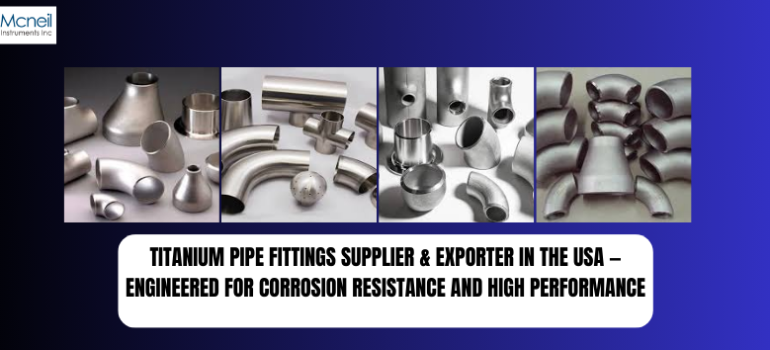
Titanium Pipe Fittings Supplier & Exporter in the USA — Engineered for Corrosion Resistance and High Performance

Introduction: Precision Piping for America’s Industrial Sector

In demanding industrial environments across the United States, such as petrochemical refineries, power plants, pharmaceutical facilities, aerospace systems, and water treatment plants, corrosion resistance and material purity are essential. When conventional materials fail due to aggressive media, high temperatures, or severe corrosion, titanium pipe fittings provide a robust and long-lasting solution.

Titanium fittings combine lightweight strength, superior corrosion resistance, and high temperature performance, making them indispensable for critical piping systems. These attributes have made titanium the material of choice in many high-value applications where reliability and longevity are paramount.

As a trusted manufacturer, supplier, and exporter, Mcneil Instruments  delivers top-quality titanium pipe fittings that comply with global standards and meet the exacting needs of industrial customers in the United States.

This blog covers:

  • What titanium pipe fittings are and how they are used
  • Key titanium grades and material properties
  • Technical specifications
  • Applications across industries in the USA
  • Quality assurance and why Mcneil Instruments  is a preferred partner

Understanding Titanium Pipe Fittings

Titanium pipe fittings are connectors used to join, redirect, transition, or terminate titanium piping in industrial systems. They are typically used within critical process lines where corrosion resistance and structural performance directly impact operational safety and lifecycle costs.

Unlike conventional stainless steels, titanium alloys form a passive oxide layer that shields the metal from corrosion, even in highly aggressive environments like seawater, acids, and chlorides. This makes them ideal for industries where contamination, corrosion, or reactive compounds can compromise the integrity of process lines.

Common types of titanium pipe fittings include:

  • Elbows (45°, 90°, 180°)
  • Tees and crosses
  • Reducers (concentric and eccentric)
  • Caps and plugs
  • Flanges and adapters
  • Stub ends and couplings

Each fitting type is designed to ensure secure, leak-proof connections with titanium pipes, preserving system integrity under pressure and temperature fluctuations.

Key Titanium Grades and Their Benefits

Mcneil Instrument supplies titanium pipe fittings in multiple grades to address a variety of industrial applications.

Titanium Grade 1 Pipe Fittings

  • Characteristics: Highest corrosion resistance, lowest strength among the titanium grades.
  • Applications: Ideal for highly corrosive environments such as seawater service, chemical handling, and acid processing.

Titanium Grade 2 Pipe Fittings

  • Characteristics: Most widely used titanium grade, combining excellent corrosion resistance with good strength.
  • Applications: Suitable for general industrial piping, seawater systems, and heat exchanger tubes.

Titanium Grade 3 Pipe Fittings

  • Characteristics: Slightly higher strength than Grades 1 and 2 with good corrosion resistance.
  • Applications: Used where marginally higher mechanical strength is required without sacrificing corrosion resistance.

Titanium Grade 4 Pipe Fittings

  • Characteristics: Highest strength among commercially pure titanium grades, with excellent corrosion resistance.
  • Applications: Pressure vessels, high-stress pipework, and critical offshore or marine systems.

Each titanium grade is selected based on application conditions such as fluid chemistry, temperature, pressure, and long-term durability requirements.

Why Titanium Is an Excellent Material Choice

Titanium and its alloys are used across high-performance industries due to the following material strengths:

Superior Corrosion Resistance

Titanium withstands aggressive chemical attack, including chlorides, seawater, and many industrial acids, outperforming most stainless steels and nickel alloys.

High Strength-to-Weight Ratio

Titanium offers excellent mechanical performance while remaining significantly lighter than stainless steel, reducing support weight and installation costs.

Biocompatible

The material is non-toxic and suitable for medical and pharmaceutical applications where purity is critical.

High Temperature Capability

Titanium maintains mechanical properties at elevated temperatures, supporting heat exchanger and thermal systems.

These properties make titanium pipe fittings ideal for challenging applications where material failure can lead to downtime, safety risks, or costly maintenance.

Technical Specifications & Standards Compliance

Titanium pipe fittings from Mcneil Instruments  are manufactured to meet rigorous international specifications — ensuring compatibility with industrial systems used in the United States.

SpecificationDetails
Material StandardASTM B363, ASME SB363 Titanium Pipe Fittings
Titanium GradesGrade 1, Grade 2, Grade 3, Grade 4
End ConnectionsButt Weld, Socket Weld, Threaded
Size Range1/4″ NB to 24″ NB
Pressure RatingsUp to 6000 psi (depending on grade and application)
Temperature Range-196°C to +600°C (depending on service)
Surface FinishMill finish, Pickled, Passivated
ManufacturingForged, Machined, Seamless

Each batch undergoes strict dimensional and metallurgical controls, aligned with ASTM and ASME standards to ensure performance under industrial conditions.

Mechanical Properties of Titanium Grades

Titanium GradeTensile StrengthYield StrengthElongationCorrosion Resistance
Grade 1~240 MPa~170 MPa~24%Exceptional
Grade 2~340 MPa~275 MPa~20%Excellent
Grade 3~380 MPa~310 MPa~16%Excellent
Grade 4~480 MPa~415 MPa~14%Excellent

Values may vary slightly based on heat treatment and specific specifications.

These mechanical properties demonstrate titanium’s ability to support moderate to high-strength piping applications while resisting corrosion in aggressive media.

Applications of Titanium Pipe Fittings in the USA

Titanium pipe fittings find extensive use across a wide range of industries in the United States:

Oil & Gas and Petrochemical Processing

Used in offshore platforms, subsea pipelines, and processing plants where chloride environments and corrosive fluids are present.

Chemical and Process Industries

Used in pipelines handling acids, solvents, and highly corrosive process streams.

Desalination and Water Treatment

Titanium’s resistance to seawater corrosion makes it ideal for desalination plants and coastal facilities.

Power Generation

Heat exchangers, boiler feed lines, and cooling water systems benefit from titanium’s thermal stability and corrosion resistance.

Pharmaceutical & Biotechnology

Sanitary process lines and high-purity piping systems require materials that do not contaminate fluids.

Marine and Shipbuilding

Titanium performs reliably in hull piping, seawater intakes, and corrosion-prone environments.

Quality Assurance, Testing & Certification

To ensure every titanium pipe fitting meets performance expectations, Mcneil Instruments  employs a rigorous quality and testing protocol:

  • Material Verification and Chemical Analysis
  • Mechanical Testing (Tensile, Yield, and Elongation)
  • Positive Material Identification (PMI)
  • Hydrostatic and Pneumatic Pressure Testing
  • Non-Destructive Examination (Ultrasonic / Radiographic)
  • Dimensional Inspection
  • Mill Test Certificates (EN 10204 3.1 / 3.2)

These tests and certifications provide traceability and confidence that the product meets ASTM and ASME standards — critical for industrial use in the USA.

Industrial Benefits Specific to the USA Market

In the USA, industries face stringent safety, environmental, and compliance requirements. Titanium pipe fittings offer:

Longevity in Harsh Conditions

Corrosion resistance reduces replacement frequency and long-term maintenance costs.

Reduced Lifecycle Cost

Materials that withstand aggressive fluids and temperature reduce total cost of ownership.

Compliance With Safety Codes

Products produced to ASTM/ASME standards align with U.S. regulatory expectations for pressure systems, refinery piping, and processing facilities.

Enhanced Product Purity

Ideal for pharmaceutical, food, and semiconductor production where contamination control is critical.

Why Choose Mcneil Instruments  — Manufacturer, Supplier, and Exporter

Global Standards and Compliance

Mcneil Instrument manufactures titanium pipe fittings to international standards and delivers them with complete quality documentation.

Advanced Manufacturing Capability

From precision forging to expert machining and finishing, fittings are produced for critical performance.

Trusted Export Partner

With proven export experience, Mcneil Instruments  ensures smooth delivery to clients across the United States and beyond.

Technical Guidance and Support

Customers benefit from expert assistance in material selection, application engineering, and specification interpretation.

Comprehensive Documentation

Full traceability with test reports, certification, and compliance records supports procurement and quality assurance processes.

Conclusion: Titanium Pipe Fittings Engineered for Performance in the USA

For industrial piping systems subjected to corrosive fluids, high temperatures, and demanding service conditions, titanium pipe fittings provide unmatched performance. Their combination of corrosion resistance, strength, and durability makes them suitable for a wide range of sectors — from oil & gas and chemical processing to desalination and food production.

As a trusted manufacturer, supplier, and exporter in India with a global footprint, Mcneil Instruments  delivers high-quality titanium pipe fittings designed to meet the stringent technical requirements and compliance demands of the United States industrial landscape.

Whether you are specifying fittings for a refinery in Houston, a desalination plant in California, or a pharmaceutical facility in New Jersey, Mcneil Instruments ’s titanium solutions offer performance, reliability, and long-term value.

Read More
Pipe fittings are essential components that influence system safety, efficiency, and long-term performance. Choosing the right manufacturer ensures both operational reliability and cost savings. Mcneil Instruments supplies premium pipe fittings in Indiana — engineered for resilience, precision, and industrial performance. From project planning to system execution, our fittings deliver dependable results you can trust.

Mcneil Instruments Pipe Fittings in Indiana: Engineered for Strength, Safety & Performance

Introduction: Delivering Trusted Pipe Fittings Solutions Across Indiana

In industrial and infrastructure systems, pipe fittings are more than simple connectors — they are critical components that ensure leak-proof joins, controlled flow direction, and durability under extreme service conditions. Whether in oil refineries, power plants, chemical facilities, or water treatment systems, the quality of pipe fittings directly impacts safety, efficiency, and longevity.

Indiana’s thriving industrial hub demands high-quality piping components capable of withstanding pressure variations, temperature extremes, and corrosive media. Mcneil Instruments, a globally recognized pipe fittings manufacturer, supplier, and exporter in Indiana, delivers precision-engineered solutions trusted by industries throughout the region and around the world.


What Are Pipe Fittings?

Pipe fittings are mechanical accessories used to connect straight pipe sections, alter flow direction, adapt pipe size, or seal off fluid pathways. While basic in concept, they must meet high standards of strength and precision to function reliably in critical systems.

Well-engineered pipe fittings:

✔ Ensure secure, leak-free connections
✔ Maintain structural integrity under pressure
✔ Adapt pipe networks to complex layouts
✔ Support dimensional accuracy in installations
✔ Boost system reliability and safety

Mcneil Instruments manufactures pipe fittings using advanced production processes to deliver superior performance for industrial applications.


Key Industries in Indiana That Use Pipe Fittings

Indiana’s industrial ecosystem spans multiple sectors that rely on quality pipe fittings from Mcneil Instruments:

✔ Oil & Gas processing and distribution
✔ Petrochemical and chemical manufacturing
✔ Power generation and utilities
✔ Water & wastewater treatment
✔ Steel and heavy manufacturing
✔ Construction and infrastructure
✔ HVAC and mechanical installations
✔ Marine and industrial fabrication

These industries require fittings capable of handling high pressures, fluid velocities, and corrosive environments while maintaining operational reliability.


Types of Pipe Fittings Offered by Mcneil Instruments

Mcneil Instruments supplies an extensive range of industrial pipe fittings designed to meet international standards and project specifications:

● Buttweld Pipe Fittings – Elbows, tees, reducers, caps
● Forged Fittings – Socket weld & threaded
● Flanges – Weld neck, slip-on, blind, lap joint
● Couplings & Unions – Secure transitional connections
● Adapters & Reducers – Size and type adaptation
● Tees, Crosses & Elbows – Flow direction control
● Custom-Engineered Fittings tailored to project needs

Every fitting is manufactured for dimensional precision, pressure handling capacity, and long service performance.


Material Grades & Performance Benefits

To meet varied industrial requirements, Mcneil Instruments pipe fittings are available in a range of premium materials:

Stainless Steel Fittings

✔ Superior corrosion resistance
✔ Outstanding strength and thermal stability
✔ Ideal for chemical, marine, and outdoor applications

Carbon Steel Fittings

✔ Cost-effective and reliable
✔ Excellent mechanical performance
✔ Suitable for moderate and high-pressure systems

Alloy Steel Fittings

✔ Enhanced strength at high temperatures
✔ Excellent resistance to stress and cyclic loading

Duplex & Nickel Alloys

✔ Exceptional corrosion resistance
✔ Ideal for aggressive environments and high-risk applications

Choosing the right material ensures a longer service life, reduced maintenance, and improved system safety.


Technical Advantages of Mcneil Instruments Pipe Fittings

Mcneil Instruments pipe fittings are engineered for reliability and performance:

✔ High dimensional precision for proper fit
✔ Smooth interior surfaces to reduce flow turbulence
✔ Superior corrosion and oxidation resistance
✔ High tensile strength and impact resistance
✔ Compatibility with welding and installation methods
✔ Pressure-rated designs for safe operations

These technical attributes make our pipe fittings suitable for demanding industrial environments.


Manufacturing Excellence & Quality Assurance

Quality is at the heart of Mcneil Instruments’ manufacturing process. Each pipe fitting undergoes multiple stages of inspection and testing:

🌟 Raw material verification and certification
🌟 Advanced forging, forming, and machining
🌟 Dimensional and tolerance checks
🌟 Hydrostatic and pressure testing
🌟 Non-Destructive Testing (NDT) – radiographic & ultrasonic
🌟 Surface finishing and protective treatment
🌟 Final inspection before dispatch

All fittings supplied in Indiana meet global standards and performance benchmarks.


Why Quality Pipe Fittings Matter in Indiana

Indiana’s industrial and infrastructure projects operate under complex conditions — from high temperatures and pressures to corrosive and abrasive environments. Inferior pipe fittings can cause:

⚠ Leakage and fluid loss
⚠ Pressure instability
⚠ Increased maintenance costs
⚠ Production downtime
⚠ Safety hazards

Investing in precision-engineered pipe fittings from Mcneil Instruments ensures reliable, efficient, and safe system performance.


Benefits of Choosing Mcneil Instruments Pipe Fittings

For Industrial Operators

✔ Improved system reliability
✔ Reduced downtime and maintenance
✔ Enhanced safety and compliance
✔ Longer service life
✔ Consistent operational performance

For Engineers & Project Leaders

✔ Compliance with international standards
✔ Custom solutions for complex systems
✔ Accurate dimensional performance
✔ Timely delivery and support
✔ Cost-effective solutions

Mcneil Instruments focuses on delivering value-driven solutions optimized for your project requirements.


Why Mcneil Instruments Stands Out in Indiana

Mcneil Instruments is a recognized global supplier trusted for both standard and specialized piping components. Our strengths include:

✅ International quality manufacturing
✅ Advanced production and inspection technology
✅ Broad product range and customization options
✅ Robust export and logistics support
✅ Dedicated technical consultation
✅ Competitive pricing and delivery reliability

We ensure every fitting supports your system’s performance and safety goals.


Conclusion: Superior Pipe Fittings for Industrial Success in Indiana

Pipe fittings are essential components that influence system safety, efficiency, and long-term performance. Choosing the right manufacturer ensures both operational reliability and cost savings.

Mcneil Instruments supplies premium pipe fittings in Indiana — engineered for resilience, precision, and industrial performance. From project planning to system execution, our fittings deliver dependable results you can trust.

👉 Partner with Mcneil Instruments for pipe fittings built for excellence, engineered for the future.

Read More
Pipe fittings are vital for safe and efficient industrial piping systems. Choosing the right manufacturer ensures durability, performance, and compliance. Mcneil Instruments supplies premium pipe fittings to industries in Turkey, delivering strength, precision, and reliability trusted worldwide.

Pipe Fittings in Turkey: Strength, Precision & Industrial Reliability

Introduction: Supporting Critical Industries with High-Quality Pipe Fittings

In modern industrial systems, piping performance depends not only on pipes but also on the quality of pipe fittings that connect, direct, and control flow. From petrochemical plants to infrastructure projects, reliable fittings ensure leak-free performance, structural integrity, and long service life.

Turkey, with its strong presence in manufacturing, energy, construction, and process industries, demands precision-engineered piping components that perform under pressure, heat, and corrosive environments. This is where Mcneil Instruments stands out as a leading pipe fittings manufacturer, supplier, and exporter, delivering globally trusted solutions to industries across Turkey.


What Are Pipe Fittings?

Pipe fittings are mechanical components used to connect pipes, change flow direction, adjust pipe diameter, and seal piping systems. They are essential for building safe, efficient, and durable fluid transfer networks.

Mcneil Instruments manufactures high-quality pipe fittings designed for strength, dimensional accuracy, and corrosion resistance, ensuring safe operation in demanding industrial environments.


Industries in Turkey That Use Pipe Fittings

Turkey’s expanding industrial base relies heavily on precision pipe fittings supplied by Mcneil Instruments for:

● Oil & Gas facilities
● Petrochemical plants
● Power generation units
● Chemical processing industries
● Construction and infrastructure projects
● Marine and shipbuilding sectors
● Water treatment plants


Types of Pipe Fittings Offered by Mcneil Instruments

Mcneil Instruments provides a comprehensive range of industrial pipe fittings:

● Buttweld fittings (elbows, tees, reducers, caps)
● Forged fittings (socket weld & threaded)
● Couplings and unions
● Adapters and nipples
● Stub ends and lap joint fittings
● Custom-designed fittings

Each fitting is engineered for easy installation, pressure resistance, and long-term durability.


Material Grades and Their Advantages

To suit various operating conditions, Mcneil Instruments offers pipe fittings in multiple material grades:

Stainless Steel Fittings – Excellent corrosion resistance and strength.
Carbon Steel Fittings – Durable and cost-effective.
Alloy Steel Fittings – Ideal for high-pressure and high-temperature systems.
Special Alloys – Superior resistance to aggressive chemicals and extreme conditions.


Benefits of Using Mcneil Instruments Pipe Fittings

For Industrial Operations

● Leak-proof connections
● High strength and pressure resistance
● Excellent corrosion resistance
● Reduced maintenance requirements
● Long operational life

For Project Owners & Contractors

● Reliable system performance
● Compliance with international standards
● Lower downtime and repair costs
● Safe and efficient fluid transfer


Why Quality Pipe Fittings Matter in Turkey

Turkey’s diverse industrial operations and environmental conditions require fittings that can withstand pressure variations, thermal stress, and corrosive media. Low-quality fittings may lead to leakage, system failure, downtime, and safety risks.

Mcneil Instruments pipe fittings ensure consistent performance, durability, and operational safety.


Why Choose Mcneil Instruments?

Mcneil Instruments is a globally recognized pipe fittings manufacturer, supplier, and exporter trusted by industries in Turkey.

● International manufacturing standards
● Advanced production processes
● Wide range of sizes and configurations
● Strict quality inspections
● Reliable export supply chain
● Competitive pricing


Conclusion: Strengthen Your Systems with Mcneil Instruments

Pipe fittings are vital for safe and efficient industrial piping systems. Choosing the right manufacturer ensures durability, performance, and compliance.

Mcneil Instruments supplies premium pipe fittings to industries in Turkey, delivering strength, precision, and reliability trusted worldwide.

Read More
Stainless steel instrumentation pipe fittings are the backbone of safe and efficient industrial piping systems. Selecting the right grade and manufacturer makes a significant difference in performance and longevity. Mcneil Instruments supplies Stainless Steel 304, 304L, 316, 316L, 321, and 347 Pipe Fittings to industries in Nigeria, delivering precision, durability, and global quality standards. For reliable piping solutions that stand the test of time, Mcneil Instruments is the partner industries trust.

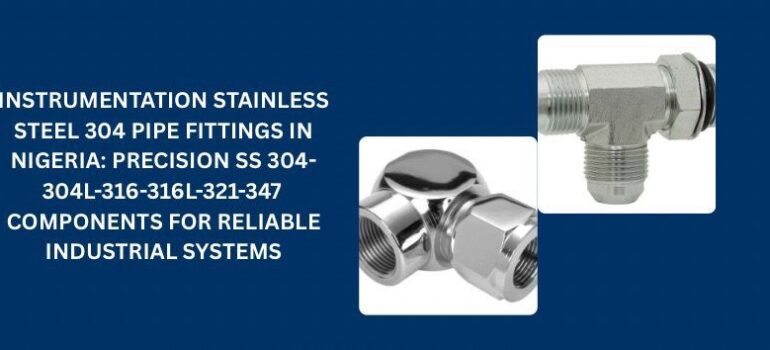
Instrumentation Stainless Steel 304 Pipe Fittings in Nigeria: Precision SS 304-304L-316-316L-321-347 Components for Reliable Industrial Systems

Introduction: Building Stronger Industrial Systems with Quality Pipe Fittings

In today’s fast-growing industrial environment, the reliability of piping systems directly affects safety, efficiency, and operational performance. From oil & gas installations to chemical processing plants, the quality of instrumentation pipe fittings plays a critical role in ensuring leak-proof, high-pressure connections.

Nigeria, being one of Africa’s largest industrial and energy hubs, demands durable and corrosion-resistant piping components. This is where Mcneil Instruments, a trusted manufacturer and supplier of stainless steel instrumentation pipe fittings, delivers world-class solutions engineered for performance.

This blog explains stainless steel instrumentation pipe fittings, their applications, material grades, benefits, and why Mcneil Instruments is the preferred supplier for industries in Nigeria.


What Are Stainless Steel Instrumentation Pipe Fittings?

Instrumentation pipe fittings are precision-engineered components used to connect, control, and direct fluid flow in industrial piping systems. These fittings are designed for high-pressure, high-temperature, and corrosive environments.
Mcneil Instruments manufactures premium-quality:

  • Stainless Steel 304 Pipe Fittings
  • Stainless Steel 304L Pipe Fittings
  • Stainless Steel 316 Pipe Fittings
  • Stainless Steel 316L Pipe Fittings
  • Stainless Steel 321 Pipe Fittings
  • Stainless Steel 347 Pipe Fittings

These fittings ensure long service life, superior strength, and reliable sealing performance.


Industries in Nigeria That Use Instrumentation Pipe Fittings

Stainless steel instrumentation fittings are widely used across Nigerian industries, including:

● Oil & Gas refineries and offshore platforms
● Petrochemical plants
● Power generation facilities
● Chemical processing units
● Marine and shipbuilding industries
● Water treatment plants

Mcneil Instruments supplies fittings that meet international standards required for these demanding sectors.


Types of Stainless Steel Pipe Fittings Offered

Mcneil Instruments provides a wide range of instrumentation fittings such as:

● Tube fittings
● Elbows (90°, 45°)
● Tees and crosses
● Couplings and unions
● Ferrule fittings
● Adaptors and connectors
● Bulkhead fittings

Each fitting is manufactured with high dimensional accuracy to ensure safe and efficient installations.


Material Grades and Their Advantages

Stainless Steel 304 Pipe Fittings

Ideal for general industrial use with excellent corrosion resistance and affordability.

Stainless Steel 304L Pipe Fittings

Low carbon content prevents carbide precipitation, making them suitable for welding applications.

Stainless Steel 316 Pipe Fittings

Enhanced resistance to chlorides and chemicals — perfect for marine and chemical industries.

Stainless Steel 316L Pipe Fittings

Offers superior corrosion resistance with better weldability in harsh environments.

Stainless Steel 321 Pipe Fittings

Stabilized with titanium for high-temperature performance.

Stainless Steel 347 Pipe Fittings

Niobium-stabilized alloy designed for heavy-duty, high-heat applications.


Benefits of Stainless Steel Instrumentation Pipe Fittings

For Industrial Operations

● Leak-proof and high-pressure performance
● Excellent resistance to corrosion and chemicals
● Long operational life
● Reduced maintenance costs
● High temperature tolerance

For Project Owners & Contractors

● Compliance with international standards
● Reliable supply and consistent quality
● Safe installation and operation
● Cost-effective lifecycle performance


Why Quality Pipe Fittings Matter in Nigeria

Nigeria’s climate, offshore operations, and industrial exposure to moisture, chemicals, and extreme temperatures demand robust materials. Inferior fittings can lead to:

● System leaks
● Pressure failures
● Costly downtime
● Safety hazards

Choosing high-quality stainless steel 304, 304L, 316, 316L, 321, and 347 pipe fittings from Mcneil Instruments ensures system integrity and long-term performance.


Mcneil Instruments: Trusted Pipe Fittings Manufacturer & Supplier

Mcneil Instruments is a globally recognized name in instrumentation pipe fittings manufacturing, serving clients in Nigeria and worldwide.

Why Choose Mcneil Instruments?

● International quality standards
● Precision manufacturing technology
● Wide range of stainless steel grades
● Timely global export supply
● Competitive pricing
● Technical support for industrial projects

From small-scale installations to large industrial projects, Mcneil Instruments provides dependable piping solutions.


Future of Industrial Piping in Nigeria

With Nigeria expanding its energy, infrastructure, and manufacturing sectors, the demand for reliable stainless steel instrumentation fittings will continue to grow. Companies that invest in high-grade materials ensure safety, compliance, and operational efficiency.


Conclusion: Strengthen Your Systems with Mcneil Instruments

Stainless steel instrumentation pipe fittings are the backbone of safe and efficient industrial piping systems. Selecting the right grade and manufacturer makes a significant difference in performance and longevity.
Mcneil Instruments supplies Stainless Steel 304, 304L, 316, 316L, 321, and 347 Pipe Fittings to industries in Nigeria, delivering precision, durability, and global quality standards.

For reliable piping solutions that stand the test of time, Mcneil Instruments is the partner industries trust.

Read More
In modern industries, precision, durability, and leak-proof performance are non-negotiable. From oil & gas plants to semiconductor facilities, the reliability of small components like instrumentation pipe fittings determines the safety and efficiency of entire systems. High-quality Stainless Steel 304 Pipe Fittings, Stainless Steel 316 Pipe Fittings, and other corrosion-resistant gradesare widely used in Singapore’s demanding industrial environment. Mcneil Instruments is a trusted manufacturer and supplier of instrumentation pipe fittings, delivering precision-engineered solutions for industries that require accuracy under pressure. This guide explains instrumentation pipe fittings, their applications, key stainless steel grades, benefits, and why Mcneil Instruments is a reliable supplier for Singapore industries.

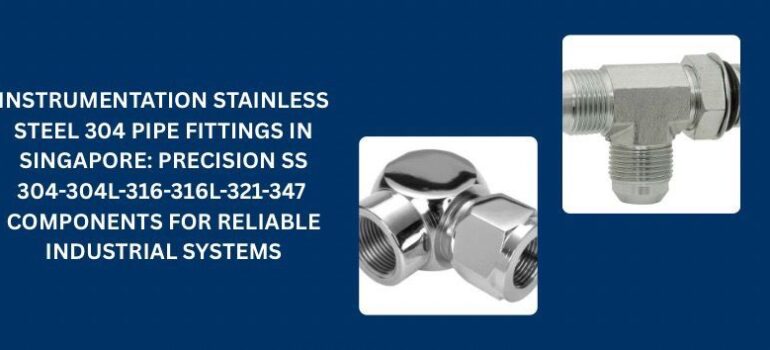
Instrumentation Stainless Steel 304 Pipe Fittings in Singapore: Precision SS 304-304L-316-316L-321-347 Components for Reliable Industrial Systems

Introduction: The Backbone of Safe & Efficient Fluid Control

In modern industries, precision, durability, and leak-proof performance are non-negotiable. From oil & gas plants to semiconductor facilities, the reliability of small components like instrumentation pipe fittings determines the safety and efficiency of entire systems.

High-quality Stainless Steel 304 Pipe Fittings, Stainless Steel 316 Pipe Fittings, and other corrosion-resistant gradesare widely used in Singapore’s demanding industrial environment.

Mcneil Instruments is a trusted manufacturer and supplier of instrumentation pipe fittings, delivering precision-engineered solutions for industries that require accuracy under pressure.

This guide explains instrumentation pipe fittings, their applications, key stainless steel grades, benefits, and why Mcneil Instruments is a reliable supplier for Singapore industries.


What Are Instrumentation Pipe Fittings?

Instrumentation pipe fittings are specialized components used to connect tubes and pipes in systems that measure, control, and regulate pressure, flow, and temperature.

They are designed for:

● Leak-proof connections
● High-pressure systems
● Corrosive environments
● Precision flow control

Unlike regular fittings, instrumentation fittings must maintain tight tolerances and vibration resistance, making material quality critical.

Mcneil Instruments manufactures high-performance fittings that meet international quality standards for industrial use.


Common Types of Instrumentation Pipe Fittings

Industries in Singapore use a variety of fittings depending on system requirements:

● Tube fittings
● Compression fittings
● Elbows and tees
● Couplings and unions
● Reducers and adapters
● Ferrule fittings

These fittings are essential in sectors like oil & gas, petrochemicals, power generation, pharmaceuticals, and marine engineering.


Stainless Steel Grades Used in Instrumentation Pipe Fittings

Material selection determines durability, corrosion resistance, and performance. Mcneil Instruments supplies fittings in the following premium grades:

Stainless Steel 304 Pipe Fittings

● Excellent corrosion resistance
● Strong and cost-effective
● Ideal for general industrial applications

Stainless Steel 304L Pipe Fittings

● Low carbon version of 304
● Better weldability
● Reduced risk of carbide precipitation

Stainless Steel 316 Pipe Fittings

● Superior resistance to chemicals and marine environments
● Molybdenum content improves corrosion resistance
● Widely used in oil, gas, and offshore systems

Stainless Steel 316L Pipe Fittings

● Low carbon 316 grade
● Excellent for high-temperature and corrosive conditions
● Preferred for pharmaceutical and chemical industries

Stainless Steel 321 Pipe Fittings

● Titanium-stabilized grade
● Excellent performance at high temperatures
● Suitable for heat exchangers and thermal systems

Stainless Steel 347 Pipe Fittings

● Niobium-stabilized stainless steel
● Resists intergranular corrosion
● Ideal for heavy-duty and high-pressure applications


Why Instrumentation Pipe Fittings Are Crucial for Singapore Industries

Singapore’s industries operate under strict safety and quality standards. Poor-quality fittings can lead to leaks, downtime, and safety hazards. High-grade stainless steel fittings ensure:

● Operational safety
● Leak-free performance
● Long service life
● Reduced maintenance costs
● Compliance with international standards

Mcneil Instruments supplies precision fittings that perform reliably even in harsh marine and chemical environments common in Singapore.


Benefits of Choosing Stainless Steel Instrumentation Fittings

For Engineers & Plant Operators

● High strength under pressure
● Resistance to corrosion and oxidation
● Stable performance in extreme temperatures
● Easy installation and maintenance

For Businesses

● Lower long-term operational costs
● Improved system efficiency
● Compliance with safety regulations
● Reduced risk of system failure


Mcneil Instruments: Trusted Instrumentation Pipe Fittings Manufacturer & Supplier

Mcneil Instruments is a recognized name in precision-engineered industrial components.

Why Choose Mcneil Instruments?

● Wide range of Stainless Steel 304, 304L, 316, 316L, 321, and 347 Pipe Fittings
● High manufacturing accuracy
● International quality standards
● Reliable supply for Singapore industries
● Technical expertise and customer support

From oil refineries to cleanroom facilities, Mcneil Instruments delivers fittings that industries can depend on.


Applications of Instrumentation Pipe Fittings

These fittings are used in:

● Oil & gas processing plants
● Petrochemical industries
● Marine and offshore installations
● Power plants
● Semiconductor and electronics manufacturing
● Pharmaceutical production
● Water treatment systems


Future of Instrumentation Fittings in Singapore

With increasing automation, smart plants, and stricter environmental norms, demand for high-quality stainless steel instrumentation pipe fittings continues to grow.

Industries are shifting toward corrosion-resistant and high-performance materials like Stainless Steel 316L and 347 to ensure long-term reliability.


Conclusion: Precision That Powers Performance

Instrumentation pipe fittings may be small components, but they play a massive role in industrial safety and efficiency. Choosing the right material and manufacturer is critical.

Mcneil Instruments, a trusted manufacturer and supplier of instrumentation pipe fittings, provides durable, precision-engineered solutions tailored for Singapore’s advanced industrial landscape.

Invest in quality fittings today to ensure safer, stronger, and more reliable operations tomorrow.

Read More

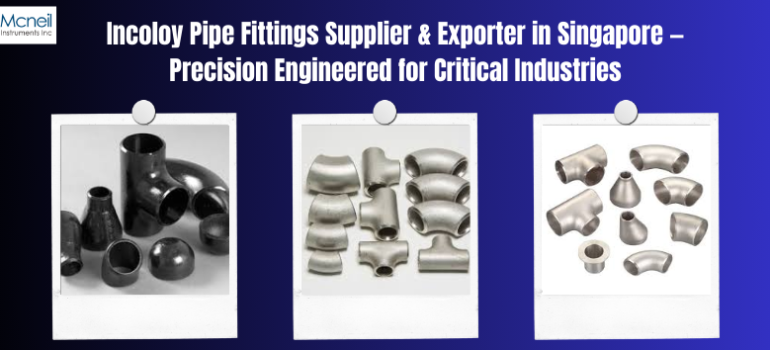
Incoloy Pipe Fittings Supplier & Exporter in Singapore — Precision Engineered for Critical Industries

Introduction: Building Resilient and High-Performance Piping Systems in Singapore

In rapidly evolving industrial environments like Singapore, where precision, safety, and durability are essential, the choice of pipe fittings can make or break system performance. Industries such as oil and gas, petrochemical processing, marine engineering, power generation, semiconductor fabrication, and food & beverage production demand piping components that resist corrosion, withstand high temperatures, and maintain mechanical strength under constant stress.

That’s where Incoloy pipe fittings come into play. Manufactured from premium nickel-based alloys, Incoloy fittings exhibit outstanding corrosion resistance, excellent thermal stability, and superior mechanical properties — addressing the challenges of demanding industrial conditions. Mcneil Instruments  , a reputed manufacturer, supplier, and exporter, supplies Incoloy pipe fittings engineered to international standards and optimized for Singapore’s industrial requirements.

In this blog, we’ll break down the features, specifications, materials, applications, and certifications that make Incoloy pipe fittings an ideal choice for Singaporean industries.

What Are Incoloy Pipe Fittings?

Incoloy pipe fittings are specialized components fabricated from high-performance nickel-iron-chromium alloys. These fittings connect, redirect, or terminate piping systems while ensuring leak-proof performance at high pressures and temperatures.

Incoloy alloys are engineered to perform in corrosive, oxidizing, and high-temperature environments, giving them a distinct advantage over standard carbon steel and many stainless steels. Their applications span industries that require long service life and minimal maintenance in challenging service conditions.

Incoloy Materials and Their Key Properties

Mcneil Instruments   supplies Incoloy pipe fittings in multiple grades that address different industrial challenges. The most widely used Incoloy alloys for pipe fittings include:

Incoloy 800 Pipe Fittings

  • Composition: Nickel-iron-chromium alloy with moderate chromium content.
  • Strengths: Excellent resistance to oxidation and carburization in high-temperature environments.
  • Applications in Singapore: Heat exchangers, furnace piping, refinery regenerators, steam systems.

Incoloy 800H Pipe Fittings

  • Composition: Thermally stabilized variant of Incoloy 800.
  • Strengths: Superior creep resistance and tensile strength at elevated temperatures.
  • Applications in Singapore: High-temperature process lines, thermal processing equipment.

Incoloy 825 Pipe Fittings

  • Composition: Nickel-iron-chromium alloy fortified with molybdenum and copper.
  • Strengths: Exceptional resistance to reducing acids, pitting, and crevice corrosion.
  • Applications in Singapore: Chemical processing plants, sour gas environments, offshore installations.

Incoloy 925 Pipe Fittings

  • Composition: A high-strength alloy combining Nickel, Chromium, Molybdenum, and Copper.
  • Strengths: Outstanding resistance to stress corrosion cracking, high mechanical strength under load.
  • Applications in Singapore: Marine engineering, drilling platforms, high-pressure piping systems.

Types of Incoloy Pipe Fittings Available

Mcneil Instruments   provides a wide range of Incoloy pipe fittings to meet diverse industrial needs:

  • Elbows (45°, 90°, 180°): For directional changes in piping runs.
  • Tees & Crosses: For branching connections.
  • Reducers (Concentric & Eccentric): For transitions between pipe sizes.
  • Caps & Plugs: To close off pipe ends securely.
  • Adapters & Couplings: For joining dissimilar pipe types or sizes.
  • Stub Ends & Flange Adaptors: For welding and flange assembly systems.
  • Custom Machined Fittings: Tailored solutions for specific applications.

Each fitting is precisely machined and tested to ensure a secure, leak-resistant joint.

Standards, Specifications & Compliance for Singapore Projects

Incoloy pipe fittings supplied by Mcneil Instruments   adhere to internationally recognized standards, ensuring compatibility with global piping systems deployed in Singapore:

StandardDescription
ASTM B366Standard specification for Incoloy fittings
ASME SB366ASME designation for nickel alloy pipe fittings
ISO / API StandardsApplicable as per project or industry requirements
ASME B16.11Forged fittings, socket weld & threaded fittings
ASME B16.9Factory-made wrought butt weld fittings

These standards ensure that the fittings are produced with consistent metallurgy, mechanical performance, and dimensional accuracy suitable for industrial service.

Technical Specifications of Incoloy Pipe Fittings

SpecificationDetails
Material GradesIncoloy 800, 800H, 825, 925
End ConnectionsButt Weld, Socket Weld, Threaded
Size Range1/8″ NB to 24″ NB (custom sizes available)
Pressure ClassUp to 6000 psi
Temperature Range–196°C to +982°C (depending on alloy)
Test & InspectionHydrostatic, Pneumatic, NDT (Ultrasonic / Radiographic), PMI
CertificationsEN 10204 3.1/3.2 Material Test Certificates

These specifications ensure that the fittings perform reliably in high-temperature, corrosive, and high-pressure systems often found in Singapore’s industrial sector.

Why Incoloy Pipe Fittings Are Suited for Singapore’s Industrial Sector

Corrosion Resistance in Aggressive Environments

Singapore’s chemical processing and marine industries expose pipe systems to corrosive and chlorinated environments. Incoloy alloys resist pitting, crevice corrosion, and stress corrosion cracking — outperforming many stainless steel grades in such conditions.

Outstanding Thermal Performance

In applications such as petrochemical heaters, furnaces, and heat exchangers, Incoloy fittings maintain mechanical integrity at temperatures where other alloys might weaken or deform.

Strength and Durability

Incoloy alloys exhibit high tensile strength and toughness, ensuring long service life even under cyclic load and thermal stress.

Compatibility with Diverse Media

Whether gases, steam, acids, or saline water, Incoloy pipe fittings handle a wide spectrum of media with reduced risk of corrosion or material attack.

Applications Across Singaporean Industries

Incoloy pipe fittings find extensive use in Singapore’s industrial landscape:

Oil & Gas and Petrochemical Plants

Used in process lines, sour gas environments, and high-temperature feed systems.

Power Generation Facilities

Steam and fluid handling in turbines, boilers, and auxiliary utility systems.

Marine Engineering

Piping systems on ships, offshore platforms, and coastal installations where chloride exposure is significant.

Chemical Processing

Corro­sive media conveyance, chemical dosing systems, and reactor feed lines.

Semiconductor and Electronics Manufacturing

Ultra-clean, high-temperature systems require corrosion-resistant alloys to maintain quality standards.

Food & Beverage and Pharmaceutical

Sanitary and corrosion-resistant systems for processing and utilities.

Quality Assurance, Inspection & Testing

Mcneil Instruments   ensures that every Incoloy pipe fitting meets or exceeds quality expectations through rigorous procedures:

  • Material Certification (EN 10204 3.1/3.2)
  • Positive Material Identification (PMI)
  • Chemical and Mechanical Testing
  • Hydrostatic and Pneumatic Pressure Testing
  • Non-Destructive Examinations (Ultrasonic / Radiographic)
  • Dimensional and Visual Inspection

These steps guarantee compliance with project specifications and ensure that the fittings perform reliably in operation.

Why Choose Mcneil Instruments   — Manufacturer, Supplier, and Exporter

Comprehensive Material Expertise

Mcneil Instruments  ’s team understands material metallurgy, service conditions, and industry requirements — advising on the right Incoloy grade for specific applications.

ISO-Certified Manufacturing

Production facilities follow strict quality management systems backed by ISO 9001:2015 certification.

Global Supply Chain with Local Support

As an exporter with a worldwide logistics footprint, the company ensures delivery to Singapore’s project sites with full documentation support.

Custom Engineering Solutions

Beyond standard offerings, Mcneil Instruments   provides tailor-made fittings that meet unique project specifications.

End-to-End Traceability

From raw material batch to final inspection, every Incoloy fitting is fully traceable — critical for audit and compliance requirements.

Conclusion: High-Performance Fittings for Singapore’s Industrial Growth

Incoloy pipe fittings are engineered components that deliver exceptional corrosion resistance, high-temperature performance, and mechanical strength — qualities essential for Singapore’s industrial infrastructure.

Whether deployed in marine, offshore, petrochemical, power generation, or precision manufacturing sectors, these fittings ensure stable, long-lasting performance when standards and safety cannot be compromised.

As a trusted manufacturer, supplier, and exporter, Mcneil Instruments   provides globally certified Incoloy pipe fittings that meet Singapore’s rigorous industrial demands — empowering engineers and procurement teams with quality, reliability, and peace of mind.

Read More

Carbon Steel ASTM Pipe Fittings for High-Pressure Systems in Singapore’s Industrial Sector

Introduction: Building Reliable Industrial Piping Systems in Singapore

Singapore stands at the heart of Southeast Asia’s industrial and energy ecosystem. From oil refineries on Jurong Island to petrochemical complexes, power plants, shipyards, and large-scale infrastructure projects, the country relies heavily on piping systems that can operate safely under high pressure, temperature, and mechanical stress. In such environments, Carbon Steel ASTM Pipe Fittings form the backbone of reliable fluid and gas transportation.

Carbon steel fittings manufactured as per ASTM standards are widely used across Singapore due to their strength, weldability, pressure-handling capability, and cost efficiency. As a trusted manufacturer, supplier, and exporter, Mcneil Instruments delivers ASTM-compliant carbon steel pipe fittings that meet the stringent technical and regulatory expectations of industries operating in Singapore.

This blog provides a detailed overview of Carbon Steel ASTM pipe fittings, their grades, specifications, applications, and why Mcneil Instruments is a preferred supply partner for projects across Singapore.

What Are Carbon Steel ASTM Pipe Fittings?

Carbon steel ASTM pipe fittings are components used to connect, divert, reduce, or terminate pipelines carrying fluids, gases, or steam. Manufactured according to ASTM standards, these fittings ensure consistent chemical composition, mechanical strength, and dimensional accuracy.

The presence of carbon as the primary alloying element gives these fittings excellent tensile strength and toughness, making them ideal for high-pressure and high-temperature applications commonly found in refineries, power plants, marine systems, and chemical facilities throughout Singapore.

Key ASTM Grades of Carbon Steel Pipe Fittings Supplied to Singapore

Mcneil Instruments manufactures and exports a complete range of ASTM carbon steel pipe fittings used across Singaporean industries.

Carbon Steel ASTM A105 Pipe Fittings

ASTM A105 fittings are forged carbon steel fittings designed for high-pressure and elevated-temperature service. They are commonly used where strength and pressure integrity are critical.

Typical applications in Singapore include refinery piping, valve connections, pressure vessels, and power plant equipment.

Carbon Steel ASTM A234 WPB Pipe Fittings

ASTM A234 WPB fittings are wrought carbon steel butt-weld fittings suitable for moderate and high-temperature service. They offer excellent weldability and structural strength.

These fittings are widely used in petrochemical plants, LNG facilities, shipbuilding yards, and industrial process piping across Singapore.

Carbon Steel ASTM A234 WP11 Pipe Fittings

WP11 fittings contain chromium and molybdenum, improving their oxidation resistance and high-temperature performance.

In Singapore, WP11 fittings are often used in steam lines, heat exchangers, and power generation systems where thermal stability is essential.

Carbon Steel ASTM A234 WP22 Pipe Fittings

WP22 pipe fittings offer enhanced creep resistance and mechanical strength at elevated temperatures.

They are commonly specified for boilers, superheaters, and high-pressure piping systems in power and energy projects throughout Singapore.

Carbon Steel ASTM A234 WP91 Pipe Fittings

WP91 is a high-performance alloy grade designed for extreme pressure and temperature conditions.

In Singapore, WP91 fittings are used in advanced power plants, high-efficiency thermal systems, and critical process units requiring long service life and superior reliability.

Technical Specifications of Carbon Steel ASTM Pipe Fittings

SpecificationDetails
StandardsASTM A105, ASTM A234 WPB, WP11, WP22, WP91
Manufacturing TypeForged, Seamless, Welded
Connection TypesButt-weld, Socket Weld, Threaded
Size Range1/8″ NB to 48″ NB
ThicknessSCH 10 to SCH XXS
Pressure RatingUp to 6000 psi
Temperature Range-20°C to 650°C (grade dependent)

Mechanical Properties (Typical)

PropertyA105 / WPBWP11 / WP22WP91
Tensile Strength≥ 415 MPa≥ 415 MPa≥ 585 MPa
Yield Strength≥ 205 MPa≥ 205 MPa≥ 415 MPa
Elongation≥ 22%≥ 20%≥ 20%
Hardness≤ 197 HBW≤ 200 HBW≤ 250 HBW

Why Carbon Steel ASTM Pipe Fittings Are Preferred in Singapore

Singapore’s industrial environment demands materials that perform consistently under stress while meeting international compliance norms.

Carbon steel ASTM pipe fittings offer:

  • High strength and pressure-handling capability for refinery and power applications
  • Excellent weldability for complex piping layouts
  • Cost-effective performance compared to exotic alloys
  • Compatibility with global ASTM and ASME standards
  • Long service life with minimal maintenance

These advantages make them ideal for petrochemical plants, offshore modules, marine engineering, and infrastructure projects across Singapore.

Applications Across Singaporean Industries

Carbon Steel ASTM pipe fittings supplied by Mcneil Instruments are widely used in:

  • Oil and gas refineries and petrochemical complexes
  • Power generation and utility plants
  • Shipbuilding and offshore fabrication yards
  • Chemical processing and storage facilities
  • Water treatment and industrial utilities
  • LNG terminals and pipeline infrastructure

Quality Testing and Certifications

Every carbon steel ASTM pipe fitting supplied to Singapore undergoes rigorous inspection and testing to ensure safety and performance.

  • Chemical composition analysis
  • Tensile, yield, and hardness testing
  • Hydrostatic and pneumatic pressure testing
  • Ultrasonic and radiographic examination
  • PMI (Positive Material Identification)
  • EN 10204 3.1 / 3.2 Material Test Certificates
  • ISO 9001:2015 certified manufacturing processes

Mcneil Instruments: Manufacturer, Supplier, and Exporter for Singapore

Mcneil Instruments has established itself as a reliable manufacturer, supplier, and exporter of Carbon Steel ASTM Pipe Fittings for projects across Singapore. With a strong export network, strict quality control, and technical expertise, the company supports EPC contractors, refineries, shipyards, and industrial operators with consistent supply and documentation.

From standard fittings to project-specific custom requirements, Mcneil Instruments ensures timely delivery, full traceability, and compliance with international standards demanded by Singapore’s industries.

Conclusion: Trusted Carbon Steel Pipe Fittings for Singapore’s Industrial Growth

Carbon Steel ASTM Pipe Fittings remain essential for building safe, efficient, and long-lasting piping systems in Singapore’s industrial landscape. With grades ranging from A105 and WPB to advanced WP91, these fittings deliver the strength, reliability, and compliance required for demanding applications.

As a trusted manufacturer, supplier, and exporter, Mcneil Instruments continues to support Singapore’s energy, marine, chemical, and infrastructure sectors with high-quality carbon steel ASTM pipe fittings engineered for performance and durability.

Read More
pipe fittings South Africa, pipe fittings manufacturer South Africa

Pipe Fittings in South Africa: Engineered Strength for Demanding Industrial Environments

Supporting South Africa’s Industrial & Infrastructure Growth

South Africa stands as one of Africa’s most industrially advanced economies. From deep-level mining and oil & gas operations to power generation, water infrastructure, chemical processing, and heavy manufacturing—every sector depends on piping systems that can perform reliably under extreme conditions.

High pressure, abrasive slurry, corrosive chemicals, temperature fluctuations, and continuous operation are part of everyday industrial life in South Africa. In such environments, pipe fittings are not just connectors—they are pressure-retaining, load-bearing components that directly impact plant safety, operational efficiency, and uptime. Even a single fitting failure can result in costly shutdowns, production losses, and serious safety risks.

That’s why industries across the country rely on Mcneil Instruments, a globally trusted manufacturer, supplier, and exporter of ASTM, ASME, and ISO-compliant pipe fittings engineered to meet South Africa’s demanding industrial requirements.

This guide explains pipe fittings, their types, materials, standards, applications, and why Mcneil Instruments is a preferred partner for South African projects.


What Are Pipe Fittings?

Pipe fittings are engineered components used to connect, redirect, control, or terminate flow within piping systems. They allow changes in direction, pipe diameter, pressure flow, and system branching—while maintaining mechanical strength and leak-free performance.

In South Africa, pipe fittings are critical across:

  • Mining slurry and mineral processing lines
  • Oil & gas refineries and fuel terminals
  • Power plants and boiler systems
  • Water treatment and desalination facilities
  • Chemical and petrochemical plants

Mcneil Instruments designs pipe fittings with dimensional accuracy, pressure integrity, and long service life, even in harsh African operating environments.


Types of Pipe Fittings for South African Applications

Elbows (45°, 90°, 180°)

Used to change flow direction while minimizing turbulence and pressure loss.
Common applications:

  • Mining process pipelines
  • Petrochemical and refinery units
  • Power plant auxiliary piping

Tees & Crosses

Enable flow splitting or combining in multi-line systems.
Common applications:

  • Process distribution networks
  • Water and wastewater treatment plants
  • Chemical dosing systems

Reducers (Concentric & Eccentric)

Ensure smooth flow transition between different pipe diameters.
Common applications:

  • Pump suction and discharge lines
  • Slurry handling systems
  • Industrial utility pipelines

Caps & Plugs

Safely close pipe ends during operation, testing, or future expansion.
Common applications:

  • Pipeline termination points
  • Maintenance shutdowns
  • Pressure testing systems

Stub Ends & Flanged Fittings

Allow easy dismantling and maintenance of high-pressure piping.
Common applications:

  • Refineries and power stations
  • Large-diameter industrial pipelines
  • Offshore and coastal installations

Materials & Grades for Pipe Fittings in South Africa

South African industries face abrasion, corrosion, high pressure, and temperature extremes, making material selection a critical decision.

Mcneil Instruments supplies pipe fittings in:

  • Carbon Steel (ASTM A234 WPB) – cost-effective strength for oil, gas, water, and mining
  • Stainless Steel (ASTM A403 WP304, WP316, WP316L) – corrosion resistance for chemical, coastal, and hygienic applications
  • Alloy Steel (ASTM A234 WP5, WP9, WP11, WP22, WP91) – ideal for high-temperature and high-pressure service
  • Special Alloys – for aggressive chemical and extreme operating conditions

These materials ensure reliable performance across onshore, offshore, coastal, and inland installations in South Africa.


Standards & Compliance You Can Trust

All pipe fittings supplied by Mcneil Instruments are manufactured and tested according to internationally accepted standards.

Specification Overview

  • Manufacturing: Hot formed / Machined
  • Standards: ASTM, ASME, ISO
  • Size Range: ½″ to 48″
  • Pressure Class: As per ASME B16 standards
  • End Connections: Butt weld, socket weld, threaded
  • Surface Finish: Black, pickled, passivated, coated

Why Standards Matter in South African Projects

Strict compliance is essential for mining companies, EPC contractors, and energy operators because it ensures:

  • Safe operation under high pressure and temperature
  • Compatibility with international engineering codes
  • Long-term durability in abrasive and corrosive environments
  • Acceptance by global consultants, inspectors, and insurers

Every shipment from Mcneil Instruments includes full traceability, inspection reports, and certification.


Key Applications of Pipe Fittings in South Africa

  • Mining & Minerals: slurry pipelines, concentrators, processing plants
  • Oil & Gas: refineries, terminals, fuel distribution systems
  • Power Generation: boilers, steam lines, auxiliary piping
  • Water & Wastewater: treatment plants, pumping stations
  • Chemical & Petrochemical: corrosive and high-pressure process lines

Quality Assurance: Testing & Certification

Each pipe fitting is thoroughly inspected before dispatch.

Testing Procedures

  • Dimensional and visual inspection
  • Hydrostatic or pressure testing
  • PMI (Positive Material Identification)
  • Weld and surface finish inspection

Certifications Provided

  • EN 10204 3.1 / 3.2
  • ASTM & ASME compliance certificates
  • ISO 9001:2015 Quality Management

Mcneil Instruments: A Reliable Pipe Fittings Supplier to South Africa

With extensive export experience across Africa, Mcneil Instruments supports South African projects with:

  • Custom sizes and project-specific fittings
  • Secure export packaging for long-distance transport
  • Timely delivery to South African ports and sites
  • Technical assistance for material and grade selection

Future Outlook: Growing Demand for Pipe Fittings in South Africa

As South Africa continues to invest in mining expansion, energy transition projects, water infrastructure upgrades, and industrial modernization, demand for durable, standards-compliant pipe fittings will keep rising.

High-strength, corrosion-resistant fittings will remain essential for ensuring plant safety, efficiency, and long-term operational reliability.


Conclusion: Pipe Fittings Built for South African Industry

From deep underground mines to refineries, power plants, and water treatment facilities, industrial pipe fittings play a vital role in keeping South Africa’s industries running safely and efficiently.

By combining global standards, strict quality control, and proven export expertise, Mcneil Instruments delivers precision-engineered pipe fittings that meet the real-world challenges of South African industrial environments—today and into the future.

Read More
From offshore platforms and power stations to chemical plants and water treatment facilities, pipe fittings are fundamental to the UK’s industrial performance. By combining global manufacturing standards, rigorous quality control, and proven export expertise, Mcneil Instruments delivers pipe fittings engineered to meet the real-world challenges of UK industrial environments—today and for the future.

Pipe Fittings in the UK: Precision-Engineered Solutions for High-Performance Industrial Systems

Supporting the United Kingdom’s Industrial & Infrastructure Excellence

The United Kingdom remains one of Europe’s most advanced industrial hubs, with strong foundations in oil & gas, power generation, chemicals, pharmaceuticals, water treatment, renewable energy, and heavy manufacturing. These industries operate under strict regulatory oversight and demanding operating conditions—where safety, precision, and long-term reliability are non-negotiable.

High internal pressure, aggressive chemicals, temperature cycling, offshore exposure, and continuous duty cycles place extreme stress on piping systems. In such environments, pipe fittings are not passive components—they are critical pressure-retaining and load-bearing elements that directly affect system integrity, compliance, and plant uptime.

To meet these expectations, industries across the UK rely on Mcneil Instruments, a globally trusted manufacturer, supplier, and exporter of ASTM, ASME, and ISO-compliant pipe fittings engineered for the UK’s high-performance industrial requirements.

This guide provides a refined overview of pipe fittings in the UK—covering types, materials, standards, applications, and why Mcneil Instruments is a preferred partner for British engineering and EPC projects.


What Are Pipe Fittings?

Pipe fittings are precision-engineered components used to connect, control, redirect, or terminate flow within piping systems. They allow controlled changes in direction, diameter, pressure, and flow distribution while maintaining mechanical strength, dimensional accuracy, and leak-free performance.

In the UK, pipe fittings are essential across:

  • Oil & gas processing and offshore platforms
  • Power stations and combined cycle plants
  • Water treatment and desalination facilities
  • Chemical, pharmaceutical, and specialty process plants
  • Industrial manufacturing and utility networks

Mcneil Instruments designs fittings that deliver repeatable quality, code compliance, and long service life, even in the UK’s most regulated and technically demanding environments.


Types of Pipe Fittings Used in UK Industries

Elbows (45°, 90°, 180°)

Used to change flow direction while minimizing turbulence and pressure loss.
Typical UK applications:

  • Power plant auxiliary and steam lines
  • Offshore and onshore oil & gas piping
  • Chemical and process industries

Tees & Crosses

Enable flow splitting or combining in multi-line systems.
Typical UK applications:

  • Process distribution networks
  • Water and wastewater treatment plants
  • Instrumentation and utility lines

Reducers (Concentric & Eccentric)

Provide smooth transition between different pipe diameters.
Typical UK applications:

  • Pump suction and discharge systems
  • Process pipelines
  • Industrial utilities

Caps & Plugs

Safely close pipe ends during operation, testing, or future expansion.
Typical UK applications:

  • Pipeline termination points
  • Pressure testing and maintenance shutdowns

Stub Ends & Flanged Fittings

Allow easy dismantling, inspection, and maintenance of high-pressure systems.
Typical UK applications:

  • Refineries and power stations
  • Large-diameter industrial pipelines
  • Offshore and coastal installations

Materials & Grades for Pipe Fittings in the UK

UK industries demand materials that perform under corrosion, high pressure, thermal stress, and strict compliance requirements. Material selection is therefore a critical engineering decision.

Mcneil Instruments supplies pipe fittings in:

  • Carbon Steel (ASTM A234 WPB) – cost-effective strength for oil, gas, water, and industrial services
  • Stainless Steel (ASTM A403 WP304, WP316, WP316L) – excellent corrosion resistance for chemical, coastal, pharmaceutical, and hygienic applications
  • Alloy Steel (ASTM A234 WP5, WP9, WP11, WP22, WP91) – designed for high-temperature and high-pressure power and process systems
  • Special Alloys – for aggressive chemical media and extreme operating conditions

These materials ensure dependable performance across onshore, offshore, coastal, and inland UK installations.


Standards & Compliance for UK Projects

All pipe fittings from Mcneil Instruments are manufactured and tested in accordance with internationally accepted standards required by UK consultants, inspectors, and operators.

Specification Overview

  • Manufacturing: Hot formed / Machined
  • Standards: ASTM, ASME, ISO
  • Size Range: ½″ to 48″
  • Pressure Class: As per ASME B16 standards
  • End Connections: Butt weld, socket weld, threaded
  • Surface Finish: Black, pickled, passivated, coated

Why Standards Matter in the UK

Strict compliance ensures:

  • Safe operation under high pressure and temperature
  • Compatibility with UK and international engineering codes
  • Long-term durability and reduced maintenance
  • Acceptance by third-party inspectors and insurers

Every shipment includes full material traceability, inspection reports, and certification.


Key Applications of Pipe Fittings in the UK

  • Oil & Gas: refineries, offshore platforms, fuel terminals
  • Power Generation: boilers, steam lines, combined cycle plants
  • Water & Wastewater: treatment plants, pumping stations
  • Chemical & Pharmaceutical: corrosive and precision process lines
  • Industrial Manufacturing: utilities, compressed air, process piping

Quality Assurance: Testing & Certification

Each pipe fitting is thoroughly inspected before dispatch.

Testing Procedures

  • Dimensional and visual inspection
  • Hydrostatic or pressure testing
  • PMI (Positive Material Identification)
  • Weld integrity and surface finish inspection

Certifications Provided

  • EN 10204 3.1 / 3.2
  • ASTM & ASME compliance certificates
  • ISO 9001:2015 Quality Management

Mcneil Instruments: A Trusted Pipe Fittings Supplier to the UK

With extensive export experience across Europe, Mcneil Instruments supports UK projects with:

  • Project-specific and custom-engineered fittings
  • Secure export packaging for international logistics
  • On-time delivery to UK ports and project sites
  • Technical support for material and grade selection

Future Outlook: Pipe Fittings Demand in the UK

As the UK advances energy transition projects, renewable power, hydrogen infrastructure, water upgrades, and industrial modernization, demand for high-integrity, standards-compliant pipe fittings will continue to rise.

Fittings that offer strength, corrosion resistance, and long-term reliability will remain essential for safe and efficient operations.


Conclusion: Precision Pipe Fittings for UK Industry

From offshore platforms and power stations to chemical plants and water treatment facilities, pipe fittings are fundamental to the UK’s industrial performance.

By combining global manufacturing standards, rigorous quality control, and proven export expertise, Mcneil Instruments delivers pipe fittings engineered to meet the real-world challenges of UK industrial environments—today and for the future.

Read More

Stainless Steel ASTM Pipe Fittings Supplier, Manufacturer & Exporter: Premium Piping Solutions by Mcneil Instruments

Introduction: The Role of Stainless Steel ASTM Pipe Fittings in Modern Industry

In industrial piping systems that handle critical fluids and gases, the quality and performance of pipe fittings can make the difference between safe, reliable operation and costly downtime or failure. Whether in chemical plants, oil and gas facilities, pharmaceuticals, power generation, water treatment, or food and beverage processing, piping components must meet stringent standards for strength, corrosion resistance, and dimensional accuracy.

Stainless steel ASTM pipe fittings are engineered to meet these challenges. They are precision-manufactured components designed to connect, redirect, branch, or terminate stainless pipes in systems that demand durability and safety. As a leading manufacturer, supplier, and exporter, Mcneil Instruments delivers comprehensive stainless steel ASTM pipe fittings that conform to international standards and perform reliably in the most demanding environments.

This blog explores what stainless steel ASTM pipe fittings are, their key material grades and applications, technical specifications, benefits, and why industries around the world — including those in the USA, Europe, Africa, and Asia — choose Mcneil Instruments as their trusted provider.

Understanding Stainless Steel ASTM Pipe Fittings

Stainless steel ASTM pipe fittings are components designed to join sections of pipe, change flow direction, adapt pipe sizes, or cap pipe ends, while providing a secure and leak-proof connection. These fittings are manufactured according to ASTM (American Society for Testing and Materials) standards, ensuring conformity with internationally recognized material and performance criteria.

These fittings are usually supplied in seamless or welded form, depending on the grade and application, and are commonly used in high-purity and high-pressure systems where corrosion resistance and mechanical strength are priorities.

Key Stainless Steel Grades for ASTM Pipe Fittings

Mcneil Instruments supplies pipe fittings in a wide range of stainless steel grades to meet diverse industrial requirements. Some of the most popular grades include:

1. Stainless Steel ASTM A403 WP304 Pipe Fittings

304 stainless steel is the most widely used general-purpose austenitic grade. It provides excellent corrosion resistance, formability, and weldability.

Applications:

  • Water treatment lines
  • Food and beverage systems
  • General industrial piping

Key Characteristics:

  • Excellent resistance to rust and corrosion
  • Good weldability and ductility
  • Suitable for a wide range of temperatures

2. Stainless Steel ASTM A403 WP316 Pipe Fittings

316 stainless steel enhances corrosion resistance with the addition of molybdenum, making it suitable for chloride-rich or aggressive environments.

Applications:

  • Petrochemical piping
  • Marine environments
  • Chemical processing

Key Characteristics:

  • Better pitting and crevice corrosion resistance, especially in chloride environments
  • High strength at elevated temperatures

3. Stainless Steel ASTM A403 WP316L Pipe Fittings

316L is a low-carbon variant of 316, optimized for enhanced weldability and reduced carbide precipitation during welding.

Applications:

  • Pharmaceutical and sanitary systems
  • High-temperature welding applications

Key Characteristics:

  • Improved weldability
  • Reduced risk of sensitization in welded components

4. Stainless Steel ASTM A403 WP321 Pipe Fittings

WP321 is stabilized with titanium to resist intergranular corrosion, especially in high-temperature environments.

Applications:

  • Heat exchangers
  • Exhaust systems
  • Chemical processing

Key Characteristics:

  • Enhanced high-temperature performance
  • Excellent resistance to intergranular corrosion

5. Stainless Steel ASTM A403 WP347 Pipe Fittings

WP347 is stabilized with niobium and offers similar benefits to WP321, with improved mechanical stability.

Applications:

  • High-temperature steam systems
  • Refineries and petrochemical units

Key Characteristics:

  • Superior stabilization at high temperatures
  • Reliable corrosion resistance under thermal cycling

Types of Stainless Steel ASTM Pipe Fittings Offered

Mcneil Instruments manufactures the following types of stainless steel ASTM pipe fittings:

  • Elbows (45°, 90°, 180°) — change direction in piping systems
  • Tees & Crosses — enable branching and distribution
  • Reducers (Concentric & Eccentric) — adapt between different pipe sizes
  • Caps & Plugs — terminate pipe ends securely
  • Stub Ends & Lap Joint Fittings — for easy flange connections
  • Custom Machined Fittings — engineered to project-specific dimensions

Each fitting is precision manufactured, inspected, and tested for dimensional accuracy and mechanical performance.

Technical Specifications and Standards

Below is an overview of typical technical specifications for Mcneil Instruments’ stainless steel ASTM pipe fittings.

Material & Standards Compliance

StandardDescription
ASTM A403Standard Specification for Wrought Austenitic Stainless Steel Pipe Fittings
ASME B16.9Factory-Made Wrought Buttwelding Fittings
ASME B16.11Forged Fittings, Socket-Welding and Threaded
ISO & DINAdditional standards supported upon request

Dimensions & Size Range

ParameterDetails
Size Range1/2″ NB to 48″ NB (custom sizes available)
Wall ThicknessSCH 10S to SCH XXS (depending on grade and application)
Connection TypeButtweld, Socket Weld, Threaded (as required)
EndsBeveled, Plain, Threaded

Mcneil Instruments supports tailored sizing for specific engineer designs or unique industrial applications.

Mechanical Properties (Typical by Grade)

GradeTensile StrengthYield StrengthElongationCorrosion Resistance
WP304515 MPa205 MPa≥ 40%Excellent
WP316515 MPa205 MPa≥ 40%Very High
WP316L485 MPa170 MPa≥ 40%Very High
WP321515 MPa205 MPa≥ 35%High (High Temp)
WP347515 MPa205 MPa≥ 35%High (Thermal Cycling)

Note: Actual property values may vary slightly depending on manufacturing processes and certifications; full testing reports are supplied with each batch.

Benefits of Stainless Steel ASTM Pipe Fittings

Stainless steel ASTM pipe fittings offer distinct advantages:

  • Superior corrosion resistance — ideal for aggressive or marine environments
  • Long service life — minimal maintenance and replacement costs
  • High strength and durability — withstand pressure and temperature variation
  • Excellent hygiene properties — ideal for food, pharmaceutical, and sanitary systems
  • Thermal stability — suitable for steam, hot water, and industrial utilities
  • Compatibility with global standards — simplifies compliance for international projects

These benefits make stainless steel ASTM fittings a preferred choice for industries seeking reliability and regulatory alignment.

Applications Across Industries

Stainless steel ASTM pipe fittings from Mcneil Instruments are used across a wide range of industrial sectors:

Oil & Gas and Petrochemical

Corrosion-resistant fittings are critical in sour gas, hydrocarbon processing, and marine terminal pipelines.

Chemical and Process Industries

Resistant to acidic or alkaline environments; ideal for chemical feeds and process piping.

Water Treatment and Utilities

Used in clean water systems, desalination plants, wastewater treatment, and municipal supply lines.

Food, Beverage & Pharmaceuticals

Sanitary standards make stainless steel essential for sanitary and high-purity systems.

Power Generation

Steam distribution lines, cooling systems and high-temperature circuits require dependable fittings with thermal endurance.

Construction & HVAC

Used in heating, ventilation, air conditioning systems that demand corrosion resistance and long life.

Quality Assurance and Testing

Mcneil Instruments ensures that every stainless steel ASTM pipe fitting undergoes rigorous testing and quality control:

  • Material Test Certificates (MTCs) compliant with EN 10204 3.1 / 3.2
  • Positive Material Identification (PMI)
  • Hydrostatic & Pneumatic Pressure Testing
  • Non-Destructive Testing (NDT) — Radiography / Ultrasonic
  • Dimensional Inspection (ASME B16.9 / B16.11)

These protocols guarantee that fittings meet the mechanical and chemical specifications required by global industries.

Why Choose Mcneil Instruments — Manufacturer, Supplier & Exporter

Global Quality Standards

Mcneil Instruments adheres to ASTM, ASME, ISO, and international specifications — ensuring products meet rigorous compliance.

Diverse Product Range

From standard stainless steel grades (304, 316) to stabilized and specialty grades (321, 347), the range addresses diverse industrial environments.

Custom Engineering Support

Mcneil Instruments offers tailored solutions based on project specifications, including non-standard sizes and complex configurations.

Reliable Supply Chain

As a trusted supplier and exporter, Mcneil Instruments manages logistics, documentation, export compliance, and on-time delivery to global destinations.

Technical Assistance

Engineering support, material selection guidance, and compliance documentation help buyers make informed decisions and streamline procurement.

Conclusion: Stainless Steel ASTM Pipe Fittings for Reliable Flow Systems

Stainless steel ASTM pipe fittings are foundational components for industrial piping systems that demand durability, corrosion resistance, and compliance with global standards. Whether for oil and gas infrastructure in Houston, chemical plants in Europe, water treatment systems in Africa, or pharmaceutical facilities in Asia, these fittings ensure reliable, long-term performance.

As a seasoned manufacturer, supplier, and exporter, Mcneil Instruments delivers premium stainless steel ASTM pipe fittings that withstand challenging service environments, meet technical requirements, and support operational excellence.

Read More

Stainless Steel Buttweld Pipe Fittings Manufacturer, Distributor, Wholesaler, Supplier & Exporter in Houston — Precision Solutions by Mcneil Instruments 

Introduction: Houston’s Industrial Piping Demands High-Quality Fittings

Houston sits at the heart of the U.S. energy and industrial landscape. With its extensive network of oil refineries, petrochemical plants, LNG terminals, pharmaceutical facilities, food processing hubs, and large-scale infrastructure projects, the city’s industries depend on piping systems that provide safe, reliable, and long-lasting performance.

At the center of these fluid handling systems are buttweld pipe fittings — components critical for joining pipes in high-pressure or high-temperature service. Houston industries cannot afford failures due to poor-quality joints, especially when dealing with corrosive media or critical steam distribution systems.

Mcneil Instruments  is a globally recognized manufacturer, supplier, wholesaler, distributor  and exporter of stainless steel buttweld pipe fittings engineered to meet the rigorous demands of Houston’s industrial sectors. This blog explains what these fittings are, their technical characteristics, applications, and why Houston buyers prefer globally certified supplies.

What Are Stainless Steel Buttweld Pipe Fittings?

Stainless steel buttweld pipe fittings are forged or formed components designed to be welded to pipes at both ends, creating smooth internal flow paths and seamless transitions. These fittings are essential where joint strength, leak-proofing, and long-term integrity are required.

Buttweld fittings are typically used in:

  • Oil & gas pipelines
  • Chemical process lines
  • High-temperature steam systems
  • Corrosive environments
  • Food and pharmaceutical piping
  • Water and wastewater treatment

Unlike threaded or mechanical fittings, buttweld fittings create permanent welded joints that eliminate stress concentrations, minimize turbulence, and reduce the risk of leakage.

Why Stainless Steel for Buttweld Fittings?

Stainless steel offers a combination of properties that make it ideal for demanding Houston applications:

  • Corrosion resistance — ideal for saltwater environments, chemical plants, marine terminals, and refinery feed lines.
  • High strength and temperature resistance — critical for steam, hydrocarbon, and power plant piping.
  • Hygienic properties — essential for food, beverage, and pharmaceutical applications requiring easy cleaning and sterilization.
  • Durability and low maintenance — reduces downtime and long-term operating cost.

Mcneil Instruments  supplies buttweld fittings in a variety of stainless grades to match application needs and service conditions.

Types of Stainless Steel Buttweld Pipe Fittings Supplied in Houston

The fittings provided by Mcneil Instruments  cover a full range of buttweld configurations that industrial projects in Houston typically require:

Elbows

Used to change direction in piping systems (45°, 90°, 180°).

Tees & Crosses

Used to branch or distribute flow.

Reducers

Concentric and eccentric reducers to adapt different pipe sizes.

Caps

Close the ends of pipes securely.

Stub Ends

Used with lap joint flanges for easier alignment.

Custom Fittings

Engineered solutions for project-specific requirements.

Each of these fittings is produced to comply with recognized international dimensions and quality standards.

Material Grades & Specifications

Mcneil Instruments  supplies buttweld fittings in common stainless steel grades including:

  • ASTM A403 WP304 — general corrosion resistance, ideal for mild environments.
  • ASTM A403 WP316 / WP316L — enhanced resistance to chlorides, acids, and corrosive media.
  • ASTM A403 WP321 / WP347 — stabilized grades for higher temperatures and improved creep resistance.
  • Duplex & Super Duplex Stainless Steels — higher strength and superior chloride stress-corrosion resistance.
  • Other specialty stainless alloys — as per specific project demands.

All fittings are manufactured to ASTM A403 standards and, where applicable, to corresponding ASME B16.9 dimensional standards.

Technical Specifications

Here is an overview of how Mcneil Instruments ’s stainless steel buttweld pipe fittings are specified:

SpecificationDetails
Material StandardsASTM A403 / ASME B16.9
Size Range1/2″ NB to 48″ NB (as required)
ScheduleSCH 10S to SCH XXS
ConnectionButtweld
ManufacturingForged / Seamless / Formed
Surface FinishPolished / Pickled / Bead Blasted
Pressure RatingPer ASME/ANSI Classes

Mechanical Properties (Typical for WP316 / WP316L)

PropertyTypical Value
Tensile Strength≥ 515 MPa
Yield Strength≥ 205 MPa
Elongation≥ 35%
Hardness≤ 95 HRB
Operating Temp RangeCryogenic to 400-700°C depending on grade

Actual mechanical properties vary by grade and testing standards; full mill test certificates are provided with every shipment.

Houston Industrial Sectors That Rely on Stainless Steel Buttweld Fittings

Oil & Gas

Refinery process lines, hydrocarbon transport, FPSO connections, and pipeline networks use buttweld fittings for reliability under pressure and corrosion.

Chemical & Petrochemical Plants

Media handling systems require high corrosion resistance, particularly in chlorides and acids.

Power Generation

Steam and condensate systems demand fittings that can withstand high temperature and pressure fluctuations.

Water & Wastewater Treatment

Treatment plants need corrosion-resistant materials for long service life in aggressive environments.

Food, Beverage & Pharma

Hygienic systems employ stainless steel fittings for cleanability and contamination control.

Quality Control, Testing & Certification

Mcneil Instruments ’s buttweld fittings undergo rigorous quality checks to ensure reliability:

  • Material Test Certificates (MTCs) — EN 10204 3.1 / 3.2
  • Chemical & Mechanical Analysis
  • Non-Destructive Testing (NDT) — Radiography, Ultrasonic
  • Dimensional Inspection (ASME B16.9)
  • Hydrostatic and Leak Resistance Testing

These protocols ensure every fitting can be confidently deployed in critical Houston projects, meeting both U.S. and international compliance.

Why Houston Companies Choose Mcneil Instruments 

Houston engineers, plant managers, and procurement teams choose Mcneil Instruments  because:

  • Proven Manufacturer, Supplier & Exporter: A trusted global source for certified buttweld fittings.
  • Wide Material Range: From standard grades to Duplex and Super Duplex.
  • Custom Solutions: Tailored fittings for unique project specifications.
  • Global Standards Compliance: ASTM, ASME, ISO adherence.
  • Export Ready: Professional handling of logistics, documentation, and delivery to Houston and surrounding industrial zones.

When downtime costs money and safety is paramount, quality fittings become mission-critical.

Conclusion: Precision Fittings for Houston’s Industrial Needs

Stainless steel buttweld pipe fittings are fundamental to the integrity of piping systems in Houston’s most demanding sectors. With Mcneil Instruments ’s certified, quality-tested fittings, companies can ensure safe fluid handling, longer system life, and compliance with global standards.

Whether it’s a petrochemical complex in Baytown, a refinery expansion, a power plant upgrade, or a food processing facility requiring hygienic piping, stainless steel buttweld pipe fittings from Mcneil Instruments  deliver performance, reliability, and peace of mind.

Read More

Pipe Fittings Manufacturer, Supplier, Exporter, Distributor and Wholesaler in Chicago: Reliable Industrial Flow Solutions by Mcneil Instruments

Introduction: Supporting Chicago’s Industrial Backbone

Chicago is more than a logistics hub. It is a city powered by manufacturing, energy infrastructure, chemical processing, water treatment, and large-scale construction. At the core of these industries lies one critical component that often goes unnoticed until it fails: pipe fittings.

From refineries and power plants to industrial fabrication units and commercial infrastructure, pipe fittings determine the safety, efficiency, and lifespan of piping systems. This is where Mcneil Instruments plays a vital role. As a trusted pipe fittings manufacturer, supplier, Distributor, Wholesaler and exporter, Mcneil Instruments delivers globally certified fittings to industrial projects across Chicago and the greater Illinois region.

This blog explores the importance of high-quality pipe fittings, the types and materials supplied by Mcneil Instruments, their technical capabilities, and why Chicago-based industries rely on globally sourced, ASTM and ASME compliant solutions.

Why Pipe Fittings Matter in Chicago’s Industrial Environment

Chicago’s industries operate under demanding conditions. Seasonal temperature variations, high-pressure systems, corrosive media, and continuous operations require pipe fittings that do more than just connect pipes.

High-quality pipe fittings ensure:

  • Leak-free flow of liquids and gases
  • Resistance to pressure, temperature, and corrosion
  • Compliance with US and international engineering standards
  • Reduced maintenance and long service life
  • Safe operation in critical environments

Poor-quality fittings can lead to shutdowns, safety hazards, and costly downtime. This is why Chicago industries increasingly source fittings from proven global manufacturers rather than generic local stock.

Mcneil Instruments: Manufacturer, Supplier, Distributor, Wholesaler and Exporter of Pipe Fittings for Chicago

Mcneil Instruments is an internationally trusted pipe fittings manufacturer, supplier, and exporter serving industrial clients in Chicago. With advanced manufacturing facilities in India and a strong export network, Mcneil delivers precision-engineered fittings that meet US project requirements.

Our fittings are widely used in:

  • Oil and gas terminals
  • Chemical and petrochemical plants
  • Power generation facilities
  • Food and pharmaceutical plants
  • Water treatment and utility systems
  • Industrial fabrication and EPC projects

Every product is manufactured with strict quality control, tested to international standards, and supplied with full documentation.

Types of Pipe Fittings Supplied to Chicago

Mcneil Instruments offers a complete range of pipe fittings suitable for diverse industrial applications.

Butt Weld Pipe Fittings

Used in high-pressure and high-temperature systems where strength and leak-free joints are critical.

  • Elbows (45°, 90°, 180°)
  • Tees and Crosses
  • Reducers (Concentric and Eccentric)
  • Caps and Stub Ends

Forged Pipe Fittings

Ideal for compact systems and high-pressure instrumentation lines.

  • Socket Weld Fittings
  • Threaded Fittings
  • Couplings, Unions, Plugs, Bushings

Instrumentation and Precision Fittings

Designed for control systems, automation lines, and process instrumentation.

  • Compression fittings
  • Tube adapters
  • Ferrule fittings

Materials Offered for Pipe Fittings in Chicago

Different industries require different materials based on pressure, temperature, and media. Mcneil Instruments supplies pipe fittings in a wide range of materials.

Carbon Steel Pipe Fittings

Commonly used in power plants, refineries, and construction.

  • ASTM A105
  • ASTM A234 WPB

Alloy Steel Pipe Fittings

Used in high-temperature and high-pressure applications.

  • ASTM A234 WP11
  • ASTM A234 WP22
  • ASTM A234 WP91

Stainless Steel Pipe Fittings

Ideal for corrosion resistance and hygienic environments.

  • ASTM A403 WP304
  • ASTM A403 WP316 / WP316L
  • ASTM A403 WP321 / WP347

Nickel and Exotic Alloy Fittings

Used in aggressive chemical and extreme service conditions.

  • Inconel
  • Monel
  • Hastelloy
  • Duplex and Super Duplex
  • Titanium and Tantalum (on request)

Technical Specifications Overview

SpecificationDetails
Manufacturing StandardsASTM, ASME, ANSI, MSS
Size Range1/8″ NB to 48″ NB
ScheduleSCH 10 to SCH XXS
Pressure RatingUp to 6000 psi
Temperature RangeCryogenic to above 650°C
Manufacturing TypeSeamless, Welded, Forged
End ConnectionsButt Weld, Socket Weld, Threaded

Mechanical Properties (Typical)

PropertyCarbon SteelAlloy SteelStainless Steel
Tensile Strength≥ 415 MPa≥ 415–585 MPa≥ 485 MPa
Yield Strength≥ 205 MPa≥ 205–415 MPa≥ 170 MPa
Elongation20–30%20–30%30%
Corrosion ResistanceModerateHighExcellent

Actual values vary by grade and application, with full test reports provided.

Industries Served in Chicago

Mcneil Instruments supplies pipe fittings to a wide range of industries across Chicago and surrounding regions.

  • Oil and Gas Refineries
  • Power Generation and Utilities
  • Chemical and Petrochemical Plants
  • Food Processing and Pharmaceuticals
  • HVAC and Building Services
  • Water Treatment and Infrastructure
  • OEM and Fabrication Units

Quality Testing and Certification

Every fitting supplied to Chicago undergoes strict inspection and testing.

  • Hydrostatic and Pneumatic Pressure Testing
  • Ultrasonic and Radiographic Testing
  • PMI (Positive Material Identification)
  • Dimensional and Visual Inspection
  • Hardness and Mechanical Testing

Certifications include:

  • EN 10204 3.1 / 3.2
  • ISO 9001:2015
  • ASTM and ASME Compliance
  • Project-specific third-party inspection on request

Why Chicago Industries Choose Mcneil Instruments

  • Proven manufacturer, supplier, and exporter
  • Global manufacturing with US-compliant standards
  • Consistent quality across large volumes
  • Custom sizes and project-specific solutions
  • Reliable export logistics to Chicago ports
  • Complete documentation and traceability

Mcneil Instruments is not just a supplier. It is a long-term partner for industrial piping projects that demand reliability.

Conclusion: Reliable Pipe Fittings for Chicago’s Industrial Growth

Pipe fittings are small components with massive responsibility. In a city like Chicago, where industrial performance and safety go hand in hand, selecting the right pipe fittings manufacturer, supplier, Distributor, Wholesaler  and exporter is critical.

Mcneil Instruments delivers precision-engineered pipe fittings that meet international standards, perform under pressure, and support long-term operational efficiency. From carbon steel and alloy steel to stainless steel and exotic materials, our fittings power industries across Chicago with confidence.

Read More

Alloy Steel ASTM A182 Pipe Fittings: High-Performance Connectors for Demanding Industrial Systems

Across industries such as oil & gas, power generation, petrochemicals, chemical processing, water treatment, and heavy engineering, pipelines act as the lifelines of production. These pipelines carry high-temperature steam, corrosive chemicals, crude oil, gas, and other critical fluids — and their reliability depends heavily on the quality of fittings installed.

Among all piping components, Alloy Steel ASTM A182 Pipe Fittings stand out as essential connectors that ensure leak-proof flow, structural strength, and long-term durability — especially in high-pressure, high-temperature, and corrosive environments.

For industries operating under extreme conditions, choosing the right fittings is not just a performance decision, but a safety imperative.

Mcneil Instruments, a trusted manufacturer, supplier, and exporter, delivers ASTM A182 alloy steel fittings engineered to global standards — making them a strong choice for projects that demand toughness, corrosion resistance, and lifecycle reliability.

What Are ASTM A182 Alloy Steel Pipe Fittings — and Why Do They Matter?

ASTM A182 is the international specification that covers forged or rolled alloy steel materials used in high-temperature service. Fittings such as elbows, tees, reducers, caps, unions, and couplings manufactured under this standard are designed to handle:

✔ High pressure
✔ Elevated temperatures
✔ Corrosive or chemically aggressive media
✔ Mechanical stress and thermal cycling

These fittings are installed to change the direction of flow, branch piping lines, reduce diameter, or seal pipe ends — all while maintaining mechanical integrity under harsh conditions.

Key Advantages of Using Alloy Steel ASTM A182 Pipe Fittings

1. High Strength Under Pressure

Forged alloy steel provides excellent tensile strength, making these fittings ideal for pipelines handling steam, hydrocarbons, or high-pressure process fluids.

2. Superior Temperature Resistance

Alloy steel grades under ASTM A182 retain their mechanical properties even when exposed to extreme temperatures, preventing deformation or failure.

3. Excellent Corrosion & Oxidation Resistance

Chromium-molybdenum alloy steels resist corrosion in chemical plants, refineries, offshore units, boilers, and heat-intensive systems.

4. Longer Lifecycle & Lower Maintenance

Due to better metallurgical stability, these fittings last significantly longer than standard carbon steel fittings — reducing plant downtime and maintenance costs.

5. Dimensional Accuracy & Leak-Proof Performance

Forged fittings offer tight tolerances and reliable sealing, which is critical for safety in high-risk industrial environments.

Types of ASTM A182 Alloy Steel Pipe Fittings (and Where They Are Used)

Mcneil Instrument offers a complete range of forged and butt-weld fittings compliant with ASTM A182. Below is an overview of the most commonly used fittings:

Fitting TypeKey CharacteristicsBest-Suited Applications
Elbows (45° / 90°)Change direction of flow; smooth radius minimizes pressure dropSteam lines, refinery heaters, high-pressure chemical lines
Tees (Equal / Unequal)Allow branching of pipelinesPetrochemical grids, boiler systems, power generation
Reducers (Concentric / Eccentric)Connect pipes of different diametersPump discharge lines, process piping, compressed air systems
CapsSeal the pipe endTesting lines, isolation points, shutdown maintenance
Couplings & UnionsJoin two pipes; allow easy disassemblyInstrumentation, small bore piping, maintenance-heavy systems
Socket-Weld & Threaded FittingsProvide strong mechanical joints for small-diameter linesHydraulic lines, high-pressure chemical service

These fittings are used extensively in industries where temperature, pressure, and corrosion challenges demand superior material performance.

Why ASTM A182 Material Grade Selection Matters

Different alloy steel grades (such as F1, F5, F9, F11, F22, F91) offer varying levels of:

  • temperature stability
  • creep resistance
  • corrosion protection
  • pressure-handling capability

For example:

  • F11 / F22 → widely used in refineries, boilers, and petrochemical plants
  • F5 / F9 → preferred in power generation and high-temperature steam systems
  • F91 → used in ultra-supercritical systems due to exceptional high-temperature strength

Selecting the correct grade ensures safe operation, longer life, and compliance with engineering standards.

Why Quality Matters — Especially in High-Performance Piping

Using substandard fittings can lead to:

⚠ Leaks and pressure drops
⚠ Corrosion failures
⚠ Pipeline shutdowns
⚠ Safety hazards
⚠ Expensive downtime

High-pressure and high-temperature industries cannot afford these risks.

Mcneil Instrument manufactures fittings using advanced forging, heat treatment, and machining processes to ensure:

  • Uniform grain structure
  • Dimensional precision
  • Mechanical strength
  • Compliance with ASTM / ASME / ISO standards

Each batch is supplied with Material Test Certificates (MTCs) for full traceability.

Mcneil Instruments: Trusted Supplier of ASTM A182 Alloy Steel Fittings

Here’s what sets Mcneil Instrument apart as a global supplier:

✔ Complete Range of Fittings

Butt-weld, forged socket weld, threaded fittings — all available in ASTM A182 alloy grades.

✔ Engineering-Grade Quality

Fittings manufactured using controlled forging, machining, and heat-treatment processes to ensure durability.

✔ Wide Grade Selection

Includes F1, F5, F9, F11, F22, F91 — covering all major industrial needs.

✔ Global Export Readiness

Well-versed in handling packaging, documentation, and logistics — making procurement smooth for international buyers.

✔ Application Expertise

Serving oil & gas, power plants, steam systems, chemical processing, water treatment, and infrastructure projects.

What Engineers Should Consider When Ordering Alloy Steel Fittings

Before specifying ASTM A182 fittings, engineers should check:

  1. Required grade (F11, F22, etc.) based on temperature + pressure.
  2. Fitting type according to pipeline design (elbows, tees, reducers, etc.).
  3. Pressure rating for socket-weld/threaded fittings.
  4. Welding or assembly requirements (butt weld vs forged).
  5. Corrosion resistance requirements depending on media.
  6. Documentation needs — MTCs, compliance certificates.
  7. Supplier capability for bulk supply and timely delivery.

Mcneil Instrument supports clients across all stages — from selection to delivery.

Conclusion — High-Quality Alloy Steel Fittings are Vital for Safe, Efficient Piping Systems

ASTM A182 Alloy Steel Pipe Fittings play a central role in maintaining the safety, reliability, and performance of industrial pipelines. Their ability to handle heat, pressure, corrosion, and mechanical stress makes them indispensable in today’s demanding industrial environments.

Choosing a reliable manufacturer like Mcneil Instruments ensures:

  • Verified material quality
  • Precision manufacturing
  • Global compliance
  • Long-term durability

When industrial integrity and performance matter, high-quality alloy steel fittings are not optional — they are essential.

Read More

Carbon Steel Pipe Fittings in Ghana — Complete Guide to ASTM A105, A234 WPB, WP11, WP22 & WP91 Standards

In Ghana’s expanding industrial landscape — including power generation, oil & gas, petrochemical, mining, manufacturing, and construction sectors — reliable piping systems are essential. Carbon steel pipe fittings play a crucial role in creating safe, efficient, and durable pipeline networks for conveying steam, oil, gas, water, and process fluids.

This comprehensive guide explains the key ASTM specifications used for carbon steel pipe fittings, helping engineers, procurement specialists, and project managers in Ghana choose the right materials for their applications.

What Are Carbon Steel Pipe Fittings?

Pipe fittings are components used to connect, branch, or adapt sections of piping, ensuring flow direction, size transitions, or sealing ends. Carbon steel fittings are widely used in industrial piping due to their high strength, weldability, and cost-effectiveness in moderate to high-temperature environments. Hnssd+1

Common fittings include:

● Elbows — change direction

● Tees — create branch lines

● Reducers — connect different pipe sizes

● Caps & Plugs — close pipe ends

● Couplings & Unions — join or disconnect piping segments

Key ASTM Standards for Carbon Steel Pipe Fittings

In the piping industry, several specifications define material properties, manufacturing processes, and acceptable applications for carbon steel fittings. Let’s examine the five major standards relevant for fittings supplied to Ghana’s industrial market:

1. ASTM A105 — Forged Carbon Steel Fittings

ASTM A105 is the standard specification for forged carbon steel components used in pressure systems. cnkpipefitting.com

Overview

● Covers forged pipe fittings and flanges manufactured from carbon steel

● Designed for ambient to elevated temperature service

● Used mainly in pressure-containing components (like forged elbows, threaded fittings) rather than butt-weld fittings

Applications in Ghana

● High-pressure steam lines in power plants

● Oil & gas facility piping systems

● Chemical processing units

● Infrastructure requiring forged components with high mechanical strength

ASTM A105 fittings are known for excellent strength, ductility, and toughness, making them suitable where internal pressure is high. cnkpipefitting.com

2. ASTM A234 WPB — General Carbon Steel Buttweld Fittings

ASTM A234 WPB is one of the most widely used specifications for carbon steel butt-weld pipe fittings. Hnssd+1

Overview

● Covers butt-weld elbows, tees, reducers, and caps for moderate to high-temperature service

● Material is weldable carbon steel suitable for pressure pipelines and pressure vessel connections

● Available in seamless or welded construction

● Manufactured in compliance with standards such as ASME B16.9, B16.11, MSS-SP-79/83/95/97 and more Hnssd

Why A234 WPB Matters

● High strength and durability

● Good weldability and long service life

● Suitable for a wide range of applications

Common Uses in Ghana

● Refineries and oil storage facilities

● Power plant piping networks

● High-pressure steam systems

● Industrial fluid transportation lines

A234 WPB fittings are versatile, cost-effective, and widely used in Ghana’s energy, industrial, and infrastructure projects. rpfindia.com

3. ASTM A234 WP11 — Alloy Carbon Steel Buttweld Fittings

ASTM A234 WP11 extends the ASTM A234 specification to include chrome-moly alloy fittings with higher alloy content. Octalsteel

Overview

● Similar fitting types as WPB (elbows, tees, reducers)

● Designed for higher temperature and pressure applications

● Includes various classes (CL1/CL2/CL3) with varying mechanical properties

Applications in Ghana

● High-temperature steam lines in energy plants

● Petrochemical process piping

● Heat exchangers and boilers

● Pipelines operating at elevated temperatures

ASTM A234 WP11 fittings provide enhanced thermal resistance compared to plain carbon steel. Octalsteel

4. ASTM A234 WP22 — Advanced Alloy Carbon Steel Fittings

ASTM A234 WP22 further increases chromium and molybdenum content for greater creep strength and oxidation resistance. These alloy butt-weld fittings are ideal where thermal stress is significant. Octalsteel

Overview

● Alloy grade superior to WP11 for high-temperature and high-stress use

● Provides extended service life under severe conditions

Applications in Ghana

● Superheated steam distribution

● Heavy-duty industrial piping

● Petrochemical processing infrastructure

A234 WP22 fittings are chosen when longevity under extreme thermal environments is key. Octalsteel

5. ASTM A234 WP91 — Premium Chrome-Moly Alloy Fittings

ASTM A234 WP91 represents the highest performance among these carbon and alloy steel fittings. rcmetal.co.in

Overview

● Alloy steel with high chromium, molybdenum, and heat-treated properties

● Excellent resistance to high temperatures and pressures

● Superior creep and fatigue strength

Applications in Ghana

● Supercritical and ultra-high-temperature steam lines

● Advanced power plant infrastructure

● Chemical industries requiring high integrity connections

A234 WP91 fittings are ideal where extended durability in aggressive conditions is required. rcmetal.co.in

Why Carbon Steel Pipe Fittings Matter in Ghana’s Industries

1. Strong Mechanical Performance

Carbon steel fittings offer excellent strength, making them suitable for pressure piping systems used widely across Ghana’s industrial sectors. Hnssd

2. Weldability and Fabrication Ease

Standards like ASTM A234 WPB and alloy grades support reliable butt weld joints, essential for long piping runs and large-scale installations. American Piping Products

3. Temperature and Pressure Resistance

Alloy grades such as WP11, WP22, and WP91 deliver enhanced performance in elevated temperature applications, such as steam generation and heat transfer. Octalsteel

4. Broad Industrial Use

From power plants and mining operations to oil & gas refineries and manufacturing facilities, carbon steel fittings are foundational to robust pipeline infrastructure.

Typical Applications Across Ghana

Carbon steel pipe fittings are used in:

● Thermal and Hydropower Plants — steam, feedwater, and condensate lines

● Oil & Gas Facilities — refinery piping and distribution systems

● Mining Processing Plants — slurry and fluid transport

● Chemical & Petrochemical Plants — heat exchangers and process piping

● Water Treatment and Distribution — municipal and industrial systems

Their adaptability and strength make them a go-to choice in many sectors.

Choosing the Right Fitting for Your Project

Grade/SpecTypeBest Use Case in Ghana
ASTM A105Forged fittingsHigh-pressure flange & threaded connections
ASTM A234 WPBStandard buttweld fittingsGeneral piping, moderate temp/pressure
ASTM A234 WP11Alloy buttweldElevated temp/medium pressure
ASTM A234 WP22Advanced alloyHigh thermal stress systems
ASTM A234 WP91Premium alloyUltra-high temp/pressure systems

Selecting the correct grade ensures safety, longevity, and optimal cost performance.

Conclusion

For Ghana’s industrial piping systems, choosing the right carbon steel pipe fitting standard — from ASTM A105 forged components to advanced A234 WP91 alloy fittings — is crucial for delivering performance, safety, and reliability. These standards support a wide range of applications in power generation, petrochemical, oil & gas, mining, manufacturing, and infrastructure projects across the country.

Whether you are building new pipeline systems or upgrading existing ones, understanding the differences, strengths, and applications of these carbon steel fitting grades empowers better engineering decisions and enhances long-term operational success.

Read More

Alloy Steel ASTM A182 Pipe Fittings: High-Performance Connectors for Demanding Industrial Systems

Across industries such as oil & gas, power generation, petrochemicals, chemical processing, water treatment, and heavy engineering, pipelines act as the lifelines of production. These pipelines carry high-temperature steam, corrosive chemicals, crude oil, gas, and other critical fluids — and their reliability depends heavily on the quality of fittings installed.

Among all piping components, Alloy Steel ASTM A182 Pipe Fittings stand out as essential connectors that ensure leak-proof flow, structural strength, and long-term durability — especially in high-pressure, high-temperature, and corrosive environments.

For industries operating under extreme conditions, choosing the right fittings is not just a performance decision, but a safety imperative.

Mcneil Instrument, a trusted manufacturer, supplier, and exporter, delivers ASTM A182 alloy steel fittings engineered to global standards — making them a strong choice for projects that demand toughness, corrosion resistance, and lifecycle reliability.

What Are ASTM A182 Alloy Steel Pipe Fittings — and Why Do They Matter?

ASTM A182 is the international specification that covers forged or rolled alloy steel materials used in high-temperature service. Fittings such as elbows, tees, reducers, caps, unions, and couplings manufactured under this standard are designed to handle:

✔ High pressure
✔ Elevated temperatures
✔ Corrosive or chemically aggressive media
✔ Mechanical stress and thermal cycling

These fittings are installed to change the direction of flow, branch piping lines, reduce diameter, or seal pipe ends — all while maintaining mechanical integrity under harsh conditions.

Key Advantages of Using Alloy Steel ASTM A182 Pipe Fittings

1. High Strength Under Pressure

Forged alloy steel provides excellent tensile strength, making these fittings ideal for pipelines handling steam, hydrocarbons, or high-pressure process fluids.

2. Superior Temperature Resistance

Alloy steel grades under ASTM A182 retain their mechanical properties even when exposed to extreme temperatures, preventing deformation or failure.

3. Excellent Corrosion & Oxidation Resistance

Chromium-molybdenum alloy steels resist corrosion in chemical plants, refineries, offshore units, boilers, and heat-intensive systems.

4. Longer Lifecycle & Lower Maintenance

Due to better metallurgical stability, these fittings last significantly longer than standard carbon steel fittings — reducing plant downtime and maintenance costs.

5. Dimensional Accuracy & Leak-Proof Performance

Forged fittings offer tight tolerances and reliable sealing, which is critical for safety in high-risk industrial environments.

Types of ASTM A182 Alloy Steel Pipe Fittings (and Where They Are Used)

Mcneil Instrument offers a complete range of forged and butt-weld fittings compliant with ASTM A182. Below is an overview of the most commonly used fittings:

Fitting TypeKey CharacteristicsBest-Suited Applications
Elbows (45° / 90°)Change direction of flow; smooth radius minimizes pressure dropSteam lines, refinery heaters, high-pressure chemical lines
Tees (Equal / Unequal)Allow branching of pipelinesPetrochemical grids, boiler systems, power generation
Reducers (Concentric / Eccentric)Connect pipes of different diametersPump discharge lines, process piping, compressed air systems
CapsSeal the pipe endTesting lines, isolation points, shutdown maintenance
Couplings & UnionsJoin two pipes; allow easy disassemblyInstrumentation, small bore piping, maintenance-heavy systems
Socket-Weld & Threaded FittingsProvide strong mechanical joints for small-diameter linesHydraulic lines, high-pressure chemical service

These fittings are used extensively in industries where temperature, pressure, and corrosion challenges demand superior material performance.

Why ASTM A182 Material Grade Selection Matters

Different alloy steel grades (such as F1, F5, F9, F11, F22, F91) offer varying levels of:

● temperature stability

● creep resistance

● corrosion protection

● pressure-handling capability

For example:

● F11 / F22 → widely used in refineries, boilers, and petrochemical plants

● F5 / F9 → preferred in power generation and high-temperature steam systems

● F91 → used in ultra-supercritical systems due to exceptional high-temperature strength

Selecting the correct grade ensures safe operation, longer life, and compliance with engineering standards.

Why Quality Matters — Especially in High-Performance Piping

Using substandard fittings can lead to:

⚠ Leaks and pressure drops
⚠ Corrosion failures
⚠ Pipeline shutdowns
⚠ Safety hazards
⚠ Expensive downtime

High-pressure and high-temperature industries cannot afford these risks.

Mcneil Instrument manufactures fittings using advanced forging, heat treatment, and machining processes to ensure:

● Uniform grain structure

● Dimensional precision

● Mechanical strength

● Compliance with ASTM / ASME / ISO standards

Each batch is supplied with Material Test Certificates (MTCs)for full traceability.

Mcneil Instrument: Trusted Supplier of ASTM A182 Alloy Steel Fittings

Here’s what sets Mcneil Instrument apart as a global supplier:

✔ Complete Range of Fittings

Butt-weld, forged socket weld, threaded fittings — all available in ASTM A182 alloy grades.

✔ Engineering-Grade Quality

Fittings manufactured using controlled forging, machining, and heat-treatment processes to ensure durability.

✔ Wide Grade Selection

Includes F1, F5, F9, F11, F22, F91 — covering all major industrial needs.

✔ Global Export Readiness

Well-versed in handling packaging, documentation, and logistics — making procurement smooth for international buyers.

✔ Application Expertise

Serving oil & gas, power plants, steam systems, chemical processing, water treatment, and infrastructure projects.

What Engineers Should Consider When Ordering Alloy Steel Fittings

Before specifying ASTM A182 fittings, engineers should check:

1. Required grade (F11, F22, etc.) based on temperature + pressure.

2. Fitting type according to pipeline design (elbows, tees, reducers, etc.).

3. Pressure rating for socket-weld/threaded fittings.

4. Welding or assembly requirements (butt weld vs forged).

5. Corrosion resistance requirements depending on media.

6. Documentation needs — MTCs, compliance certificates.

7. Supplier capability for bulk supply and timely delivery.

Mcneil Instrument supports clients across all stages — from selection to delivery.

Conclusion — High-Quality Alloy Steel Fittings are Vital for Safe, Efficient Piping Systems

ASTM A182 Alloy Steel Pipe Fittings play a central role in maintaining the safety, reliability, and performance of industrial pipelines. Their ability to handle heat, pressure, corrosion, and mechanical stress makes them indispensable in today’s demanding industrial environments.

Choosing a reliable manufacturer like Mcneil Instrumentensures:

● Verified material quality

● Precision manufacturing

● Global compliance

● Long-term durability

When industrial integrity and performance matter, high-quality alloy steel fittings are not optional — they are essential.

Read More

Mcneil Instruments Pipe Fittings Strengthening Nigeria’s Infrastructure

Introduction: Building Reliable Piping Networks Across Borders

Whether for industrial plants, water systems, oil & gas pipelines, or infrastructure projects, the pipe fittings you choose can make or break your system’s reliability. Poor-quality fittings can lead to leaks, system failures, inefficiencies, or expensive maintenance — especially under heavy use, varying pressure, or corrosive environments.

That is why sourcing from a credible, experienced manufacturer with global export capability is crucial. Mcneil Instruments, based in India, positions itself as a trusted Pipe Fittings manufacturer, supplier, and exporter — now serving Nigeria and many other international markets. This blog explains how Mcneil Instruments ensures quality, what kinds of fittings they export to Nigeria, and why partnering with them can benefit your project’s long-term success.

What Mcneil Instruments Offers as a Supplier & Exporter to Nigeria

Mcneil Instruments supplies a wide variety of pipe fittings tailored to industrial, commercial, and infrastructure applications. As per their Nigeria-focused offering, they provide: 

  • Couplings, unions, plugs to connect or cap pipes.
  • Female/male run tees and branch tees — to branch or divert flows.
  • Female elbows and other directional fittings to change pipe orientation.

These piping components are manufactured using quality materials — stainless steel, carbon steel, brass, copper or other appropriate metals — depending on the application demands (strength, corrosion resistance, temperature tolerance, etc.).

Mcneil’s commitment to quality control, material traceability, and export-ready logistics makes them a strong candidate for clients in Nigeria seeking dependable import partners
. 

Why High-Quality Pipe Fittings Matter: Risks of Substandard Components

Using inferior pipe fittings can lead to several risks — especially in critical systems used for water supply, chemical processing, industrial fluids, or high-pressure lines:

  • Leaks and Corrosion: Poor material or faulty manufacturing can result in early corrosion or failure under stress.
  • System Downtime: Failures in fittings may require shutdowns, leading to loss of productivity and increased maintenance.
  • Safety Hazards: Leaks in chemical or fluid systems pose hazards to personnel, environment, and equipment.
  • Non-Compliance: Projects may require compliance with standards; using uncertified fittings may lead to regulatory or warranty issues.

Therefore, selecting a reliable exporter — one that adheres to global quality norms — is not optional but essential.

What to Expect from Mcneil’s Pipe Fittings for Nigeria

When sourcing from Mcneil Instruments for Nigeria projects, you can expect several value-driving benefits:

  • Wide Range of Fittings: From unions and couplings to tees and elbows, Mcneil offers flexibility to match different piping layouts and requirements.
  • Material Versatility: Depending on the application — water supply, industrial fluids, high-pressure systems — you can get stainless steel, carbon steel, brass or copper fittings.
  • International Quality Standards: Mcneil follows globally recognized manufacturing & quality norms, making their fittings suitable for international projects and export.
  • Export-Ready Logistics: With experience exporting to many countries, Mcneil knows the packaging, documentation, and shipping requirements to assure safe delivery to Nigeria and beyond.
  • Custom & Project-Specific Solutions: For complex industrial or infrastructure projects, Mcneil can supply fittings tailored to required specifications (size, material, connection type) — useful when standard fittings don’t match project needs.

Typical Applications in Nigeria: Where These Pipe Fittings Are Used

Given the diverse economies and industrial needs in Nigeria, Mcneil’s pipe fittings serve multiple sectors:

  • Water Treatment & Plumbing: For municipal water supply, sanitation, agricultural irrigation, or borewell/well-water systems, where reliable stainless or carbon steel fittings ensure leak-free, durable service.
  • Industrial & Manufacturing Plants: For chemical, cement, or processing units needing robust fittings to handle fluids or gases under pressure.
  • Construction & Building Services: For HVAC, drainage, construction-site plumbing where durable and corrosion-resistant fittings are crucial.
  • Oil, Gas & Energy Infrastructure: For pipelines, flow lines, utility systems in refineries or processing plants, where higher-grade fittings from trusted exporters are preferred.

Checklist: What to Look for When Choosing a Pipe Fittings Exporter

When evaluating an overseas supplier such as Mcneil Instruments for projects in Nigeria (or anywhere), verify the following:

  • Material Quality & Traceability — ensure raw-material certification, alloy composition, mill test certificates.
  • Manufacturing Standards & Compliance — check conformity to ASTM, ASME, ISO or other relevant norms depending on application.
  • Range of Products — ability to supply various fittings (tees, elbows, couplings, unions, etc.) in required sizes and materials.
  • Quality Testing & Inspection — non-destructive test, dimensional accuracy, finishing, corrosion resistance.
  • Logistics & Export Readiness — packaging, shipping safeguards, documentation for import into Nigeria.
  • Technical Support & Customer Service — ability to provide custom solutions, guidance, timely communication.

Partnering with a supplier who ticks these boxes significantly reduces project risk, ensures compliance, and enhances system longevity.

Why Mcneil Instruments is Well-Positioned to Serve Nigeria & Global Markets

  • Operating for decades with experience across materials (stainless, carbon steel, alloy) and components (pipes, fittings, valves, instrumentation)
  • Capable manufacturing facility: from raw-material receipt to final inspection and export documentation — holistic control over quality and delivery timelines.
  • Strong export track-record: Mcneil lists Nigeria among many countries served — indicating familiarity with export regulations, shipping challenges, and international customer needs.
  • Flexibility and wide product range: from basic plumbing fittings to industrial-grade instrumentation and pipe fittings, making them suitable for a broad spectrum of clients and industries.

Conclusion: Reliable Pipe Fittings for Nigeria’s Growth — A Partnership with Confidence

For businesses, developers, or engineers in Nigeria seeking dependable Pipe Fittings that can withstand industrial stress, corrosive media, and long-term use, sourcing from a trusted exporter like Mcneil Instruments offers several advantages: high-quality materials, global compliance, export logistics, and breadth of products.

In a world of complex supply chains and varying industrial standards, selecting a manufacturer–supplier–exporter with demonstrable quality and reliability reduces risk and ensures your infrastructure remains robust over time.

If you’re evaluating fittings for water systems, industrial plants, chemical or energy projects in Nigeria or beyond, consider reaching out to Mcneil Instruments — where global manufacturing capabilities meet export-grade quality and service.

Read More