ASTM A234 WPB Pipe Fittings for High-Pressure and Elevated-Temperature Piping
Introduction
Industrial piping systems used in refineries, power plants, petrochemical facilities, and process industries must withstand demanding operating conditions. Selecting the right pipe fittings is essential for maintaining system integrity, supporting reliable fluid flow, and reducing the risk of leakage or premature failure. ASTM A234 WPB pipe fittings are widely used in carbon steel piping systems designed for moderate and elevated-temperature service.
At Mcneil Instruments, we understand the importance of selecting pipe fittings that meet project specifications, material requirements, and applicable industry standards. In this guide, we explore the properties, applications, selection considerations, and quality requirements of ASTM A234 WPB pipe fittings for demanding industrial piping systems.
What Are ASTM A234 WPB Pipe Fittings?
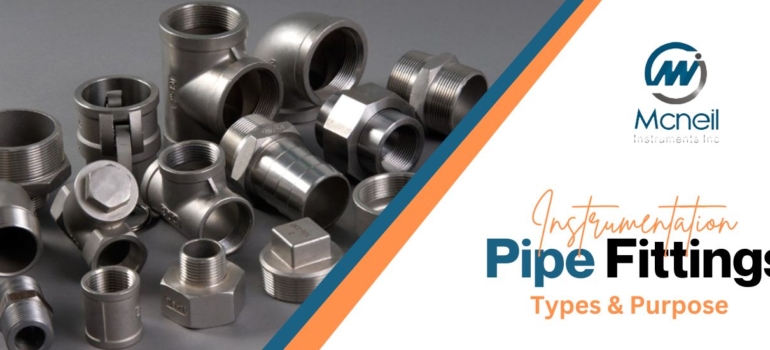
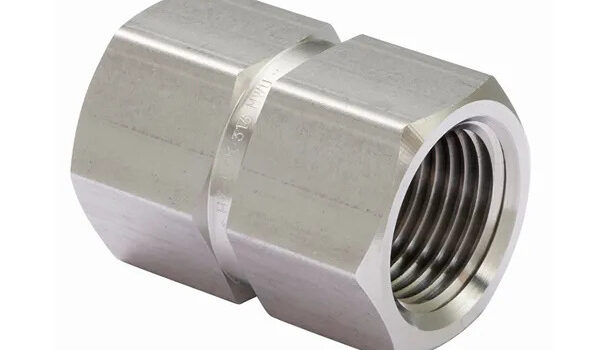
ASTM A234/A234M is a material specification covering wrought carbon steel and alloy steel piping fittings for moderate- and elevated-temperature service. Grade WPB is a commonly specified carbon steel grade used in industrial pressure piping applications. Depending on the applicable product standard and design, these fittings are available in configurations such as elbows, tees, reducers, and caps.
ASTM A234 WPB fittings are commonly selected for piping systems carrying water, steam, oil, gas, and other compatible process fluids. Their suitability depends on operating pressure, temperature, fluid characteristics, piping design, and the relevant engineering code.
Why Are ASTM A234 WPB Fittings Used in Demanding Piping Systems?
- Mechanical strength
Carbon steel WPB fittings provide mechanical properties suited to many industrial pressure-piping applications. The fitting grade, wall thickness, dimensions, and design conditions must be considered together to ensure the completed system meets its requirements. - Suitability for elevated temperatures
ASTM A234 covers fittings intended for moderate- and elevated-temperature service. However, the allowable operating temperature and pressure depend on the material properties at the design temperature, the applicable piping code, and the complete system design. - Multiple fitting configurations
Different fitting configurations help engineers design piping layouts that accommodate changes in direction, branch connections, and pipe diameter.
Elbows: Change the direction of flow.
Tees: Create branch connections.
Reducers: Connect pipes of different diameters.
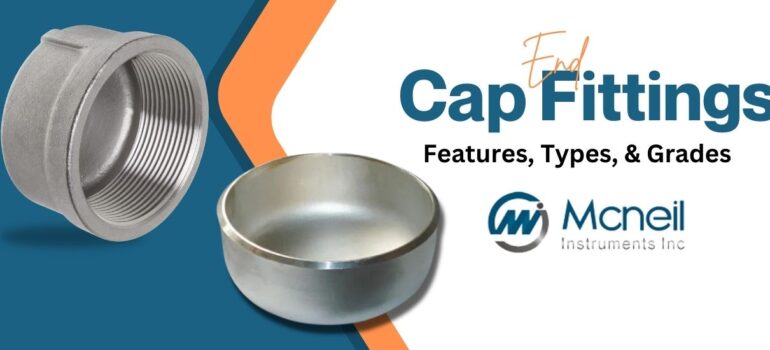
Caps: Close the end of a pipe. - Compatibility with industrial piping systems
ASTM A234 WPB fittings can be specified for compatible carbon steel piping systems when the material, dimensions, joining method, and design requirements align. Material compatibility and corrosion protection should be evaluated for the specific service.
Key industrial applications of ASTM A234 WPB pipe fittings
Oil and gas industry
WPB fittings are used in suitable process and utility piping systems for transporting compatible fluids. Selection depends on pressure, temperature, corrosion conditions, and project specifications.
Power generation
In power plants, carbon steel fittings may be used in steam, water, and auxiliary piping systems when their design conditions fall within the permitted material limits.
Petrochemical processing
ASTM A234 WPB fittings support process piping layouts that require directional changes, branch connections, and transitions between pipe sizes.
Industrial utilities
Compatible WPB fittings can be used in selected water, air, and other utility piping applications, subject to the operating conditions and applicable standards.
Important factors when selecting ASTM A234 WPB fittings
Before purchasing fittings for high-pressure or elevated-temperature piping, engineers and procurement teams should evaluate the following factors.
Operating pressure and temperature: Confirm the design pressure and design temperature of the complete piping system. Do not select fittings based on material grade alone.
Dimensions and wall thickness: Check nominal pipe size, schedule, fitting dimensions, end preparation, and dimensional tolerances against the piping drawings and applicable standards.
Applicable standards: ASTM A234/A234M specifies material requirements, while dimensional and design requirements are governed by the relevant product standards and piping code. ASME B16.9 is commonly relevant to factory-made wrought butt-welding fittings.
Material traceability: Review material test certificates and product markings to verify the specified grade and traceability requirements.
Inspection and testing: Confirm the required mechanical tests, heat treatment, dimensional inspections, and any additional examinations specified by the purchase order or applicable standard.
Corrosion and fluid compatibility: Evaluate the fluid composition, moisture, contaminants, and operating environment to determine whether carbon steel is appropriate and whether additional corrosion protection is necessary.
Quality assurance and procurement considerations
Reliable sourcing involves more than confirming the grade name. Buyers should verify the manufacturer’s documentation, product dimensions, material identification, inspection requirements, and compliance with the project specification.
For critical services, additional testing or third-party inspection may be required by the purchaser, engineering contractor, or applicable code. Requirements should be established before ordering to avoid delays during inspection and installation.
Mcneil Instruments supports industrial buyers looking for pipe fittings that meet defined project requirements. Procurement teams should provide the required grade, size, schedule, fitting type, quantity, applicable standards, and inspection documentation when requesting a quotation.
Conclusion
ASTM A234 WPB pipe fittings are an established option for many carbon steel piping systems operating under moderate and elevated temperatures. Their suitability for high-pressure applications depends on the complete engineering design, including material properties, dimensions, temperature-dependent pressure limits, fluid compatibility, and applicable codes.
By evaluating these factors and verifying material documentation, industrial buyers can make more informed procurement decisions. Mcneil Instruments can assist customers in identifying pipe fitting requirements in line with their project specifications.
Looking for ASTM A234 WPB Pipe Fittings?
Mcneil Instruments supports industrial piping projects with pipe fitting solutions aligned with customer specifications and application requirements. Contact our team to discuss your required fitting types, sizes, schedules, material documentation, and inspection requirements.
Request a quotation today and share your project specifications with Mcneil Instruments for assistance with your carbon steel pipe fitting requirements.
Frequently asked questions
- What is ASTM A234 WPB used for?
ASTM A234 WPB specifies wrought carbon steel fittings used in pressure piping and pressure-vessel fabrication for moderate- and elevated-temperature service. - Are ASTM A234 WPB fittings suitable for high-pressure applications?
They can be used in appropriately engineered pressure-piping systems. Suitability depends on the design pressure, temperature, fitting dimensions, material properties, and applicable piping code. - What types of fittings are available in ASTM A234 WPB?
Common configurations include elbows, tees, reducers, and caps. Availability and dimensional requirements depend on the applicable fitting standard and manufacturer. - Which standard applies to ASTM A234 WPB butt-weld fittings?
ASTM A234/A234M covers the material specification. ASME B16.9 commonly covers dimensions and tolerances for factory-made wrought butt-welding fittings. Other fitting types may require different standards. - Can ASTM A234 WPB fittings be used in steam lines?
Yes, in suitable steam piping applications when the grade and fitting design meet the specified pressure, temperature, and code requirements. - What documents should buyers request when purchasing WPB fittings?
Depending on the project, buyers may request material test certificates, grade and heat-number traceability, dimensional inspection records, test reports, and any specified third-party inspection documentation. - How do I choose the right ASTM A234 WPB fitting size?
Confirm the nominal pipe size, schedule, fitting configuration, end connection, and applicable dimensional standard using the approved piping drawings and project specifications. - What is the difference between ASTM A234 WPB and ASTM A105?
ASTM A234 WPB is used for wrought carbon steel piping fittings, while ASTM A105 covers carbon steel forgings for piping applications, including many forged flanges and fittings. They are different material specifications and are not interchangeable solely by name.