What Type of Fittings Should Be Used With Polyethylene Pipe

What Type of Fittings Should Be Used With Polyethylene Pipe

When working with polyethylene (PE) pipes, selecting the appropriate fittings is crucial to ensure a reliable and leak free piping system. PE pipes are widely used in various applications such as water supply, drainage, and gas distribution due to their flexibility, durability, and chemical resistance. However, the choice of fittings plays a significant role in determining the overall performance and integrity of the piping network. Various types of fittings are available for connecting PE pipes, each designed for specific purposes and installation methods. Understanding the characteristics and applications of different fittings is essential for achieving optimal results in PE piping systems.

What Is a Pipe Fitting?

Pipe fittings connect and hold different parts of pipes together in a plumbing system. They help create a system that carries water, gas, or other liquids throughout a building. These fittings do different jobs like changing the direction of flow, controlling how fast things move, and sealing off parts of the pipes. They come in different shapes, sizes, and materials like copper, iron, plastic, and steel. Each type of fitting is used for different needs and choices you might have.

Polyethylene pipe fittings are widely used in various applications due to their durability, flexibility, and resistance to corrosion. These fittings are essential for connecting polyethylene pipes in plumbing, irrigation, gas distribution, and many other industries.

What are Polyethylene Pipe Fittings?

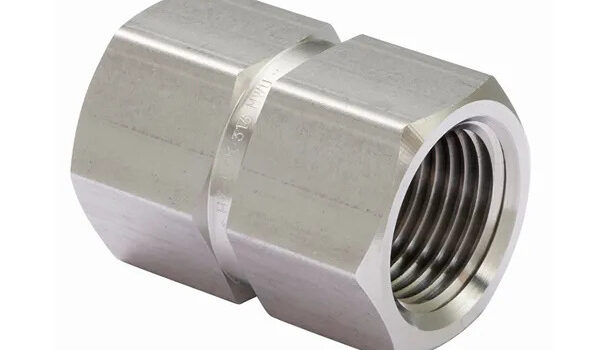
Polyethylene pipe fittings are connectors used to join sections of polyethylene pipe together or to connect the pipe to other types of piping or fittings. They come in various shapes and sizes to accommodate different piping configurations and ensure a secure, leak-proof connection.

Type of Fittings Should Be Used With Polyethylene Pipe

Polyethylene (PE) pipes are commonly used in various applications such as water supply, drainage, and gas distribution due to their flexibility, durability, and chemical resistance. When it comes to fittings for PE pipes, there are several options available, each suitable for different purposes. Here are some common types of fittings used with polyethylene pipes:

High density polyethylene (HDPE) pipes and fittings :  HDPE pipes and fittings are strong and durable because they’re made from a tough type of plastic. They can resist sunlight, rust, and chemicals. You can find them in different sizes and strengths for use above or below the ground.

Medium density polyethylene (MDPE) pipes and fittings : MDPE pipes and fittings are a bit flexible but still strong. They’re mostly used for carrying gas because they can handle high pressure without breaking.

Low density polyethylene (LDPE) pipes and fittings : LDPE pipes and fittings are flexible and easy to handle. They’re commonly used in irrigation systems because they can handle low pressure and won’t easily crack.

Cross linked polyethylene (PEX) pipes and fittings : PEX pipes and fittings are made from a special type of plastic that’s been made stronger and more flexible by linking its molecules. They’re often used in plumbing and heating systems because they can handle high heat and won’t rust.

Compression fittings: Compression fittings are popular for connecting PE pipes because they are easy to install and provide a reliable joint. These fittings typically consist of a compression nut, an O-ring or gasket, and a compression ring. They work by compressing the pipe against the fitting, creating a tight seal.

Electrofusion fittings: Electrofusion fittings utilize heat generated by an electric current to melt the pipe and fitting materials together, forming a strong, leak-proof joint. Electrofusion fittings are commonly used for joining PE pipes in gas distribution systems and other applications where a high-integrity joint is required.

Butt fusion fittings: Butt fusion fittings involve heating the ends of the pipes and then pressing them together to create a fusion joint. This method creates a seamless connection that is as strong as the original pipe material. Butt fusion fittings are commonly used in water and wastewater systems, as well as industrial applications.

Heat fusion saddles: Heat fusion saddles are used to create branch connections on PE pipes without the need for additional fittings. They involve cutting a hole in the pipe, heating the saddle and pipe surfaces, and then fusing them together to create a watertight seal. Heat fusion saddles are often used in irrigation and water distribution systems.

Flanged fittings: Flanged fittings are used to connect PE pipes to valves, pumps, and other equipment using bolted flanges. Flanged connections provide a strong and durable joint that can be easily disassembled for maintenance or repair.

Mechanical fittings: Mechanical fittings, such as couplings and adapters, provide a convenient way to connect PE pipes to other pipes or fittings without the need for fusion or welding. These fittings typically use gaskets or O-rings to create a seal and may require tightening with bolts or clamps.

When selecting fittings for PE pipes, it’s essential to consider factors such as the application, operating conditions, pressure, and temperature requirements to ensure a proper and reliable connection. Additionally, always follow the manufacturer’s recommendations and guidelines for installation and use to ensure the integrity and performance of the piping system.

Standard Names of Pipe Fittings

Pipe fittings come in different shapes and sizes, and each serves a specific purpose. Here are ten common pipe fittings explained in simpler terms:

Gaskets: Gaskets are like rings used to seal connections between pipes. They come in different materials and shapes depending on the type of connection you have.

Pipe Elbows: Pipe elbows help change the direction of the pipe’s flow. They come in 90-degree and 45-degree angles, and there are two types: long radius (which is smoother) and short radius (which takes up less space but causes more pressure).

Pipe Bend: Pipe bends are like gentle curves in the pipe. They’re used when you need a smooth change in direction to avoid pressure build-up. They come in different sizes, like 3D and 5D, which refer to the curve’s length.

Pipe Tee: A pipe tee looks like the letter “T” and is used to split the flow of fluid from the main pipeline. There are different types, like straight tees (which have the same diameter), reducing tees (which have smaller branches), barred tees (used in special pipelines), and wye tees (which connect pipes at a 45-degree angle to reduce friction).

Cross: A cross looks like a plus sign and has one inlet and three outlets. It’s mainly used in fire sprinkler systems, not regular plumbing.

Pipe Reducers: Pipe reducers make a pipe narrower. There are two types: concentric and eccentric. Concentric ones keep the middle of the pipe at the same height. They’re used when two different pipe sizes need to be the same in the middle of a system. Eccentric ones help keep the bottom of the pipe at a certain level, so the outside surface of the pipe stays level.

Pipe Caps: At the end of a plumbing system, there’s a cap. It covers the end of the pipe to stop leaks.

Stub Ends: Stub ends do the same thing as pipe caps but are used with lap joint flanges.

Piping Unions: These are used for pipes with low pressure that need to be taken apart often. They have three parts: a female end, a male end, and a nut. The nut, along with the female and male ends, creates a strong seal.

Pipe Coupling: There are three types: full, half, and reducing. Full couplings connect small pipes. Half couplings connect a small pipe to a large one. Reducing couplings connect two pipes of different sizes.

Selecting the right fittings for polyethylene (PE) pipes is crucial for ensuring a reliable and efficient piping system. Whether it’s compression fittings, electrofusion fittings, or other types mentioned above, each serves a specific purpose based on the application and installation requirements. Understanding the characteristics and applications of different fittings is essential for achieving optimal performance and durability in PE piping systems. By following manufacturer guidelines and considering factors such as pressure, temperature, and operating conditions, you can ensure a proper and leak free connection throughout your plumbing network.

People also Search

POLY PIPE FITTINGS, POLYETHYLENE PIPE FITTINGS, BLACK POLY PIPE FITTINGS, POLYETHYLENE PIPE COUPLING, PE FITTINGS NAMES, POLYETHELENE PIPE FITTINGS, PE FITTINGS, POLYETHYLENE FITTINGS, PE PIPES AND FITTINGS, 1 INCH POLYETHYLENE PIPE FITTINGS, POLYPIPE FITTINGS, TYPE OF FITTINGS, CAN YOU USE COMPRESSION FITTINGS ON HDPE PIPE? UNDERSTANDING COMPATIBILITY AND BENEFITS, POLYETHYLENE FITTING, POLYETHYLENE PIPE CONNECTORS, BLACK POLYETHYLENE PIPE FITTINGS, HOW TO CONNECT POLYETHYLENE PIPE, POLYETHYLENE WATER PIPE FITTINGS, CAN I USE PEX FITTINGS ON POLYETHYLENE PIPE, POLYCOP PIPE FITTINGS, WHAT TYPE OF JOINTS ARE COMMONLY USED TO JOIN PE AND PEX TUBING? POLYETHYLENE PIPE FITTING
Read More
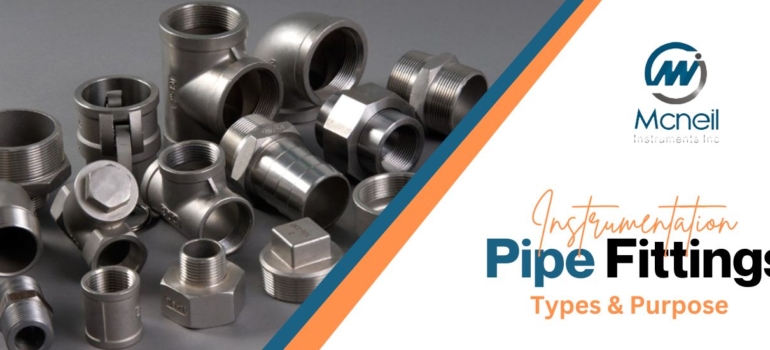
Types of Pipe Fittings & there Purpose - Mcneil Instruments Inc.

Pipe Fittings in Plumbing Systems

Pipe fittings are used in plumbing systems as connectors to join various pipe or tube pieces. They are essential for regulating the flow of fluids like gas and water since they can take on a variety of forms and sizes. Located in both residential and commercial buildings, these fixtures are necessary for controlling gas flow, handling waste, and supplying water. More complicated plumbing systems are made possible by their ability to expand, change sizes, and travel greater distances. Fittings must be flexible to build effective networks and guarantee that plumbing systems operate properly in a variety of settings.

Types of Pipe Fittings & their Purpose

Pipe fittings, sometimes referred to as pipe connectors, join two pipes in a plumbing system to extend the run or reverse the direction of flow. Pipe fittings, such as elbows and tees, are a type of piping component that aids in altering the flow’s direction. modifies pipe sizes, such as reducing tees and reducers. Attach various parts, like couplings, and halt flows, like caps. They come in a range of sizes to fit the pipe they will connect, and they are used to combine, divert, or reduce the flow of the water supply.

Types of Pipe Fittings

When it comes to plumbing, there are Various kinds of pipe fittings. The list of pipe fittings used in plumbing work and Industrial use is below:

Coupling Pipe Fittings:

A pipe coupling is used to permanently join two pipes by sliding them over one another exteriors. A coupling that joins a larger pipe to a smaller size can be referred to as a reducer, or reducing coupling. This reduces flow. When joining two different types of pipes, couplings are used.

Plug & Union Pipe Fitting:

Plug and Union are similar to caps in that they are used at the end of a pipe to seal the opening. The distinction is that while caps fit over the opening, plugs fit into threaded pipe openings to create seals. They are frequently discovered at sewage system clean-out sites.

End Cap Pipe Fitting:

End cap pipe fittings are similar to caps in that they are used at the end of a pipe to seal the opening. A hat To stop the flow of gas or water, pipe fittings are placed over the end of the pipe. These fittings can be used to temporarily cut off the supply during a plumbing project or as the permanent termination point for a pipe.

Female Branch Tee Pipe Fitting:

Female branch tees are another widely used kind of pipe fitting. The female branch tee connects fractional tubes to male NPT threads, whereas the male branch tee connects to a female NPT thread. This is the primary distinction between the male and female branch tees. These fittings are widely used in many different industries and are available in inch and metric tube sizes.

Female Elbow Pipe Fitting:

female elbows A common type of pipe fitting is one that allows a pipe run to change direction at an angle. Connecting a fractional tube to a female tapered pipe thread requires a male pipe elbow, but connecting a fractional tube to a male NPT thread requires a female elbow. These particular pipe fittings, such as female elbows, are intended for use with equipment used in pulp and paper, chemical, petroleum, electronic, and process facilities. They are also intended for use with instrumentation, process, and control systems.

Male Run Tee Pipe Fitting:

Male Run tees are Tee Connectors that have ferrule-type joints on the other two ends and male pipe threads on the run side of the tee joint. It is made up of seven expertly manufactured parts, including two body parts. Two back ferrules, two front ferrules, and two nuts. High-pressure leakproof tee joints are achieved in metal tubing by swaging ferrules on the outside diameter (OD) of the tubing at two angular ends and connecting the third end to a female threaded open port.

Female Run Tee Pipe Fitting:

Female Run Tees are a sort of pipe fitting that is typically used to join different fractional pipes. They are simple to assemble. The fractional link between the male NPT thread and these female tees is formed. These basically have three connection points, two of which go from the fittings left to right and the other which splits off. These fittings guarantee prompt branch connections. The fittings are made of a variety of materials, including rubber, carbon steel, plastic, and stainless steel.

Criteria for choosing pipe fittings:

When selecting pipe fittings, a few things need to be taken into account. They are listed in the following order:

Connectivity types: You should know that there are two possible connector types for pipe fittings when making your purchase. A female threading may be used on one end of the fitting and a male threading on the other. In the case of metal fittings, one end may be male slip and the other threaded. Additionally, they can have matching ends to meet any needs.

Construction materials: Generally speaking, the pipe fitting and the pipe it is intended to be installed in should be made of the same material. Materials that adhere to specific norms or codes, however, can occasionally be utilized in pipes made of different materials.

Verify the flow: The ends of pipe fittings should be somewhat larger than the pipe itself in order to allow for connections without causing the inner diameter (ID) of the pipe to narrow and compromise flow consistency.

Fitting type: In addition to the materials used for the pipe, pipe fittings can be distinguished by their threaded, slip, male, or female connections.

Size: It should be noted that when determining the size of pipe fittings, female fittings are measured to the inside edge of the inlet, or ID, while male threaded fittings are measured to the outside edge or OD.

Thickness: The pipe fittings come in a variety of thicknesses or “schedules,” just like the pipes.

Design: Every pipe or tube is made to transport a certain kind of liquid, gas, or chemical under a range of circumstances. As a result, a range of designs are also available for the pipe fittings.

Codes and standards: The various pipe fittings are graded according to standards and codes established by different organizations. Certain standards, including ASTM, ASME, BSP, and others, are applied to pipe fittings and specify how they must be used.

Pipe Fittings according to Uses:

Pipe fittings can be divided into the following categories based on the functions they serve:

Fitting PurposeFitting Types
Pipe fittings for finishing off or extending lines of pipeCouplings, Plug and Union, & end Caps
Fittings to reverse the direction of a pipeFemale Elbow
fittings for pipes that join two or more pipesFemale Branch Tee, Male run Tee, Female Run Tee, Cross Fittings
Pipe fittings to adjust the size of the pipeCouplings, Bushings, Reducers
Pipe fittings for controlling or adjusting flowValve Fittings
Pipe Fitting ToolsPipe Fasteners

Conclusion

For any pipes and plumbing systems utilized in commercial and industrial applications, pipe fittings are in high demand. Pipes can be linked, installed, and terminated or closed as needed with the use of fittings. They are a crucial component of plumbing and pipe systems. Many thousands of specialty fittings are produced. Although each kind of pipe or tube needs a different kind of fitting, most pipe fittings have a few characteristics in common. Mcneil Instruments Inc. Is one of the best  Pipe fittings Manufacturers, Suppliers, & Exporters

#pipefittings #couplingpipefitting #plugpipefitting #unionpipefitting #cappipefitting #feamlebranchteepipefitting #femaleelbowpipefitting #malerunteepipefitting #femalerunteepipefitting

Read More
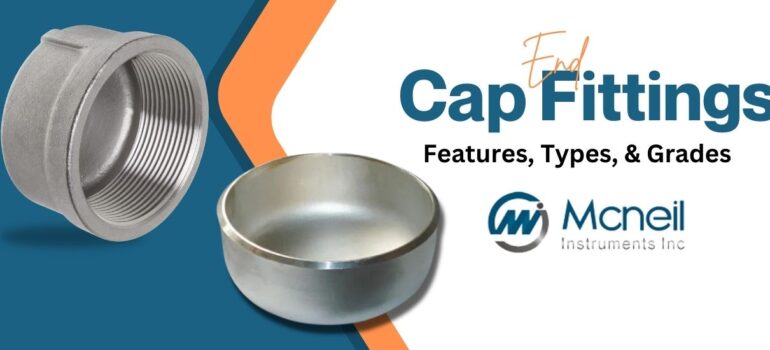
Features, Types, & Grades of End Cap Pipe Fittings

Features, Types, & Grades of End Cap Pipe Fittings

Pipe caps are made to cover pipe ends of various forms and serve as a protective measure. End Cap Pipe Fittings are mostly used to waterproof the connections. Additionally, they are employed to seal the extremities of hydraulic or pneumatic pipelines and tubes. They are utilized in the machinery, processing equipment, and plumbing systems for home, commercial, and industrial water supply lines. Additionally, they are installed on water pump lines with the express objective of eliminating air obstructions. Pipe caps are a significant class of pipe fittings that are in great demand.

Pipe End Caps are a particular kind of fitting that are mostly utilized to cover a pipe end. This prevents the entry of impurities such as water, dampness, dust, and others. Additionally, it aids in avoiding material damage. Devices called pipe end caps aid in protecting the pipe ends. They come in a variety of forms and sizes and are constructed from a variety of materials. End cap pipe fittings typically have a tear tab or strip to make removal simple. They assist in lowering pressure dips and maintaining the cleanliness of a pipe’s inside in addition to safeguarding the end.

Pipes End Capes Grades & Material Used:

Aluminum and steel are two materials that are frequently utilized in manufacturing. They are both extremely strong and bendable. Steel is more difficult to work with than aluminum. Monel Pipe End Caps are ideal for usage on components of high-volume manufacturing lines. For lighter-weight piping, particularly that which is flexible enough to be provided in coiled form, nickel alloy pipe end caps are occasionally utilized. Inconel Pipe End Caps are excellent for point-of-purchase displays, racks, shipment protection, dust coverings, and other finishing applications on metal items. Another common material for end caps is rubber. They are employed in many different processes, including as masking, temporary covering, and pumping.

The buyer should constantly consider the material of the fitting before choosing pipe caps since a wide range of materials are utilized to make pipe caps. Among the frequently utilized materials are:

Stainless Steel Pipe End Caps: ASTM A403 WP316/316L, ASTM A403 SA / A 774 WP-S, WP-W, WP-WX 304/304L, ASTM A182 F316L, 304L, DIN 1.4301, DIN1.4306, DIN 1.4401, DIN 1.4404

Duplex & Super Duplex Steel Pipe End Caps: ASTM A 815, ASME SA 815 UNS NO S31803, S32205. UNS S32750, S32950. Werkstoff No. 1.4462

Carbon Steel Pipe End Caps: ASTM A234, ASME SA234 WPB, WPBW, WPHY 42, WPHY 46, WPHY 52, WPH 60, WPHY 65 & WPHY 70.

Alloy Steel Pipe End Caps: ASTM A234, ASME SA234 WP1 / WP5 / WP9 / WP11 / WP22 / WP91

Nickel Alloy Pipe End Caps: ASTM B336, ASME SB336, Nickel 200 (UNS No. No2200), Nickel 201 (UNS No. N02201), Monel 400 (UNS No. N04400), Monel 500 (UNS No. N05500), Inconel 800 (UNS No. N08800), Inconel 825 (UNS No. N08825), Inconel 600 (UNS No. N06600), Inconel 625 (UNS No. N06625), Inconel 601 (UNS No. N06601), Hastelloy C 276 (UNS No. N10276), Alloy 20 (UNS No. N08020), Titanium (Grade I & II), Cupro-Nickel 70/30, CuNi10Fe1Mn, CuNi30Mn1Fe.

Low Temperature Carbon Steel Pipe End Caps: ASTM A420 WPL3, A420 WPL6

Different Features of End Cap Pipe Fittings

Before purchasing pipe caps in bulk, the buyer should take into account a number of crucial criteria. The following crucial requirements must be taken into account:

NPT (National Pipe Thread) size: This characteristic is appropriate for caps with a round form when the item that has to be protected has a male NPT thread.

BSP (British Standard Pipe) size: This size choice is only appropriate for caps with a round form and a male BSP thread on the item to be capped.

Diameter: Only round caps and plugs may be made with this crucial size. The primary thread diameter is the most crucial factor to take into account when fittings have straight threads. However, when a cap, plug, or item to be capped has a tapered (NPT or BSP) thread, its size is not a crucial factor to take into account.

Shape: The size and shape of pipe caps are other crucial factors to take into account. distinct pipe caps have distinct features. Features include:

  • Round Caps: The flange, slotted head, knurled or faceted head, retaining head, and tear tab are all common characteristics of round caps. A flange is designed to make it simple to remove pipes or tubes or to provide additional protection. Additionally, flanges aid in preventing inadvertent plug ejection through the aperture. A screwdriver makes it simple to put on or take off slotted caps. Typically, only threaded caps and plugs are intended to be used with knurled or faceted heads. Installation and removal are hassle-free using facets or knurls. It is simple to remove pipe caps that have a tear-tab or strip supplied.
  • Square or Rectangular Cap: When choosing a square or rectangular cap, the length and breadth should be taken into account the most. For square caps, the length and breadth are the same dimension, but the width is the smaller cross sectional measurement for rectangular caps.

Types of End Cap Pipe Fittings

There are many various varieties of pipe caps, and the type varies depending on the use. The correct sort of pipe cap must be known by the customer since pipe caps differ according to their construction features. Pipe caps come in the following varieties based on their construction:

Threaded End Cap Pipe Fittings

The threads on these caps are female. The thread, commonly known as an NPT, can be straight or tapered. often, plugs have a male thread, whereas caps often have a female thread. A threaded fitting called an ASME B16.11 threaded cap is often liquid or gas tight. Threaded Pipe Caps assist in resisting repeated tightening cycles that cause threads to loosen during drilling. Depending on the needs, a threaded end cap can be screwed or welded on a pipe.

Tapered End Cap Pipe Fittings

These hats’ tapering sides provide a snug fit. Some of these fittings have two different uses: as plugs or as caps. Male and female NPT threads, straight tubes and bars, and male straight threads all work well with tapered caps and plugs due to their versatility. These fittings have a tapered body to offer a solid friction fit and to make removal simple.

Anti-roll End Cap Pipe Fittings

These caps have a somewhat square end and a circular shape. Rolling pipes and tubes are stopped as a result. When shipping expensive merchandise at work or on the job, anti-roll caps can be used to safeguard the ends of a shaft, tube, pipe, fitting, connector, screw, bar, or any other shape. They are a specially designed vinyl plastic cap with square ends to prevent rolling.

Conclusion

Pipe caps are essential protective measures for pipe ends, used to waterproof connections, seal hydraulic or pneumatic pipelines, and prevent material damage. They come in various forms and sizes and are made from various materials, such as aluminum, steel, nickel alloy, Inconel, rubber, and more. There are various types of pipe caps, including threaded, tapered, and anti-roll end caps. Threaded caps have female threads, while tapered caps provide a snug fit and can be screwed or welded on a pipe. Anti-roll caps have a slightly square end and circular shape, preventing rolling pipes and tubes from being obstructed. Mcneil instruments Inc. is one of the best Manufacturer, Supplier, & Exporter of End Cap Pipe Fittings in India.

Read More

Types, Applications, and Using Benefits of Tube Fittings

Tube fittings are an essential component in the piping and tubing systems of many industries. These fittings provide a safe and efficient way to connect, disconnect, and control the flow of fluids or gases in various applications. In this blog, we will discuss the different types of tube fittings, their applications, and the benefits of using them in various industries. Mcneil Instruments Exporting their Tube Fittings Worldwide

Some of the most common types of tube fittings

Types of Tube Fittings There are many types of tube fittings available in the market, each designed to fit a specific application.

  1. Compression Fittings – These fittings are used to connect two pipes or tubes by compressing a ring onto the pipe or tube.
  2. Push-In Fittings – Also known as quick-connect fittings, push-in fittings are used to connect two pipes or tubes by simply pushing them together.
  3. Flare Fittings – These fittings are used in high-pressure applications and have a cone-shaped end that seals the tube with a nut.
  4. Barbed Fittings – These fittings have barbs or ridges that grip the inside of the tube and provide a secure connection.
  5. Camlock Fittings – These fittings are used in the transfer of fluids and are designed for quick and easy connection and disconnection.

Applications of Tube Fittings

Tube fittings are widely used in various industries, including:

  1. Oil and Gas Industry – Tube fittings are commonly used in the oil and gas industry for fluid and gas transfer applications.
  2. Chemical Industry – The chemical industry uses tube fittings for handling hazardous and corrosive materials.
  3. Pharmaceutical Industry – The pharmaceutical industry uses tube fittings in the manufacture of drugs and medical devices.
  4. Food and Beverage Industry – Tube fittings are used in the food and beverage industry for the hygienic transfer of fluids and gases.

Benefits of Using Tube Fittings

Using tube fittings in your piping and tubing system can offer several benefits, including:

  1. Easy installation: Tube fittings are designed for easy installation, with minimal tools and expertise required. This makes them a popular choice for many industries and applications.
  2. Leak-free connections: Tube fittings create a secure and tight seal, which prevents leaks and ensures the efficient flow of fluids or gases.
  3. Versatility: Tube fittings are available in a wide range of sizes, materials, and configurations, making them suitable for a broad range of applications.
  4. Durability: Tube fittings are typically made from high-quality materials, such as stainless steel, brass, or aluminum, which makes them durable and long-lasting.
  5. Corrosion resistance: Many tube fittings are designed to resist corrosion, making them ideal for use in harsh environments where corrosive substances are present.
  6. Flexibility: Tube fittings can be easily disconnected and reconnected, allowing for easy maintenance and repair.

Overall, tube fittings are a reliable, cost-effective, and efficient solution for many industries and applications.

Conclusion

In conclusion, Mcneil Instruments Inc. is Tube Fittings Manufacturer, supplier, and Exporter in India. Tube fittings are an essential component of any piping and tubing system, providing a safe and efficient way to connect, disconnect, and control the flow of fluids or gases in various applications. With their easy installation, secure connection, durability, and versatility, tube fittings are a reliable choice for many industries.

Read More
Coupling Pipe Fittings Manufacturers, Suppliers, Exporters in India

A Detailed Guide to Coupling Pipe Fitting Manufacturers India

Introduction

Do you need to source a pipe fitting manufacturer in India? Look no further! This comprehensive guide will provide you with the information and resources you need to find the best coupling pipe fitting manufacturer in India, while taking cost and quality into consideration.

From understanding what types of pipe fittings are available in India to learning about the specific regulations that must be followed, this guide covers it all. You’ll learn about all the key features to look for when selecting a pipe fitting manufacturer in India, as well as tips and tricks for sourcing top-quality products at competitive prices.

By the end of this article, you will have all the knowledge and resources necessary to find the perfect coupling pipe fitting manufacturer for your needs. Let’s get started!

What Is a Coupling Pipe Fitting and Its Use?

Coupling pipe fittings are devices used to connect multiple pieces of pipe or tubing together. They are available in a wide range of sizes, materials, and connection types, allowing them to be used in a variety of applications. These fittings come in two main categories: flanged and threaded couplings. Flanged couplings are usually used to join two pieces of pipe that have different diameters and threaded couplings are more often used to join pipes with the same diameter.

When selecting the right coupling for your project, it is important to consider factors such as the material specification and pressure ratings, as well as its shape and size. It is also important to choose a coupling that is compatible with the existing pipe fitting manufacturer in India. Knowing all the factors involved will help you find the best possible solution for your project.

Overview of the Different Types of Coupling Pipe Fittings Available

India is one of the world’s largest producers of coupling pipe fittings and you’ll find a wide variety of different types used in industrial and commercial applications. They can be made from a range of materials, including brass, steel, iron, stainless steel and plastic, so you need to choose the coupling pipe fittings that best suit your application.

Here’s an overview of the different types of coupling pipe fittings available:

  • Socket Weld Couplings: These are made from high-grade materials like stainless steel, brass or carbon steel and are typically used for connecting pipes that require airtight seals.
  • Threaded Couplings: This type of coupling is ideal for connecting pipes with male threads on both ends. It can be used in low-pressure applications such as plumbing systems or water supply lines.
  • Push Fit Couplings: This type of coupling is designed to create a secure connection between two pieces without the need for any tools. They are primarily used in plumbing systems to allow easier installation and repair work.
  • Compression Fit Couplings: Compression fit couplings use a compression nut and sleeve to create an airtight seal between two pieces when tightened into place. They are ideal for use in high pressure water systems or where extra security is needed.

No matter what type of application you have in mind, India has an extensive range of reliable manufacturers offering quality pipe fittings at competitive prices.

Read More
Coupling Pipe Fitting

The Different Kinds of Pipe Fittings

Pipe fittings are parts that you can use to connect different sections of the pipe along with other products that are used to control fluids, such as pumps or valves. The most common use of these is to connect metal or plastic pipes, which carry fluid material. 

Pipe fittings are also used in order to block or extend existing pipes. However, there are numerous uses and types of pipe fittings that are available in the market. Any reliable pipes manufacturers will be able to educate you on the various kinds of pipe fittings available and which is the best one for you.

Pipe fittings are essential components in any piping system, playing a crucial role in connecting, controlling, and directing the flow of fluids through pipes. Whether you are working on a plumbing project, constructing a new building, or setting up an industrial system, understanding the various types of pipe fittings and their applications is vital. This guide provides an overview of the different kinds of pipe fittings, their uses, and how to choose the right type for your needs.

However, it is, of course, always important to do your own research before trusting a third party or any pipes manufacturers. Hence, let us try to understand the various kinds of pipe fittings and make our own judgment first.

Types of Pipe Fittings

Pipe fittings come in various shapes, sizes, and materials, each designed to fulfill a specific function in a piping system. Here’s a detailed look at some of the most common types of pipe fittings and their applications:

1. Elbow Pipe Fitting

Overview: Elbow pipe fittings are used to change the direction of the flow in a pipe. They come in various angles, including 22.5°, 45°, and 90°, allowing for flexible adjustments in the pipe’s direction.

Types:

  • Standard Elbow: Used when connecting pipes of the same diameter.
  • Reducer Elbow: Designed for connecting pipes of different diameters, often used to accommodate changes in pipe size.

Applications: Elbows are commonly used in both residential and industrial settings to navigate around obstacles or to create specific flow paths.

Keywords: Elbow Pipe Fitting, Types of Pipe Fittings for Plumbing, Types of Pipe Fittings and Their Functions

2. Reducer Pipe Fitting

Overview: Reducer pipe fittings are utilized to transition from a larger pipe diameter to a smaller one. This is essential for controlling the flow rate and pressure within the system.

Types:

  • Concentric Reducer: Shaped like a cone, it gradually decreases in diameter.
  • Eccentric Reducer: Features one edge that is parallel to the pipe it connects, helping to maintain a consistent flow.

Applications: Reducers are often used in water distribution systems, oil and gas pipelines, and various industrial processes.

Keywords: Reducer Pipe Fitting, Pipe Fittings Types for Construction, Pipe Fittings for Different Applications

3. Tee-Type Pipe Fitting

Overview: Tee-type pipe fittings are designed to connect three pipes, creating a “T” shape. They have one input and two output ports, allowing for the branching of the fluid flow.

Types:

  • Equal Tee: All three ports are of the same size.
  • Reducing Tee: One of the ports is of a different size than the others.

Applications: Tee fittings are widely used in water supply systems, heating systems, and drainage systems.

Keywords: Tee-Type Pipe Fitting, Common Pipe Fittings Types, Pipe Fitting Types and Applications

4. Cross-Type Pipe Fitting

Overview: Cross-type pipe fittings are used to connect four pipes at a single point, forming a cross shape. This type of fitting is designed to handle more stress and pressure.

Applications: Primarily used in fire sprinkler systems, cross fittings are essential for creating complex piping networks.

Keywords: Cross-Type Pipe Fitting, Various Pipe Fittings Explained, Types of Pipe Fittings for Industrial Use

Different Pipe Fittings and Their Uses

Understanding the various types of pipe fittings and their specific uses can help you select the right fitting for your project. Here’s a brief overview of some additional fittings and their applications:

  • Coupling: Used to connect two pipes of the same diameter, often used for extending pipe lengths or making repairs.
  • Union: Allows for the easy disconnection of pipes without removing them from the system. It is commonly used in systems where maintenance is required.
  • Cap: Used to close the end of a pipe, often used for capping off unused pipe sections.
  • Plug: Similar to a cap but designed to fit inside the pipe, often used for sealing purposes.
  • Nipple: A short piece of pipe with male threads on both ends, used to extend the length of pipes or connect fittings.

Choosing the Right Pipe Fitting

When selecting pipe fittings, consider the following factors:

  1. Material Compatibility: Ensure that the material of the fitting matches the pipe material to avoid compatibility issues. Common materials include PVC, steel, brass, and copper.
  2. Size and Pressure Rating: Choose fittings that match the pipe diameter and can handle the pressure of the system.
  3. Application Requirements: Consider the specific requirements of your project, such as temperature, fluid type, and flow direction.
  4. Manufacturer Reliability: Work with reputable pipe manufacturers who can provide high-quality fittings and offer guidance on the best choices for your application.

Pipe fittings are indispensable components in various piping systems, from residential plumbing to industrial applications. By understanding the different types of pipe fittings and their uses, you can make informed decisions that ensure the efficiency and reliability of your piping systems. Always consult with reliable pipe manufacturers or suppliers to get the best quality fittings suited to your needs.

For top-quality pipe fittings and expert guidance, consider reaching out to Mcneil Instruments Inc, one of the leading pipe manufacturing companies in India. They offer a wide range of fittings and can help you find the perfect solutions for your projects.

Pipe manufacturers in India can easily rip you off your money if you have not done your proper search. Thus, always make sure to know what you want before making a purchase. If you’re looking for the best quality pipe fittings, make sure to check out Mcneil Instruments Inc, as they are the leading pipes manufacturing companies in India.

Read More

Common pipe and pipe fitting myths busted

Pipe fittings are used almost everywhere. It is a crucial component of any construction project. To minimize setbacks and assure the plumbing system’s longevity, you must buy pipe fittings from the best pipe fitting exporters in India.

It is critical to find the right kind of pipe fitting, however, there are some misconceptions among people regarding pipe fittings, pipes and plumbing. But, don’t fret. In this article, we debunk some of the common misconceptions about pipes and pipe fittings.

Before learning about the misconceptions around pipe fittings, let us understand what pipe fitting exactly is.

What are pipe fittings?

A threaded fitting known as a pipe fitting is used to create various plumbing arrangements. Pipe fittings, sometimes referred to as pipe connectors, join two pipes together to extend the run or switch the flow in a plumbing system. These come in a range of sizes to fit the pipe they will attach to and are used to combine, divert, or lessen the flow of the water supply.

MYTH 1 – Plastic pipe fittings are weak

The idea that plastic pipe fittings are fragile is a prevalent misconception. This is untrue, the best pipe fitting exporters in India, make sure that they deliver premium quality pipe fittings. Also, the longevity of the pipe fittings mainly depends upon their usage. For instance, when choosing a pipe fitting make sure to select one that suits your needs. Take factors like temperature and pressure into account.

MYTH 2 – Plastic pipes are not suitable for the supply of drinking water

One of the most widespread misconceptions is that BPA, which is present in plastic pipe materials, contaminates the water passing through the pipes, rendering it unsafe to drink and even dangerous.

To supply houses and other facilities with drinking water, however, plastic pipes and plumbing fittings are approved for use and built from wholly different materials.

MYTH 3 – Pipe fittings cannot be reused

Many people believe that pipe fittings cannot be reused. However, that is not the case. Pipe fittings can be recycled. If you use the right sealant, all you have to do is remove and re-screw them into a different plumbing configuration.

Conclusion

Hopefully, this article has helped you get rid of all the misconceptions about pipe fittings. Pipe fittings are extensively used in today’s time. They are used in hospitals, homes and industries. Thus you must buy the right kind of pipe fittings for your needs.

Before buying pipe fittings make sure that you consider all the factors like usage, temperature and pressure of the medium, etc. This choice can seem daunting since there are many alternatives available in the market. However, this is where Mcneil instruments come to your rescue. They are the best instrumentation pipe fitting exporters in India. Now you longer need to worry about the quality and performance of your pipe fittings. They provide premium quality products that last longer. Be sure to get in touch with them. To avail more information, do check out their official website.

Read More

Different types of pipe fittings used in piping

What are pipe fittings?

Pipe fittings are the components that are used to connect or join two pipes that control or redirect the flow of liquid. Elbows and tees are piping system components that help to alter the flow direction. The pipe’s size is altered by reducers and reducing tees. Coupling and caps are used to start and stop flows respectively. Seeking the assistance of the best instrumentation pipe fittings suppliers in India can help you to get the best possible results at affordable pricing points and at your doorstep.

Types of pipe fittings offered by the best Best Pipe Fittings Suppliers in India

Various types of pipes are made up of materials such as brass, iron, PVC, etc that are offered by the best Pipe Fittings Suppliers. to adjust with the pressure and temperature. Here’s a list of different types of pipe fittings –

  1. Elbow pipe fittings

The flow direction between two pipes is reversed using elbows. 45 degrees and 90degrees elbow angles are the most common ones offered. To alter the pipe’s direction by 90 degrees, a 90-degree elbow is put between the pipes. offered in both long and short radius forms.

To shift the pipe’s direction by 45 degrees, a 45-degree elbow is fitted between the pipes. The other types of elbow pipe fittings also include long radius elbow, short radius elbow, and reducing elbow. With the assistance of instrumentation pipe fittings suppliers in India getting hold of the best Elbow pipe fittings is now easy to fulfill.

  1. Coupling

The same-diameter pipes are connected using couplings. To connect the ends of the pipe, they are welded, soldered or glued together. Most often couplings are used when there is a leakage. They are also used when a large plumbing line needs to be built and a single pipe length is not enough.

There are two types of couplings – compression coupling and slip coupling. A compression coupling is a standard connection that joins two pipes and stops leaks by positioning gaskets or rubber seals on either side, if no glue is given. Slip couplings feature two pipes that are arranged into one another and allow the inner pipe to slide up to a certain length.

  1. Union

Union connections are used in place of flange connectors in low-pressure small bore pipes when pipe dismantling is more frequently necessary. Three components make up a pipe union: a male end, a nut, and a female end. The male end has threads on the outside whereas the female end has threads on the inside. The pressure required to seal the connection when the male and female ends are connected is also provided by the nuts.

Conclusion These are some of the primary types of pipe fittings. If you are looking for the best pipe fitting supplier in India then McNeil instrument is the right option for you. They provide premium quality pipe fitting instrumentations in India. They are the best instrumentation pipe fitting suppliers in India.

Read More

Basic Things To Know About Pipe Fittings

Pipe fitting is a skilled job that requires the right number of tools and expertise. Doing it yourself would bring drastic changes to the finished work. If you are looking for pipe fittings, confused by the types, and uses, here is a guide for every beginner. 

Introduction to pipe fittings

A pipe fitting is a systematic process that forms a connection within the pipeline network. Pipe Fittings Manufacturers make these units in different sizes and varieties. What is the purpose of these different pipe fittings? Where can you find the best instrumentation Pipe fittings Manufacturer in India? We discuss these questions below.

Types and uses of pipe fittings

Pipe fittings come in so many types and all of them have various functions. You can buy these units from the Best Pipe Fittings Manufacturers in India.

  • Unions, caps, and coupling: These are the type of pipe fittings that help to extend or seal the pipes in a system.
  • Elbows: Pipe Fittings Manufacturers in India make elbow type of fitting to change the direction of a pipe.
  • Tees, cross, wyes: These are the type of fittings that can connect multiple pipes in a pipeline system.
  • Reducers, and bushings: If you wish to alter the size of a pipe, a reducer or bushing is employed.

Choosing the right fitting

Since there are so many different types of pipe fittings available, the process of choosing the right fitting for a job can become a little confusing. How do you make a decision in this regard?

When it comes to choosing pipe fittings, we need to consider materials as a priority. Depending on the pipe used and what fluid goes through it, the material must be chosen. If the fluid is reactive to plastic or rubber, choosing a fitting made of either of the two materials would be a blunder. Choose a material that does not affect whatsoever the flow or the liquid.

Temperature and pressure are other factors to consider. You need to make sure that the temperature and pressure of the fittings are appropriate for the purpose. These ratings can impact the use significantly.

The last parameter to consider is the design and its application. Buying the right-sized fitting can make all the difference to the system. If you have a specific job to do, a suitable pipe fitting would be needed. Get your supply of pipe fittings from the leading instrumentation Pipe fittings Manufacturer in India.

Final Overview

McNeil instruments are one of the Best Pipe Fittings Manufacturers in the country. They have a wide range of different types of pipe fittings, suitable for every need you may encounter. They are an experienced group of manufacturers with reputed customer service and consistent growth. If you ever find yourself in need of pipe fittings, buy them from the leading companies in the country for quality assurance and functionality. Be sure to conduct a thorough research before making the final decision of appointing professionals to resolve all your pipe fitting requirements.

Read More