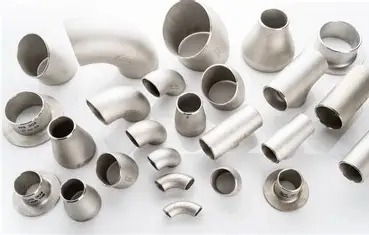
Stainless Steel 304L (UNS S30403 / Werkstoff 1.4306) is a low-carbon modification of the standard 304 stainless steel — the “L” indicating a maximum carbon content of 0.03%. This small adjustment dramatically enhances resistance to intergranular corrosion and sensitization during welding or high-temperature exposure.

Stainless Steel 304L Pipe Fittings – Manufacturer, Supplier & Exporter | Mcneil Instruments India

Introduction

In industries where reliability, corrosion resistance, and cleanliness define system efficiency, Stainless Steel 304L Pipe Fittings remain one of the most trusted choices worldwide.
At Mcneil Instruments India, we specialize in the manufacturing, supplying, and exporting of SS 304L Pipe Fittings that meet stringent international standards for mechanical strength, metallurgical integrity, and dimensional precision.

Our fittings are designed for demanding sectors — chemical plants, power stations, food & beverage units, oil & gas refineries, marine systems, and pharmaceutical facilities — where consistent performance under pressure and temperature extremes is critical.

Manufactured under ASTM A403 / ASME B16.9 / MSS-SP43 / DIN standards, each product undergoes 100% inspection and hydrostatic testing before dispatch. Whether it’s a seamless elbow or a welded tee, Mcneil’s Stainless Steel 304L Pipe Fittings ensure leak-proof joints, uniform flow, and long-term structural stability.


Understanding Stainless Steel 304L – Composition and Metallurgical Behavior

Stainless Steel 304L (UNS S30403 / Werkstoff 1.4306) is a low-carbon modification of the standard 304 stainless steel — the “L” indicating a maximum carbon content of 0.03%. This small adjustment dramatically enhances resistance to intergranular corrosion and sensitization during welding or high-temperature exposure.

Microstructure and Alloy Design

SS 304L is an austenitic chromium-nickel alloy, stabilized by a homogeneous microstructure that retains ductility and toughness across a broad temperature range. The alloy achieves its corrosion resistance through:

  • 18–20% Chromium (Cr): Forms a passive oxide layer that resists oxidation and surface scaling.
  • 8–12% Nickel (Ni): Improves toughness, formability, and pitting resistance.
  • Low Carbon (<0.03%): Prevents chromium carbide precipitation at grain boundaries.

This balance of chemistry makes 304L ideal for welded assemblies, pressure piping, and clean processing systems where long-term corrosion resistance and cleanliness are vital.


Detailed Chemical Composition

ElementContent (%)Role / Benefit
Carbon (C)≤ 0.03Reduces carbide precipitation and improves weld corrosion resistance
Manganese (Mn)≤ 2.00Improves hot workability and strength
Silicon (Si)≤ 1.00Enhances oxidation resistance during high-temperature service
Chromium (Cr)18.0 – 20.0Provides corrosion and oxidation resistance
Nickel (Ni)8.0 – 12.0Enhances ductility, toughness, and chloride resistance
Phosphorus (P)≤ 0.045Controlled to prevent brittleness
Sulfur (S)≤ 0.03Improves machinability within limits
Iron (Fe)BalanceMatrix metal providing structural strength

Mechanical & Physical Properties

PropertyMetric ValueSignificance
Tensile Strength≥ 485 MPaHigh load-bearing capacity
Yield Strength (0.2% Offset)≥ 170 MPaResists deformation under stress
Elongation≥ 35%Ensures ductility and flexibility
Hardness (HRB)≤ 90Ideal for machining and forming
Modulus of Elasticity193 GPaHigh rigidity under mechanical stress
Density8.00 g/cm³Indicates structural mass
Thermal Conductivity16.2 W/m·KMaintains dimensional stability
Melting Range1400–1450°CSuitable for high-temperature use

The low carbon content allows SS 304L to be welded, cold-formed, or machined without compromising corrosion resistance — a crucial advantage over 304 in fabrication-heavy applications.


Corrosion & Heat Resistance

304L stainless steel performs exceptionally in oxidizing, mildly reducing, and slightly acidic environments.
It resists oxidation up to 870°C (1600°F) in intermittent service and up to 925°C (1700°F) in continuous service.

Resistance Profile

  • General Corrosion: Excellent resistance in atmospheric and freshwater environments.
  • Intergranular Corrosion: Superior immunity post-welding due to low carbon.
  • Pitting/Crevice Corrosion: Effective in chloride solutions below 200 ppm.
  • Stress Corrosion Cracking: Resists cracking under neutral or slightly oxidizing conditions.

This makes 304L fittings suitable for welded piping, heat exchangers, dairy processing units, and chemical transport systems.


Manufacturing & Production Standards

At Mcneil Instruments India, all 304L pipe fittings are manufactured under controlled metallurgical and mechanical conditions to ensure consistency.

Production Process

  1. Raw Material Procurement: Certified stainless steel billets and pipes from trusted mills.
  2. Forming: Hot or cold forming using hydraulic presses and bending equipment.
  3. Heat Treatment: Solution annealing at 1010–1120°C, followed by rapid quenching to restore corrosion resistance.
  4. Machining & Beveling: CNC-machined ends for precise fit-up and smooth welding.
  5. Pickling & Passivation: Removal of scale and oxide layer using nitric acid solution for surface purity.
  6. Inspection & Testing: Each batch undergoes stringent quality checks (dimensional, hydrostatic, ultrasonic, and PMI tests).

Our fittings are certified under ASTM A403 WP304L, ASME B16.9, and MSS-SP43, ensuring global compatibility and code compliance.


Range of Stainless Steel 304L Pipe Fittings

Mcneil Instruments manufactures and exports a comprehensive lineup of 304L fittings, available in Seamless, Welded, and Fabricated forms.

1. SS 304L Elbows

  • Types: 45°, 90°, 180°; Long Radius (LR) and Short Radius (SR)
  • Purpose: Divert pipeline flow at defined angles
  • Applications: Condensate lines, chemical process loops

2. SS 304L Tees

  • Types: Equal Tee, Reducing Tee
  • Function: Distributes or collects fluid from pipeline branches
  • Applications: Manifold and mixing operations

3. SS 304L Reducers

  • Variants: Concentric & Eccentric
  • Use: Connect pipes of unequal diameters while maintaining smooth flow

4. SS 304L Buttweld Fittings

  • Provide permanent joints with uniform wall thickness and pressure integrity
  • Ideal for steam, gas, and high-pressure hydraulic systems

5. SS 304L Stub Ends

  • Used with lap joint flanges for quick assembly/disassembly
  • Common in systems requiring frequent inspection

6. SS 304L End Caps

  • Close the end of the pipe, ensuring tight seals
  • Protect internal components from dirt and moisture

7. SS 304L Pipe Bends

  • Custom radius bends up to 10D, ensuring minimal pressure drop
  • Manufactured by cold forming or induction bending

Available Dimensions:

  • Size Range: 1/8″ NB to 36″ NB
  • Schedules: SCH 5s, 10s, 40s, 80s, 160s, XXS
  • Standards: ASME / DIN / JIS / MSS / ISO

Dimensional & Tolerance Standards

StandardTypeScope
ASME B16.9Factory-made buttweld fittingsSeamless & welded fittings up to 48”
ASTM A403Material specificationWP304L grade for wrought fittings
MSS SP-43Light-wall fittingsIdeal for thin-wall stainless pipelines
DIN 2605, 2615, 2616German standardRadius and dimensional control

Testing & Quality Assurance

Each SS 304L Pipe Fitting passes through multi-stage inspection protocols under the supervision of trained quality engineers.

Quality Checks Include:

  • Hydrostatic Testing – To verify pressure containment integrity.
  • Pneumatic Leak Test – Ensures airtight sealing capability.
  • Positive Material Identification (PMI) – Confirms correct alloy grade.
  • Dimensional Inspection – Verifies compliance with ASME tolerances.
  • Intergranular Corrosion Test (IGC) – Confirms resistance after welding.
  • Flattening & Bending Test – Validates ductility and structural soundness.
  • Surface Finish Inspection – Ensures 150-grit minimum clean finish.

Certificates provided: EN 10204 3.1 / 3.2, Mill Test Certificates, and Third-Party Inspection Reports (TPI).


Applications of Stainless Steel 304L Pipe Fittings

Mcneil’s 304L fittings are installed in industrial projects globally where both sanitation and corrosion resistance are mandatory.

IndustryApplications
Chemical ProcessingAcid and alkali lines, solvent handling systems
Oil & GasProcess piping, storage tank connections
Power GenerationFeedwater lines, condensate systems
Food & BeverageDairy, brewery, and bottling lines
PharmaceuticalCIP/SIP lines, sterile process systems
Water TreatmentRO and desalination piping
Marine EngineeringSaltwater pipelines and ballast systems

Advantages of SS 304L Pipe Fittings

  1. Weld Integrity: No carbide precipitation during welding.
  2. Enhanced Corrosion Resistance: Stable passive film prevents oxidation.
  3. Dimensional Stability: Maintains structure under cyclic stress.
  4. Low Maintenance: Resists fouling, scaling, and corrosion.
  5. Aesthetic & Hygienic: Smooth polished finish for clean systems.
  6. Versatility: Suitable for cryogenic, ambient, and elevated temperatures.
  7. Cost Efficiency: Long service life minimizes replacement cost.

Why Mcneil Instruments India

With over two decades of metallurgical expertise, Mcneil Instruments India is an ISO 9001:2015 certified manufacturer offering end-to-end solutions — from design and forging to finishing and global dispatch.

Key Strengths

  • Compliance with ASTM, ASME, DIN, and ISO standards
  • Advanced in-house forming, machining, and heat-treatment facilities
  • Custom-engineered fittings as per client drawings
  • Third-party inspection from agencies like BV, SGS, TUV, DNV
  • Worldwide supply network with on-time delivery assurance

Every Mcneil product is built to perform — precisely machined, tested, and documented for traceability and reliability.


Handling & Maintenance Tips

To extend the life of SS 304L fittings:

  • Clean periodically using mild alkaline or non-chloride cleaners.
  • Avoid contact with carbon steel tools or contaminants.
  • Store in dry, covered areas to prevent surface rust.
  • Ensure proper torque during installation to prevent stress cracking.
  • Perform regular visual inspection and hydro-testing during shutdowns.

Conclusion

Stainless Steel 304L Pipe Fittings represent a perfect combination of strength, ductility, and corrosion resistance, making them indispensable for industries requiring dependable flow control systems.
Their low-carbon chemistry ensures weld stability, while their chromium-nickel composition provides long-term durability across corrosive and hygienic environments.

At Mcneil Instruments India, we don’t just supply fittings — we deliver precision-engineered flow solutions that meet the highest global standards of performance, reliability, and consistency.

Contact our technical sales team today to request a detailed quote or engineering datasheet for your project specifications.


Frequently Asked Questions (FAQ)

1. What is the difference between 304 and 304L stainless steel?
304L contains lower carbon (≤0.03%) compared to standard 304 (≤0.08%), improving weldability and preventing intergranular corrosion after welding.

2. Are SS 304L pipe fittings suitable for marine use?
Yes, they provide excellent resistance against seawater corrosion and scaling in marine atmospheres.

3. What are the standard sizes available for SS 304L fittings?
From 1/8” NB to 36” NB in seamless and welded types, available across schedules SCH 5 to SCH 160.

4. Do Mcneil fittings meet ASTM A403 WP304L specifications?
Yes, all products are manufactured in full compliance with ASTM A403 WP304L, ASME B16.9, and MSS-SP43 standards.

5. Can 304L be used for high-temperature applications?
Yes, it operates effectively up to 870°C (intermittent) and 925°C (continuous) without loss of corrosion resistance.
Read More
Stainless Steel 304 (UNS S30400 / EN 1.4301) is the most commonly used austenitic stainless steel — a chromium-nickel alloy that exhibits a remarkable balance between formability, weldability, and resistance to oxidation and corrosion. It is the “workhorse” grade among all stainless steels due to its non-magnetic nature, ease of fabrication, and broad chemical compatibility.

Stainless Steel 304 Pipe Fittings – Manufacturer, Supplier & Exporter | McneilInstruments India

Introduction

In modern process engineering, Stainless Steel 304 Pipe Fittings form the backbone of corrosion-resistant and hygienic piping networks.
At McneilInstruments India, we specialize in the design, manufacturing, and global export of precision-engineered SS 304 fittings that ensure seamless flow, leak-proof performance, and mechanical integrity across demanding industrial applications.

Every fitting we produce is crafted from certified ASTM A403 WP304 material, tested for chemical balance, and dimensionally inspected for compliance with ASME B16.9 / B16.11 and DIN standards.
Our advanced production infrastructure, supported by CNC machining and automated welding technology, allows us to deliver fittings that perform under pressure, temperature, and time.

Whether you’re designing a petrochemical transfer line, an industrial food processing system, or a pharmaceutical-grade distribution network, McNeil’s SS 304 fittings provide reliability, safety, and consistent quality.


What is Stainless Steel 304?

Stainless Steel 304 (UNS S30400 / EN 1.4301) is the most commonly used austenitic stainless steel — a chromium-nickel alloy that exhibits a remarkable balance between formability, weldability, and resistance to oxidation and corrosion.
It is the “workhorse” grade among all stainless steels due to its non-magnetic nature, ease of fabrication, and broad chemical compatibility.

Why SS 304 is Unique

  • It forms a self-healing chromium oxide passive layer, providing inherent corrosion protection.
  • Maintains structural integrity in temperatures ranging from −196°C to +870°C.
  • Offers outstanding resistance to nitric acid, organic acids, and atmospheric corrosion.
  • Non-toxic and easy to sterilize, making it ideal for hygienic processing industries.

This unique metallurgical structure makes SS 304 suitable for seamless and welded pipe fittings used in aggressive industrial environments where both strength and cleanliness are critical.


Detailed Chemical Composition

Element% CompositionFunction / Role
Chromium (Cr)18.0 – 20.0Provides oxidation and corrosion resistance
Nickel (Ni)8.0 – 10.5Improves toughness and ductility
Carbon (C)≤ 0.08Minimizes carbide precipitation and intergranular attack
Manganese (Mn)≤ 2.0Enhances hot workability and toughness
Silicon (Si)≤ 1.0Increases oxidation resistance
Phosphorus (P)≤ 0.045Maintains weldability
Sulfur (S)≤ 0.03Improves machinability
Iron (Fe)BalancePrimary matrix element

This precise composition ensures austenitic stability and high resistance to scaling and pitting in oxidizing environments.


Mechanical & Physical Properties

PropertyTypical ValueDescription
Tensile Strength≥ 515 MPaIndicates ability to withstand stretching loads
Yield Strength≥ 205 MPaDefines elastic limit before deformation
Elongation≥ 40%Reflects ductility for forming and bending
Density8.0 g/cm³Ensures high strength-to-weight ratio
Melting Point1400 – 1450°CSustains structural integrity under heat
Hardness70 HRB (max)Provides machinability and wear resistance
Modulus of Elasticity193 GPaHigh rigidity ensures structural stability
Thermal Conductivity16.2 W/m·KModerate conductivity for balanced heat dissipation
Coefficient of Expansion17.2 × 10⁻⁶ /°CMaintains dimensional stability in temperature cycles

These values collectively make SS 304 a reliable material for fittings operating in steam lines, cryogenic systems, and chemical processing units.


Types of Stainless Steel 304 Pipe Fittings

At McneilInstruments India, we manufacture and export a comprehensive range of SS 304 fittings that support diverse pipeline designs and process applications.

1. SS 304 Elbow

Used to change the direction of pipeline flow at 45°, 90°, or 180° angles.
Elbows are available in Short Radius (SR) and Long Radius (LR) forms, depending on flow velocity and space constraints.

  • Common uses: Steam lines, oil transport, pressure systems.

2. SS 304 Tee

Designed to connect three pipeline sections, allowing fluid division or merging.
Available as Equal Tee (uniform diameter) and Reducing Tee (varied diameters).

  • Common uses: Cooling water systems, condensate networks.

3. SS 304 Reducer

Facilitates transition between pipes of different diameters while maintaining smooth fluid flow.

  • Concentric Reducer: Centerline alignment maintained.
  • Eccentric Reducer: Offset alignment prevents air accumulation.
  • Common uses: Pump suction lines, process transfer lines.

4. SS 304 Buttweld Fittings

Welded end-to-end for permanent, leak-proof joints.
Offers high mechanical strength and vibration resistance.

  • Common uses: Power plants, refineries, desalination units.

5. SS 304 Stub End

Used in conjunction with lap joint flanges for systems requiring periodic dismantling or inspection.

  • Common uses: Food & beverage pipelines, clean-in-place (CIP) systems.

6. SS 304 Pipe Cap

Seals the open end of a pipe to prevent leakage or contamination.

  • Common uses: Pressure vessel terminations, maintenance closures.

7. SS 304 Pipe Bend

Custom-fabricated bends with defined radii (R = 1D to 10D).

  • Common uses: Large-diameter fluid transfer systems, marine pipelines.

All fittings are available in Seamless, Welded, and ERW configurations, covering sizes from 1/8” NB to 36” NB, with wall thicknesses ranging from Schedule 5S to Schedule 160.


Applications of Stainless Steel 304 Pipe Fittings

Owing to their mechanical strength and resistance to diverse environments, SS 304 fittings serve in multiple industrial domains:

  • Chemical & Petrochemical Processing: Resistant to acids, solvents, and high-pressure fluids.
  • Oil & Gas Industries: Ideal for refinery piping, flare lines, and LNG systems.
  • Pharmaceutical & Biotech: Ensures sterile flow in cleanroom pipelines.
  • Food & Beverage Processing: Non-toxic and non-reactive with organic matter.
  • Water Treatment & Desalination: Performs reliably in chlorinated water.
  • Power Generation & Boilers: Resists oxidation under cyclic heating.
  • Architectural & Marine Applications: Aesthetic, corrosion-free, and durable in saline atmospheres.

Advantages of Using Stainless Steel 304 Pipe Fittings

  • Superior Corrosion Resistance: Protects against rust, moisture, and acidic compounds.
  • Thermal Endurance: Retains strength and ductility across extreme temperature ranges.
  • Hygienic Surface Finish: Prevents bacterial buildup; suitable for sterile processing.
  • Excellent Fabricability: Allows easy bending, forming, and welding.
  • Dimensional Accuracy: Precision machining ensures perfect fit and alignment.
  • Extended Service Life: Reduces maintenance downtime and replacement costs.
  • Sustainability: 100% recyclable and environmentally safe material.

Quality Standards & Testing at McneilInstruments

Every fitting is produced under strict quality protocols and third-party inspection.
We adhere to globally recognized standards, ensuring traceability and compliance at every step.

Applicable Standards:

  • Material: ASTM A403 / ASME SA403 WP304
  • Dimensions: ASME B16.9, B16.11, MSS-SP-43
  • Testing: EN 10204 3.1 / 3.2 Certified

In-House Testing Procedures:

  • Hydrostatic & Pneumatic Pressure Test
  • Dimensional & Visual Inspection
  • Intergranular Corrosion (IGC) Test
  • Radiography (RT) & Ultrasonic (UT) Testing
  • PMI (Positive Material Identification)
  • Micro & Macro Examination
  • Hardness & Tensile Testing

This rigorous approach guarantees that every fitting meets or exceeds performance expectations before dispatch.


Why Choose McneilInstruments India

  • ISO 9001:2015 certified production facilities
  • 100% quality-controlled and traceable manufacturing
  • Custom fabrication according to client drawings
  • Global export capability with secure packaging and documentation
  • 24/7 technical support for design assistance
  • Long-term partnerships with EPCs, OEMs, and process industries

At McNeil, we don’t just manufacture fittings — we engineer reliability into every joint.


Maintenance & Installation Guidelines

  1. Use non-chloride cleaning agents to prevent surface pitting.
  2. Ensure alignment and torque accuracy during welding and assembly.
  3. Inspect fittings regularly for fatigue, stress, or corrosion.
  4. Avoid contact with carbon steel tools to prevent surface contamination.
  5. Store in dry, covered areas to minimize atmospheric exposure.

Following these steps ensures long-term operational performance and system safety.


Conclusion

Stainless Steel 304 Pipe Fittings represent the perfect blend of mechanical strength, corrosion resistance, and cost efficiency, making them the industry standard for critical flow systems.
At McneilInstruments India, we combine metallurgical expertise with advanced manufacturing precision to produce fittings that deliver consistent performance in diverse global markets.

Whether your requirement is for seamless elbows, custom reducers, or high-pressure buttweld fittings, McNeil’s SS 304 solutions ensure engineering excellence and operational trust — every time.


Frequently Asked Questions (FAQ)

1. What are SS 304 Pipe Fittings used for?
They are used for connecting, redirecting, and sealing pipelines in industrial systems handling liquids, gases, or steam under variable temperature and pressure.

2. How does SS 304 differ from SS 304L?
SS 304L has lower carbon content (≤0.03%), offering better weldability and resistance to intergranular corrosion during high-temperature welding.

3. Are SS 304 Pipe Fittings suitable for marine or coastal environments?
Yes, but for prolonged saltwater exposure, SS 316 is preferred. SS 304 performs excellently in mildly saline conditions.

4. What manufacturing methods are used at McneilInstruments India?
Fittings are produced through hot forming, cold forging, and precision machining, followed by solution annealing and pickling for surface passivation.

5. Do you provide MTC and test reports?
Yes. All fittings come with EN 10204 3.1/3.2 Material Test Certificates, third-party inspection reports, and full traceability documentation.

Read More
Stainless Steel 316 (UNS S31600 / Werkstoff 1.4401) is an austenitic chromium-nickel-molybdenum alloy known for its remarkable resistance to chlorides and acidic media.

Stainless Steel 316 Pipe Fittings – Manufacturer, Supplier & Exporter | Mcneil Instruments India

Introduction

In demanding industries where precision, strength, and corrosion resistance define performance, Stainless Steel 316 Pipe Fittings have emerged as a gold standard.
 At Mcneil Instruments India, we design, manufacture, and export SS 316 Pipe Fittings engineered to perform under aggressive chemical, thermal, and marine environments.

Crafted from molybdenum-bearing austenitic stainless steel, our 316-grade fittings offer exceptional resistance to pitting, crevice corrosion, and chemical attack — ensuring reliability in critical applications from offshore oil rigs to pharmaceutical cleanrooms.

Every product in our range — elbows, tees, reducers, bends, caps, stub ends, and buttweld fittings — is manufactured under strict quality control, complying with ASTM A403 / ASME B16.9 / MSS-SP-43 standards, and optimized for long-term performance in both static and dynamic fluid systems.


What Is Stainless Steel 316?

Stainless Steel 316 (UNS S31600 / Werkstoff 1.4401) is an austenitic chromium-nickel-molybdenum alloy known for its remarkable resistance to chlorides and acidic media.
 The 2–3% molybdenum addition gives it a distinct edge over SS 304, especially in saltwater and chemical processing environments.

This composition ensures:

  • Enhanced corrosion resistance in chloride-rich atmospheres

  • Higher tensile strength and ductility even at cryogenic temperatures

  • Outstanding formability and weldability, making it ideal for both seamless and welded piping systems

SS 316 is also available in its low-carbon version — 316L — preferred for welding-intensive operations, preventing carbide precipitation and maintaining structural integrity in heat-affected zones.


Chemical Composition of SS 316

ElementComposition (%)
Chromium (Cr)16.0 – 18.0
Nickel (Ni)10.0 – 14.0
Molybdenum (Mo)2.0 – 3.0
Manganese (Mn)≤ 2.0
Silicon (Si)≤ 0.75
Carbon (C)≤ 0.08
Phosphorus (P)≤ 0.045
Sulfur (S)≤ 0.03
Iron (Fe)Balance

This balanced alloy composition gives SS 316 its unique combination of mechanical resilience, chemical stability, and fabrication flexibility, even in severe operating environments.


Mechanical Properties

PropertyValue
Tensile Strength515 MPa (min)
Yield Strength205 MPa (min)
Elongation40%
Hardness (Brinell)≤ 217 HB
Melting Point1370–1400 °C
Density8.0 g/cm³

These mechanical traits ensure durability under pressure, vibration, and heat, making 316 stainless steel ideal for pressurized pipelines, heat exchangers, and chemical processing units.


Types of Stainless Steel 316 Pipe Fittings

At Mcneil Instruments India, we offer a comprehensive range of 316 stainless steel pipe fittings designed to meet diverse engineering requirements.

1. Stainless Steel 316 Elbow

Available in 45°, 90°, and 180° configurations, these elbows redirect flow efficiently while maintaining smooth pressure transitions. Ideal for high-pressure gas, steam, and fluid transport systems.

2. Stainless Steel 316 Tee

Used to split or combine fluid flow, SS 316 Tees ensure consistent pressure and directional control in complex process pipelines.

3. Stainless Steel 316 Reducer

Our concentric and eccentric reducers help connect pipes of varying diameters while minimizing turbulence, flow separation, and mechanical stress.

4. SS 316 Buttweld Fittings

Designed for permanent, leak-proof joints, these fittings ensure strength and resistance against mechanical shock, thermal expansion, and corrosion fatigue.

5. Stainless Steel 316 Stub Ends & Caps

Stub ends simplify disassembly and inspection in flanged systems, while pipe end caps provide secure closure in liquid and gas service lines.

6. 316 Stainless Steel Pipe Bends

Custom-bent to precise radii, our bends reduce flow resistance and enhance hydraulic efficiency in long-run pipelines.

Available in seamless, welded, and ERW types, ranging from 1/8″ NB to 36″ NB, with multiple schedule classes (SCH 10 to SCH 160) and finish options (mirror polish, pickled, or matte).


Key Performance Advantages

  • Exceptional Corrosion Resistance: Resists chlorides, acids, and saline conditions better than 304-grade stainless steel.

  • High-Temperature Endurance: Maintains structural strength up to 870°C (1600°F).

  • Excellent Fabrication Qualities: Easily welded and machined without post-weld annealing.

  • Hygienic & Non-Reactive Surface: Ideal for sanitary, pharmaceutical, and food-grade systems.

  • Long Service Life: Superior resistance to scaling, stress corrosion, and fatigue cracking ensures low maintenance costs.


Industrial Applications of Stainless Steel 316 Pipe Fittings

SS 316 Pipe Fittings are the backbone of modern industrial infrastructure. Their adaptability and chemical resistance make them indispensable across numerous sectors:

  • Chemical & Petrochemical Plants: Safely handle corrosive acids and solvents.

  • Oil & Gas Industry: Used in pipelines, manifolds, and heat exchangers under extreme offshore conditions.

  • Food & Beverage Processing: Ensure contamination-free flow and easy sterilization.

  • Pharmaceutical & Biotech: Maintain hygiene in sterile process systems.

  • Power Generation & Energy: Ideal for high-pressure steam and condensate lines.

  • Marine & Shipbuilding: Resist saltwater corrosion and biofouling.

  • Water Treatment Facilities: Reliable for desalination and wastewater systems.

Each fitting is precision-engineered to deliver leak-free operation, dimensional accuracy, and mechanical stability under variable pressure and temperature conditions.


Why Choose Mcneil Instruments India

At Mcneil Instruments India, excellence is a commitment — not a claim.
 We are a globally recognized ISO-certified manufacturer providing premium-grade Stainless Steel 316 Pipe Fittings to clients across industries and continents.

Our Core Strengths:

  • Adherence to ASTM, ASME, ANSI, and DIN standards

  • 100% Hydrostatic, PMI, and Dimensional Testing before dispatch

  • Sourcing of raw materials from approved and traceable mills

  • Custom fabrication as per client drawings or technical requirements

  • Global logistics and export-ready packaging for safe delivery

We combine metallurgical expertise with precision manufacturing to deliver products that set benchmarks in quality, performance, and reliability.


Maintenance & Handling Tips

  • Clean fittings using neutral or mild alkaline solutions; avoid chloride-based agents.

  • Periodically inspect for signs of pitting or crevice corrosion.

  • Maintain correct alignment and torque during installation to prevent stress fractures.

  • Avoid cross-contamination by using dedicated stainless steel tools.

  • Regular flushing and surface passivation enhance service life.

Proper care ensures that your Stainless Steel 316 Buttweld and Seamless Fittings deliver consistent, long-term performance even in the harshest operating environments.


Conclusion

Stainless Steel 316 Pipe Fittings represent the pinnacle of corrosion-resistant engineering.
 With their molybdenum-strengthened composition, robust mechanical properties, and proven performance across industries, they continue to power the world’s most demanding fluid systems.

At Mcneil Instruments India, we stand as a trusted manufacturer, supplier, and exporter of precision-engineered SS 316 Pipe Fittings — delivering reliability where it matters most.
 Whether you require custom dimensions, specialized finishes, or high-performance assemblies, our engineering and export team is ready to serve your global project needs.


Frequently Asked Questions (FAQ)

1. What makes Stainless Steel 316 different from 304?
 SS 316 contains molybdenum, which significantly enhances resistance to chlorides and acidic environments, making it more suitable for marine and chemical applications than SS 304.

2. Is SS 316 suitable for high-temperature applications?
 Yes, SS 316 fittings perform effectively up to 870°C (1600°F) without loss of strength or oxidation resistance.

3. What standards do Mcneil Instruments 316 fittings comply with?
 All fittings adhere to ASTM A403 WP316, ASME B16.9, and MSS-SP-43 specifications.

4. Are custom dimensions and finishes available?
 Absolutely. We manufacture SS 316 fittings in a wide range of sizes, schedules, and surface finishes based on client drawings or project requirements.

5. How do I get a quotation?
 You can request a quote via our official website or send your inquiry directly to our sales team at mcneilinstruments.com/contact for prompt assistance.

Read More
Grade 316L is an austenitic stainless steel alloy containing chromium, nickel, and molybdenum, with a low carbon content (≤0.03%). This combination enhances its corrosion resistance and weldability while reducing the risk of sensitization during welding or heat exposure.

Stainless Steel 316L Pipe Fittings – High-Performance Corrosion-Resistant Solutions | McneilInstruments India

Overview

In industrial environments where corrosion, heat, and pressure can compromise system integrity, Stainless Steel 316L Pipe Fittings stand as the material of choice. At Mcneil Instruments India, we specialize in designing and manufacturing precision-engineered 316L fittings that perform reliably in challenging chemical, marine, and hygienic applications.

Our range includes elbows, tees, reducers, caps, bends, stub ends, and buttweld fittings, each meticulously crafted to international quality standards such as ASTM A403 WP316L, ASME B16.9, and DIN 2605/2615. Whether for a petrochemical pipeline or a sterile pharmaceutical line, every fitting is built to endure, connect, and protect.


Understanding Stainless Steel 316L

Grade 316L is an austenitic stainless steel alloy containing chromium, nickel, and molybdenum, with a low carbon content (≤0.03%). This combination enhances its corrosion resistance and weldability while reducing the risk of sensitization during welding or heat exposure.

316L is often referred to as the “marine grade stainless steel”, as it maintains structural integrity even when exposed to chloride-bearing environments such as seawater and acidic chemical solutions. Its molybdenum addition (2–3%) gives it superior resistance to pitting and crevice corrosion, while the reduced carbon content prevents carbide precipitation.

In short, SS 316L offers an exceptional blend of strength, ductility, and cleanliness, making it indispensable in sectors where metal degradation is unacceptable.


Chemical Composition (Typical Values)

ElementComposition (%)
Chromium (Cr)16.0 – 18.0
Nickel (Ni)10.0 – 14.0
Molybdenum (Mo)2.0 – 3.0
Carbon (C)≤ 0.03
Manganese (Mn)≤ 2.0
Silicon (Si)≤ 1.0
Phosphorus (P)≤ 0.045
Sulfur (S)≤ 0.03

Mechanical & Physical Properties

PropertyValue
Tensile Strength≥ 485 MPa
Yield Strength≥ 170 MPa
Elongation≥ 35%
Hardness (Brinell)≤ 217 HB
Density8.0 g/cm³
Melting Point1375 – 1400 °C
Modulus of Elasticity193 GPa

These mechanical traits, combined with outstanding resistance to oxidizing and reducing agents, allow SS 316L fittings to deliver reliable, leak-proof, and maintenance-free performance for decades.


Distinctive Performance Features

  • Unmatched Corrosion Resistance: Excels in environments containing chlorides, acids, and alkalis.

  • High Thermal Stability: Performs efficiently under both cryogenic and elevated temperatures.

  • Excellent Weldability: The low carbon grade prevents carbide formation at the weld joints.

  • Resistance to Pitting and Crevice Attack: The presence of molybdenum safeguards against localized corrosion.

  • Non-reactive Surface: Maintains hygienic flow, making it suitable for cleanroom and sanitary systems.


Range of Stainless Steel 316L Pipe Fittings

1. 316L Elbow (45°, 90°, 180°)

Used to alter the flow direction in a piping system. Mcneiloffers short-radius and long-radius elbows, both seamless and welded, ideal for compact spaces or heavy-duty lines.

2. 316L Tee Fittings

Enable uniform flow distribution or branch creation within a pipeline. Available as equal and reducing tees, ensuring balanced pressure and flow control.

3. 316L Reducers (Concentric & Eccentric)

Facilitate a smooth transition between pipes of varying diameters, minimizing turbulence and maintaining laminar flow in both horizontal and vertical systems.

4. 316L Buttweld Fittings

Provide strong, leak-free, and vibration-resistant joints. These are commonly used in power plants and process industries requiring permanent, corrosion-resistant piping.

5. 316L Stub Ends & End Caps

Stub ends are used in conjunction with lap joint flanges for easy disassembly and inspection, while end caps ensure tight sealing at pipe ends during shutdown or testing.

6. 316L Pipe Bends

Custom-fabricated bends allow directional change while preserving flow velocity and pressure consistency — essential in large process lines and thermal fluid systems.

Mcneil Instruments offers these fittings in seamless, welded, and ERW configurations, ranging from 1/8” NB to 36” NB, and in multiple pressure schedules (SCH 10 to SCH 160).


Industrial Applications

The inherent stability and corrosion resistance of Stainless Steel 316L make it a dependable choice across a wide range of industries:

  • Chemical & Petrochemical Plants – Handles corrosive acids, solvents, and hydrocarbons safely.
  • Oil & Gas Transmission – Suitable for offshore rigs, pipelines, and refinery equipment.
  • Pharmaceutical Manufacturing – Prevents contamination in sterile product lines.
  • Food & Beverage Industry – Non-reactive and easy to sanitize for hygienic processing.
  • Water Desalination & Treatment Plants – Withstands saline and chemical exposure.
  • Marine & Coastal Engineering – Corrosion-proof under seawater conditions.
  • Power & Heat Exchangers – Retains mechanical strength under cyclical heating.

Why 316L is Preferred Over 304 and Standard 316

  • Improved Chloride Resistance: Thanks to 2–3% molybdenum addition.
  • Low Carbon = No Sensitization: Safe for welding without post-annealing.
  • Enhanced Durability: Better stress-rupture and creep resistance.
  • Ideal for Sanitary Systems: Offers smoother internal surfaces and minimal metallic leaching

Thus, 316L combines all the strength of 316 with added safety against corrosion — especially crucial in chloride-heavy or sterilized process environments.


Why Partner with McneilInstruments India

  • Decades of Expertise: Specialized in stainless steel and alloy fittings for industrial-grade systems.
  • Compliance & Certification: All products adhere to ASTM, ASME, ANSI, and DIN standards.
  • Rigorous Testing: Each fitting undergoes dimensional checks, hydrostatic testing, and PMI (Positive Material Identification).
  • Custom Solutions: Available in tailored wall thicknesses, finishes, and beveling options.
  • Global Reach: Trusted supplier to refineries, EPC contractors, and government projects across continents.

Mcneil Instruments doesn’t just deliver fittings — we deliver confidence, consistency, and quality assurance in every connection.


Handling & Maintenance Recommendations

  1. Regularly inspect fittings for surface discoloration or scaling.
  2. Clean using mild alkaline or neutral pH detergents. Avoid chlorinated cleaners.
  3. Use compatible gaskets and sealants to prevent galvanic corrosion.
  4. Maintain operation within the recommended temperature-pressure envelope.
  5. After installation, perform hydro-testing to ensure zero leakage before commissioning.

Following these practices ensures prolonged service life and sustained system integrity.


Conclusion

Stainless Steel 316L Pipe Fittings represent the perfect balance of mechanical strength, chemical stability, and hygienic performance. For industries that operate under corrosive or high-pressure conditions, 316L fittings are not just components — they are critical safety assets ensuring reliability, longevity, and performance.

Mcneil Instruments India continues to be a trusted global manufacturer, supplier, and exporter of precision-engineered SS 316L fittings, serving industries that demand uncompromising quality.

Contact our experts today to explore customized configurations, dimensional options, and international supply support for your upcoming projects.


Frequently Asked Questions (FAQ)

1. What makes SS 316L Pipe Fittings ideal for corrosive environments?
 The presence of molybdenum significantly enhances pitting and crevice corrosion resistance, especially in chloride and acid-based media.

2. How is 316L different from 316?
 316L contains lower carbon (0.03% max), preventing carbide precipitation during welding, making it more suitable for welded structures.

3. Are 316L fittings suitable for food and pharmaceutical industries?
 Yes, the low carbon and smooth finish ensure hygienic, contamination-free flow, making them ideal for sanitary applications.

4. What pressure and size ranges do you supply?
 Available from 1/8” NB to 36” NB, with pressure schedules from SCH 10 to SCH 160, in seamless and welded options.

5. Can Mcneil customize fittings as per project drawings?
 Absolutely. We offer custom-engineered fittings with client-specified dimensions, surface finishes, and testing certificates.

Read More
Stainless Steel 304 (UNS S30400 / EN 1.4301) is the most commonly used austenitic stainless steel — a chromium-nickel alloy that exhibits a remarkable balance between formability, weldability, and resistance to oxidation and corrosion. It is the “workhorse” grade among all stainless steels due to its non-magnetic nature, ease of fabrication, and broad chemical compatibility.

Stainless Steel 321 Pipe Fittings – Manufacturer, Supplier & Exporter | Mcneil Instruments India

Introduction

At Mcneil Instruments India, we are a leading manufacturer, supplier, and exporter of Stainless Steel 321 Pipe Fittings designed for high-performance industrial systems. Our products are engineered for strength, corrosion resistance, and heat endurance, making them ideal for petrochemical, food processing, oil & gas, and power generation sectors.

Our SS 321 fittings — including elbows, tees, reducers, bends, caps, and stub ends — are built to international standards and optimized for long-term reliability, ensuring seamless flow and minimal maintenance in even the most challenging operational environments.


What Is Stainless Steel 321?

Stainless Steel 321 (UNS S32100 / Werkstoff 1.4541) is an austenitic stainless steel alloy stabilized with titanium to resist intergranular corrosion and oxidation at high temperatures. It offers superior performance in thermal environments where SS 304 or SS 316 may fail due to carbide precipitation.

With its balance of chromium, nickel, and titanium, SS 321 provides strong creep resistance, exceptional weldability, and high mechanical strength — all critical factors for industrial-grade piping systems. These features make it a preferred material for Stainless Steel 321 Welded Pipe Fittings, SS 321 Buttweld Fittings, and ASTM A403 WP321 Fittings used worldwide.


Key Properties and Composition

Chemical Composition

  • Chromium (17–19%) – Provides oxidation and corrosion resistance
  • Nickel (9–12%) – Enhances ductility and toughness
  • Titanium (≥ 5 × C %) – Prevents carbide precipitation and intergranular attack

Mechanical Properties

  • Tensile Strength: 515 MPa (min)
  • Yield Strength: 205 MPa (min)
  • Elongation: 35%
  • Melting Range: 1398–1454 °C

Performance Characteristics

These attributes make Stainless Steel 321 Seamless Fittings a dependable solution for high-pressure and high-temperature applications.

  • Sustains continuous operation up to 870 °C (1600 °F)
  • Superior creep and stress-rupture strength
  • Excellent resistance to scaling, oxidation, and pitting
  • Easily weldable and formable for complex piping systems

Types of Stainless Steel 321 Pipe Fittings

Mcneil Instruments manufactures and exports a complete range of SS 321 Pipe Fittings, each tailored for specific pipeline functions and operational environments.

1. SS 321 Elbow

Designed to redirect pipeline flow at 45°, 90°, or 180°, SS 321 Elbows are ideal for high-pressure steam and gas pipelines.

2. SS 321 Tee Fittings

SS 321 Tees facilitate smooth branching or merging of fluids while maintaining uniform pressure and flow distribution.

3. SS 321 Reducer

Available in concentric and eccentric forms, SS 321 Reducers connect pipes of varying diameters with minimal pressure loss.

4. SS 321 Buttweld Fittings

Used for permanent connections, buttweld fittings provide leak-proof, strong joints, reducing vibration and thermal stress.

5. Stainless Steel 321 Stub End & Pipe End Cap

Stub ends are used in lap joint flanges for easy disassembly, while pipe end caps ensure secure closure against fluid leaks.

6. 321 Stainless Steel Pipe Bends

Pipe bends are customized to exact radii, minimizing turbulence and flow restriction in large-scale industrial pipelines.

Each fitting is offered in seamless, welded, and ERW types, sized from 1/8″ NB to 36″ NB, across multiple schedules and finishes.


Applications of Stainless Steel 321 Pipe Fittings

The versatility of Titanium-Stabilized Stainless Steel Fittings allows their use in diverse industrial sectors:

  • Chemical Processing Plants: Withstand corrosive and high-pressure fluids.

  • Oil & Gas Refineries: Ideal for hydrocarbon transport under extreme conditions.

  • Power & Steam Generation: Maintain strength under cyclical heating and cooling.

  • Food & Beverage Processing: Offer hygienic, corrosion-free performance.

  • Pharmaceutical & Biotech: Ensure clean flow without metal contamination.

  • Aerospace & Marine Engineering: Resist oxidation, scaling, and seawater corrosion.

These broad applications underline the adaptability of Mcneil Instruments Stainless Steel Fittings in critical infrastructure systems.


Advantages of Stainless Steel 321 Pipe Fittings

  1. High-Temperature Performance: Retains mechanical strength and ductility under continuous heat exposure.

  2. Corrosion Resistance: Titanium stabilization ensures protection from carbide precipitation and intergranular attack.

  3. Excellent Fabrication: Suitable for welding, machining, and forming without loss of corrosion resistance.
  4. Long Service Life: Superior resistance to stress corrosion and scaling reduces downtime and maintenance.

  5. Cost Efficiency: Reduces long-term operating costs with reliable durability and low maintenance needs.

These properties make SS 321 Industrial Pipe Fittings a preferred solution for mission-critical industries.


Why Choose Mcneil Instruments India

As an ISO-certified manufacturer, supplier, and exporter, Mcneil Instruments India ensures precision, quality, and performance in every product.

Our Distinction

  • Compliance with ASTM A403, ASME B16.9, ANSI, and DIN standards
  • High-grade raw material sourced from trusted mills
  • 100% quality inspection and hydrostatic testing
  • Tailored dimensions and finish options
  • Global distribution network with reliable logistics support

Our experience and engineering expertise make us a trusted partner for industries seeking custom-engineered SS 321 Pipe Fittings built for reliability and excellence.


Maintenance & Care Guidelines

To maximize lifespan and ensure efficiency:

  • Inspect fittings periodically for corrosion or fatigue.
  • Clean using mild alkaline detergents; avoid chloride-based solutions.
  • Maintain recommended temperature and pressure thresholds.
  • Ensure precision installation and proper alignment to prevent leaks.

Consistent maintenance ensures that Stainless Steel 321 Welded Pipe Fittings retain optimal performance and structural integrity throughout their service life.


Conclusion

Stainless Steel 321 Pipe Fittings form the foundation of durable, high-performance piping networks across the globe. Their combination of titanium stabilization, corrosion resistance, and thermal endurance makes them indispensable for industries demanding reliability under harsh conditions.

As a global manufacturer, supplier, and exporter, Mcneil Instruments India delivers precision-engineered SS 321 pipe fittings that meet international standards and exceed performance expectations.
 Contact us today to explore customized solutions and discover why Mcneil remains a leading name in Stainless Steel Fittings manufacturing.


Frequently Asked Questions (FAQ)

1. What are Stainless Steel 321 Pipe Fittings used for?
 They are primarily used in high-temperature, high-pressure piping systems in industries such as oil & gas, power generation, chemical processing, and food manufacturing.

2. How is SS 321 different from SS 304 or 316?
 SS 321 is titanium-stabilized, offering superior resistance to intergranular corrosion during thermal cycling and welding, which SS 304 / 316 cannot provide.

3. What standards do Mcneil Instruments fittings follow?
 All fittings conform to ASTM A403 WP321, ASME B16.9, and equivalent international norms.

4. What sizes are available?
 We supply fittings from 1/8″ NB to 36″ NB, in seamless, welded, and ERW configurations with multiple schedules.

5. How do I request a quotation?
 Simply reach out through our Contact Us page on mcneilinstrument.com — our technical experts will respond promptly.

Read More

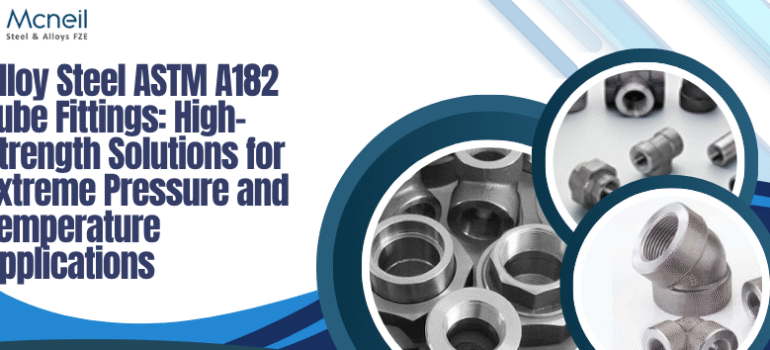
Alloy Steel ASTM A182 Tube Fittings: High-Strength Solutions for Extreme Pressure and Temperature Applications

Introduction: Built for Endurance and Performance

In the industrial world, where systems operate under extreme heat, pressure, and corrosion, the reliability of tube fittings determines the overall efficiency and safety of operations. From power plants and refineries to chemical processing units and oil & gas facilities, Alloy Steel ASTM A182 Tube Fittings are vital components that ensure leak-proof, long-lasting performance under the most challenging conditions.

At Mcneil Instruments, we specialize in manufacturing, supplying, and exporting a complete range of Alloy Steel ASTM A182 Tube Fittings that meet international standards like ASTM, ASME, and ANSI. Engineered from premium-grade alloy steel, these fittings offer exceptional mechanical strength, oxidation resistance, and durability across demanding industrial environments.

This blog explores in depth the properties, specifications, grades, and applications of Alloy Steel ASTM A182 Tube Fittings, along with insights into Mcneil Instruments’ global manufacturing excellence.

What Are Alloy Steel ASTM A182 Tube Fittings?

ASTM A182 covers forged or rolled alloy steel fittings intended for high-temperature service and pressure piping systems. These fittings are heat-treated for optimal toughness, machinability, and strength, making them ideal for steam lines, pressure vessels, and energy systems.

The ASTM A182 grades — F1, F5, F9, F11, F22, and F91 — each feature unique chemical compositions and mechanical properties suited for specific operating conditions. They are widely used in critical applications that demand precision, resilience, and consistent performance.

Key Features of Alloy Steel ASTM A182 Tube Fittings

  • Excellent resistance to high temperature and pressure
  • Superior oxidation and corrosion resistance
  • Enhanced mechanical strength and creep resistance
  • Available in forged, seamless, and welded forms
  • Ideal for thermal, chemical, and mechanical stress environments
  • Manufactured in compliance with ASTM, ASME, and DIN standards

Grades of Alloy Steel ASTM A182 Tube Fittings

1. Alloy Steel ASTM A182 F1 Tube Fittings

Overview:
Grade F1 is known for its good weldability and moderate strength, making it suitable for lower-temperature, moderate-pressure systems.

Key Features:

  • Excellent machinability and weldability
  • Good resistance to oxidation
  • Cost-effective for standard pressure applications

Applications:

  • Steam lines
  • Chemical processing systems
  • Low-pressure boilers

Chemical Composition (%):

ElementComposition
Carbon (C)0.15 max
Manganese (Mn)0.30–0.60
Chromium (Cr)0.50–0.80
Molybdenum (Mo)0.44–0.65
Silicon (Si)0.50 max

2. Alloy Steel ASTM A182 F5 Tube Fittings

Overview:
Grade F5 offers superior creep strength and oxidation resistance at elevated temperatures, ideal for petrochemical and refinery applications.

Key Features:

  • Performs well under continuous high-temperature exposure
  • Excellent resistance to sulfuric and nitric acids
  • Maintains dimensional stability under pressure

Applications:

  • Oil & gas refineries
  • Heat exchangers
  • Power generation plants

Mechanical Properties:

PropertyValue
Tensile Strength≥ 415 MPa
Yield Strength≥ 205 MPa
Elongation≥ 20%
Hardness≤ 197 HBW

3. Alloy Steel ASTM A182 F9 Tube Fittings

Overview:
F9 tube fittings contain higher chromium and molybdenum, enhancing their strength and corrosion resistance under high-stress conditions.

Key Features:

  • Excellent resistance to creep and scaling
  • Suitable for high-temperature steam systems
  • Good structural integrity over prolonged use

Applications:

  • Steam pipelines
  • Power plants
  • Superheaters and reheaters

Chemical Composition (%):

ElementComposition
Chromium (Cr)8.00–10.00
Molybdenum (Mo)0.90–1.10
Carbon (C)0.15 max
Manganese (Mn)0.30–0.60

4. Alloy Steel ASTM A182 F11 Tube Fittings

Overview:
F11 fittings are a chromium-molybdenum alloy providing a balance of strength, ductility, and corrosion resistance at elevated temperatures.

Key Features:

  • High tensile and yield strength
  • Excellent resistance to oxidation and scaling
  • Ideal for cyclic temperature operations

Applications:

  • Steam boilers and pressure vessels
  • Thermal power plants
  • Process piping systems

Mechanical Properties:

PropertyValue
Tensile Strength≥ 415 MPa
Yield Strength≥ 205 MPa
Elongation20% min
Hardness≤ 200 HBW

5. Alloy Steel ASTM A182 F22 Tube Fittings

Overview:
Grade F22 tube fittings are designed for superheated steam and high-pressure pipelines, offering excellent toughness and fatigue resistance.

Key Features:

  • Superior creep and rupture strength
  • Outstanding oxidation resistance up to 600°C
  • Consistent performance under thermal stress

Applications:

  • Superheaters and reheaters
  • Petrochemical and fertilizer plants
  • Power and refinery systems

Chemical Composition (%):

ElementComposition
Chromium (Cr)1.90–2.60
Molybdenum (Mo)0.87–1.13
Carbon (C)0.05–0.15
Manganese (Mn)0.30–0.60

6. Alloy Steel ASTM A182 F91 Tube Fittings

Overview:
The F91 grade is the most advanced in the A182 series, providing exceptional creep strength, high-temperature endurance, and superior oxidation resistance — ideal for ultra-high-pressure environments.

Key Features:

  • Enhanced thermal stability and pressure retention
  • Long service life in extreme environments
  • Best suited for advanced power and refinery systems

Applications:

  • Nuclear and thermal power plants
  • High-pressure steam pipelines
  • Energy and chemical industries

Mechanical Properties:

PropertyValue
Tensile Strength≥ 585 MPa
Yield Strength≥ 415 MPa
Elongation20% min
Hardness≤ 250 HBW

Technical Specifications of Alloy Steel ASTM A182 Tube Fittings

SpecificationDetails
Standards ComplianceASTM A182 / ASME SA182
Grades AvailableF1, F5, F9, F11, F22, F91
Connection TypesForged, Socket Weld, Butt-Weld, Threaded
Size Range1/8″ NB to 48″ NB
Pressure RatingUp to 9000 PSI
Temperature Range-46°C to 675°C
Manufacturing TypeSeamless, Forged, Welded

Advantages of Alloy Steel ASTM A182 Tube Fittings

  • Superior performance under thermal cycling
  • High resistance to oxidation and corrosion
  • Excellent tensile and yield strength
  • Suitable for high-pressure and high-temperature environments
  • Long service life and low maintenance costs

Applications Across Industries

  • Power Generation Plants: Boilers, turbines, and reheaters
  • Oil & Gas Refineries: Steam and hydrocarbon lines
  • Petrochemical Plants: Heat exchangers and pressure vessels
  • Chemical Processing: Acid and alkali-resistant piping
  • Marine & Offshore Systems: Corrosion-resistant connections

Quality Testing and Certifications

All Mcneil Instruments products undergo stringent quality assurance to ensure unmatched performance.

Testing Procedures:

  • Hydrostatic and Pneumatic Pressure Testing
  • Ultrasonic and Radiographic Examination
  • Dimensional and Surface Inspection
  • Positive Material Identification (PMI)
  • Hardness and Tensile Strength Tests

Certifications:

  • ISO 9001:2015 Certified Manufacturer
  • EN 10204 3.1 / 3.2 Material Test Certificates
  • ASTM, ASME, and ANSI Compliance

Global Reach of Mcneil Instruments

Mcneil Instruments is a globally recognized manufacturer, supplier, and exporter of Alloy Steel ASTM A182 Tube Fittings, supplying to over 30 countries worldwide.

Key Export Destinations:

  • Middle East: Saudi Arabia, UAE, Oman, Qatar – Petrochemical & Power Sectors
  • Africa: Nigeria, Egypt, Ghana – Energy & Industrial Infrastructure
  • Asia-Pacific: Singapore, Malaysia, Indonesia – Refineries & Engineering Plants
  • Europe & North America: USA, UK, Canada, Germany – Energy & Nuclear Projects

Future Trends in Alloy Steel Tube Fittings

As industries evolve toward automation and advanced metallurgy, the demand for high-performance alloy steel tube fittings continues to grow. Innovations in heat-resistant coatings and precision forging technologies will further enhance their performance, durability, and efficiency in extreme operational environments.

Conclusion: Strength That Sustains Industry

Alloy Steel ASTM A182 Tube Fittings in grades F1, F5, F9, F11, F22, and F91 represent the backbone of critical piping systems across power, oil, gas, and chemical sectors. Built to perform under pressure, these fittings ensure reliability, safety, and longevity in every connection.

As a trusted manufacturer, supplier, and exporter in India, Mcneil Instruments provides globally certified, precision-engineered solutions that meet the highest international standards — delivering performance that defines excellence.

Read More

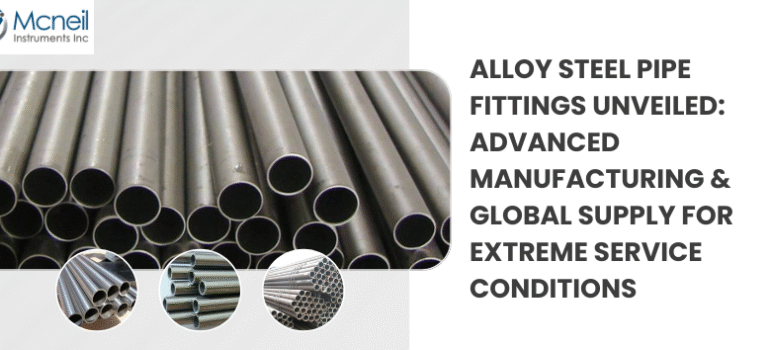
Alloy Steel Pipe Fittings Unveiled: Advanced Manufacturing & Global Supply for Extreme Service Conditions

Introduction: Why Alloy Steel Pipe Fittings Matter

In industries ranging from oil & gas to power generation and petrochemicals, the performance of piping systems often comes down to one critical element—the fittings. These components manage direction changes, branching, and system integrity under harsh conditions. When standard carbon steel is no longer sufficient—due to high temperature, pressure, or corrosion—alloy steel pipe fittings become essential. These are engineered to offer enhanced mechanical strength, corrosion resistance and longevity. At Mcneil Instruments, we specialise in manufacturing, supplying and exporting alloy steel pipe fittings built to global standards—helping engineers and procurement teams overcome the challenge of sourcing truly resilient solutions.

What Are Alloy Steel Pipe Fittings?

Alloy steel pipe fittings are components produced from pipe-fitting materials that contain alloying elements (such as chromium, molybdenum, nickel) in addition to carbon and iron. The added alloys raise performance thresholds—better creep resistance, oxidation resistance, fatigue strength—making them suitable for demanding applications. They come in forms such as elbows, tees, reducers, caps, crosses and stub ends, and are available in seamless or welded constructions.

Core Characteristics & Why They Matter

  • Elevated temperature strength: Many alloy steel grades maintain strength at hundreds of degrees Celsius, where standard steels would fail.
  • Corrosion and oxidation resistance: In high-temperature steam, sulphur-laden environments or chemical media, alloy steels resist scaling and attack better than standard steels.
  • Dimensional and part-integrity reliability: In heavy industrial systems, fittings must match pipe schedules, tolerances and welding procedures to avoid failure points.
  • Global standards compliance: Consistency in material composition, testing and certification ensures these fittings can be used confidently in international projects.

Manufacturing Process & Quality Assurance

Producing high-performance alloy steel pipe fittings involves multiple critical stages:

  1. Raw material selection – base alloy bars or pipe blanks with specified chemistry and traceability.
  2. Forming – forging, pressing or machining into the desired fitting shape (elbow, tee, reducer) per standards.
  3. Heat treatment – to achieve required microstructure and mechanical properties.
  4. Finishing operations – beveling, threading, surface preparation.
  5. Inspection & testing – chemical analysis, dimensional checks, mechanical tests, NDT (ultrasonic, radiography) and material traceability (MTCs).
  6. Documentation & certification – compliance with ASTM/ASME/EN norms, issuance of test certificates, third-party approvals.

Grades & Specifications: A Technical Overview

Here is a tabular snapshot of typical alloy steel pipe fitting grades and their application focus:

GradeTypical Alloy ElementsKey Performance AttributeCommon Applications
WP11 (Cr-Mo)~1.0 % Cr, ~0.5 % MoGood strength at high temperaturePower plant boilers, steam lines
WP22~2.25 % Cr, ~1 % MoEnhanced creep & oxidation resistanceSuperheaters, reheaters, refineries
WP91~9 % Cr, ~1 % Mo (+V/Nb)Ultra high-temperature strength & pressureUltra-supercritical boilers, advanced power stations

Based on industry data and spec summarization. 

Additional dimensions & standards:

  • Typical size range: ½″ NB to 48″ NB for weld fittings.
  • Manufacturing types: seamless, welded, butt-weld.
  • Standard dimensions: ANSI/ASME B16.9, B16.28, MSS SP-43.
  • Pressure ratings and wall thicknesses vary with class (150#, 300#, 600#, etc) and schedule (SCH 10 to XXS).

Choosing the Right Alloy Steel Pipe Fitting: Practical Guidance

When selecting alloy steel pipe fittings for a project, consider:

  • Service temperature & pressure – ensure grade is rated for extremes expected.
  • Fluid and environment – corrosive media require higher alloying.
  • Compatibility with pipe & system – matching schedule, bore, end-connection and welding specs.
  • Standards & certification – verify material test certificates (MTC), traceability to standards.
  • Maintenance & lifecycle costs – higher cost upfront may save downtime and replacement costs later.

Global Supply & Export Excellence

Mcneil Instruments acts as a trusted manufacturer, supplier and exporter of alloy steel pipe fittings from India, serving major industrial hubs and projects worldwide. Key markets include:

  • Middle East (Saudi Arabia, UAE, Qatar) for oil & gas, refinery and petrochemical applications.
  • Africa (Nigeria, Ghana) for power, industrial, and infrastructure systems.
  • North America (USA – Texas, Chicago) for power, energy and heavy industry supply.
  • Asia-Pacific (Malaysia, Singapore) for marine, processing and fabrication industries.

Our commitment to manufacturing excellence, rigorous testing and global logistics ensures that clients receive high-quality alloy steel fittings that meet project schedules and performance demands.

Certification & Traceability

To guarantee reliability, fittings from Mcneil undergo comprehensive certification:

  • Material Test Certificates per EN 10204 3.1 / 3.2
  • Compliance with ASTM A234 / ASME SA234 (or equivalent) specifications
  • Hydrostatic and non-destructive testing (ultrasonic, radiographic)
  • ISO 9001:2015 certified manufacturing processes
  • Full traceability of raw material batches and finished components

Future Trends & Innovation in Alloy Steel Fittings

As industries push toward higher efficiencies, cleaner energy and more severe service conditions, alloy steel pipe fittings are evolving:

  • New alloy compositions for extended creep life and higher temperatures
  • Advanced manufacturing (forging + machining) for tighter tolerances
  • Digital traceability, advanced NDT and predictive maintenance integration
  • Enhanced coatings and corrosion-protection systems for offshore or chemical-aggressive environments

Conclusion: Investing in Reliability

Alloy steel pipe fittings are not simply components—they are critical enablers of safe, efficient, and long-life piping systems in demanding industrial applications. By choosing fittings manufactured with precision, certified integrity and global export capability, engineers and procurement teams safeguard project performance and cost-effectiveness.

As a leading alloy steel pipe fittings manufacturer, supplier and exporter in India, Mcneil Instruments stands ready to partner with industrial clients worldwide—delivering fittings engineered for extreme conditions and global standards.

Read More

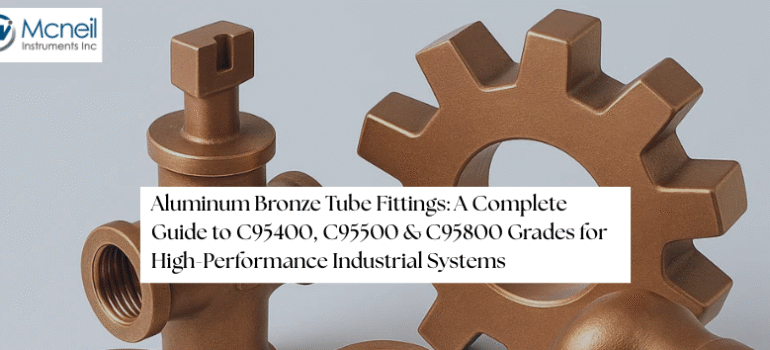
Aluminum Bronze Tube Fittings: A Complete Guide to C95400, C95500 & C95800 Grades for High-Performance Industrial Systems

Introduction: Strength Meets Corrosion Resistance

Industrial systems that operate in high-wear, corrosive, and marine environments require materials that deliver exceptional mechanical strength while resisting seawater and chemical attack. Aluminum Bronze Tube Fittings are engineered to meet these challenges with a powerful combination of durability, toughness, and corrosion resistance.
At Mcneil Instruments, we manufacture, supply, and export high-quality Aluminum Bronze Tube Fittings that comply with global standards such as ASTM B148, ASTM B150, and ASTM B124. These fittings are widely used for hydraulic, seawater, and heavy-duty industrial applications where long-term reliability is essential.

This blog provides a complete guide to the properties, grades, technical specifications, and industrial applications of Aluminum Bronze Tube Fittings.


What Are Aluminum Bronze Tube Fittings?

Aluminum Bronze is a copper-based alloy containing aluminum as the primary strengthening element. When added with iron, manganese, nickel, or silicon, aluminum bronze exhibits:

✔ Superior corrosion and seawater resistance
✔ Excellent strength-to-weight ratio
✔ High resistance to shock, impact, and wear
✔ Outstanding performance in high-pressure conditions

These fittings are commonly used in instrumentation systems, pipelines, pumps, valves, and fluid-control setups.


Grades of Aluminum Bronze Tube Fittings

Mcneil Instruments offers three major grades based on ASTM standards:

C95400 Aluminum Bronze
C95500 Aluminum Bronze
C95800 Aluminum Bronze

Each grade has specific advantages based on mechanical and corrosion-resistance requirements.

1. Aluminum Bronze C95400 Tube Fittings

Overview:
C95400 is the most commonly used aluminum bronze grade offering high strength, superior wear resistance, and excellent performance in high-load industrial systems.

Key Features:

  • Great resistance to abrasion and galling
  • Suitable for temperatures up to 400°C
  • High fatigue and stress-corrosion strength

Applications:

  • Marine equipment
  • Oil & gas hydraulic systems
  • Industrial pumps and valves
  • Offshore structural components

Chemical Composition:

ElementComposition (%)
Copper83 – 88
Aluminum10 – 11.5
Iron1.5 – 3.5
Manganese≤ 1.5

Mechanical Properties:

PropertyValue
Tensile Strength≥ 655 MPa
Yield Strength≥ 310 MPa
Hardness170–190 HB

2. Aluminum Bronze C95500 Tube Fittings

Overview:
C95500 is a stronger nickel-aluminum bronze alloy offering excellent shock, impact, and corrosion resistance, even in high-salinity marine environments.

Key Features:

  • Superior seawater resistance
  • High compressive strength
  • Excellent resistance to cavitation in pumps

Applications:

  • Subsea and marine engineering
  • High-pressure hydraulic fittings
  • Chemical processing equipment
  • Valve and flanged systems

Chemical Composition:

ElementComposition (%)
Copper78 – 82
Aluminum10 – 11.5
Nickel3 – 5
Iron1.5 – 4

Mechanical Properties:

PropertyValue
Tensile Strength≥ 725 MPa
Yield Strength≥ 380 MPa
Hardness200–230 HB

3. Aluminum Bronze C95800 Tube Fittings

Overview:
C95800 offers exceptional resistance to seawater corrosion, erosion, and stress cracking — making it the most preferred grade for offshore and defense applications.

Key Features:

  • Resistant to chlorides and biofouling
  • Excellent mechanical stability in seawater
  • Durable in acidic and alkaline conditions

Applications:

  • Shipbuilding and subsea systems
  • Defense marine hardware
  • Heat exchangers and condenser systems
  • Oil & gas riser piping

Chemical Composition:

ElementComposition (%)
Copper78 – 82
Aluminum8.5 – 9.5
Nickel4 – 5.5
Iron3 – 4

Mechanical Properties:

PropertyValue
Tensile Strength≥ 690 MPa
Yield Strength≥ 310 MPa
Hardness180–220 HB

Technical Specifications of Aluminum Bronze Tube Fittings

SpecificationDetails
StandardsASTM B148, ASTM B150, ASTM B171
Size Range1/8″ to 2″
Pressure RatingUp to 6000 psi
Connection TypesFerrule, Compression, Threaded, Swage
Temperature Range-70°C to +400°C
Manufacturing TypeForged / Machined / Annealed

Why Choose Aluminum Bronze Tube Fittings?

  • Outstanding seawater & corrosion protection
  • High wear resistance & mechanical strength
  • Leak-proof fluid control performance
  • Excellent shock and impact resistance
  • Long operational life with low maintenance
  • Cost-effective vs. exotic nickel alloys

Industrial Applications

IndustryApplications
Marine & ShipbuildingSeawater piping, desalination systems
Oil & GasOffshore structures, subsea pipelines
Chemical ProcessingAcidic & alkaline fluid handling
DefenseNaval and underwater hardware
Hydraulic SystemsHigh-pressure fittings for machinery

Quality Testing & Certifications

All products undergo rigorous testing:

  • Hydrostatic pressure testing
  • Non-destructive testing (NDT)
  • Chemical & mechanical testing
  • PMI (Positive Material Identification)
  • Dimensional accuracy inspection

ISO 9001:2015 Certified

EN 10204 3.1 / 3.2 Test Certificates

Compliance with ASTM, ASME, DIN & Industry standards

Global Supply Network

Mcneil Instruments exports Aluminum Bronze Tube Fittings to:

Saudi Arabia, UAE, Qatar, Kuwait, Oman
USA, Canada, Mexico
Singapore, Malaysia, Indonesia
UK, Germany, Italy
Nigeria, Kenya, Egypt

We support major EPC contractors, offshore projects, power plants, and marine engineering companies worldwide.

Conclusion: Engineered for High-Performance Environments

Aluminum Bronze Tube Fittings — including grades C95400, C95500, and C95800 — are built for industries where mechanical stress, corrosion, and seawater exposure are constant. Their unmatched combination of strength, durability, and resistance ensures long-term operational reliability.

As a leading Aluminum Bronze Tube Fittings manufacturer, supplier, and exporter in India, Mcneil Instruments delivers world-class precision-engineered fittings designed to meet challenging industrial requirements.

Dependability at Sea, Strength in Service

Read More

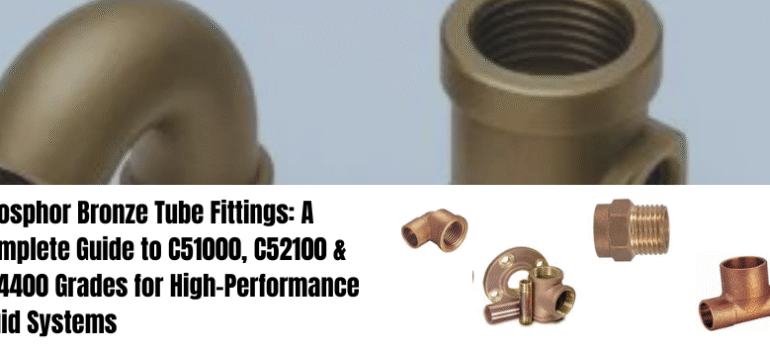
Phosphor Bronze Tube Fittings: A Complete Guide to C51000, C52100 & C54400 Grades for High-Performance Fluid Systems

Introduction: Precision Meets Durability

In advanced industrial systems where precision, wear resistance, and anti-corrosion strength are critical, Phosphor Bronze Tube Fittings emerge as a trusted solution. These copper-tin-phosphorus alloys are widely known for their exceptional fatigue resistance, excellent spring properties, and long service life — even in high-vibration environments.

From marine applications to electrical and instrumentation systems, Phosphor Bronze fittings ensure reliable and leak-proof performance under demanding operating conditions.

As a leading manufacturer, supplier, and exporter in India, Mcneil Instruments offers high-quality Phosphor Bronze Tube Fittings that comply with global technical standards like ASTM B139, ASTM B103, and ASTM B150.

 What Makes Phosphor Bronze Ideal for Tube Fittings?

Phosphor Bronze is a copper alloy strengthened by:

✔ Tin — improves strength & corrosion resistance
✔ Phosphorus — increases hardness & wear resistance

This results in fittings that combine:

  • Superior mechanical strength
  • Improved fatigue and impact resistance
  • Excellent dimensional stability
  • Great electrical conductivity

Grades of Phosphor Bronze Tube Fittings Offered by Mcneil Instruments

 C51000 Phosphor Bronze
C52100 Phosphor Bronze
C54400 Phosphor Bronze (Lead-bearing)

Each grade is engineered for different performance needs.

 1. Phosphor Bronze C51000 Tube Fittings

Overview:
C51000 is a high-strength phosphor bronze with excellent elasticity and corrosion resistance. Ideal for dynamic systems requiring long-term reliability.
✔ Used in medium-to-high pressure fluid systems
✔ Excellent formability and soldering properties

Applications:

  • Instrumentation compression fittings
  • Springs, bearings & electrical components
  • Marine & seawater handling equipment

Chemical Composition:

ElementComposition (%)
Copper91.0 – 95.0
Tin4.2 – 5.8
Phosphorus0.03 – 0.35

Mechanical Strength:
Tensile Strength: ≥ 450 MPa
Hardness: 110 – 150 HB

2. Phosphor Bronze C52100 Tube Fittings

Overview:
C52100 contains higher tin content, delivering superior fatigue resistance and stress-corrosion performance.

⚙ Ideal for high-vibration and thermal cycling environments

Applications:

  • Precision measuring instruments
  • Control systems with mechanical actuation
  • Industrial connectors and fittings in corrosive media

Chemical Composition:

ElementComposition (%)
Copper88.0 – 91.0
Tin8.0 – 9.5
Phosphorus0.03 – 0.35

Mechanical Strength:
Tensile Strength: ≥ 500 MPa
Hardness: 140 – 170 HB

3. Phosphor Bronze C54400 Tube Fittings (Lead-ed Bronze)

Overview:
With added lead for improved machinability, C54400 is perfect for high-precision fittings requiring smooth threading and excellent wear resistance.

 Best suited for long-cycle industrial and hydraulic systems

Applications:

  • High-pressure tube connectors and ferrules
  • Instrumentation fittings in petrochemical plants
  • Bearing sleeves and pump components

Chemical Composition:

ElementComposition (%)
Copper86.0 – 90.0
Tin3.5 – 5.5
Lead3.5 – 5.5
Phosphorus0.03 – 0.35

Mechanical Strength:
Tensile Strength: ≥ 450 MPa
Hardness: 100 – 150 HB

Technical Specifications of Phosphor Bronze Tube Fittings

SpecificationDetails
StandardsASTM B139, B150, B103
Size Range1/8″ to 2″ OD
Pressure RatingUp to 5000 psi
Temperature Range-50°C to +250°C
Connection TypesCompression, Ferrule, Threaded
ManufacturingForged, Machined, Precision-assembled

 Why Choose Phosphor Bronze Tube Fittings?

  • High strength and excellent fatigue resistance
  • Superior corrosion resistance in seawater and chemicals
  • Good electrical conductivity for instrumentation use
  • Leak-proof sealing with double ferrule systems
  • Cost-efficient option for durable performance

 Applications Across Global Industries

IndustryUsage
Marine & OffshoreSaltwater handling, valves, pump fittings
Oil & GasInstrumentation lines & control systems
Power PlantsHigh-temperature corrosion-resistant circuits
Electrical SystemsGrounding, connectors, switchgear
Chemical ProcessingAcid & alkaline media fluid systems

Testing & Certifications at Mcneil Instruments

To ensure top-tier performance:

✔ Hydrostatic & Pneumatic Pressure Testing
✔ Chemical Composition & PMI Testing
✔ Dimensional Accuracy Inspection
✔ NDT (Ultrasonic, Visual, Radiography)

– ISO 9001:2015 certified
– ASTM / ASME / DIN compliant manufacturing

 A Trusted Global Exporter of Phosphor Bronze Tube Fittings

Supplied worldwide, including:

UAE | Saudi Arabia | Qatar | Oman
USA | Canada | Mexico
UK | Germany | Italy
Malaysia | Singapore | South Africa

Mcneil Instruments supports leading EPC contractors, refineries, shipyards, power plants, and industrial OEMs.

Conclusion: Engineered for Tough Industrial Conditions

Phosphor Bronze Tube Fittings — including C51000, C52100, and C54400 — are the perfect choice for demanding industrial environments where vibration, seawater exposure, and long-term sealing reliability are critical.

As a premier manufacturer, supplier, and exporter in India, Mcneil Instruments ensures:

Precision Engineering
Excellent Corrosion Resistance
Guaranteed Performance Under Pressure

Delivering durability that keeps industries running with confidence.

Read More

Best Nut Bolt Manufacturers, Suppliers & Exporters in India, Gulf & Africa

When you think about the strength of a bridge, the safety of an aircraft, or the durability of an oil rig, one thing silently holds everything together — nuts and bolts. These tiny components may seem simple, but they are the unsung heroes of industrial infrastructure.

That’s where Mcneil Instruments comes in — a name trusted globally among Nut Bolt Manufacturers, Suppliers, and Exporters in India, the Gulf region, and Africa. With decades of experience and a passion for precision, Mcneil Instruments has become a symbol of quality and reliability in the fastener world.

Why Nuts and Bolts Are More Than Just Fasteners

In every factory, shipyard, refinery, or construction site, nuts and bolts are at work. They’re not just parts — they’re what hold an entire structure together. The choice of a reliable fastener supplier can literally make or break a project.

Mcneil Instruments understands this responsibility. As one of the top industrial fastener manufacturers in India and the Gulf, the company ensures every bolt and nut meets international standards for strength, safety, and durability.

Strong Connections Start Here — Nut Bolts You Can Trust, Wherever You Are

At Mcneil Instruments, quality begins with materials. The company sources only the best stainless steel, carbon steel, and alloy steel to produce durable, corrosion-resistant fasteners suitable for diverse industries.

From oil & gas refineries in the Middle East, to construction projects in Africa, to manufacturing plants across India, Mcneil’s products have proven their performance again and again. Each fastener undergoes strict inspection to ensure it can withstand pressure, temperature, and environmental challenges.

Connecting Industries Across the Globe with Trusted Nut Bolts

What makes Mcneil Instruments stand out is its global reach. Headquartered in India, the company exports to over 25 countries — including the UAE, Saudi Arabia, Qatar, Oman, Bahrain, Kuwait, Egypt, Kenya, and Nigeria.

Whether it’s a small batch of custom fasteners or bulk industrial supply, Mcneil guarantees timely delivery with consistent quality. This has earned them a strong reputation among engineering companies, EPC contractors, and industrial clients worldwide.

Customization for Every Industry Every project is unique — and so are its fasteners. That’s why Mcneil Instruments offers custom-engineered nuts and bolts tailored to specific industrial requirements. From hex bolts and stud bolts to dome nuts, anchor bolts, and washers, the product range is designed to meet precise standards and technical drawings.

Whether it’s for construction, marine, petrochemical, or power generation applications, Mcneil delivers fasteners that match your project’s exact needs.

Why Mcneil Instruments Leads the Global Market

  • ISO Certified Excellence: Guaranteed international quality standards.
  • Global Presence: Serving clients across India, Gulf, and Africa.
  • End-to-End Manufacturing: From raw material to finished product, all in-house.
  • Customer-Centric Approach: Fast response, clear communication, and reliable after-sales support.
  • Sustainability: Eco-friendly manufacturing processes for a greener planet.

Built on Strength. Driven by Trust.

From the smallest screw to the strongest bolt, Mcneil Instruments ensures that every piece carries the same commitment — to hold the world together, one fastener at a time.

Looking for trusted Nut Bolt Manufacturers, Suppliers, and Exporters across India, the Gulf, or Africa? Partner with Mcneil Instruments today for unmatched reliability, precision, and quality — Request a Quote Now!

Read More

From Offshore Rigs to Chemical Plants: Where Monel Pipe Fittings Excel

Introduction: The Backbone of Corrosion-Resistant Piping Solutions

In industries where seawater, acidic environments, and extreme conditions are common, the material choice for pipe fittings becomes critical. From offshore oil platforms to chemical processing and marine engineering, pipe fittings must guarantee long-term reliability and leak-proof performance. Monel pipe fittings, made from a nickel-copper alloy, are globally recognized for their exceptional corrosion resistance, toughness, and mechanical strength across diverse industrial applications.

With increasing globalization and complex procurement networks, engineers and buyers face the challenge of selecting fittings that not only meet ASTM/ASME international standards but also align with project-specific requirements. This blog provides an in-depth overview of Monel pipe fittings, their properties, specifications, uses, and why Mcneil Instruments is a trusted manufacturer, supplier, and exporter in India.

What are Monel Pipe Fittings?

Monel is a family of nickel-copper alloys (commonly Monel 400 and Monel K500) known for their excellent resistance to seawater, hydrofluoric acid, alkalis, and stress cracking. Unlike many stainless steels, Monel maintains its strength across a wide range of temperatures, from cryogenic levels to elevated conditions.

Monel pipe fittings are available in forms such as elbows, tees, reducers, couplings, crosses, and stub ends, providing reliable connections in demanding systems. Their ability to resist chloride stress corrosion cracking makes them invaluable in marine, oil & gas, desalination, and chemical processing industries.

Key Features of Monel Pipe Fittings

  • Excellent resistance to seawater and marine environments
  • Superior resistance to acids and alkalis, especially hydrofluoric acid
  • Strong mechanical strength at both sub-zero and high temperatures
  • Leak-proof design for critical industrial applications
  • Long-lasting durability, reducing maintenance costs

Importance of Standards in Monel Pipe Fittings

Just as alloy steel pipes follow ASTM A335/ASME SA335 standards, Monel fittings must comply with stringent international norms to ensure performance and reliability.

Why standards matter:

  • Consistency: Guarantees uniform dimensions and performance.
  • Safety: Prevents leaks and failures in critical applications.
  • Compliance: Ensures global acceptance in major projects.
  • Reliability: Meets project specifications for durability under stress.

Technical Specifications of Monel Pipe Fittings

SpecificationDetails
Standards ComplianceASTM B366, ASME SB564, MSS SP-43, ISO, DIN
Grades AvailableMonel 400, Monel K500
Size Range½″ to 24″ (custom sizes available)
Pressure RatingSuitable for high-pressure and marine service
Temperature Range-196°C to +550°C
Forms AvailableElbows, Tees, Reducers, Stub Ends, Crosses, Couplings

Mechanical Properties of Monel Pipe Fittings

PropertyMonel 400Monel K500
Tensile Strength≥ 550 MPa≥ 790 MPa
Yield Strength≥ 240 MPa≥ 550 MPa
Elongation (%)3020
Hardness (HRB)≤ 85≤ 100
Corrosion ResistanceExcellent in marine and alkaline mediaOutstanding with added strength and hardness

Common Applications of Monel Pipe Fittings

Monel 400 Pipe Fittings:

  • Marine engineering and seawater piping
  • Offshore drilling platforms
  • Pump shafts and condenser systems
  • Heat exchangers in corrosive environments

Monel K500 Pipe Fittings:

  • Oil & gas exploration systems
  • Pump and valve components requiring higher strength
  • Fasteners and couplings in marine and aerospace applications
  • Chemical processing units handling strong alkalis and acids

How to Choose the Right Monel Fittings

  • Marine applications: Choose Monel 400 for its exceptional resistance to seawater.
  • High-strength needs: Opt for Monel K500, offering improved mechanical strength.
  • Chemical plants: Use Monel fittings in systems handling acids, alkalis, or brine.
  • Cryogenic applications: Monel retains toughness at extremely low temperatures.

Global Reach of Mcneil Instruments: Monel Pipe Fittings

Mcneil Instruments is a globally recognized manufacturer, supplier, and exporter of Monel pipe fittings, serving critical industries across continents:

  • In Saudi Arabia & UAE, supplied for petrochemical refineries and offshore drilling.
  • In Qatar & Kuwait, exported for desalination plants and chemical projects.
  • In Nigeria & Ghana, used in mining, seawater cooling, and water treatment systems.
  • In the USA (Texas, Chicago), trusted in oil & gas and marine sectors.
  • In Brazil, Malaysia, and Singapore, integrated into pulp & paper, desalination, and marine engineering projects.

Certifications and Testing

Every Monel pipe fitting manufactured by Mcneil Instruments undergoes rigorous quality control:

  • Material Test Certificates (EN 10204 3.1/3.2)
  • Hydrostatic and Pneumatic Testing
  • Non-Destructive Testing (Ultrasonic, Radiography)
  • API, ASTM, ASME Compliance
  • ISO 9001:2015 Certified Facilities

Future Trends in Monel Pipe Fittings

With industries advancing toward renewable energy, offshore engineering, and advanced chemical processing, the demand for Monel alloys is expected to grow. Enhanced machining techniques and precision manufacturing are enabling fittings with longer service life and greater efficiency in extreme environments.

Conclusion: Durable Fittings for Critical Environments

Monel pipe fittings provide unmatched reliability in industries where seawater, alkalis, and acids pose severe challenges. By combining superior mechanical properties with international certifications, Mcneil Instruments ensures durable and leak-proof solutions trusted across global industries.As one of the leading Monel pipe fittings manufacturers, suppliers, and exporters in India,Mcneil Instruments delivers precision-engineered products designed to meet the toughest industrial requirements, from offshore platforms to chemical reactors.

Read More

Exploring the Strength and Corrosion Resistance of Hastelloy Pipe Fittings


Introduction: Excellence in Corrosion-Resistant Engineering

In industries where harsh chemicals, corrosive gases, and extreme conditions are a daily challenge, the choice of pipe fittings can make the difference between reliability and failure. From chemical processing to marine engineering and power generation, pipe fittings must ensure leak-proof performance, durability, and compliance with international standards.

Among high-performance alloys, Hastelloy pipe fittings stand out for their exceptional resistance to corrosion, oxidation, and stress cracking. Their use in critical process industries highlights their importance in building safe, efficient, and long-lasting piping systems. As global projects become increasingly demanding, engineers and procurement professionals seek trusted suppliers who can deliver certified Hastelloy fittings.

This blog explores the properties, technical specifications, applications, and global supply chain of Hastelloy pipe fittings and how Mcneil Instruments has established itself as a leading manufacturer, supplier, and exporter in India.

What are Hastelloy Pipe Fittings?

Hastelloy is a family of nickel-based alloys primarily composed of nickel, molybdenum, and iron, with chromium and other elements added to enhance corrosion resistance. Hastelloy pipe fittings are designed for aggressive chemical environments, where conventional stainless steel or alloy fittings may fail.

These fittings are available in multiple types—elbows, tees, reducers, couplings, crosses, and caps—used to connect, divert, or terminate fluid systems. Their unmatched ability to resist hydrochloric acid, sulfuric acid, phosphoric acid, and seawater makes them a preferred choice across industries such as chemical plants, oil & gas, power generation, and marine infrastructure.

Key Features of Hastelloy Pipe Fittings

  • Superior resistance to strong oxidizers and reducing agents
  • Excellent performance under high pressure and temperature
  • Prevents localized corrosion like pitting and stress corrosion cracking
  • High tensile strength ensures long service life
  • Available in seamless, welded, and fabricated forms

Technical Specifications of Hastelloy Pipe Fittings

SpecificationDetails
Standards ComplianceASTM B366, ASME SB366, ANSI, DIN, ISO
Grades AvailableHastelloy C22, C276, B2, X, G30
Size Range1/8″ to 48″ NB
TypesElbows, Tees, Reducers, Couplings, Caps, Crosses
FormsSeamless, Welded, Fabricated
Pressure RatingClass 2000 to 9000
Temperature Range-196°C to +980°C

Mechanical Properties of Hastelloy Pipe Fittings

PropertyValue (Typical)
Tensile Strength≥ 690 MPa
Yield Strength≥ 283 MPa
Elongation (%)40
Hardness≤ 95 HRB
Corrosion ResistanceExcellent against acids, seawater, and oxidizers

Common Applications of Hastelloy Pipe Fittings

Hastelloy fittings are used in industries where corrosion resistance and durability are essential.

  • Chemical Processing Plants – For handling hydrochloric, sulfuric, and nitric acids
  • Oil & Gas Refineries – In piping systems exposed to sour gas and aggressive fluids
  • Power Generation – Especially in nuclear plants and high-temperature steam lines
  • Marine & Offshore Engineering – Resistant to seawater and saline environments
  • Pharmaceutical Industry – For sterile and chemically aggressive production processes
  • Pulp & Paper Industry – Withstands bleaching chemicals and process fluids

How to Choose the Right Hastelloy Grade?

  • Hastelloy C22: Best for chemical processing with excellent resistance to oxidizers
  • Hastelloy C276: Known for its versatility in harsh chemical environments
  • Hastelloy B2: Suitable for reducing environments, strong resistance to hydrochloric acid
  • Hastelloy X: Ideal for high-temperature applications, especially in aerospace and gas turbines
  • Hastelloy G30: Excellent resistance to phosphoric acid and oxidizing media

Global Reach of Mcneil Instruments: Hastelloy Pipe Fittings

Mcneil Instruments supplies certified Hastelloy pipe fittings to industries worldwide, ensuring consistent quality and compliance.

  • Middle East (Saudi Arabia, UAE, Qatar, Kuwait) – Petrochemical plants and refineries
  • Africa (Nigeria, Ghana, Egypt) – Oil, gas, and mining sectors
  • USA (Texas, Chicago, California) – Nuclear power, chemical, and aerospace industries
  • Europe (Germany, UK, Italy) – Industrial manufacturing and marine projects
  • Asia-Pacific (Singapore, Malaysia, Brazil, India) – Marine engineering, paper mills, and chemical units

Certifications and Testing

Every Hastelloy fitting from Mcneil Instruments undergoes rigorous testing to ensure safety and global compliance:

  • Material Test Certificates (EN 10204 3.1/3.2)
  • Hydrostatic and Pneumatic Testing
  • Non-Destructive Testing (NDT: Ultrasonic, Radiographic)
  • Corrosion Testing in Aggressive Media
  • ISO 9001:2015 Certified Facilities

Future Trends in Hastelloy Pipe Fittings

With the increasing demand for green energy, hydrogen, and advanced chemical processing, Hastelloy fittings are expected to play a critical role in ensuring safe and efficient operations. Future innovations will likely focus on advanced coatings, enhanced creep resistance, and integration with smart monitoring systems to extend service life.

Conclusion: Reliable Fittings for Harsh Environments

Hastelloy pipe fittings are indispensable in industries where extreme conditions challenge material performance. Their superior corrosion resistance, compliance with global standards, and adaptability across industries make them the gold standard in piping solutions.

As a trusted Hastelloy pipe fittings manufacturer, supplier, and exporter in India, Mcneil Instruments delivers high-quality, certified products that meet international standards and project-specific requirements. Whether for a chemical plant in Saudi Arabia, a nuclear facility in the USA, or a marine project in Singapore, our fittings are engineered for durability, safety, and precision.

Read More

Inconel & Monel Instrumentation Tube Fittings: A Comprehensive Guide for Critical Industries

Introduction: The Backbone of Reliable Fluid and Gas Control

In industries where safety, precision, and durability are non-negotiable, the choice of material for tube fittings becomes critical. From oil refineries to aerospace and marine applications, instrumentation tube fittings ensure leak-proof connections that withstand extreme pressures, temperatures, and corrosive environments. Among the wide range of alloys, Inconel and Monel tube fittings have earned a global reputation for their outstanding performance in aggressive industrial settings.

With global sourcing and complex supply chains, engineers and procurement specialists often face challenges in selecting fittings that meet both international standards and project-specific requirements. This blog explores Inconel and Monel instrumentation tube fittings, their unique properties, technical specifications, industrial applications, and how Mcneil Instruments stands out as a trusted manufacturer, supplier, and exporter in India.

What are Inconel and Monel Instrumentation Tube Fittings?

Inconel Tube Fittings: Inconel is a family of nickel-chromium-based alloys known for their resistance to oxidation and corrosion, even in extreme environments such as jet engines, chemical plants, and marine systems. They maintain structural integrity at elevated temperatures and are commonly used in aerospace and high-temperature energy systems.

Monel Tube Fittings: Monel is primarily a nickel-copper alloy offering exceptional resistance to seawater, hydrofluoric acid, and alkalis. Its toughness and strength at sub-zero and elevated temperatures make it highly suitable for marine, chemical, and oil & gas applications.

Both materials are widely used for instrumentation tube fittings such as ferrule fittings, compression fittings, unions, elbows, tees, and adapters that form the foundation of secure and efficient fluid systems.

Key Features of Inconel & Monel Tube Fittings

  • High resistance to oxidation and corrosion in extreme chemical environments
  • Excellent tensile strength and toughness, even under thermal stress
  • Leak-proof performance with double ferrule and compression designs
  • Compatibility with high-pressure and high-temperature service
  • Available in seamless, forged, and machined forms for diverse applications

Importance of Standards in Instrumentation Tube Fittings

Just as ball valves follow ASTM, ASME, and ISO standards, tube fittings must comply with stringent norms to ensure safety, compatibility, and reliability in global projects.

Why standards matter:

  • Consistency: Assures that fittings match across different systems and suppliers.
  • Safety: Prevents leaks that could cause accidents in critical environments.
  • Global compliance: Ensures acceptance in international projects.
  • Reliability: Guarantees long-term performance in harsh conditions.

Technical Specifications of Inconel & Monel Tube Fittings

SpecificationInconel Tube FittingsMonel Tube Fittings
Standards ComplianceASTM B564, ASME SB564, ISO, DINASTM B366, ASME SB564, ISO, DIN
Size Range1/8″ to 2″ OD1/8″ to 2″ OD
Pressure RatingUp to 6000 psiUp to 5000 psi
Temperature Range-196°C to +982°C-200°C to +550°C
Forms AvailableFerrule fittings, compression fittings, unions, elbows, tees, adaptersFerrule fittings, compression fittings, unions, elbows, tees, adapters

Mechanical Properties

PropertyInconel FittingsMonel Fittings
Tensile Strength≥ 655 MPa≥ 480 MPa
Yield Strength≥ 310 MPa≥ 170 MPa
Hardness≤ 95 HRB≤ 85 HRB
Corrosion ResistanceExceptional in oxidizing and reducing mediaSuperior in marine and alkaline conditions

Common Applications

  • Inconel Tube Fittings:
    • Aerospace engines and exhaust systems
    • Chemical processing plants
    • Power generation (gas turbines, heat exchangers)
    • Oil & gas refining at high pressure and temperature
  • Monel Tube Fittings:
    • Marine engineering and desalination plants
    • Offshore oil drilling platforms
    • Heat exchangers and pump shafts
    • Hydrofluoric acid and alkali handling systems

How to Choose Between Inconel and Monel Tube Fittings

  • For high-temperature applications: Inconel is the preferred choice due to its ability to withstand extreme thermal stress.
  • For marine and seawater applications: Monel stands out with its resistance to chloride-induced corrosion.
  • For cost-sensitive projects: Monel offers a more economical alternative while still delivering robust performance in corrosion-prone environments.
  • For critical aerospace and energy projects: Inconel ensures unmatched reliability at elevated pressures and temperatures.

Global Reach of Mcneil Instruments: Inconel & Monel Tube Fittings

Mcneil Instruments is a globally trusted manufacturer, supplier, and exporter of Inconel and Monel instrumentation tube fittings. Our products are widely used across continents:

  • In Saudi Arabia and UAE, trusted for petrochemical refineries and offshore drilling.
  • In Qatar and Kuwait, exported for chemical plants and desalination projects.
  • In Nigeria and Ghana, supplied for mining and water treatment industries.
  • In the USA (Texas, Chicago), preferred in oil & gas and aerospace sectors.
  • In Brazil, Malaysia, and Singapore, integrated into marine engineering, pulp & paper, and industrial fabrication systems.

Certifications and Testing

Mcneil Instruments ensures every product meets the highest quality benchmarks:

  • Material Test Certificates (EN 10204 3.1/3.2)
  • Hydrostatic and Pneumatic Pressure Testing
  • Non-Destructive Testing (Ultrasonic, Radiography)
  • Compliance with ASTM, ASME, and ISO standards
  • ISO 9001:2015 Certified Facilities

Future Trends in Alloy Tube Fittings

With industries moving toward automation, energy efficiency, and renewable systems, Inconel and Monel tube fittings will continue to dominate in extreme environments. Innovations in machining and surface finishing are expected to enhance their performance and extend lifecycle even further.

Conclusion: Reliable Alloy Tube Fittings for Demanding Applications

Inconel and Monel tube fittings offer unmatched performance in extreme environments, from corrosive seas to high-temperature turbines. By combining international standards with advanced manufacturing, Mcneil Instruments ensures leak-proof, durable, and high-performance fittings trusted by industries worldwide.

As one of the leading Inconel and Monel instrumentation tube fittings manufacturers, suppliers, and exporters in India,  Mcneil Instruments provides engineers and procurement managers with globally certified solutions designed for precision and safety.

Read More

2-Way Ball Valves (FxF) Panel Mounting: A Comprehensive Guide for Industrial Applications

In any industrial piping or process control system, precise regulation of fluids or gases is critical. Whether in chemical plants, refineries, or manufacturing units, valves act as the foundation for reliable operations. Among various valve types, the 2-way ball valve (FxF) with panel mounting has become a standard for its compact design, ease of installation, and high-performance sealing capabilities.

However, with industries sourcing components globally, engineers and procurement teams often face challenges in selecting the right valve type, materials, and standards for their specific applications. This blog provides a detailed understanding of 2-way ball valves (FxF), their standards, applications, and how Mcneil Instruments stands as a trusted manufacturer, supplier, and exporter in India.

What is a 2-Way Ball Valve (FxF) with Panel Mounting?

A 2-way ball valve is a quarter-turn valve used to control the flow of liquids or gases. The term “2-way” refers to two ports: inlet and outlet. The “FxF” indicates female-to-female connections, making them versatile for direct pipeline connections.

Panel mounting refers to a design where the valve can be securely fixed to a control panel or flat surface. This feature ensures better accessibility for operation and maintenance, especially in compact or high-density piping arrangements.

Key Features of 2-Way FxF Ball Valves

  • Quick quarter-turn operation for instant shut-off or flow initiation

  • Female-to-female threaded ends for secure connections

  • Panel mounting design for efficient system integration

  • High-pressure and high-temperature resistance depending on material grade

Importance of Standards in Ball Valves

Just as nuts and fasteners are governed by standards like ASTM and DIN, ball valves also follow stringent global norms to ensure consistency, safety, and compatibility.

Role of Standards in Industrial Valves

  • Quality Assurance: Standards ensure that the valve’s material and mechanical properties meet the necessary benchmarks.

  • International Trade Compliance: Valves adhering to ASTM, ASME, and ISO standards can be freely used in global projects.

  • Reliability in Operation: Properly standardized valves prevent leakage, ensure tight sealing, and withstand operational pressures.

Technical Specifications of Mcneil’s 2-Way Ball Valve (FxF)

SpecificationDetails
Connection TypeFemale-to-Female (FxF)
Mounting TypePanel Mounting
Pressure RatingUp to 6000 psi
Temperature Range-40°C to 230°C
Size Range1/4″ to 2″
Material OptionsStainless Steel, Brass, Carbon Steel
Standards ComplianceASME, ASTM, ISO, API


Mechanical Properties of 2-Way Ball Valves

PropertyValue
Tensile Strength≥ 485 MPa (SS grade)
Yield Strength≥ 250 MPa
Hardness80 – 95 HRB
Corrosion ResistanceHigh (depending on material)

Common Types of 2-Way Ball Valves

Mcneil Instruments offers a wide range of 2-way ball valves suited for diverse industries.

  • Standard 2-Way FxF Ball Valve: For general industrial use.

  • High-Pressure Panel Mount Ball Valve: For up to 6000 psi systems.

  • Low-Temperature Service Valves: Designed for cryogenic applications.

  • Customized Valves: Tailored for chemical, oil & gas, or power generation projects.

How to Choose the Right 2-Way Ball Valve?

Selecting the correct ball valve is essential for long-term reliability. Consider these factors:

  1. Application: Is it for on/off service, throttling, or diversion?

  2. Operating Conditions: Pressure and temperature ranges must match the valve rating.

  3. Material Selection: Stainless steel for corrosive media, brass for standard water service, carbon steel for high-pressure gas systems.

  4. Maintenance Needs: Three-piece valves allow easy in-line maintenance.

  5. Standards Compliance: Ensure compatibility with ASTM, ASME, or API norms.

Global Reach of Mcneil Instruments: 2-Way Ball Valves (FxF)

Mcneil Instruments serves as a leading manufacturer, supplier, and exporter of panel-mounted 2-way ball valves across global markets.

  • In Saudi Arabia and UAE, used in petrochemical plants and refineries.

  • In Qatar and Kuwait, integrated into high-pressure steam and chemical systems.

  • In Nigeria and Ghana, applied in water treatment and mining sectors.

  • In USA (Texas, Chicago), trusted for energy, oil & gas, and industrial automation systems.

  • Across Brazil, Malaysia, and Singapore, used in large-scale process industries and marine applications.

Certification and Testing

Each valve manufactured by Mcneil Instruments undergoes rigorous quality checks to ensure compliance:

  • Material Test Certificates (EN 10204 3.1/3.2)

  • Hydrostatic and Pneumatic Testing

  • Non-Destructive Testing (Ultrasonic & Radiography)

  • API 598 / ASME B16.34 Pressure Testing Standards

  • ISO 9001:2015 Certified Manufacturing

Future Trends in Ball Valve Design

With industries moving toward automation and energy efficiency, panel-mount 2-way ball valves are increasingly being integrated with actuators, sensors, and digital monitoring systems. Materials are evolving to withstand higher pressures, corrosive chemicals, and extreme temperatures while maintaining compactness.

Conclusion: A Compact Solution with Global Impact

2-way ball valves (FxF) with panel mounting offer a perfect combination of space-saving design, reliable flow control, and international compliance. Their role in maintaining the safety, efficiency, and continuity of industrial processes cannot be understated.

As a leading 2-way ball valve manufacturer, supplier, and exporter in India, Mcneil Instruments ensures its products meet global standards and project-specific requirements. Whether for a refinery in Saudi Arabia, a power plant in Texas, or a chemical unit in Singapore, our valves deliver precision and durability.

Read More

ASTM vs DIN Standards for Nuts

Introduction:

Nuts are the unsung heroes of modern engineering, holding together everything from household machinery to massive industrial structures. Their reliability determines the safety and longevity of entire systems. However, in a globalized market where components are sourced internationally, engineers and procurement teams often face the challenge of navigating different standards. Among the most common are ASTM (American Society for Testing and Materials) and DIN (Deutsches Institut für Normung) standards, which dictate specifications for materials and dimensions.

This guide explores the differences between ASTM and DIN standards for nuts, explains why they matter, and provides actionable insights for selecting the right standard for your project.

What Are ASTM and DIN Standards?

ASTM (American Society for Testing and Materials)

ASTM is a globally recognized body that develops voluntary technical standards for a wide range of materials, products, systems, and services. In the fastener industry, ASTM standards primarily focus on chemical composition and mechanical properties, ensuring the material meets strict performance criteria. They are widely used in industries such as oil & gas, petrochemicals, and power generation.
Example: ASTM A194 – widely used for carbon and alloy steel nuts in high-pressure or high-temperature applications.

DIN (Deutsches Institut für Normung)

DIN is the German Institute for Standardization, known for its emphasis on dimensional accuracy and tolerances. DIN standards specify exact sizes, shapes, and manufacturing details, ensuring consistency across components. They are prevalent in European manufacturing and machinery.
Example: DIN 934 – a common hex nut standard for general applications.

Importance of Standards in the Fastener Industry

Standards form the backbone of reliable engineering. They ensure that nuts and fasteners:

  • Maintain consistent quality and performance.
  • Meet international compliance requirements.
  • Provide interchangeability between manufacturers and systems.
  • Enhance safety, particularly in high-stress environments.
  • Facilitate global trade, reducing compatibility issues between suppliers and buyers.

Without standardization, even minor mismatches in nut and bolt specifications could result in catastrophic failures or costly project delays.

Key Differences: ASTM vs DIN Nuts

While both standards aim to ensure high-quality fasteners, they differ in focus and approach. Below is a clear comparison:

FeatureASTM (American)DIN (German)
FocusMechanical properties and chemical compositionPrecise dimensions and tolerances
PhilosophyPerformance-based – meets properties if compliantDesign-based – must match specific dimensions
MarkingGrade markings are essentialDimensional markings are primary identifiers
Naming ConventionStarts with a letter and number (e.g., A194)Starts with DIN followed by a number (e.g., DIN 934)
InterchangeabilityMay not always match DIN due to dimensional gapsMay not always match ASTM due to dimensional gaps

Common ASTM Standards for Nuts

ASTM provides a variety of standards suited for different industrial needs:

  • ASTM A194: Carbon and alloy steel nuts for high-pressure and high-temperature services. Common grades include Grade 2H (carbon steel) and Grade 8 (stainless steel).
  • ASTM F594: Stainless steel nuts for general industrial use.
  • ASTM A563: Carbon and alloy steel nuts for structural applications.

Common DIN Standards for Nuts

DIN standards are commonly adopted in European systems and general-purpose machinery:

  • DIN 934: Hex nuts for general engineering use.
  • DIN 985: Prevailing torque type hex nuts with a non-metallic insert.
  • DIN 6923: Hex flange nuts with serrated flanges for improved grip.

Choosing the Right Standard: Practical Advice

When selecting nuts for your project, several factors influence the choice between ASTM and DIN standards:

  • Choose ASTM When:
    • Operating in high-pressure or high-temperature environments.
    • Working with American-designed systems or industries like oil & gas, petrochemicals, or power generation.
    • Performance characteristics (tensile strength, yield strength) are a priority.
  • Choose DIN When:
    • Precision dimensions and uniformity are critical.
    • Working with European machinery or consumer goods manufacturing.
    • Consistent appearance and fitment take precedence.

Tip: Always ensure the nut matches the bolt standard (e.g., pair ASTM A194 nuts with ASTM A193 bolts).

The Role of Certification and Testing

Certification ensures that nuts meet the specified standards before reaching the market. For both ASTM and DIN:

  • Third-party testing is often employed to verify material properties.
  • Mill Test Certificates (MTC) are issued for traceability.
  • Standards like ISO 9001:2015 reinforce quality management across production lines.
  • Compliance builds consumer trust and prevents failures in critical systems.

Future Trends in Fastener Standards

As industries evolve, so do fastener standards. Key trends include:

  • Greater harmonization of standards between ASTM, DIN, and ISO for global compatibility.
  • Use of smart labeling and digital certifications for traceability.
  • Development of high-performance alloys to meet rising demands in aerospace, renewable energy, and high-pressure systems.

Conclusion:

ASTM and DIN standards may share a common goal of ensuring reliability, but their approaches differ: one prioritizes performance properties, while the other emphasizes dimensional precision. Understanding these differences is crucial for engineers, buyers, and manufacturers to ensure compatibility, safety, and efficiency.

At Mcneil Instruments, we provide a wide range of ASTM and DIN-compliant nuts, ensuring every project meets its design and safety requirements. Whether your application demands high-pressure performance or strict dimensional accuracy, our team can guide you in selecting the right fasteners for seamless operations.

Read More

Understanding Ball Valves

Introduction: The Simplicity of a Perfect Seal

Think of the simple act of turning a tap at home instant control over water flow with a slight twist. In industries, this same concept is scaled up, often involving extremely high pressures, corrosive fluids, or gases critical to operations. This is where ball valves prove indispensable. They are among the most widely used flow control devices in modern piping systems due to their ability to offer quick shut-off, minimal leakage, and exceptional durability.

Mcneil Instruments, one of the most trusted ball valve manufacturers, suppliers, and exporters in India, specializes in creating high-performance valves designed for industries that demand precision and reliability. This blog will help you understand what ball valves are, how they function, their key components, types, and how to select the right one for your application.

What is a Ball Valve?

A ball valve is a quarter-turn device designed to regulate the flow of liquids or gases. At its core, it consists of a spherical ball with a hollow bore. When the handle is rotated 90 degrees, the ball aligns its bore with the flow path to allow passage, or turns perpendicular to stop it completely.

Ball valves are preferred for their simplicity, tight shut-off capability, and low pressure drop compared to many other valve types. They are especially useful in high-pressure and high-temperature systems, offering longevity even in harsh conditions.

Key Benefits of Ball Valves include:

  • Quick quarter-turn operation for instant on/off control
  • Superior sealing properties that minimize leakage
  • Simple structure with fewer moving parts, reducing wear
  • Unrestricted flow in full-port designs

Key Components of a Ball Valve

Ball valves achieve their performance through a combination of essential components, each engineered to withstand industrial stresses.

The body houses the internal elements and is available in materials like stainless steel, brass, or special alloys for corrosive environments. The ball itself may come in full port, reduced port, or V-port designs, affecting flow capacity and control precision. Around this ball lies the seat, commonly made from PTFE or PEEK, creating a leak-proof seal.

The stem connects the ball to the handle, transferring torque for rotation. The handle, a simple lever or actuator, allows operators to open or close the valve quickly even under demanding conditions.

Types of Ball Valves Available

Mcneil Instruments offers a wide range of ball valves tailored to different applications and industries. Each type varies in design, pressure rating, temperature capability, and mounting style.

Key Types of Ball Valves
  • Type A: Low to medium pressure ball valve, 1/4″–2″, up to 2000 psi, -40°C to 230°C
  • Type B: Three-piece screw-together, 1/2″–2″, 1000–3000 psi, -40°C to 150°C
  • Type PB: High-pressure valve, up to 6000 psi, for demanding industrial use
  • Type S: Bolt-together design, interchangeable and actuator-friendly
  • Type UE & UB: Compact, high-pressure valves, up to 10,000 psi
  • Type 3-Way & 4-Way Diverter Valves: For safe high-pressure line diversion
  • Type Centurion™: Engineered for natural gas vehicle loading
  • Type 3T: High-pressure diverting valves for liquid and gas media

How to Choose the Right Ball Valve

Selecting the correct ball valve requires assessing several factors. First, define the application type whether on/off, throttling, or diversion. Determine the operating pressure and temperature limits to ensure compatibility with system demands. For media that is corrosive, abrasive, or hazardous, material choice becomes critical, stainless steel and exotic alloys offer superior resistance.

Flow capacity also matters: full-port ball valves ensure minimal pressure loss, while reduced-port types provide cost efficiency where flow is not critical. Maintenance considerations are essential for industries requiring continuous operation; three-piece ball valves allow quick servicing without removing the entire assembly.

Ball Valve Specifications

Below are the typical specifications of ball valves offered by Mcneil Instruments:

ParameterDetails
Connection Sizes1/4″ to 2 1/2″
Pressure RatingUp to 10,000 psi
Temperature Range-40°C to 230°C (depending on series)
End ConnectionsThreaded, Socket Weld, Butt Weld, Panel Mount
Standards ComplianceASTM, ASME, ISO

Mechanical Properties of Ball Valves

PropertyValue
Tensile Strength485 MPa (min)
Yield Strength275 MPa (min)
Elongation≥ 30%
Hardness≤ 90 HRB

Applications of Ball Valves

Ball valves are widely used across industries due to their reliability and ease of integration:

  • Oil & gas pipelines for high-pressure isolation
  • Petrochemical plants managing corrosive fluids
  • Power generation systems handling steam and boiler feed lines
  • Food and pharmaceutical processing with hygienic designs
  • Water treatment and desalination plants requiring durable flow control

Global Reach of Mcneil Instruments

As a leading manufacturer, supplier, and exporter of ball valves in India, Mcneil Instruments delivers to industries across the globe. Our valves are widely utilized in Saudi Arabia, Qatar, Kuwait, Nigeria, Ghana, Texas, Chicago, Malaysia, Singapore, and Brazil, meeting international standards such as ASTM, ASME, and ISO.

Conclusion: 

A ball valve may seem like a small component in a complex system, but its role in ensuring operational safety, efficiency, and continuity cannot be overstated. By choosing the right type, material, and configuration, industries can minimize downtime and enhance performance.Mcneil Instruments stands as a reliable partner, offering precision-engineered, certified ball valves designed to meet global demands. For expert guidance, custom solutions, or a complete product range, connect with our team today.

Read More

Compressed Air Distribution Manifold Manufacturer, Supplier and Exporter in India

Compressed air is often called the “fourth utility” after electricity, water, and gas. In industries where efficiency, reliability, and safety are paramount, managing compressed air properly is essential. One of the most effective tools for this purpose is the Compressed Air Distribution Manifold. 

At Mcneil Instruments, we design and manufacture precision-engineered air manifolds that streamline compressed air distribution while ensuring performance, safety, and durability. 

What Is a Compressed Air Distribution Manifold?

A compressed air manifold is a centralized distribution unit that takes compressed air from a single supply source and channels it into multiple output lines. By consolidating air distribution, manifolds eliminate the need for separate compressors or multiple piping setups, thereby saving space, reducing costs, and improving efficiency.

Key Functions of Air Manifolds:

  • Uniform Distribution: Ensures stable air supply across multiple tools, equipment, or processes.
  • Leak Prevention: Reduces the chance of air loss compared to conventional piping systems.
  • Space Optimization: Replaces complex piping networks with a compact and efficient solution.
  • Improved Control: Allows easier isolation, monitoring, and maintenance of individual lines.

Applications of Compressed Air Manifolds

Compressed air manifolds are used wherever controlled distribution of compressed air is required. Some major applications include:

  • Manufacturing Plants: For powering pneumatic tools, actuators, and automation systems.
  • Food & Beverage Industry: Clean and regulated compressed air for packaging and processing lines.
  • Pharmaceuticals: In sterile environments for cleanroom operations and precision equipment.
  • Automotive: Assembly lines and painting systems rely on stable compressed air distribution.
  • Oil & Gas: For instrumentation, valve actuation, and pneumatic control systems.

Technical Specifications of Compressed Air Distribution Manifolds

SpecificationDetails
Material of ConstructionStainless Steel, Brass, Aluminum, Carbon Steel
Pressure RatingUp to 6000 PSI (depending on material & design)
Number of Outlets2-way to 20-way configurations available
Connection TypesNPT, BSP, Compression Fittings
Mounting OptionsWall-mounted, Panel-mounted, Portable
Standards ComplianceASME, ASTM, ISO, CE Certified

Benefits of Using Mcneil Instruments’ Compressed Air Manifolds

  • Durability: Built with high-grade stainless steel and corrosion-resistant materials.
  • Customization: Available in multiple outlet configurations and pressure ratings.
  • Safety Assurance: Each manifold undergoes stringent quality checks, including hydrostatic and leak testing.
  • Versatility: Suitable for diverse industries like petrochemicals, pharmaceuticals, energy, and food processing.
  • Compliance: Meets global quality standards (ASTM, ASME, ISO) for guaranteed reliability.

Global Reach of Mcneil Instruments: Compressed Air Manifolds

As a leading manufacturer, supplier, and exporter of compressed air manifolds, Mcneil Instruments serves industries worldwide.

  • In Saudi Arabia and Qatar, we are trusted suppliers of air manifolds for petrochemical plants and energy sectors.
  • In Nigeria and Ghana, our manifolds support industrial automation and compressed air tool systems.
  • In Texas and Chicago, we are recognized exporters delivering manifolds for automotive and pharmaceutical industries.
  • In Malaysia and Singapore, our air manifolds are widely used in cleanroom facilities and process plants.
  • Across Brazil, we act as a key supplier for food, beverage, and chemical industries requiring reliable compressed air distribution.

Conclusion

A Compressed Air Distribution Manifold is more than just a connector it is a crucial component that enhances efficiency, safety, and reliability in industrial air systems. By choosing Mcneil Instruments, industries gain access to manifolds that are precision-engineered, tested to international standards, and designed for long-term performance.

Partner with Mcneil Instruments today to get high-quality compressed air distribution manifolds tailored to your industrial needs.

Read More
Condensate Pots

Condensate Pots: Protecting Steam Systems with Precision Engineering

Steam systems are critical to many industrial processes: power  generation, chemical plants, food processing, pharmaceuticals, and more. One frequently underestimated component is the condensate pot, also called a steam trap pot or dirt pocket. Far from a trivial accessory, a well‑designed condensate pot can dramatically improve system efficiency, reliability, and safety.

Mcneil Instruments, a trusted manufacturer, supplier, and exporter in India, offers precision-engineered condensate pots and accessories designed for harsh industrial conditions and informed steam system design.

What Is a Condensate Pot and Why Does It Matter?

A condensate pot is a small vessel installed just upstream of steam-using equipment (like pressure-reducing valves, steam traps, or control valves) to collect condensate, dirt, and moisture before the steam enters sensitive components. Its primary functions include:

  • Slowing steam velocity to allow condensate and particulates to drop out of the steam stream
  • Preventing water or debris from entering valves or instrumentation, avoiding water hammer, erosion, or damage
  • Acting as a buffer during startup and process fluctuations

Without a condensate pot, steam quality degrades leading to scale buildup, mechanical wear, inaccurate pressure readings, and costly downtime.

How Condensate Pots Work

A condensate pot functions as a low-point sump in the steam line. Here’s a simplified breakdown:

  1. Steam enters the pot, carrying moisture and solid particles.
  2. Flow slows down as the cross-section increases.
  3. Water droplets condense and fall to the bottom; solids settle.
  4. The steam outlet at the top allows dry steam to continue to downstream equipment.
  5. Periodic blowdown (manual or automated) removes accumulated water and debris.

Many systems include a blowdown valve, a manual drain, or a continuous blowdown arrangement, ensuring that the pot doesn’t overflow. This maintenance reduces risks of system damage or process inefficiencies.

Types of Condensate Pots

TypeApplicationTypical Use
Basic Barrel PotGeneral steam systems with moderate flow ratesIdeal for refineries, HVAC, and low-pressure steam loops
Safety Pot (with Gauge)Systems needing rapid diagnosis and pressure controlPetrochemical, high-temperature steam systems
Instrument PotProtection of pressure transmitters and sensorsInstrumentation isolation and consistent readings
High-Capacity PotHigh condensate load, fluctuating flow regimesUtilities, large process plants, boiler feed lines

Material & Design Considerations

  • Material Selection: Mcneil Instruments offers condensate pots in carbon steel, stainless steel (316/304), or exotic alloys (e.g., Inconel) for corrosive or high-temperature environments.
  • Pressure and Class Rating: Design to ASME or ASTM pressure class aligned with the main steam line Class 150, 300, 600, etc.
  • Drain Options: Support for manual valve, automatic float-type drain, or continuous blowdown packages.
  • Dimensions & Installation: Vertical orientation with adequate height below the lowest instrumentation connection to allow full drainage.
  • Surface Finishes: Internal polishing to prevent scaling; external finish to resist corrosion in outdoor or harsh plant conditions.

Applications Where Condensate Pots Are Critical

  1. Pressure-Reducing Stations: Dry steam improves valve control and longevity.
  2. Steam Traps and Tracer Lines: Prevents condensate return from large or distant headers.
  3. Instrumentation Protection: Ensures sensors and transmitters receive dry, clean steam.
  4. Heat Exchangers & Traps: Improves heat transfer efficiency and avoids thermal shock.

Why Mcneil Instruments for Condensate Pots

Mcneil Instruments brings engineering rigor and product reliability to condensate pot design and delivery:

  • Engineering Expertise: We collaborate with plant engineering teams to size and configure condensate pots correctly aligning with pressure classes, condensate volumes, and instrumentation layout.
  • Custom Fabrication: From small instrument pots (small bore) to high-flow pots for major lines, each unit is built to spec.
  • Quality Assurance: Each condensate pot is pressure-tested, blowdown-tested, and supplied with mill test certificates, IBR approval, and optional third-party inspection documentation.
  • Global Reach & Support: With export services to Saudi Arabia, Qatar, Nigeria, Singapore, Malaysia, Brazil, Ghana, and the US, Mcneil ensures timely delivery and compliance.
  • Technical Support: Pre‑sales process design support, blowdown interval recommendations, material selection advice, and after-sales inspection guidelines are part of our offering.

Installation & Maintenance Best Practices

  • Install permanently in a vertical orientation, at a low point in the line, with clean access to drains.
  • Use a blowdown valve that is sized to allow rapid dumping but prevents steam loss.
  • Match instrumentation taps carefully ensure they’re above the 80% fluid‑level mark inside the pot.
  • Schedule regular blowdown intervals, based on load and condensate formation.
  • Consider insulating pots in cold environments to prevent external condensation.

Impact on System Efficiency and Safety

A properly designed condensate pot enhances overall system reliability:

  • Extends lifetime of control valves and steam isolation devices
  • Prevents water hammer and associated damage
  • Maintains accurate instrumentation readings
  • Helps sustain process efficiency in heat exchange and condensation systems

Investing in condensate pots is a low-cost but high-impact decision in steam efficiency management.

Conclusion

For engineers and procurement teams seeking reliability in steam infrastructure, condensate pots are essential but often under-specified. At Mcneil Instruments, we provide a complete portfolio of high-quality condensate pots tailored to variable industrial needs combining precise engineering, certified manufacturing, and global delivery.

To minimize downtime, improve efficiency, and protect critical components, reach out to Mcneil Instruments today. We can help design the ideal condensate solution for your steam system needs.

Read More

Custom Needle Valve Solutions for Unique Industrial Challenges in India

In high-pressure industrial environments, even the smallest components can have the largest impact. Needle valves, known for their precision flow control in critical applications, are one such component. However, standard off-the-shelf valves often fall short when used in specialized systems. That’s where custom needle valve solutions come in  addressing unique pressure, flow, material, and dimensional requirements across industries.

Mcneil Instruments has emerged as one of India’s top custom needle valve manufacturers and suppliers, with a strong track record of designing precision-engineered valves tailored to the complexities of different industrial sectors.

What Is a Needle Valve and Why Customization Matters?

A needle valve is a type of valve with a slender, tapered point at the end of a valve stem. When turned, this needle-like plunger moves in and out of a small seat, enabling extremely precise regulation of flow  especially ideal for small volume systems or high-pressure applications.

While standard needle valves cater to general-purpose needs, many industries face non-standard operating conditions that require:

  • Unusual pressure or temperature ranges
  • Corrosive or abrasive media
  • Space constraints in assemblies
  • Industry-specific compliance standards
  • Unique end connections or thread types

This is where custom-manufactured needle valves become indispensable.

Common Challenges Solved by Custom Needle Valves

Industrial ChallengeCustom Solution from Mcneil Instruments
High-pressure fluid systems (above 6000 psi)Needle valves with high-strength alloys like SS 316, Inconel
Exposure to aggressive chemicalsMonel, Hastelloy, or PTFE-lined needle valves
Ultra-precise flow regulation requiredValves with fine-pitch threads and low-tolerance needle profiles
Compact or restricted space installationsMiniature and low-profile valve body designs
Extreme temperatures (cryogenic or elevated)Custom seals, stem packing, and materials tested for temperature
Offshore, marine, or explosive environmentsATEX-rated or IP-certified needle valves

Key Industries That Rely on Mcneil’s Custom Needle Valves

  • Oil & Gas: For controlling flow in instrumentation lines, sampling systems, and gas skids
  • Petrochemical Plants: Handling corrosive chemicals at high temperature/pressure
  • Pharmaceuticals: Valves with sanitary-grade finishes and zero-dead-leg designs
  • Power & Energy: In supercritical boilers, cooling water systems, and pressure gauges
  • Hydrogen & Green Energy: Custom needle valves rated for hydrogen permeability and sealing
  • Water Treatment & Desalination: Chloride-resistant valves made of duplex/super duplex steel

Material Options for Custom Needle Valves

MaterialProperties & Use-Case
Stainless Steel 316General-purpose, corrosion-resistant, high-strength
InconelExcellent resistance to oxidation, ideal for high-temp use
MonelOutstanding for marine applications and saltwater exposure
Hastelloy C22/C276Acid-resistant; used in chemical and pharmaceutical industries
BrassEconomical option for low-pressure, non-corrosive systems
Super Duplex 2507Exceptional strength and corrosion resistance in harsh media

Design Features Available with Mcneil Custom Needle Valves

  • Body Types: Straight, angle, block & bleed, manifold
  • End Connections: NPT, BSPT, BSPP, compression tube, flange, welded ends
  • Pressure Ratings: Up to 10,000 psi
  • Sealing Options: Metal-to-metal, PTFE, Grafoil, Viton
  • Handle Types: T-handle, bar handle, anti-tamper
  • Compliance: Available with IBR, NACE MR0175, PED, ATEX certifications

Why Choose Mcneil Instruments for Custom Needle Valves in India?

As an established needle valve manufacturer, supplier, and exporter in India, Mcneil Instruments brings decades of engineering and industrial insight into every project.

What Sets Us Apart:
  • Design-to-Application Customization: From concept to prototype to bulk supply
  • Material Sourcing Excellence: All raw materials comply with ASTM and ASME standards
  • Testing & Quality Control: Each valve is tested for leak-proof performance, dimensional accuracy, and pressure compliance
  • Global Export Capability: Serving clients in Saudi Arabia, Qatar, Nigeria, Brazil, Singapore, Texas, and Malaysia
  • Responsive Engineering Support: Consultative approach to understand and solve client-specific problems

Certifications & Quality Assurance

Certification / StandardPurpose
EN 10204 3.1 / 3.2Mill test certificates and third-party inspections
IBR CertificationBoiler and pressure system approval in India
NACE MR0175Compliance for sour gas environments
ISO 9001:2015Quality Management Systems
ATEX / IP Rated OptionsExplosive environment safety

Conclusion: 

In today’s demanding industrial ecosystems, there’s no room for generic components. A custom needle valve solution can be the difference between consistent uptime and costly system failure. From extreme pressure ratings to corrosive media and compact layouts, Mcneil Instruments delivers precision-built needle valves tailored for your application.

Partner with Mcneil Instruments  the trusted name for custom needle valves in India  and experience a synergy of durability, performance, and engineering expertise.

Read More

Stainless Steel 15-5PH Pipe Fittings Manufacturer, Supplier, and Exporter in India

Introduction

Stainless Steel 15-5PH pipe fittings are a premium-grade solution for industries requiring a combination of strength, corrosion resistance, and toughness. As a precipitation-hardening stainless steel, 15-5PH offers a unique balance of properties that make it ideal for aerospace, marine, petrochemical, and nuclear applications.

At Mcneil Instruments, we are proud to be a leading manufacturer, supplier, and exporter of 15-5PH stainless steel pipe fittings in India, offering unmatched quality, technical compliance, and global delivery across sectors.

What is 15-5PH Stainless Steel?

15-5PH (UNS S15500) is a martensitic, precipitation-hardening stainless steel. It is derived from the more common 17-4PH stainless steel, but with improved toughness, weldability, and superior transverse properties. Thanks to its low carbon content and balanced chemistry, 15-5PH delivers:

  • Excellent corrosion resistance in marine and chemical environments.
  • High strength with exceptional mechanical properties up to 600°F (316°C).
  • Good machinability and weldability, even in the hardened condition.
  • Low distortion during heat treatment, making it ideal for precision fittings.

15-5PH Stainless Steel Pipe Fittings Technical Specifications & Mechanical Properties 

PropertyDetails
StandardASTM A182 / ASME SA182
Grade15-5PH (UNS S15500)
FormElbow, Tee, Reducer, Cap, Stub End
Manufacturing ProcessForged / Machined / Heat Treated
Heat Treatment ConditionH900, H1025, H1075, H1150, H1150M
TypeSeamless / Welded
Surface FinishPickled / Polished / Shot Blasted

15-5PH Stainless Steel Pipe Fittings Mechanical Properties (H900 Condition)

Mechanical PropertyValue
Tensile Strength1310 MPa min
Yield Strength (0.2%)1170 MPa min
Elongation≥ 10%
Hardness (HRC)38–42
Density7.8 g/cm³
Operating Temp. LimitUp to 600°F (316°C)

Note: Mechanical properties vary with heat treatment conditions.

Why Choose 15-5PH Over 17-4PH?

While both 15-5PH and 17-4PH are PH stainless steels, 15-5PH is preferred where:

  • Higher transverse toughness is critical.
  • Better weldability and formability is required.
  • Superior metallurgical consistency and minimized delta ferrite are needed.

Dimensions & Wall Thickness Chart of 15-5PH Stainless Steel Pipe Fittings

Nominal Pipe Size (NPS)Standard Wall Thickness (mm)
½″ – 24″SCH 10 to SCH 160, XXS
Customized DimensionsOn request

15-5PH Stainless Steel Pipe Fittings Certifications

CertificationDetails
ASTM A182 / ASME SA182Material and manufacturing compliance
ISO 9001:2015Quality Management System
EN 10204 3.1 / 3.2Mill Test Certificate
PED 2014/68/EUPressure Equipment Directive (EU)
NACE MR0175Sour Service (optional on request)

Available Sizes & Specifications of 15-5PH Stainless Steel Pipe Fittings

FormSize RangeConnection Type
Elbow, Tee½″ to 24″Butt Weld / Socket Weld
Reducer, Stub End½″ to 24″Seamless / Welded
Cap½″ to 24″SCH 10 to SCH XXS
Custom OrdersAvailable on requestBased on project specifications

Global Reach of Mcneil Instruments: Stainless Steel 15-5PH Pipe Fittings

Mcneil Instruments proudly exports high-performance 15-5PH stainless steel pipe fittings to some of the world’s most demanding industrial sectors:

  • In Saudi Arabia, our 15-5PH fittings are trusted in offshore platforms and high-pressure gas transmission systems, where corrosion resistance is critical.
  • In Qatar, we supply to aerospace and desalination facilities, where 15-5PH’s strength and reliability under extreme conditions are highly valued.
  • In Nigeria, we are a preferred exporter for oil refineries and drilling infrastructure, offering pipe fittings with durability and high yield strength.
  • Across Ghana, our 15-5PH pipe fittings support chemical processing and water treatment facilities requiring metallurgical consistency.
  • In Texas, Mcneil serves nuclear power plants and aerospace assembly zones, fulfilling stringent ASME and ASTM specifications with 15-5PH components.
  • In Chicago, we are a leading exporter of precision-engineered 15-5PH elbows, tees, and reducers for defense and industrial machinery applications.
  • In Malaysia, we provide corrosion-resistant 15-5PH fittings to food processing units and pressure vessel manufacturing facilities.
  • In Singapore, Mcneil is a reliable supplier for marine engineering and offshore structural projects, where resistance to saltwater and pressure cycles is crucial.
  • In Brazil, our 15-5PH fittings are exported for use in energy plants and pharmaceutical process lines, meeting international certifications and quality standards.

Conclusion

If your industry demands superior mechanical performance, excellent corrosion resistance, and dimensional accuracy, Stainless Steel 15-5PH pipe fittings are your best fit. Backed by certification, expert engineering, and a robust global presence, Mcneil Instruments stands out as a trusted manufacturer, supplier, and exporter in India.

Get in touch today to request a quote or technical datasheet for your next project.

Read More