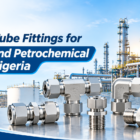
SS 316L stainless steel pipe fittings by McNeil Instruments Inc., featuring metallic elbows, tees, reducers, and pipe connectors displayed against an industrial refinery background.

SS 316L Pipe Fittings: Reliable Performance in Corrosive Environments

Introduction

Industrial piping systems often operate in environments where moisture, chemicals, elevated temperatures, and aggressive process fluids can affect the performance and service life of piping components. Choosing the right material is essential for maintaining operational reliability, reducing maintenance requirements, and supporting safe fluid handling.

SS 316L pipe fittings are widely used in industrial applications that require good corrosion resistance, durability, and reliable performance. Made from low-carbon austenitic stainless steel containing chromium, nickel, and molybdenum, SS 316L offers improved resistance to pitting and crevice corrosion compared with conventional SS 304 in many environments.

For industries such as chemical processing, pharmaceuticals, food processing, marine operations, and industrial instrumentation, selecting suitable pipe fittings is an important part of designing dependable piping systems.

Mcneil Instruments Inc. provides instrumentation products and solutions for industrial applications where reliable connections and appropriate material selection are essential.

What Are SS 316L Pipe Fittings?

SS 316L pipe fittings are piping components manufactured from 316L-grade stainless steel. The term “L” indicates a low carbon content, typically limited to 0.03% maximum by weight under common material specifications.

These fittings are used to connect pipes, change flow direction, create branches, or adapt connections between different piping components. Depending on the design, common fitting types include elbows, tees, reducers, couplings, caps, and other connection components.

SS 316L contains molybdenum, which helps improve resistance to localized corrosion, particularly pitting and crevice corrosion, in many environments. Its low carbon content also helps reduce the risk of sensitization during welding.

The exact performance of an SS 316L fitting depends on the manufacturing standard, surface condition, fabrication method, operating conditions, and chemicals it encounters.

Key Benefits of SS 316L Pipe Fittings

  1. Excellent Corrosion Resistance
    One of the main advantages of SS 316L pipe fittings is their resistance to corrosion in a wide range of industrial environments. The chromium content supports the formation of a protective passive layer, while molybdenum improves resistance to localized corrosion.

These properties make SS 316L a suitable candidate for many chemical processing systems, industrial fluid-handling installations, and applications exposed to moisture and certain corrosive substances.

However, SS 316L is not resistant to every chemical or concentration. Chloride-rich environments, certain acids, and stagnant conditions may cause corrosion and require a detailed material compatibility assessment.


2. Low Carbon Content for Welded Applications
SS 316L has a maximum carbon content of 0.03% under common specifications. This low carbon content helps minimize carbide precipitation and the associated risk of intergranular corrosion in welded components.

As a result, SS 316L is frequently selected for fabricated piping systems where welding is required. Appropriate welding procedures, filler materials, and post-fabrication cleaning remain important for achieving the required corrosion performance.


3. Durability and Mechanical Strength
Industrial piping components must withstand operating pressure, mechanical loading, temperature fluctuations, and normal service stresses.

SS 316L offers a useful combination of strength, ductility, and durability for many industrial applications. The suitability of an individual fitting must still be verified against its dimensions, wall thickness, design standard, pressure rating, and operating temperature.


4. Suitability for Hygienic Applications
SS 316L is used in many pharmaceutical, food processing, beverage, and biotechnology applications because of its corrosion resistance and suitability for hygienic equipment designs.

Where cleanliness and contamination control are important, the fitting’s surface finish, weld quality, cleanability, and applicable sanitary standards must also be considered. The material grade alone does not guarantee hygienic compliance.


5. Reduced Maintenance Requirements
Using a corrosion-resistant material that matches the operating environment can help reduce premature component deterioration and maintenance interruptions.

SS 316L pipe fittings can support reliable service in compatible environments when correctly specified, installed, and maintained. Actual maintenance requirements depend on process conditions, system design, fluid chemistry, and operating practices.

Industrial Applications of SS 316L Pipe Fittings

Chemical Processing Industry
Chemical plants use piping components to transport process fluids, connect equipment, and support fluid-handling operations. SS 316L may be suitable for selected applications involving moisture and certain corrosive chemicals.

Before choosing fittings, engineers should evaluate chemical composition, concentration, temperature, pressure, and the possibility of pitting or stress corrosion cracking.

Pharmaceutical and Biotechnology Industry
Pharmaceutical and biotechnology facilities require piping systems that support cleanliness, process reliability, and contamination control.

SS 316L is used in selected process equipment, tubing systems, and associated connections. The required surface finish, material traceability, fabrication quality, and hygienic design should be specified according to the application.

Food and Beverage Processing
Food and beverage manufacturing often requires corrosion-resistant components that can withstand frequent cleaning and exposure to process fluids.

SS 316L may be appropriate for certain production and cleaning systems. Buyers should confirm compatibility with cleaning chemicals, sanitizing agents, temperature cycles, and the required food-contact or sanitary standards.

Marine and Coastal Applications
Marine installations and coastal facilities may expose piping systems to moisture and chloride-containing environments. SS 316L generally provides better resistance to pitting than SS 304, but it can still experience localized corrosion in seawater and other high-chloride conditions.

For severe seawater exposure, engineers should evaluate whether a higher-alloy stainless steel, duplex stainless steel, or another corrosion-resistant material is more appropriate.

Oil, Gas, and Industrial Instrumentation
Industrial instrumentation systems often use small-bore piping and tubing connections for process measurement, sampling, and fluid control.

SS 316L fittings may be selected for suitable applications involving process instrumentation, chemical handling, and industrial fluid systems. Correct connection geometry, pressure ratings, material compatibility, and installation procedures are essential for reliable operation.

SS 316L vs. SS 304 Pipe Fittings: What Is the Difference?

SS 304 and SS 316L are both austenitic stainless steels, but their alloy compositions and corrosion performance differ.

SS 304 generally provides good corrosion resistance for many general-purpose applications. SS 316L contains molybdenum, which typically improves resistance to pitting and crevice corrosion in chloride-containing environments. Its low carbon content also makes it a useful option for welded applications.

SS 316L is often preferred when the process environment requires greater resistance to localized corrosion. However, it is not automatically the best choice for every application, and its performance depends on the actual service conditions.

When comparing these grades, buyers should consider corrosion risks, operating temperature, mechanical requirements, fabrication method, relevant standards, and total lifecycle cost.

How to Select the Right SS 316L Pipe Fittings

Choosing the correct pipe fitting requires more than selecting a stainless steel grade. Industrial buyers and engineers should evaluate the following factors.

Material grade and certification: Confirm that the fitting meets the required SS 316L material specification. Request material test certificates and traceability documentation where required.

Fitting type and dimensions: Specify whether you need elbows, tees, reducers, couplings, or other fittings. Confirm nominal pipe size, outside diameter where applicable, wall thickness, schedule, and dimensional tolerances.

Connection type: Identify the required connection, such as butt weld, socket weld, threaded, or another specified configuration.

Pressure and temperature requirements: Verify that the fitting is rated for the intended operating and design conditions under the applicable standard.

Corrosion compatibility: Assess the process fluid, chemical concentration, chloride content, temperature, and exposure conditions before finalizing the material.

Applicable standards: Confirm the relevant dimensional, manufacturing, testing, and inspection requirements for the intended application.

Supplier support: Evaluate product documentation, traceability, quality controls, technical assistance, and delivery capabilities before placing an order.

A structured selection process helps reduce the risk of material mismatch and supports reliable piping system performance.

Why Choose Mcneil Instruments Inc.?

Selecting suitable instrumentation and piping components is important for industrial operations that depend on reliable process connections.

Mcneil Instruments Inc. serves industrial instrumentation requirements and helps customers explore products suited to their application needs. When enquiring about SS 316L pipe fittings, buyers should share the required grade, fitting type, dimensions, connection details, quantity, applicable standards, and operating conditions.

Providing these details helps establish the technical requirements for a quotation and product suitability review. Confirm availability, certification, specifications, and delivery timelines directly with the supplier.

Conclusion

SS 316L pipe fittings are an important option for industrial piping systems that require corrosion resistance, durability, and dependable performance. Their low carbon content and molybdenum-bearing composition make them particularly useful in many welded and corrosive-service applications.

From chemical processing and pharmaceutical manufacturing to food processing and industrial instrumentation, the correct fitting selection depends on the process environment, pressure and temperature requirements, connection design, and applicable standards.

For reliable results, evaluate the complete operating conditions rather than relying on the material grade alone.

Looking for SS 316L pipe fittings for your industrial application? Contact McNeil Instruments Inc. to discuss your requirements, request a quotation, and confirm suitable product specifications.

Need SS 316L Pipe Fittings for Corrosive Industrial Environments?

Choose the right material for your process requirements. Contact McNeil Instruments Inc. to discuss your fitting specifications, request a quotation, and confirm product availability for your application.

Get in touch with our team today.
Website: https://www.mcneilinstruments.com/
Email: info@mcneilinstruments.com
Phone: +91 98708 83613

Frequently Asked Questions (FAQs)

  1. What are SS 316L pipe fittings?
    SS 316L pipe fittings are connection components made from low-carbon austenitic stainless steel containing chromium, nickel, and molybdenum. They are used to connect piping sections, change flow direction, and create branches in compatible industrial systems.
  2. Why is SS 316L used in corrosive environments?
    SS 316L contains molybdenum, which generally improves resistance to pitting and crevice corrosion compared with SS 304 in many environments. Its performance still depends on the chemical composition, concentration, temperature, and exposure conditions.
  3. What is the difference between SS 316 and SS 316L?
    SS 316L has a lower maximum carbon content, typically 0.03%, compared with the commonly specified 0.08% maximum for SS 316. The lower carbon content helps reduce sensitization and intergranular corrosion risks during welding.
  4. Are SS 316L pipe fittings suitable for chemical processing?
    Yes, SS 316L is suitable for many chemical processing applications, provided the specific chemicals, concentrations, temperatures, and operating conditions are compatible with the material.
  5. Can SS 316L pipe fittings be used in marine environments?
    SS 316L can be used in some marine and coastal applications, but prolonged exposure to seawater and high chloride concentrations can cause pitting and crevice corrosion. Severe marine applications may require alternative materials.
  6. What types of SS 316L pipe fittings are available?
    Common fitting types include elbows, tees, reducers, couplings, caps, and other connection components. Availability depends on the supplier’s product range, dimensions, connection type, and applicable specifications.
  7. How do I choose the right SS 316L pipe fittings?
    Consider the material specification, pipe dimensions, connection type, pressure rating, operating temperature, chemical compatibility, manufacturing standards, and material certification requirements.
  8. Are SS 316L pipe fittings suitable for pharmaceutical applications?
    SS 316L is widely used in selected pharmaceutical and biotechnology equipment. The fitting must also meet the application’s surface finish, cleanability, fabrication, documentation, and hygienic design requirements.
  9. What information is required to request a quotation?
    Provide the required material grade, fitting type, size, schedule or wall thickness where applicable, connection type, quantity, standards, certification requirements, and intended operating conditions.
  10. Where can I enquire about SS 316L pipe fittings?
    Contact Mcneil Instruments Inc. through its website at https://www.mcneilinstruments.com/ to discuss your industrial instrumentation and fitting requirements and confirm product availability.
Read More

Nigeria’s Energy Future Needs Stronger Materials: Why Stainless Steel Pipe Fittings Are Driving Industrial Growth

Introduction: The Backbone of Nigeria’s Expanding Industrial Sector

Nigeria is one of Africa’s largest industrial and energy economies. From Lagos and Abuja to Port Harcourt, Kano, and Warri, major investments in oil & gas, petrochemicals, power generation, marine infrastructure, and manufacturing continue to reshape the country’s industrial landscape.

As these industries expand, the demand for reliable piping systems has increased dramatically.

Modern facilities require piping components capable of handling:

• High pressure operations
• Corrosive environments
• Chemical processing
• Offshore applications
• Temperature fluctuations
• Continuous industrial operations

This is exactly why Stainless Steel Pipe Fittings have become an essential component of Nigeria’s industrial infrastructure.

High-quality stainless steel fittings provide the strength, corrosion resistance, and durability required for long-term industrial performance in challenging operating environments.

What Are Stainless Steel Pipe Fittings?

Stainless Steel Pipe Fittings are components used to connect, redirect, control, or terminate piping systems.

These fittings ensure:

• Leak-free connections
• Smooth fluid flow
• Pressure management
• Corrosion protection
• System reliability

Common fitting types include:

• Elbows
• Tees
• Reducers
• Couplings
• Caps
• Stub Ends
• Unions

They play a critical role in maintaining safe and efficient industrial operations.

Why Stainless Steel Pipe Fittings Are Important in Nigeria

Nigeria’s industries frequently operate in environments exposed to:

• Humidity
• Offshore saltwater conditions
• Chemical exposure
• High temperatures
• Heavy industrial workloads

Ordinary materials often deteriorate under such conditions.

Stainless steel pipe fittings provide exceptional resistance against corrosion, oxidation, and mechanical wear, making them ideal for Nigerian industrial applications.

Key Benefits of Stainless Steel Pipe Fittings

Outstanding Corrosion Resistance

One of the biggest advantages of stainless steel fittings is their ability to resist:

• Rust formation
• Chemical attack
• Chloride exposure
• Oxidation
• Moisture damage

This makes them particularly valuable for offshore and coastal installations. 

High Mechanical Strength

Stainless steel pipe fittings maintain structural integrity even under demanding operating conditions.

Industries benefit from:

• Improved safety
• Better pressure handling
• Reduced failures
• Longer service life

Excellent Temperature Resistance

These fittings perform effectively under both elevated and low-temperature conditions.

Applications include:

• Steam systems
• Refinery operations
• Process plants
• Thermal systems

Reduced Maintenance Costs

Because of their durability and corrosion resistance, stainless steel fittings help reduce:

• Downtime
• Repair costs
• Replacement frequency
• Operational disruptions

Technical Specifications

ParameterSpecification
ProductStainless Steel Pipe Fittings
StandardsASTM / ASME
TypesButt Weld, Threaded, Forged
Material Grades304, 304L, 316, 316L, 321, 347
Size Range½” to 48″
Pressure RatingIndustrial & High Pressure Applications
ApplicationsOil & Gas, Marine, Chemical, Power

Popular Stainless Steel Grades Used in Nigeria

Stainless Steel 304 Pipe Fittings

SS 304 is one of the most widely used stainless steel grades.

Features

• Good corrosion resistance
• Excellent strength
• Easy fabrication
• Cost-effective performance

Applications

• Water systems
• Food processing
• General industrial piping

Stainless Steel 304L Pipe Fittings

304L contains lower carbon content, improving weldability and corrosion resistance.

Benefits

• Reduced carbide precipitation
• Better welding performance
• Improved durability

Used extensively in welded process systems.

Stainless Steel 316 Pipe Fittings

SS 316 contains molybdenum, which improves resistance to chloride attack and harsh chemicals.

Advantages

• Superior corrosion resistance
• Marine-grade performance
• Excellent chemical resistance

Ideal for offshore and marine applications.

Stainless Steel 316L Pipe Fittings

316L combines corrosion resistance with enhanced weldability.

Common Uses

• Oil & gas facilities
• Petrochemical plants
• Pharmaceutical industries
• Offshore projects

Stainless Steel 321 Pipe Fittings

321 stainless steel contains titanium stabilization for improved heat resistance.

Applications

• Heat exchangers
• Thermal processing systems
• High-temperature piping

Stainless Steel 347 Pipe Fittings

347 stainless steel offers superior performance in elevated-temperature applications.

Used In

• Refineries
• Power plants
• High-pressure steam systems
• Petrochemical facilities

Why Stainless Steel Pipe Fittings Are Essential for Nigeria’s Oil & Gas Industry

Nigeria is one of Africa’s largest oil-producing nations.

Oil and gas facilities require piping systems capable of handling:

• Offshore environments
• Corrosive fluids
• High pressure operations
• Continuous production cycles

Stainless steel pipe fittings provide the reliability required to support these critical operations.

Applications Across Nigerian Industries

Oil & Gas Industry

Used in:

• Refineries
• Offshore platforms
• Pipelines
• Processing facilities

Petrochemical Plants

Provide corrosion-resistant solutions for aggressive chemical processing.

Power Generation Facilities

Support steam systems and high-temperature operations.

Marine Industry

Resist seawater corrosion and harsh offshore conditions.

Water Treatment Plants

Maintain clean and corrosion-resistant water distribution systems.

Manufacturing Industry

Support industrial fluid transfer and utility networks.

Common Types of Stainless Steel Pipe Fittings

Elbows

Used to change flow direction within piping systems.

Tees

Allow fluid distribution in multiple directions.

Reducers

Connect different pipe sizes efficiently.

Cap

Seal pipe ends securely.

Stub Ends

Used with lap joint flanges for easier maintenance.

Couplings

Provide strong and leak-resistant pipe connections.

Stainless Steel vs Carbon Steel Pipe Fittings

PropertyStainless SteelCarbon Steel
Corrosion ResistanceExcellentModerate
Service LifeLongMedium
MaintenanceLowHigher
Chemical ResistanceExcellentLimited
Offshore PerformanceSuperiorModerate

This is why stainless steel continues to be the preferred choice for demanding industrial applications.

Quality Testing and Inspection

Industrial-grade stainless steel pipe fittings undergo:

• Hydrostatic testing
• PMI testing
• Mechanical testing
• Dimensional inspection
• Corrosion resistance testing

These procedures ensure compliance with international quality standards and long-term reliability. 

The Future of Stainless Steel Pipe Fittings in Nigeria

As Nigeria continues investing in:

• Energy infrastructure
• Refinery expansion
• Manufacturing growth
• Marine development
• Industrial modernization

the demand for corrosion-resistant and high-performance piping systems will continue to rise.

Stainless steel pipe fittings will remain essential for ensuring safe, efficient, and long-lasting industrial operations.

Conclusion

Nigeria’s industrial growth depends on reliable infrastructure capable of handling challenging operating conditions.

From offshore oil platforms and petrochemical plants to power generation facilities and manufacturing units, stainless steel pipe fittings provide the strength, corrosion resistance, and durability required for long-term success.

Their ability to withstand pressure, heat, moisture, and chemical exposure makes them one of the most important components in modern industrial piping systems.

Read More

From 304 to 347: Understanding Stainless Steel Pipe Fitting Grades for Reliable Industrial Piping

Introduction: The Importance of Stainless Steel Pipe Fittings in Industrial Systems

In modern industrial piping networks, pipe fittings play a crucial role in ensuring the efficient and safe transportation of fluids, gases, and chemicals. These components are responsible for connecting pipelines, redirecting flow, reducing pipe diameters, or sealing the end of pipelines. From oil refineries and petrochemical plants to food processing units, power plants, pharmaceutical facilities, and water treatment systems, reliable pipe fittings are essential for maintaining system integrity.

Among various stainless steel grades available in the market, Stainless Steel 304 pipe fittings are one of the most widely used due to their excellent balance of corrosion resistance, mechanical strength, weldability, and cost efficiency. Stainless Steel 304 belongs to the austenitic stainless steel family, which is known for its durability and resistance to oxidation and corrosion in many environments.

While SS 304 is widely used in industrial applications, other stainless steel grades such as 304L, 316, 316L, 321, and 347 are also important alternatives, especially when higher corrosion resistance or better performance in high-temperature environments is required. Understanding the properties and differences between these grades helps engineers and procurement specialists select the most suitable material for their specific piping applications.

This article explores Stainless Steel 304 pipe fittings in detail, including their composition, mechanical properties, industrial applications, and comparison with related stainless steel grades.

What Are Stainless Steel 304 Pipe Fittings?

Stainless Steel 304 pipe fittings are components used to join pipes and tubing in piping systems while maintaining structural strength and corrosion resistance. These fittings are typically manufactured according to standards such as ASTM A403 / ASME SA403, which define specifications for austenitic stainless steel pipe fittings.

Pipe fittings are available in a wide variety of shapes and configurations to accommodate different piping system designs. The most commonly used types include:

● Elbows – used to change the direction of fluid flow

● Tees – used to split or combine flow within a pipeline

● Reducers – used to connect pipes of different diameters

● Stub ends – used with lap joint flanges for easier assembly

● Caps – used to seal the end of a pipeline

● Cross fittings – used where four pipes intersect

These fittings are produced using forging, machining, or welding processes to ensure durability and dimensional accuracy.

Chemical Composition of Stainless Steel 304

The performance of Stainless Steel 304 pipe fittings largely depends on their chemical composition. The alloy contains chromium and nickel as its primary elements, which provide corrosion resistance and structural stability.

ElementTypical Composition (%)
Chromium (Cr)18 – 20
Nickel (Ni)8 – 11
Carbon (C)≤ 0.08
Manganese (Mn)≤ 2
Silicon (Si)≤ 1
Phosphorus (P)≤ 0.045
Sulfur (S)≤ 0.03

Chromium forms a passive oxide layer on the metal surface that protects it from corrosion, while nickel enhances toughness and ductility.

Mechanical Properties of Stainless Steel 304 Pipe Fittings

The mechanical strength and structural reliability of SS 304 pipe fittings make them suitable for a wide range of industrial conditions.

PropertyTypical Value
Tensile Strength≥ 515 MPa
Yield Strength≥ 205 MPa
Elongation≥ 40%
Hardness≤ 201 HB
Density8 g/cm³

Stainless Steel 304 exhibits excellent ductility and toughness, even at low temperatures, making it suitable for demanding industrial environments.

Key Advantages of Stainless Steel 304 Pipe Fittings

Strong Corrosion Resistance

The chromium content in SS 304 forms a protective oxide layer that shields the material from corrosion caused by moisture, chemicals, and atmospheric exposure.

Excellent Weldability

SS 304 fittings can be easily welded using common welding techniques such as TIG, MIG, and arc welding without significantly affecting the metal’s mechanical properties.

High Strength and Durability

The austenitic microstructure of SS 304 provides excellent toughness and resistance to cracking or mechanical stress.

Hygienic Surface Finish

The smooth surface of stainless steel makes it ideal for industries that require sanitary conditions, including food processing and pharmaceutical manufacturing.

Versatile Industrial Use

Because of its balanced properties, SS 304 pipe fittings are used in numerous industries worldwide.

Technical Specifications of Stainless Steel 304 Pipe Fittings

SpecificationDetails
StandardASTM A403 / ASME SA403
GradeWP304
Size Range½″ to 48″ NB
Wall ThicknessSCH 10 to SCH XXS
Manufacturing TypeSeamless / Welded
Connection TypeButt Weld, Threaded, Socket Weld
Pressure StandardASME B16.9 / B16.11

These specifications ensure compatibility with standard piping systems used across global industries.

Industrial Applications of Stainless Steel 304 Pipe Fittings

Stainless Steel 304 pipe fittings are widely used across multiple sectors because they offer durability, corrosion resistance, and reliability.

Oil and Gas Industry

Used in pipelines, refineries, and offshore platforms for transporting hydrocarbons and process fluids.

Food and Beverage Processing

SS 304 is suitable for hygienic piping systems used in food manufacturing and beverage processing plants.

Chemical Processing Plants

Resistant to many chemicals and solvents, making it suitable for process piping systems.

Pharmaceutical Industry

Maintains sanitary conditions required for pharmaceutical production facilities.

Water Treatment Systems

Used in pipelines for potable water and wastewater treatment plants.

Other Important Stainless Steel Pipe Fitting Grades

Although SS 304 is one of the most commonly used stainless steels, other grades are often selected for specific environments or operating conditions.

Stainless Steel 304L Pipe Fittings

304L is the low-carbon version of SS 304, designed to minimize carbide precipitation during welding.

Key Characteristics

● Improved weldability

● Reduced risk of intergranular corrosion

● Similar corrosion resistance to SS 304

Applications

● Chemical tanks

● Welded pipelines

● Process piping systems

Stainless Steel 316 Pipe Fittings

SS 316 contains molybdenum, which significantly enhances resistance to corrosion, particularly in chloride environments.

Key Characteristics

● Superior corrosion resistance

● Better performance in marine environments

Applications

● Marine piping systems

● Offshore platforms

● Chemical processing plants

Stainless Steel 316L Pipe Fittings

316L is the low-carbon version of SS 316, offering improved weldability and corrosion resistance.

Applications

● Pharmaceutical processing systems

● Pressure vessels

● Chemical transport pipelines

Stainless Steel 321 Pipe Fittings

SS 321 contains titanium stabilizers that improve its resistance to high-temperature oxidation and carbide precipitation.

Applications

● Heat exchangers

● High-temperature piping systems

● Aerospace applications

Stainless Steel 347 Pipe Fittings

SS 347 is stabilized with niobium, which enhances resistance to intergranular corrosion at elevated temperatures.

Applications

● Thermal power plants

● Petrochemical reactors

● High-temperature steam pipelines

Comparison of Stainless Steel Grades

GradeAlloy ElementKey AdvantageTypical Applications
304Chromium + NickelGeneral corrosion resistanceFood, water, piping
304LLow carbonImproved weldabilityChemical pipelines
316MolybdenumSuperior corrosion resistanceMarine systems
316LLow carbon + MoBetter corrosion resistancePharmaceutical
321TitaniumHigh-temperature stabilityAerospace
347NiobiumResistance to intergranular corrosionPower plants

Quality Testing of Stainless Steel Pipe Fittings

To ensure reliability and compliance with international standards, stainless steel pipe fittings undergo several quality checks.

Typical testing procedures include:

● Chemical composition testing

● Mechanical strength testing

● Hydrostatic pressure testing

● Ultrasonic and radiographic inspection

● Positive Material Identification (PMI)

● Dimensional inspection

These testing methods ensure the fittings meet required industrial specifications and safety standards.

Conclusion

Stainless Steel 304 pipe fittings continue to be one of the most widely used components in industrial piping systems due to their excellent corrosion resistance, strength, weldability, and versatility. Their ability to perform effectively across a wide range of industries makes them a reliable choice for many piping applications.

However, in environments where higher corrosion resistance, improved weldability, or better high-temperature performance is required, alternative stainless steel grades such as 304L, 316, 316L, 321, and 347 may be preferred.

Understanding the differences between these grades allows engineers and procurement professionals to select the most suitable material, ensuring long-lasting performance, operational safety, and efficiency in industrial piping systems.

Read More
Stainless steel instrumentation pipe fittings are the backbone of safe and efficient industrial piping systems. Selecting the right grade and manufacturer makes a significant difference in performance and longevity. Mcneil Instruments supplies Stainless Steel 304, 304L, 316, 316L, 321, and 347 Pipe Fittings to industries in Nigeria, delivering precision, durability, and global quality standards. For reliable piping solutions that stand the test of time, Mcneil Instruments is the partner industries trust.

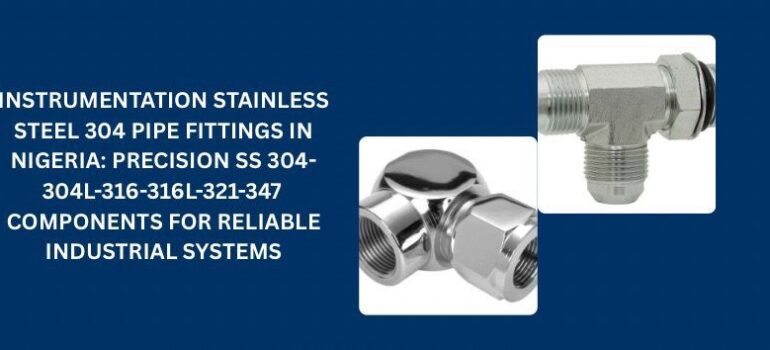
Instrumentation Stainless Steel 304 Pipe Fittings in Nigeria: Precision SS 304-304L-316-316L-321-347 Components for Reliable Industrial Systems

Introduction: Building Stronger Industrial Systems with Quality Pipe Fittings

In today’s fast-growing industrial environment, the reliability of piping systems directly affects safety, efficiency, and operational performance. From oil & gas installations to chemical processing plants, the quality of instrumentation pipe fittings plays a critical role in ensuring leak-proof, high-pressure connections.

Nigeria, being one of Africa’s largest industrial and energy hubs, demands durable and corrosion-resistant piping components. This is where Mcneil Instruments, a trusted manufacturer and supplier of stainless steel instrumentation pipe fittings, delivers world-class solutions engineered for performance.

This blog explains stainless steel instrumentation pipe fittings, their applications, material grades, benefits, and why Mcneil Instruments is the preferred supplier for industries in Nigeria.


What Are Stainless Steel Instrumentation Pipe Fittings?

Instrumentation pipe fittings are precision-engineered components used to connect, control, and direct fluid flow in industrial piping systems. These fittings are designed for high-pressure, high-temperature, and corrosive environments.

Mcneil Instruments manufactures premium-quality:

  • Stainless Steel 304 Pipe Fittings
  • Stainless Steel 304L Pipe Fittings
  • Stainless Steel 316 Pipe Fittings
  • Stainless Steel 316L Pipe Fittings
  • Stainless Steel 321 Pipe Fittings
  • Stainless Steel 347 Pipe Fittings

These fittings ensure long service life, superior strength, and reliable sealing performance.


Industries in Nigeria That Use Instrumentation Pipe Fittings

Stainless steel instrumentation fittings are widely used across Nigerian industries, including:

● Oil & Gas refineries and offshore platforms
● Petrochemical plants
● Power generation facilities
● Chemical processing units
● Marine and shipbuilding industries
● Water treatment plants

Mcneil Instruments supplies fittings that meet international standards required for these demanding sectors.


Types of Stainless Steel Pipe Fittings Offered

Mcneil Instruments provides a wide range of instrumentation fittings such as:

● Tube fittings
● Elbows (90°, 45°)
● Tees and crosses
● Couplings and unions
● Ferrule fittings
● Adaptors and connectors
● Bulkhead fittings

Each fitting is manufactured with high dimensional accuracy to ensure safe and efficient installations.


Material Grades and Their Advantages

Stainless Steel 304 Pipe Fittings

Ideal for general industrial use with excellent corrosion resistance and affordability.

Stainless Steel 304L Pipe Fittings

Low carbon content prevents carbide precipitation, making them suitable for welding applications.

Stainless Steel 316 Pipe Fittings

Enhanced resistance to chlorides and chemicals — perfect for marine and chemical industries.

Stainless Steel 316L Pipe Fittings

Offers superior corrosion resistance with better weldability in harsh environments.

Stainless Steel 321 Pipe Fittings

Stabilized with titanium for high-temperature performance.

Stainless Steel 347 Pipe Fittings

Niobium-stabilized alloy designed for heavy-duty, high-heat applications.


Benefits of Stainless Steel Instrumentation Pipe Fittings

For Industrial Operations

● Leak-proof and high-pressure performance
● Excellent resistance to corrosion and chemicals
● Long operational life
● Reduced maintenance costs
● High temperature tolerance

For Project Owners & Contractors

● Compliance with international standards
● Reliable supply and consistent quality
● Safe installation and operation
● Cost-effective lifecycle performance


Why Quality Pipe Fittings Matter in Nigeria

Nigeria’s climate, offshore operations, and industrial exposure to moisture, chemicals, and extreme temperatures demand robust materials. Inferior fittings can lead to:

● System leaks
● Pressure failures
● Costly downtime
● Safety hazards

Choosing high-quality stainless steel 304, 304L, 316, 316L, 321, and 347 pipe fittings from Mcneil Instruments ensures system integrity and long-term performance.


Mcneil Instruments: Trusted Pipe Fittings Manufacturer & Supplier

Mcneil Instruments is a globally recognized name in instrumentation pipe fittings manufacturing, serving clients in Nigeria and worldwide.

Why Choose Mcneil Instruments?

● International quality standards
● Precision manufacturing technology
● Wide range of stainless steel grades
● Timely global export supply
● Competitive pricing
● Technical support for industrial projects

From small-scale installations to large industrial projects, Mcneil Instruments provides dependable piping solutions.


Future of Industrial Piping in Nigeria

With Nigeria expanding its energy, infrastructure, and manufacturing sectors, the demand for reliable stainless steel instrumentation fittings will continue to grow. Companies that invest in high-grade materials ensure safety, compliance, and operational efficiency.


Conclusion: Strengthen Your Systems with Mcneil Instruments

Stainless steel instrumentation pipe fittings are the backbone of safe and efficient industrial piping systems. Selecting the right grade and manufacturer makes a significant difference in performance and longevity.

Mcneil Instruments supplies Stainless Steel 304, 304L, 316, 316L, 321, and 347 Pipe Fittings to industries in Nigeria, delivering precision, durability, and global quality standards.

For reliable piping solutions that stand the test of time, Mcneil Instruments is the partner industries trust.

Read More
In modern industries, precision, durability, and leak-proof performance are non-negotiable. From oil & gas plants to semiconductor facilities, the reliability of small components like instrumentation pipe fittings determines the safety and efficiency of entire systems. High-quality Stainless Steel 304 Pipe Fittings, Stainless Steel 316 Pipe Fittings, and other corrosion-resistant gradesare widely used in Singapore’s demanding industrial environment. Mcneil Instruments is a trusted manufacturer and supplier of instrumentation pipe fittings, delivering precision-engineered solutions for industries that require accuracy under pressure. This guide explains instrumentation pipe fittings, their applications, key stainless steel grades, benefits, and why Mcneil Instruments is a reliable supplier for Singapore industries.

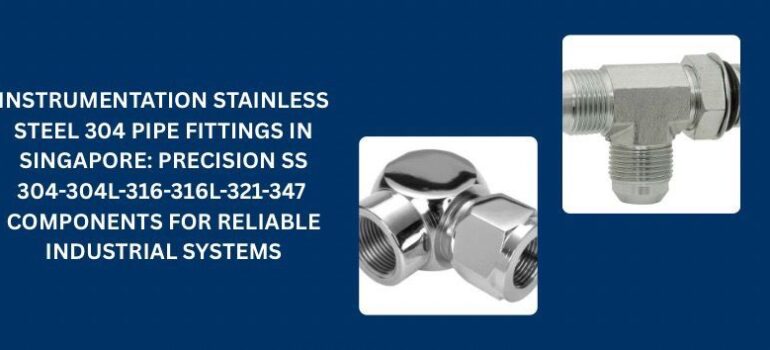
Instrumentation Stainless Steel 304 Pipe Fittings in Singapore: Precision SS 304-304L-316-316L-321-347 Components for Reliable Industrial Systems

Introduction: The Backbone of Safe & Efficient Fluid Control

In modern industries, precision, durability, and leak-proof performance are non-negotiable. From oil & gas plants to semiconductor facilities, the reliability of small components like instrumentation pipe fittings determines the safety and efficiency of entire systems.

High-quality Stainless Steel 304 Pipe Fittings, Stainless Steel 316 Pipe Fittings, and other corrosion-resistant gradesare widely used in Singapore’s demanding industrial environment.

Mcneil Instruments is a trusted manufacturer and supplier of instrumentation pipe fittings, delivering precision-engineered solutions for industries that require accuracy under pressure.

This guide explains instrumentation pipe fittings, their applications, key stainless steel grades, benefits, and why Mcneil Instruments is a reliable supplier for Singapore industries.


What Are Instrumentation Pipe Fittings?

Instrumentation pipe fittings are specialized components used to connect tubes and pipes in systems that measure, control, and regulate pressure, flow, and temperature.

They are designed for:

● Leak-proof connections
● High-pressure systems
● Corrosive environments
● Precision flow control

Unlike regular fittings, instrumentation fittings must maintain tight tolerances and vibration resistance, making material quality critical.

Mcneil Instruments manufactures high-performance fittings that meet international quality standards for industrial use.


Common Types of Instrumentation Pipe Fittings

Industries in Singapore use a variety of fittings depending on system requirements:

● Tube fittings
● Compression fittings
● Elbows and tees
● Couplings and unions
● Reducers and adapters
● Ferrule fittings

These fittings are essential in sectors like oil & gas, petrochemicals, power generation, pharmaceuticals, and marine engineering.


Stainless Steel Grades Used in Instrumentation Pipe Fittings

Material selection determines durability, corrosion resistance, and performance. Mcneil Instruments supplies fittings in the following premium grades:

Stainless Steel 304 Pipe Fittings

● Excellent corrosion resistance
● Strong and cost-effective
● Ideal for general industrial applications

Stainless Steel 304L Pipe Fittings

● Low carbon version of 304
● Better weldability
● Reduced risk of carbide precipitation

Stainless Steel 316 Pipe Fittings

● Superior resistance to chemicals and marine environments
● Molybdenum content improves corrosion resistance
● Widely used in oil, gas, and offshore systems

Stainless Steel 316L Pipe Fittings

● Low carbon 316 grade
● Excellent for high-temperature and corrosive conditions
● Preferred for pharmaceutical and chemical industries

Stainless Steel 321 Pipe Fittings

● Titanium-stabilized grade
● Excellent performance at high temperatures
● Suitable for heat exchangers and thermal systems

Stainless Steel 347 Pipe Fittings

● Niobium-stabilized stainless steel
● Resists intergranular corrosion
● Ideal for heavy-duty and high-pressure applications


Why Instrumentation Pipe Fittings Are Crucial for Singapore Industries

Singapore’s industries operate under strict safety and quality standards. Poor-quality fittings can lead to leaks, downtime, and safety hazards. High-grade stainless steel fittings ensure:

● Operational safety
● Leak-free performance
● Long service life
● Reduced maintenance costs
● Compliance with international standards

Mcneil Instruments supplies precision fittings that perform reliably even in harsh marine and chemical environments common in Singapore.


Benefits of Choosing Stainless Steel Instrumentation Fittings

For Engineers & Plant Operators

● High strength under pressure
● Resistance to corrosion and oxidation
● Stable performance in extreme temperatures
● Easy installation and maintenance

For Businesses

● Lower long-term operational costs
● Improved system efficiency
● Compliance with safety regulations
● Reduced risk of system failure


Mcneil Instruments: Trusted Instrumentation Pipe Fittings Manufacturer & Supplier

Mcneil Instruments is a recognized name in precision-engineered industrial components.

Why Choose Mcneil Instruments?

● Wide range of Stainless Steel 304, 304L, 316, 316L, 321, and 347 Pipe Fittings
● High manufacturing accuracy
● International quality standards
● Reliable supply for Singapore industries
● Technical expertise and customer support

From oil refineries to cleanroom facilities, Mcneil Instruments delivers fittings that industries can depend on.


Applications of Instrumentation Pipe Fittings

These fittings are used in:

● Oil & gas processing plants
● Petrochemical industries
● Marine and offshore installations
● Power plants
● Semiconductor and electronics manufacturing
● Pharmaceutical production
● Water treatment systems


Future of Instrumentation Fittings in Singapore

With increasing automation, smart plants, and stricter environmental norms, demand for high-quality stainless steel instrumentation pipe fittings continues to grow.

Industries are shifting toward corrosion-resistant and high-performance materials like Stainless Steel 316L and 347 to ensure long-term reliability.


Conclusion: Precision That Powers Performance

Instrumentation pipe fittings may be small components, but they play a massive role in industrial safety and efficiency. Choosing the right material and manufacturer is critical.

Mcneil Instruments, a trusted manufacturer and supplier of instrumentation pipe fittings, provides durable, precision-engineered solutions tailored for Singapore’s advanced industrial landscape.

Invest in quality fittings today to ensure safer, stronger, and more reliable operations tomorrow.

Read More
Grade 316L is an austenitic stainless steel alloy containing chromium, nickel, and molybdenum, with a low carbon content (≤0.03%). This combination enhances its corrosion resistance and weldability while reducing the risk of sensitization during welding or heat exposure.

Stainless Steel 316L Pipe Fittings – High-Performance Corrosion-Resistant Solutions | McneilInstruments India

Overview

In industrial environments where corrosion, heat, and pressure can compromise system integrity, Stainless Steel 316L Pipe Fittings stand as the material of choice. At Mcneil Instruments India, we specialize in designing and manufacturing precision-engineered 316L fittings that perform reliably in challenging chemical, marine, and hygienic applications.

Our range includes elbows, tees, reducers, caps, bends, stub ends, and buttweld fittings, each meticulously crafted to international quality standards such as ASTM A403 WP316L, ASME B16.9, and DIN 2605/2615. Whether for a petrochemical pipeline or a sterile pharmaceutical line, every fitting is built to endure, connect, and protect.


Understanding Stainless Steel 316L

Grade 316L is an austenitic stainless steel alloy containing chromium, nickel, and molybdenum, with a low carbon content (≤0.03%). This combination enhances its corrosion resistance and weldability while reducing the risk of sensitization during welding or heat exposure.

316L is often referred to as the “marine grade stainless steel”, as it maintains structural integrity even when exposed to chloride-bearing environments such as seawater and acidic chemical solutions. Its molybdenum addition (2–3%) gives it superior resistance to pitting and crevice corrosion, while the reduced carbon content prevents carbide precipitation.

In short, SS 316L offers an exceptional blend of strength, ductility, and cleanliness, making it indispensable in sectors where metal degradation is unacceptable.


Chemical Composition (Typical Values)

ElementComposition (%)
Chromium (Cr)16.0 – 18.0
Nickel (Ni)10.0 – 14.0
Molybdenum (Mo)2.0 – 3.0
Carbon (C)≤ 0.03
Manganese (Mn)≤ 2.0
Silicon (Si)≤ 1.0
Phosphorus (P)≤ 0.045
Sulfur (S)≤ 0.03

Mechanical & Physical Properties

PropertyValue
Tensile Strength≥ 485 MPa
Yield Strength≥ 170 MPa
Elongation≥ 35%
Hardness (Brinell)≤ 217 HB
Density8.0 g/cm³
Melting Point1375 – 1400 °C
Modulus of Elasticity193 GPa

These mechanical traits, combined with outstanding resistance to oxidizing and reducing agents, allow SS 316L fittings to deliver reliable, leak-proof, and maintenance-free performance for decades.


Distinctive Performance Features

  • Unmatched Corrosion Resistance: Excels in environments containing chlorides, acids, and alkalis.

  • High Thermal Stability: Performs efficiently under both cryogenic and elevated temperatures.

  • Excellent Weldability: The low carbon grade prevents carbide formation at the weld joints.

  • Resistance to Pitting and Crevice Attack: The presence of molybdenum safeguards against localized corrosion.

  • Non-reactive Surface: Maintains hygienic flow, making it suitable for cleanroom and sanitary systems.


Range of Stainless Steel 316L Pipe Fittings

1. 316L Elbow (45°, 90°, 180°)

Used to alter the flow direction in a piping system. Mcneiloffers short-radius and long-radius elbows, both seamless and welded, ideal for compact spaces or heavy-duty lines.

2. 316L Tee Fittings

Enable uniform flow distribution or branch creation within a pipeline. Available as equal and reducing tees, ensuring balanced pressure and flow control.

3. 316L Reducers (Concentric & Eccentric)

Facilitate a smooth transition between pipes of varying diameters, minimizing turbulence and maintaining laminar flow in both horizontal and vertical systems.

4. 316L Buttweld Fittings

Provide strong, leak-free, and vibration-resistant joints. These are commonly used in power plants and process industries requiring permanent, corrosion-resistant piping.

5. 316L Stub Ends & End Caps

Stub ends are used in conjunction with lap joint flanges for easy disassembly and inspection, while end caps ensure tight sealing at pipe ends during shutdown or testing.

6. 316L Pipe Bends

Custom-fabricated bends allow directional change while preserving flow velocity and pressure consistency — essential in large process lines and thermal fluid systems.

Mcneil Instruments offers these fittings in seamless, welded, and ERW configurations, ranging from 1/8” NB to 36” NB, and in multiple pressure schedules (SCH 10 to SCH 160).


Industrial Applications

The inherent stability and corrosion resistance of Stainless Steel 316L make it a dependable choice across a wide range of industries:

  • Chemical & Petrochemical Plants – Handles corrosive acids, solvents, and hydrocarbons safely.
  • Oil & Gas Transmission – Suitable for offshore rigs, pipelines, and refinery equipment.
  • Pharmaceutical Manufacturing – Prevents contamination in sterile product lines.
  • Food & Beverage Industry – Non-reactive and easy to sanitize for hygienic processing.
  • Water Desalination & Treatment Plants – Withstands saline and chemical exposure.
  • Marine & Coastal Engineering – Corrosion-proof under seawater conditions.
  • Power & Heat Exchangers – Retains mechanical strength under cyclical heating.

Why 316L is Preferred Over 304 and Standard 316

  • Improved Chloride Resistance: Thanks to 2–3% molybdenum addition.
  • Low Carbon = No Sensitization: Safe for welding without post-annealing.
  • Enhanced Durability: Better stress-rupture and creep resistance.
  • Ideal for Sanitary Systems: Offers smoother internal surfaces and minimal metallic leaching

Thus, 316L combines all the strength of 316 with added safety against corrosion — especially crucial in chloride-heavy or sterilized process environments.


Why Partner with McneilInstruments India

  • Decades of Expertise: Specialized in stainless steel and alloy fittings for industrial-grade systems.
  • Compliance & Certification: All products adhere to ASTM, ASME, ANSI, and DIN standards.
  • Rigorous Testing: Each fitting undergoes dimensional checks, hydrostatic testing, and PMI (Positive Material Identification).
  • Custom Solutions: Available in tailored wall thicknesses, finishes, and beveling options.
  • Global Reach: Trusted supplier to refineries, EPC contractors, and government projects across continents.

Mcneil Instruments doesn’t just deliver fittings — we deliver confidence, consistency, and quality assurance in every connection.


Handling & Maintenance Recommendations

  1. Regularly inspect fittings for surface discoloration or scaling.
  2. Clean using mild alkaline or neutral pH detergents. Avoid chlorinated cleaners.
  3. Use compatible gaskets and sealants to prevent galvanic corrosion.
  4. Maintain operation within the recommended temperature-pressure envelope.
  5. After installation, perform hydro-testing to ensure zero leakage before commissioning.

Following these practices ensures prolonged service life and sustained system integrity.


Conclusion

Stainless Steel 316L Pipe Fittings represent the perfect balance of mechanical strength, chemical stability, and hygienic performance. For industries that operate under corrosive or high-pressure conditions, 316L fittings are not just components — they are critical safety assets ensuring reliability, longevity, and performance.

Mcneil Instruments India continues to be a trusted global manufacturer, supplier, and exporter of precision-engineered SS 316L fittings, serving industries that demand uncompromising quality.

Contact our experts today to explore customized configurations, dimensional options, and international supply support for your upcoming projects.


Frequently Asked Questions (FAQ)

1. What makes SS 316L Pipe Fittings ideal for corrosive environments?
 The presence of molybdenum significantly enhances pitting and crevice corrosion resistance, especially in chloride and acid-based media.

2. How is 316L different from 316?
 316L contains lower carbon (0.03% max), preventing carbide precipitation during welding, making it more suitable for welded structures.

3. Are 316L fittings suitable for food and pharmaceutical industries?
 Yes, the low carbon and smooth finish ensure hygienic, contamination-free flow, making them ideal for sanitary applications.

4. What pressure and size ranges do you supply?
 Available from 1/8” NB to 36” NB, with pressure schedules from SCH 10 to SCH 160, in seamless and welded options.

5. Can Mcneil customize fittings as per project drawings?
 Absolutely. We offer custom-engineered fittings with client-specified dimensions, surface finishes, and testing certificates.

Read More

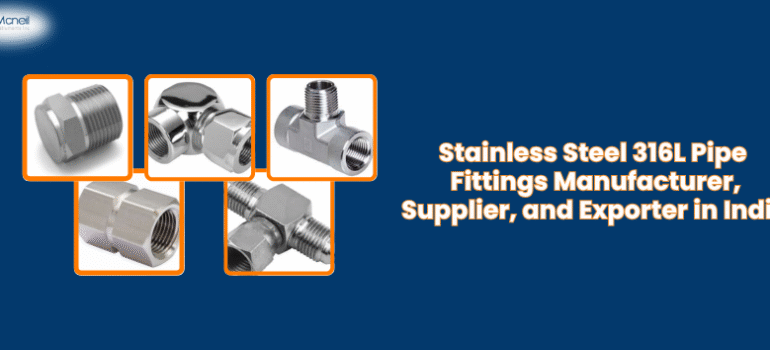
Stainless Steel 316L Pipe Fittings Manufacturer, Supplier, and Exporter in India

Introduction

In demanding industrial environments, where corrosion resistance, hygiene, and strength are non-negotiable, Stainless Steel 316L pipe fittings have become a preferred choice. Known for their low carbon content and enhanced weldability, SS 316L fittings are critical to the performance and safety of piping systems across sectors such as pharmaceuticals, marine, food processing, and chemical industries.

Mcneil Instruments is a trusted manufacturer, supplier, and exporter of stainless steel 316L pipe fittings in India, offering high-quality fittings that comply with global standards and meet diverse application requirements across both domestic and international markets.

Understanding Stainless Steel 316L Pipe Fittings

What Makes 316L Different from 316?

Stainless Steel 316L is the low-carbon version of SS 316. The “L” stands for “low carbon,” meaning the carbon content is limited to 0.03% max. This reduction significantly improves resistance to intergranular corrosion after welding, eliminating the need for post-weld heat treatment in many applications.

Key Characteristics of SS 316L Pipe Fittings
  • Low Carbon Content: Prevents carbide precipitation during welding, enhancing corrosion resistance.
  • Superior Corrosion Resistance: Excellent in chloride-rich environments such as marine and chemical plants.
  • High Strength and Durability: Retains mechanical strength even at high temperatures.
  • Hygienic Finish: Smooth, non-porous surface ideal for sanitary applications.
  • Good Weldability and Fabrication: Suitable for all standard welding techniques without pre-heating.
  • Compliance with International Standards: Meets ASTM A403 WP316L, ASME B16.9, and B16.11.

Manufacturing Process of SS 316L Pipe Fittings

  • Raw Material Sourcing: Selection of high-purity 316L stainless steel billets and bars, conforming to ASTM A403 standards.
  • Forming Processes:
    • Buttweld Fittings: Produced using hot working and cold forming methods.
    • Forged Fittings: Created via forging and machining for socket weld and threaded types.
  • Heat Treatment: Solution annealing at specific temperatures to optimize corrosion resistance and mechanical integrity.
  • Finishing Operations: Beveling, polishing, and precision machining to ensure dimensional accuracy.
  • Testing and Inspection:
    • Mechanical properties testing (tensile, hardness)
    • Chemical composition analysis
    • Hydrostatic and pneumatic pressure testing
    • NDT (Ultrasonic, Radiographic, PMI)
  • Certifications Provided: MTCs with EN 10204 3.1 / 3.2, IBR, NACE, and PED compliance.

Technical Specifications of Stainless Steel 316L Pipe Fittings

SpecificationDetails
GradeStainless Steel 316L
StandardASTM A403 WP316L
DimensionsASME B16.9, B16.11, B16.28
Sizes½” NB to 48” NB
Wall ThicknessSCH 10S, 40S, 80S, 160S, XXS
TypesElbows, Tees, Reducers, Caps, Stub Ends, Couplings
Pressure RatingsClass 150, 300, 600, 900, 1500
FinishPickled, Polished, Annealed

Stainless Steel 316L Pipe Fittings Certifications Table 

CertificationStandard / Description
Material Test Certificate (MTC)EN 10204 3.1 / 3.2
ASTM / ASME ComplianceASTM A403 WP316L / ASME B16.9
Indian Boiler Regulation (IBR)Approved for high-pressure usage
NACE ComplianceMR0175 for sour service applications
Positive Material Identification (PMI)Confirming chemical composition
Radiography & Ultrasonic TestingOptional upon request

Available Sizes & Specifications of Stainless Steel 316L Pipe Fittings

TypeSize Range (NB)Schedule / Rating
Buttweld Fittings½” – 48”SCH 10S, SCH 40S, SCH 80S, XXS
Forged Fittings½” – 4”3000#, 6000#, 9000#
Threaded Fittings½” – 4”BSP / NPT Threads
Socket Weld Fittings½” – 4”ANSI B16.11

Mcneil Instruments: Global Supplier & Exporter of SS 316L Pipe Fittings

As a trusted name in stainless steel solutions, Mcneil Instruments serves diverse industrial sectors worldwide as a manufacturer, supplier, and exporter of Stainless Steel 316L pipe fittings.

  • In Saudi Arabia, Mcneil Instruments is recognized as a reliable manufacturer of stainless steel 316L pipe fittings for petrochemical and desalination projects, where chloride resistance is crucial.
  • In Qatar, we act as a leading exporter of 316L pipe fittings, delivering hygienic and corrosion-resistant solutions to oil & gas processing and infrastructure developments.
  • In Nigeria, industries benefit from our role as a trusted supplier of SS 316L pipe fittings, meeting the needs of water treatment, mining, and energy sectors.
  • As an established pipe fittings exporter in Ghana, Mcneil Instruments supports industrial growth with fittings suited for high-moisture, high-corrosion environments.
  • In Texas, Mcneil serves as a reputed manufacturer and supplier of stainless steel 316L pipe fittings, particularly for pharmaceutical, energy, and food processing facilities adhering to ASTM/ASME standards.
  • In Chicago, we are known as a reliable exporter of stainless steel 316L fittings, catering to HVAC, cleanroom, and process piping installations.
  • Our presence in Malaysia is marked by being a committed exporter and supplier of SS 316L pipe fittings, commonly used in marine fabrication and industrial kitchen applications.
  • In Singapore, Mcneil Instruments is regarded as a premium manufacturer and exporter of stainless steel 316L pipe fittings, particularly for shipbuilding and chemical industries.
  • Across Brazil, Mcneil supports industries as a dedicated supplier of 316L pipe fittings, trusted for chemical plant pipelines and high-acidity environments like pulp and paper mills.

Mcneil Instruments: Your Strategic Partner for SS 316L Fittings in India 

As a leading Stainless Steel 316L Pipe Fittings manufacturer, supplier, and exporter in India, Mcneil Instruments distinguishes itself through an unwavering commitment to excellence:

  • Manufacturing Prowess: Our advanced manufacturing facilities, equipped with cutting-edge technology and staffed by skilled professionals, ensure the consistent production of ASTM A403 WP316L fittings that meet or exceed global quality benchmarks. 
  • Extensive & Ready Inventory: We maintain a vast stock of SS 316L pipe fittings in all critical types (elbows, tees, reducers, caps, crosses, stub ends, bends) and a comprehensive range of sizes (1/8″ NB to 48″ NB) and schedules (SCH 5S, 10S, 40S, 80S, STD, XS, XXS). This ready availability facilitates rapid dispatch and ensures project timelines are met. 
  • Proven Global Export Capabilities: With extensive experience in international trade, we efficiently export Stainless Steel 316L fittings to clients across all continents, guaranteeing smooth logistics, precise documentation, and reliable, on-time global deliveries. 
  • Uncompromising Quality Assurance: Our dedication to quality is absolute. Every fitting undergoes stringent multi-stage inspection and testing, backed by full certifications (e.g., EN 10204 3.1/3.2, NACE MR0175, HIC, PMI), offering complete material traceability and peace of mind.
  • Customer-Centric Approach: We provide tailored solutions, maintain competitive pricing, and offer unparalleled technical support. Our expert team guides clients from initial inquiry through material selection and post-delivery satisfaction.

Conclusion

Stainless Steel 316L pipe fittings are indispensable in industries that demand hygienic, corrosion-resistant, and high-strength components. As a reputed manufacturer, supplier, and exporter in India, Mcneil Instruments ensures that every product meets rigorous quality standards and customer expectations.

If you’re sourcing SS 316L pipe fittings for critical applications, connect with Mcneil Instruments for expert guidance, certified products, and dependable service across the globe.

Read More