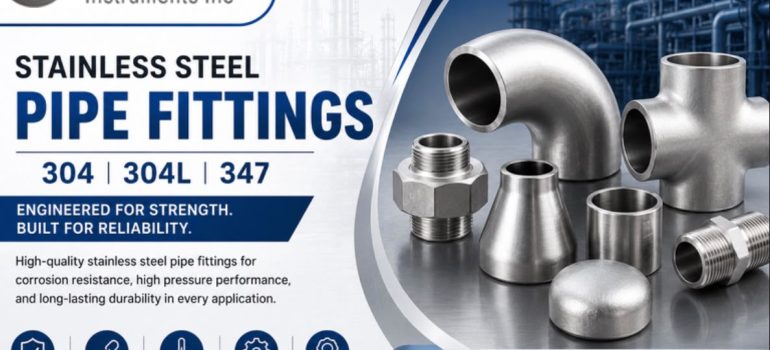
Complete Guide to Stainless Steel Pipe Fittings for Industrial Piping Applications, Benefits & Buying Guide

Introduction

Industrial piping systems demand components that offer exceptional durability, corrosion resistance, and long-term reliability. Selecting the right pipe fittings is essential to ensure leak-free connections, improved operational efficiency, and lower maintenance costs across industries.

Stainless Steel 304 Pipe Fittings, Stainless Steel 304L Pipe Fittings, and Stainless Steel 347 Pipe Fittings are among the most widely used stainless steel fittings for industrial piping systems. Each grade offers unique properties that make it suitable for different operating environments, from general industrial applications to highly corrosive and high-temperature conditions.

Mcneil Instruments is a trusted manufacturer and supplier of premium-quality Stainless Steel 304 Pipe Fittings, Stainless Steel 304L Pipe Fittings, and Stainless Steel 347 Pipe Fittings, manufactured according to international quality standards for industrial, commercial, and process piping applications.


Why Stainless Steel Pipe Fittings Are Preferred in Industrial Piping

Modern industries require piping systems capable of handling pressure, temperature fluctuations, corrosive media, and continuous operation.

Key Benefits

✔ Excellent corrosion resistance

✔ High mechanical strength

✔ Outstanding durability

✔ Excellent weldability

✔ Leak-proof connections

✔ High-pressure capability

✔ Long service life

✔ Low maintenance requirements

✔ Cost-effective industrial solution


Understanding Stainless Steel Pipe Fitting Grades

Stainless Steel 304 Pipe Fittings

Stainless Steel 304 Pipe Fittings are the most commonly used austenitic stainless steel fittings, offering excellent corrosion resistance, good mechanical strength, and outstanding fabrication properties.

Key Features

  • Excellent corrosion resistance
  • Superior weldability
  • High strength
  • Excellent formability
  • Hygienic surface finish
  • Long operational life

Common Applications

  • Food Processing Plants
  • Chemical Processing
  • Water Treatment
  • Pharmaceutical Industry
  • General Industrial Piping
  • HVAC Systems

Stainless Steel 304L Pipe Fittings

Stainless Steel 304L Pipe Fittings contain lower carbon content than 304, making them ideal for welded applications where carbide precipitation must be minimized.

Advantages

  • Improved weldability
  • Better corrosion resistance after welding
  • Reduced carbide precipitation
  • Excellent fabrication properties
  • Long service life

Widely Used In

  • Process Piping
  • Chemical Plants
  • Pressure Vessels
  • Pharmaceutical Equipment
  • Food Processing
  • Fabricated Piping Systems

Stainless Steel 347 Pipe Fittings

Stainless Steel 347 Pipe Fittings are stabilized with niobium, providing exceptional resistance to intergranular corrosion and high-temperature oxidation.

Benefits

  • Superior high-temperature performance
  • Excellent oxidation resistance
  • High creep strength
  • Excellent thermal stability
  • Outstanding corrosion resistance

Applications

  • Heat Exchangers
  • Power Generation Plants
  • Refineries
  • Petrochemical Plants
  • Boiler Systems
  • Aerospace Components

Types of Stainless Steel Pipe Fittings

Mcneil Instruments manufactures a complete range of stainless steel pipe fittings for industrial piping systems.

Our product range includes:

  • Elbows
  • Tees
  • Reducers
  • Stub Ends
  • Pipe Caps
  • Crosses
  • Couplings
  • Unions
  • Nipples
  • Bushings
  • Socket Weld Fittings
  • Threaded Pipe Fittings
  • Butt Weld Pipe Fittings
  • Equal Tees
  • Reducing Tees
  • Long Radius Elbows
  • Short Radius Elbows
  • Custom Pipe Fittings

Stainless Steel 304 vs 304L vs 347 Pipe Fittings

GradeMajor AdvantageBest Applications
Stainless Steel 304 Pipe FittingsGeneral corrosion resistanceFood processing, water treatment, industrial piping
Stainless Steel 304L Pipe FittingsExcellent weldabilityFabricated piping, pressure vessels, chemical plants
Stainless Steel 347 Pipe FittingsHigh-temperature strengthRefineries, power plants, petrochemical industries

Applications of Stainless Steel Pipe Fittings

Our Stainless Steel 304 Pipe Fittings, Stainless Steel 304L Pipe Fittings, and Stainless Steel 347 Pipe Fittings are widely used in:

  • Oil & Gas Industry
  • Petrochemical Plants
  • Chemical Processing
  • Power Generation
  • Water Treatment Plants
  • Marine Engineering
  • Pharmaceutical Industry
  • Food & Beverage Processing
  • Pulp & Paper Industry
  • Heat Exchanger Manufacturing
  • LNG Plants
  • Fertilizer Industry
  • Industrial Automation
  • Process Equipment
  • Pressure Piping Systems

Benefits of Stainless Steel Pipe Fittings

Compared with conventional piping materials, stainless steel pipe fittings provide several operational advantages.

Business Benefits

🌍 Excellent corrosion resistance

⚙ High-pressure performance

🛡 Leak-proof piping systems

📈 Increased plant reliability

💰 Lower maintenance costs

🚀 Longer service life

🔧 Easy installation

🌡 Excellent temperature resistance


Buying Guide: How to Choose the Right Stainless Steel Pipe Fittings

Selecting the appropriate pipe fitting depends on several important factors.

Consider These Points

  • Operating temperature
  • Working pressure
  • Type of fluid or gas
  • Corrosive environment
  • Welding requirements
  • Industry standards
  • Pipe dimensions
  • Thread or weld connection
  • Budget and lifecycle cost

For general industrial applications, Stainless Steel 304 Pipe Fittings provide an economical solution.

For fabricated and welded systems, Stainless Steel 304L Pipe Fittings are recommended.

For elevated temperature environments, Stainless Steel 347 Pipe Fittings offer superior performance.


Why Choose Mcneil Instruments?

Mcneil Instruments manufactures precision-engineered stainless steel pipe fittings designed to meet international quality standards.

Our Advantages

✔ Premium-grade stainless steel

✔ Precision manufacturing

✔ ASTM, ASME & ANSI standards

✔ Extensive product inventory

✔ Competitive pricing

✔ Worldwide exports

✔ Custom manufacturing

✔ Strict quality inspections

✔ On-time delivery


Quality Assurance

Every stainless steel pipe fitting undergoes comprehensive testing before dispatch.

Inspection & Testing

  • Raw Material Inspection
  • PMI Testing
  • Hydrostatic Testing
  • Mechanical Testing
  • Chemical Analysis
  • Dimensional Inspection
  • Surface Finish Inspection
  • Visual Examination

Material Test Certificates (MTC) are available upon request.


Why Industries Trust Stainless Steel Pipe Fittings

Industrial customers continue to choose stainless steel pipe fittings because they deliver:

  • Long operational life
  • Superior corrosion resistance
  • Reliable leak-proof performance
  • Excellent mechanical strength
  • Reduced maintenance costs
  • Easy installation
  • Better lifecycle value
  • Consistent industrial performance

Conclusion

Selecting the right pipe fittings is essential for building efficient and reliable industrial piping systems. Whether your project requires Stainless Steel 304 Pipe Fittings for general-purpose applications, Stainless Steel 304L Pipe Fittingsfor superior weldability, or Stainless Steel 347 Pipe Fittings for high-temperature service, choosing the correct grade ensures long-term performance and operational efficiency.

Mcneil Instruments manufactures premium-quality stainless steel pipe fittings engineered to meet international standards and deliver dependable performance across diverse industrial applications.


Frequently Asked Questions (FAQs)

1. What is the difference between Stainless Steel 304, 304L, and 347 Pipe Fittings?

Stainless Steel 304 is ideal for general industrial use, 304L offers better weldability due to its lower carbon content, while 347 provides superior high-temperature strength and resistance to intergranular corrosion.

2. Which industries commonly use Stainless Steel Pipe Fittings?

Oil & gas, chemical processing, petrochemical, food processing, pharmaceutical, marine, power generation, water treatment, and industrial manufacturing.

3. Which stainless steel grade is best for welded piping systems?

Stainless Steel 304L Pipe Fittings are recommended because their low carbon content minimizes carbide precipitation during welding.

4. Why are Stainless Steel 347 Pipe Fittings used in high-temperature applications?

They are stabilized with niobium, providing excellent oxidation resistance, thermal stability, and high-temperature strength.

5. Does Mcneil Instruments manufacture customized stainless steel pipe fittings?

Yes. We manufacture customized stainless steel pipe fittings in various sizes, schedules, pressure ratings, and specifications based on customer requirements.

6. Why choose Mcneil Instruments?

Mcneil Instruments offers premium-quality products, precision manufacturing, strict quality testing, competitive pricing, worldwide exports, technical expertise, and reliable customer support.

Read More

From 304 to 347: Understanding Stainless Steel Pipe Fitting Grades for Reliable Industrial Piping

Introduction: The Importance of Stainless Steel Pipe Fittings in Industrial Systems

In modern industrial piping networks, pipe fittings play a crucial role in ensuring the efficient and safe transportation of fluids, gases, and chemicals. These components are responsible for connecting pipelines, redirecting flow, reducing pipe diameters, or sealing the end of pipelines. From oil refineries and petrochemical plants to food processing units, power plants, pharmaceutical facilities, and water treatment systems, reliable pipe fittings are essential for maintaining system integrity.

Among various stainless steel grades available in the market, Stainless Steel 304 pipe fittings are one of the most widely used due to their excellent balance of corrosion resistance, mechanical strength, weldability, and cost efficiency. Stainless Steel 304 belongs to the austenitic stainless steel family, which is known for its durability and resistance to oxidation and corrosion in many environments.

While SS 304 is widely used in industrial applications, other stainless steel grades such as 304L, 316, 316L, 321, and 347 are also important alternatives, especially when higher corrosion resistance or better performance in high-temperature environments is required. Understanding the properties and differences between these grades helps engineers and procurement specialists select the most suitable material for their specific piping applications.

This article explores Stainless Steel 304 pipe fittings in detail, including their composition, mechanical properties, industrial applications, and comparison with related stainless steel grades.

What Are Stainless Steel 304 Pipe Fittings?

Stainless Steel 304 pipe fittings are components used to join pipes and tubing in piping systems while maintaining structural strength and corrosion resistance. These fittings are typically manufactured according to standards such as ASTM A403 / ASME SA403, which define specifications for austenitic stainless steel pipe fittings.

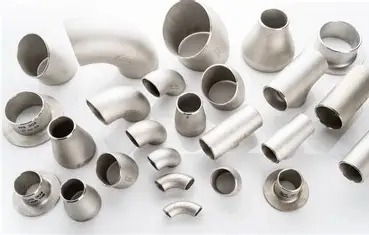
Pipe fittings are available in a wide variety of shapes and configurations to accommodate different piping system designs. The most commonly used types include:

● Elbows – used to change the direction of fluid flow

● Tees – used to split or combine flow within a pipeline

● Reducers – used to connect pipes of different diameters

● Stub ends – used with lap joint flanges for easier assembly

● Caps – used to seal the end of a pipeline

● Cross fittings – used where four pipes intersect

These fittings are produced using forging, machining, or welding processes to ensure durability and dimensional accuracy.

Chemical Composition of Stainless Steel 304

The performance of Stainless Steel 304 pipe fittings largely depends on their chemical composition. The alloy contains chromium and nickel as its primary elements, which provide corrosion resistance and structural stability.

ElementTypical Composition (%)
Chromium (Cr)18 – 20
Nickel (Ni)8 – 11
Carbon (C)≤ 0.08
Manganese (Mn)≤ 2
Silicon (Si)≤ 1
Phosphorus (P)≤ 0.045
Sulfur (S)≤ 0.03

Chromium forms a passive oxide layer on the metal surface that protects it from corrosion, while nickel enhances toughness and ductility.

Mechanical Properties of Stainless Steel 304 Pipe Fittings

The mechanical strength and structural reliability of SS 304 pipe fittings make them suitable for a wide range of industrial conditions.

PropertyTypical Value
Tensile Strength≥ 515 MPa
Yield Strength≥ 205 MPa
Elongation≥ 40%
Hardness≤ 201 HB
Density8 g/cm³

Stainless Steel 304 exhibits excellent ductility and toughness, even at low temperatures, making it suitable for demanding industrial environments.

Key Advantages of Stainless Steel 304 Pipe Fittings

Strong Corrosion Resistance

The chromium content in SS 304 forms a protective oxide layer that shields the material from corrosion caused by moisture, chemicals, and atmospheric exposure.

Excellent Weldability

SS 304 fittings can be easily welded using common welding techniques such as TIG, MIG, and arc welding without significantly affecting the metal’s mechanical properties.

High Strength and Durability

The austenitic microstructure of SS 304 provides excellent toughness and resistance to cracking or mechanical stress.

Hygienic Surface Finish

The smooth surface of stainless steel makes it ideal for industries that require sanitary conditions, including food processing and pharmaceutical manufacturing.

Versatile Industrial Use

Because of its balanced properties, SS 304 pipe fittings are used in numerous industries worldwide.

Technical Specifications of Stainless Steel 304 Pipe Fittings

SpecificationDetails
StandardASTM A403 / ASME SA403
GradeWP304
Size Range½″ to 48″ NB
Wall ThicknessSCH 10 to SCH XXS
Manufacturing TypeSeamless / Welded
Connection TypeButt Weld, Threaded, Socket Weld
Pressure StandardASME B16.9 / B16.11

These specifications ensure compatibility with standard piping systems used across global industries.

Industrial Applications of Stainless Steel 304 Pipe Fittings

Stainless Steel 304 pipe fittings are widely used across multiple sectors because they offer durability, corrosion resistance, and reliability.

Oil and Gas Industry

Used in pipelines, refineries, and offshore platforms for transporting hydrocarbons and process fluids.

Food and Beverage Processing

SS 304 is suitable for hygienic piping systems used in food manufacturing and beverage processing plants.

Chemical Processing Plants

Resistant to many chemicals and solvents, making it suitable for process piping systems.

Pharmaceutical Industry

Maintains sanitary conditions required for pharmaceutical production facilities.

Water Treatment Systems

Used in pipelines for potable water and wastewater treatment plants.

Other Important Stainless Steel Pipe Fitting Grades

Although SS 304 is one of the most commonly used stainless steels, other grades are often selected for specific environments or operating conditions.

Stainless Steel 304L Pipe Fittings

304L is the low-carbon version of SS 304, designed to minimize carbide precipitation during welding.

Key Characteristics

● Improved weldability

● Reduced risk of intergranular corrosion

● Similar corrosion resistance to SS 304

Applications

● Chemical tanks

● Welded pipelines

● Process piping systems

Stainless Steel 316 Pipe Fittings

SS 316 contains molybdenum, which significantly enhances resistance to corrosion, particularly in chloride environments.

Key Characteristics

● Superior corrosion resistance

● Better performance in marine environments

Applications

● Marine piping systems

● Offshore platforms

● Chemical processing plants

Stainless Steel 316L Pipe Fittings

316L is the low-carbon version of SS 316, offering improved weldability and corrosion resistance.

Applications

● Pharmaceutical processing systems

● Pressure vessels

● Chemical transport pipelines

Stainless Steel 321 Pipe Fittings

SS 321 contains titanium stabilizers that improve its resistance to high-temperature oxidation and carbide precipitation.

Applications

● Heat exchangers

● High-temperature piping systems

● Aerospace applications

Stainless Steel 347 Pipe Fittings

SS 347 is stabilized with niobium, which enhances resistance to intergranular corrosion at elevated temperatures.

Applications

● Thermal power plants

● Petrochemical reactors

● High-temperature steam pipelines

Comparison of Stainless Steel Grades

GradeAlloy ElementKey AdvantageTypical Applications
304Chromium + NickelGeneral corrosion resistanceFood, water, piping
304LLow carbonImproved weldabilityChemical pipelines
316MolybdenumSuperior corrosion resistanceMarine systems
316LLow carbon + MoBetter corrosion resistancePharmaceutical
321TitaniumHigh-temperature stabilityAerospace
347NiobiumResistance to intergranular corrosionPower plants

Quality Testing of Stainless Steel Pipe Fittings

To ensure reliability and compliance with international standards, stainless steel pipe fittings undergo several quality checks.

Typical testing procedures include:

● Chemical composition testing

● Mechanical strength testing

● Hydrostatic pressure testing

● Ultrasonic and radiographic inspection

● Positive Material Identification (PMI)

● Dimensional inspection

These testing methods ensure the fittings meet required industrial specifications and safety standards.

Conclusion

Stainless Steel 304 pipe fittings continue to be one of the most widely used components in industrial piping systems due to their excellent corrosion resistance, strength, weldability, and versatility. Their ability to perform effectively across a wide range of industries makes them a reliable choice for many piping applications.

However, in environments where higher corrosion resistance, improved weldability, or better high-temperature performance is required, alternative stainless steel grades such as 304L, 316, 316L, 321, and 347 may be preferred.

Understanding the differences between these grades allows engineers and procurement professionals to select the most suitable material, ensuring long-lasting performance, operational safety, and efficiency in industrial piping systems.

Read More
Stainless steel instrumentation pipe fittings are the backbone of safe and efficient industrial piping systems. Selecting the right grade and manufacturer makes a significant difference in performance and longevity. Mcneil Instruments supplies Stainless Steel 304, 304L, 316, 316L, 321, and 347 Pipe Fittings to industries in Nigeria, delivering precision, durability, and global quality standards. For reliable piping solutions that stand the test of time, Mcneil Instruments is the partner industries trust.

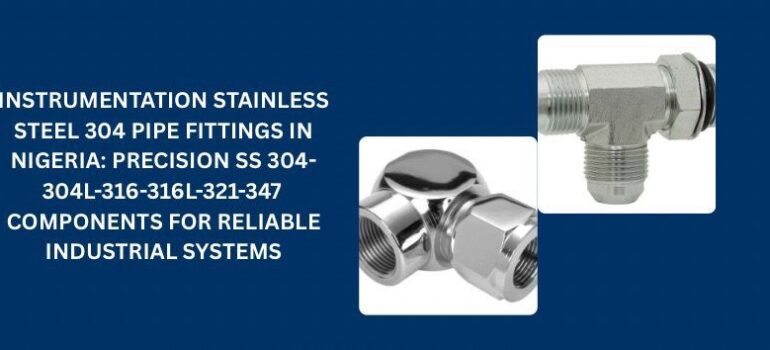
Instrumentation Stainless Steel 304 Pipe Fittings in Nigeria: Precision SS 304-304L-316-316L-321-347 Components for Reliable Industrial Systems

Introduction: Building Stronger Industrial Systems with Quality Pipe Fittings

In today’s fast-growing industrial environment, the reliability of piping systems directly affects safety, efficiency, and operational performance. From oil & gas installations to chemical processing plants, the quality of instrumentation pipe fittings plays a critical role in ensuring leak-proof, high-pressure connections.

Nigeria, being one of Africa’s largest industrial and energy hubs, demands durable and corrosion-resistant piping components. This is where Mcneil Instruments, a trusted manufacturer and supplier of stainless steel instrumentation pipe fittings, delivers world-class solutions engineered for performance.

This blog explains stainless steel instrumentation pipe fittings, their applications, material grades, benefits, and why Mcneil Instruments is the preferred supplier for industries in Nigeria.


What Are Stainless Steel Instrumentation Pipe Fittings?

Instrumentation pipe fittings are precision-engineered components used to connect, control, and direct fluid flow in industrial piping systems. These fittings are designed for high-pressure, high-temperature, and corrosive environments.

Mcneil Instruments manufactures premium-quality:

  • Stainless Steel 304 Pipe Fittings
  • Stainless Steel 304L Pipe Fittings
  • Stainless Steel 316 Pipe Fittings
  • Stainless Steel 316L Pipe Fittings
  • Stainless Steel 321 Pipe Fittings
  • Stainless Steel 347 Pipe Fittings

These fittings ensure long service life, superior strength, and reliable sealing performance.


Industries in Nigeria That Use Instrumentation Pipe Fittings

Stainless steel instrumentation fittings are widely used across Nigerian industries, including:

● Oil & Gas refineries and offshore platforms
● Petrochemical plants
● Power generation facilities
● Chemical processing units
● Marine and shipbuilding industries
● Water treatment plants

Mcneil Instruments supplies fittings that meet international standards required for these demanding sectors.


Types of Stainless Steel Pipe Fittings Offered

Mcneil Instruments provides a wide range of instrumentation fittings such as:

● Tube fittings
● Elbows (90°, 45°)
● Tees and crosses
● Couplings and unions
● Ferrule fittings
● Adaptors and connectors
● Bulkhead fittings

Each fitting is manufactured with high dimensional accuracy to ensure safe and efficient installations.


Material Grades and Their Advantages

Stainless Steel 304 Pipe Fittings

Ideal for general industrial use with excellent corrosion resistance and affordability.

Stainless Steel 304L Pipe Fittings

Low carbon content prevents carbide precipitation, making them suitable for welding applications.

Stainless Steel 316 Pipe Fittings

Enhanced resistance to chlorides and chemicals — perfect for marine and chemical industries.

Stainless Steel 316L Pipe Fittings

Offers superior corrosion resistance with better weldability in harsh environments.

Stainless Steel 321 Pipe Fittings

Stabilized with titanium for high-temperature performance.

Stainless Steel 347 Pipe Fittings

Niobium-stabilized alloy designed for heavy-duty, high-heat applications.


Benefits of Stainless Steel Instrumentation Pipe Fittings

For Industrial Operations

● Leak-proof and high-pressure performance
● Excellent resistance to corrosion and chemicals
● Long operational life
● Reduced maintenance costs
● High temperature tolerance

For Project Owners & Contractors

● Compliance with international standards
● Reliable supply and consistent quality
● Safe installation and operation
● Cost-effective lifecycle performance


Why Quality Pipe Fittings Matter in Nigeria

Nigeria’s climate, offshore operations, and industrial exposure to moisture, chemicals, and extreme temperatures demand robust materials. Inferior fittings can lead to:

● System leaks
● Pressure failures
● Costly downtime
● Safety hazards

Choosing high-quality stainless steel 304, 304L, 316, 316L, 321, and 347 pipe fittings from Mcneil Instruments ensures system integrity and long-term performance.


Mcneil Instruments: Trusted Pipe Fittings Manufacturer & Supplier

Mcneil Instruments is a globally recognized name in instrumentation pipe fittings manufacturing, serving clients in Nigeria and worldwide.

Why Choose Mcneil Instruments?

● International quality standards
● Precision manufacturing technology
● Wide range of stainless steel grades
● Timely global export supply
● Competitive pricing
● Technical support for industrial projects

From small-scale installations to large industrial projects, Mcneil Instruments provides dependable piping solutions.


Future of Industrial Piping in Nigeria

With Nigeria expanding its energy, infrastructure, and manufacturing sectors, the demand for reliable stainless steel instrumentation fittings will continue to grow. Companies that invest in high-grade materials ensure safety, compliance, and operational efficiency.


Conclusion: Strengthen Your Systems with Mcneil Instruments

Stainless steel instrumentation pipe fittings are the backbone of safe and efficient industrial piping systems. Selecting the right grade and manufacturer makes a significant difference in performance and longevity.

Mcneil Instruments supplies Stainless Steel 304, 304L, 316, 316L, 321, and 347 Pipe Fittings to industries in Nigeria, delivering precision, durability, and global quality standards.

For reliable piping solutions that stand the test of time, Mcneil Instruments is the partner industries trust.

Read More
In modern industries, precision, durability, and leak-proof performance are non-negotiable. From oil & gas plants to semiconductor facilities, the reliability of small components like instrumentation pipe fittings determines the safety and efficiency of entire systems. High-quality Stainless Steel 304 Pipe Fittings, Stainless Steel 316 Pipe Fittings, and other corrosion-resistant gradesare widely used in Singapore’s demanding industrial environment. Mcneil Instruments is a trusted manufacturer and supplier of instrumentation pipe fittings, delivering precision-engineered solutions for industries that require accuracy under pressure. This guide explains instrumentation pipe fittings, their applications, key stainless steel grades, benefits, and why Mcneil Instruments is a reliable supplier for Singapore industries.

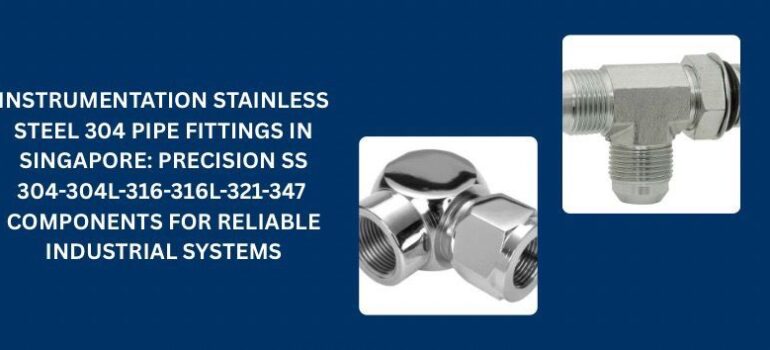
Instrumentation Stainless Steel 304 Pipe Fittings in Singapore: Precision SS 304-304L-316-316L-321-347 Components for Reliable Industrial Systems

Introduction: The Backbone of Safe & Efficient Fluid Control

In modern industries, precision, durability, and leak-proof performance are non-negotiable. From oil & gas plants to semiconductor facilities, the reliability of small components like instrumentation pipe fittings determines the safety and efficiency of entire systems.

High-quality Stainless Steel 304 Pipe Fittings, Stainless Steel 316 Pipe Fittings, and other corrosion-resistant gradesare widely used in Singapore’s demanding industrial environment.

Mcneil Instruments is a trusted manufacturer and supplier of instrumentation pipe fittings, delivering precision-engineered solutions for industries that require accuracy under pressure.

This guide explains instrumentation pipe fittings, their applications, key stainless steel grades, benefits, and why Mcneil Instruments is a reliable supplier for Singapore industries.


What Are Instrumentation Pipe Fittings?

Instrumentation pipe fittings are specialized components used to connect tubes and pipes in systems that measure, control, and regulate pressure, flow, and temperature.

They are designed for:

● Leak-proof connections
● High-pressure systems
● Corrosive environments
● Precision flow control

Unlike regular fittings, instrumentation fittings must maintain tight tolerances and vibration resistance, making material quality critical.

Mcneil Instruments manufactures high-performance fittings that meet international quality standards for industrial use.


Common Types of Instrumentation Pipe Fittings

Industries in Singapore use a variety of fittings depending on system requirements:

● Tube fittings
● Compression fittings
● Elbows and tees
● Couplings and unions
● Reducers and adapters
● Ferrule fittings

These fittings are essential in sectors like oil & gas, petrochemicals, power generation, pharmaceuticals, and marine engineering.


Stainless Steel Grades Used in Instrumentation Pipe Fittings

Material selection determines durability, corrosion resistance, and performance. Mcneil Instruments supplies fittings in the following premium grades:

Stainless Steel 304 Pipe Fittings

● Excellent corrosion resistance
● Strong and cost-effective
● Ideal for general industrial applications

Stainless Steel 304L Pipe Fittings

● Low carbon version of 304
● Better weldability
● Reduced risk of carbide precipitation

Stainless Steel 316 Pipe Fittings

● Superior resistance to chemicals and marine environments
● Molybdenum content improves corrosion resistance
● Widely used in oil, gas, and offshore systems

Stainless Steel 316L Pipe Fittings

● Low carbon 316 grade
● Excellent for high-temperature and corrosive conditions
● Preferred for pharmaceutical and chemical industries

Stainless Steel 321 Pipe Fittings

● Titanium-stabilized grade
● Excellent performance at high temperatures
● Suitable for heat exchangers and thermal systems

Stainless Steel 347 Pipe Fittings

● Niobium-stabilized stainless steel
● Resists intergranular corrosion
● Ideal for heavy-duty and high-pressure applications


Why Instrumentation Pipe Fittings Are Crucial for Singapore Industries

Singapore’s industries operate under strict safety and quality standards. Poor-quality fittings can lead to leaks, downtime, and safety hazards. High-grade stainless steel fittings ensure:

● Operational safety
● Leak-free performance
● Long service life
● Reduced maintenance costs
● Compliance with international standards

Mcneil Instruments supplies precision fittings that perform reliably even in harsh marine and chemical environments common in Singapore.


Benefits of Choosing Stainless Steel Instrumentation Fittings

For Engineers & Plant Operators

● High strength under pressure
● Resistance to corrosion and oxidation
● Stable performance in extreme temperatures
● Easy installation and maintenance

For Businesses

● Lower long-term operational costs
● Improved system efficiency
● Compliance with safety regulations
● Reduced risk of system failure


Mcneil Instruments: Trusted Instrumentation Pipe Fittings Manufacturer & Supplier

Mcneil Instruments is a recognized name in precision-engineered industrial components.

Why Choose Mcneil Instruments?

● Wide range of Stainless Steel 304, 304L, 316, 316L, 321, and 347 Pipe Fittings
● High manufacturing accuracy
● International quality standards
● Reliable supply for Singapore industries
● Technical expertise and customer support

From oil refineries to cleanroom facilities, Mcneil Instruments delivers fittings that industries can depend on.


Applications of Instrumentation Pipe Fittings

These fittings are used in:

● Oil & gas processing plants
● Petrochemical industries
● Marine and offshore installations
● Power plants
● Semiconductor and electronics manufacturing
● Pharmaceutical production
● Water treatment systems


Future of Instrumentation Fittings in Singapore

With increasing automation, smart plants, and stricter environmental norms, demand for high-quality stainless steel instrumentation pipe fittings continues to grow.

Industries are shifting toward corrosion-resistant and high-performance materials like Stainless Steel 316L and 347 to ensure long-term reliability.


Conclusion: Precision That Powers Performance

Instrumentation pipe fittings may be small components, but they play a massive role in industrial safety and efficiency. Choosing the right material and manufacturer is critical.

Mcneil Instruments, a trusted manufacturer and supplier of instrumentation pipe fittings, provides durable, precision-engineered solutions tailored for Singapore’s advanced industrial landscape.

Invest in quality fittings today to ensure safer, stronger, and more reliable operations tomorrow.

Read More
Stainless Steel 304L (UNS S30403 / Werkstoff 1.4306) is a low-carbon modification of the standard 304 stainless steel — the “L” indicating a maximum carbon content of 0.03%. This small adjustment dramatically enhances resistance to intergranular corrosion and sensitization during welding or high-temperature exposure.

Stainless Steel 304L Pipe Fittings – Manufacturer, Supplier & Exporter | Mcneil Instruments India

Introduction

In industries where reliability, corrosion resistance, and cleanliness define system efficiency, Stainless Steel 304L Pipe Fittings remain one of the most trusted choices worldwide.
At Mcneil Instruments India, we specialize in the manufacturing, supplying, and exporting of SS 304L Pipe Fittings that meet stringent international standards for mechanical strength, metallurgical integrity, and dimensional precision.

Our fittings are designed for demanding sectors — chemical plants, power stations, food & beverage units, oil & gas refineries, marine systems, and pharmaceutical facilities — where consistent performance under pressure and temperature extremes is critical.

Manufactured under ASTM A403 / ASME B16.9 / MSS-SP43 / DIN standards, each product undergoes 100% inspection and hydrostatic testing before dispatch. Whether it’s a seamless elbow or a welded tee, Mcneil’s Stainless Steel 304L Pipe Fittings ensure leak-proof joints, uniform flow, and long-term structural stability.


Understanding Stainless Steel 304L – Composition and Metallurgical Behavior

Stainless Steel 304L (UNS S30403 / Werkstoff 1.4306) is a low-carbon modification of the standard 304 stainless steel — the “L” indicating a maximum carbon content of 0.03%. This small adjustment dramatically enhances resistance to intergranular corrosion and sensitization during welding or high-temperature exposure.

Microstructure and Alloy Design

SS 304L is an austenitic chromium-nickel alloy, stabilized by a homogeneous microstructure that retains ductility and toughness across a broad temperature range. The alloy achieves its corrosion resistance through:

  • 18–20% Chromium (Cr): Forms a passive oxide layer that resists oxidation and surface scaling.
  • 8–12% Nickel (Ni): Improves toughness, formability, and pitting resistance.
  • Low Carbon (<0.03%): Prevents chromium carbide precipitation at grain boundaries.

This balance of chemistry makes 304L ideal for welded assemblies, pressure piping, and clean processing systems where long-term corrosion resistance and cleanliness are vital.


Detailed Chemical Composition

ElementContent (%)Role / Benefit
Carbon (C)≤ 0.03Reduces carbide precipitation and improves weld corrosion resistance
Manganese (Mn)≤ 2.00Improves hot workability and strength
Silicon (Si)≤ 1.00Enhances oxidation resistance during high-temperature service
Chromium (Cr)18.0 – 20.0Provides corrosion and oxidation resistance
Nickel (Ni)8.0 – 12.0Enhances ductility, toughness, and chloride resistance
Phosphorus (P)≤ 0.045Controlled to prevent brittleness
Sulfur (S)≤ 0.03Improves machinability within limits
Iron (Fe)BalanceMatrix metal providing structural strength

Mechanical & Physical Properties

PropertyMetric ValueSignificance
Tensile Strength≥ 485 MPaHigh load-bearing capacity
Yield Strength (0.2% Offset)≥ 170 MPaResists deformation under stress
Elongation≥ 35%Ensures ductility and flexibility
Hardness (HRB)≤ 90Ideal for machining and forming
Modulus of Elasticity193 GPaHigh rigidity under mechanical stress
Density8.00 g/cm³Indicates structural mass
Thermal Conductivity16.2 W/m·KMaintains dimensional stability
Melting Range1400–1450°CSuitable for high-temperature use

The low carbon content allows SS 304L to be welded, cold-formed, or machined without compromising corrosion resistance — a crucial advantage over 304 in fabrication-heavy applications.


Corrosion & Heat Resistance

304L stainless steel performs exceptionally in oxidizing, mildly reducing, and slightly acidic environments.
It resists oxidation up to 870°C (1600°F) in intermittent service and up to 925°C (1700°F) in continuous service.

Resistance Profile

  • General Corrosion: Excellent resistance in atmospheric and freshwater environments.
  • Intergranular Corrosion: Superior immunity post-welding due to low carbon.
  • Pitting/Crevice Corrosion: Effective in chloride solutions below 200 ppm.
  • Stress Corrosion Cracking: Resists cracking under neutral or slightly oxidizing conditions.

This makes 304L fittings suitable for welded piping, heat exchangers, dairy processing units, and chemical transport systems.


Manufacturing & Production Standards

At Mcneil Instruments India, all 304L pipe fittings are manufactured under controlled metallurgical and mechanical conditions to ensure consistency.

Production Process

  1. Raw Material Procurement: Certified stainless steel billets and pipes from trusted mills.
  2. Forming: Hot or cold forming using hydraulic presses and bending equipment.
  3. Heat Treatment: Solution annealing at 1010–1120°C, followed by rapid quenching to restore corrosion resistance.
  4. Machining & Beveling: CNC-machined ends for precise fit-up and smooth welding.
  5. Pickling & Passivation: Removal of scale and oxide layer using nitric acid solution for surface purity.
  6. Inspection & Testing: Each batch undergoes stringent quality checks (dimensional, hydrostatic, ultrasonic, and PMI tests).

Our fittings are certified under ASTM A403 WP304L, ASME B16.9, and MSS-SP43, ensuring global compatibility and code compliance.


Range of Stainless Steel 304L Pipe Fittings

Mcneil Instruments manufactures and exports a comprehensive lineup of 304L fittings, available in Seamless, Welded, and Fabricated forms.

1. SS 304L Elbows

  • Types: 45°, 90°, 180°; Long Radius (LR) and Short Radius (SR)
  • Purpose: Divert pipeline flow at defined angles
  • Applications: Condensate lines, chemical process loops

2. SS 304L Tees

  • Types: Equal Tee, Reducing Tee
  • Function: Distributes or collects fluid from pipeline branches
  • Applications: Manifold and mixing operations

3. SS 304L Reducers

  • Variants: Concentric & Eccentric
  • Use: Connect pipes of unequal diameters while maintaining smooth flow

4. SS 304L Buttweld Fittings

  • Provide permanent joints with uniform wall thickness and pressure integrity
  • Ideal for steam, gas, and high-pressure hydraulic systems

5. SS 304L Stub Ends

  • Used with lap joint flanges for quick assembly/disassembly
  • Common in systems requiring frequent inspection

6. SS 304L End Caps

  • Close the end of the pipe, ensuring tight seals
  • Protect internal components from dirt and moisture

7. SS 304L Pipe Bends

  • Custom radius bends up to 10D, ensuring minimal pressure drop
  • Manufactured by cold forming or induction bending

Available Dimensions:

  • Size Range: 1/8″ NB to 36″ NB
  • Schedules: SCH 5s, 10s, 40s, 80s, 160s, XXS
  • Standards: ASME / DIN / JIS / MSS / ISO

Dimensional & Tolerance Standards

StandardTypeScope
ASME B16.9Factory-made buttweld fittingsSeamless & welded fittings up to 48”
ASTM A403Material specificationWP304L grade for wrought fittings
MSS SP-43Light-wall fittingsIdeal for thin-wall stainless pipelines
DIN 2605, 2615, 2616German standardRadius and dimensional control

Testing & Quality Assurance

Each SS 304L Pipe Fitting passes through multi-stage inspection protocols under the supervision of trained quality engineers.

Quality Checks Include:

  • Hydrostatic Testing – To verify pressure containment integrity.
  • Pneumatic Leak Test – Ensures airtight sealing capability.
  • Positive Material Identification (PMI) – Confirms correct alloy grade.
  • Dimensional Inspection – Verifies compliance with ASME tolerances.
  • Intergranular Corrosion Test (IGC) – Confirms resistance after welding.
  • Flattening & Bending Test – Validates ductility and structural soundness.
  • Surface Finish Inspection – Ensures 150-grit minimum clean finish.

Certificates provided: EN 10204 3.1 / 3.2, Mill Test Certificates, and Third-Party Inspection Reports (TPI).


Applications of Stainless Steel 304L Pipe Fittings

Mcneil’s 304L fittings are installed in industrial projects globally where both sanitation and corrosion resistance are mandatory.

IndustryApplications
Chemical ProcessingAcid and alkali lines, solvent handling systems
Oil & GasProcess piping, storage tank connections
Power GenerationFeedwater lines, condensate systems
Food & BeverageDairy, brewery, and bottling lines
PharmaceuticalCIP/SIP lines, sterile process systems
Water TreatmentRO and desalination piping
Marine EngineeringSaltwater pipelines and ballast systems

Advantages of SS 304L Pipe Fittings

  1. Weld Integrity: No carbide precipitation during welding.
  2. Enhanced Corrosion Resistance: Stable passive film prevents oxidation.
  3. Dimensional Stability: Maintains structure under cyclic stress.
  4. Low Maintenance: Resists fouling, scaling, and corrosion.
  5. Aesthetic & Hygienic: Smooth polished finish for clean systems.
  6. Versatility: Suitable for cryogenic, ambient, and elevated temperatures.
  7. Cost Efficiency: Long service life minimizes replacement cost.

Why Mcneil Instruments India

With over two decades of metallurgical expertise, Mcneil Instruments India is an ISO 9001:2015 certified manufacturer offering end-to-end solutions — from design and forging to finishing and global dispatch.

Key Strengths

  • Compliance with ASTM, ASME, DIN, and ISO standards
  • Advanced in-house forming, machining, and heat-treatment facilities
  • Custom-engineered fittings as per client drawings
  • Third-party inspection from agencies like BV, SGS, TUV, DNV
  • Worldwide supply network with on-time delivery assurance

Every Mcneil product is built to perform — precisely machined, tested, and documented for traceability and reliability.


Handling & Maintenance Tips

To extend the life of SS 304L fittings:

  • Clean periodically using mild alkaline or non-chloride cleaners.
  • Avoid contact with carbon steel tools or contaminants.
  • Store in dry, covered areas to prevent surface rust.
  • Ensure proper torque during installation to prevent stress cracking.
  • Perform regular visual inspection and hydro-testing during shutdowns.

Conclusion

Stainless Steel 304L Pipe Fittings represent a perfect combination of strength, ductility, and corrosion resistance, making them indispensable for industries requiring dependable flow control systems.
Their low-carbon chemistry ensures weld stability, while their chromium-nickel composition provides long-term durability across corrosive and hygienic environments.

At Mcneil Instruments India, we don’t just supply fittings — we deliver precision-engineered flow solutions that meet the highest global standards of performance, reliability, and consistency.

Contact our technical sales team today to request a detailed quote or engineering datasheet for your project specifications.


Frequently Asked Questions (FAQ)

1. What is the difference between 304 and 304L stainless steel?
304L contains lower carbon (≤0.03%) compared to standard 304 (≤0.08%), improving weldability and preventing intergranular corrosion after welding.

2. Are SS 304L pipe fittings suitable for marine use?
Yes, they provide excellent resistance against seawater corrosion and scaling in marine atmospheres.

3. What are the standard sizes available for SS 304L fittings?
From 1/8” NB to 36” NB in seamless and welded types, available across schedules SCH 5 to SCH 160.

4. Do Mcneil fittings meet ASTM A403 WP304L specifications?
Yes, all products are manufactured in full compliance with ASTM A403 WP304L, ASME B16.9, and MSS-SP43 standards.

5. Can 304L be used for high-temperature applications?
Yes, it operates effectively up to 870°C (intermittent) and 925°C (continuous) without loss of corrosion resistance.

Read More