How to Choose the Right Instrumentation Tube Fittings for Industrial Applications: A Complete Guide by Mcneil Instruments
Introduction
Every industrial process depends on precision. Whether it’s controlling fluid flow in an oil refinery, maintaining pressure in a petrochemical plant, or ensuring accurate measurements in pharmaceutical manufacturing, the smallest component can significantly impact the performance of an entire system.
One such component is the Instrumentation Tube Fitting.
Although often overlooked, tube fittings are responsible for creating secure, leak-free connections between tubing, valves, gauges, analyzers, and instrumentation equipment. Choosing the wrong fitting can result in leakage, pressure loss, equipment damage, production downtime, and even safety hazards.
This is why selecting the right Instrumentation Tube Fittings is essential for every industrial application.
At Mcneil Instruments, we manufacture and supply premium-quality Instrumentation Tube Fittings engineered for high-pressure, high-temperature, and corrosive industrial environments. This guide explains everything engineers, procurement professionals, and plant operators should consider before selecting tube fittings for their projects.
What Are Instrumentation Tube Fittings?
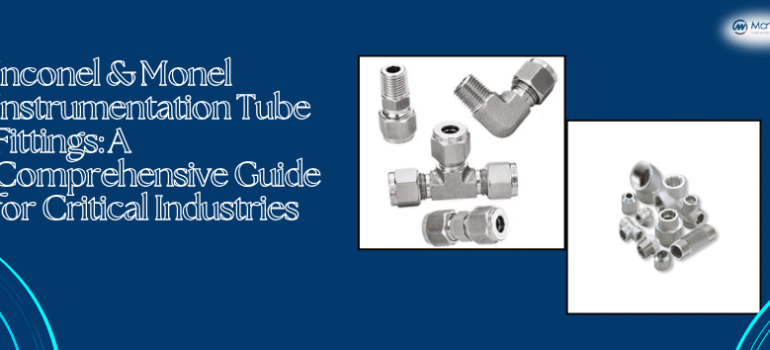
Instrumentation Tube Fittings are precision-engineered connectors used to join tubing systems in process control and instrumentation applications.
They create leak-tight connections capable of handling:
• High Pressure
• High Temperature
• Hydraulic Fluids
• Pneumatic Systems
• Process Chemicals
• Industrial Gases
Unlike ordinary pipe fittings, instrumentation tube fittings are designed for precision, vibration resistance, and long-term reliability.
Why Choosing the Right Tube Fitting Matters
Industrial systems operate continuously under demanding conditions.
Using the wrong tube fitting may result in:
• Fluid leakage
• Pressure loss
• Equipment failure
• Frequent maintenance
• Safety risks
• Increased operating costs
Properly selected tube fittings provide:
• Leak-free performance
• Reliable sealing
• Longer service life
• Improved plant safety
• Reduced downtime
• Better process efficiency
Step 1 – Understand Your Operating Conditions
Before selecting any fitting, evaluate your process requirements.
Important factors include:
Operating Pressure
Determine the maximum working pressure of the system.
High-pressure applications require precision-engineered compression fittings capable of maintaining seal integrity.
Operating Temperature
Temperature directly affects material performance.
Applications involving:
• Steam
• Heat Transfer
• Petrochemicals
• Furnaces
often require specialty alloy fittings.
Fluid Type
The transported media determines the material selection.
Examples include:
• Water
• Steam
• Hydraulic Oil
• Natural Gas
• Hydrogen
• Acids
• Solvents
• LNG
Environmental Conditions
Consider exposure to:
• Moisture
• Saltwater
• Corrosive chemicals
• Offshore atmosphere
• UV exposure
• Dust
These conditions influence the choice of corrosion-resistant materials.
Step 2 – Select the Correct Tube Fitting Material
Material selection is one of the most important decisions.
Stainless Steel Tube Fittings
Ideal for:
• General Process Industries
• Pharmaceutical Plants
• Food Processing
• Chemical Plants
• Water Treatment
Popular Grades:
• Stainless Steel 304 Tube Fittings
• Stainless Steel 304L Tube Fittings
• Stainless Steel 316 Tube Fittings
• Stainless Steel 316L Tube Fittings
• Stainless Steel 321 Tube Fittings
• Stainless Steel 347 Tube Fittings
Advantages:
• Excellent corrosion resistance
• High strength
• Long service life
Duplex & Super Duplex Tube Fittings
Suitable for:
• Offshore Platforms
• Marine Industries
• Desalination Plants
Advantages:
• Higher mechanical strength
• Excellent chloride resistance
• Outstanding corrosion protection
Inconel Tube Fittings
Recommended for:
• High Temperature Plants
• LNG Facilities
• Aerospace
• Power Generation
Available Grades:
• Inconel 600 Tube Fittings
• Inconel 625 Tube Fittings
• Inconel 718 Tube Fittings
• Inconel 725 Tube Fittings
• Inconel 800 Tube Fittings
• Inconel 800H Tube Fittings
Benefits:
• Excellent heat resistance
• Superior oxidation resistance
• High-pressure capability
Hastelloy Tube Fittings
Ideal for:
• Acid Processing
• Chemical Plants
• Fertilizer Industries
Available Grades:
• Hastelloy C276 Tube Fittings
• Hastelloy C22 Tube Fittings
• Hastelloy B2 Tube Fittings
• Hastelloy B3 Tube Fittings
• Hastelloy X Tube Fittings
Advantages:
• Outstanding chemical resistance
• Excellent corrosion protection
• Long operational life
Monel Tube Fittings
Best suited for:
• Marine Applications
• Offshore Systems
• Seawater Pipelines
Popular Grades:
• Monel 400 Tube Fittings
• Monel K500 Tube Fittings
Incoloy Tube Fittings
Recommended for:
• Petrochemical Plants
• Heat Exchangers
• Boilers
• Chemical Industries
Available Grades:
• Incoloy 800 Tube Fittings
• Incoloy 800H Tube Fittings
• Incoloy 825 Tube Fittings
Titanium Tube Fittings
Ideal for:
• Aerospace
• Marine Engineering
• Offshore Installations
• Chemical Processing
Grades Available:
• Titanium Grade 1 Tube Fittings
• Titanium Grade 2 Tube Fittings
• Titanium Grade 3 Tube Fittings
• Titanium Grade 4 Tube Fittings
Step 3 – Choose the Right Tube Fitting Configuration
Different applications require different fitting types.
Mcneil Instruments manufactures:
Tube Union Fittings
Connect two tubes together securely.
Male Connector Fittings
Join tubing to threaded equipment.
Female Connector Fittings
Connect tubing to female threaded components.
Tube Elbows
Available in:
• 45°
• 90°
• Male Elbows
• Female Elbows
Tube Tees
Create branch connections.
Cross Tube Fittings
Distribute flow in four directions.
Reducer Tube Fittings
Connect different tubing sizes.
Bulkhead Tube Fittings
Ideal for panel-mounted installations.
Double Ferrule Tube Fittings
Most widely used in instrumentation systems.
Advantages:
• Superior sealing
• Excellent vibration resistance
• Leak-proof performance
Single Ferrule Tube Fittings
Suitable for standard industrial applications.
Step 4 – Verify Pressure Ratings
Always ensure that:
• Tube size
• Wall thickness
• Material grade
• Pressure rating
match the system requirements.
Selecting an underrated fitting can compromise both performance and safety.
Step 5 – Consider Installation Conditions
Ask yourself:
• Is vibration present?
• Will the system undergo thermal expansion?
• Is frequent maintenance expected?
• Will fittings require repeated assembly?
These factors influence fitting design and sealing requirements.
Step 6 – Check Compliance with International Standards
Reliable instrumentation fittings should comply with internationally recognized standards.
Common standards include:
• ASTM
• ASME
• ISO
• DIN
• MSS
Choosing certified products ensures compatibility, traceability, and dependable performance.
Industries Using Instrumentation Tube Fittings
Mcneil Instruments supplies tube fittings to industries including:
Oil & Gas
• Refineries
• Offshore Platforms
• Pipeline Systems
Petrochemical
• Chemical Plants
• Reactor Systems
• Process Equipment
Power Generation
• Steam Systems
• Boilers
• Turbines
Pharmaceutical
• Clean Process Systems
• Sterile Manufacturing
Food & Beverage
• Hygienic Fluid Systems
Marine Industry
• Shipbuilding
• Offshore Installations
LNG Industry
• Cryogenic Systems
• Gas Processing
Aerospace
• Precision Fluid Systems
• Hydraulic Equipment
Why Choose Mcneil Instruments?
Mcneil Instruments is recognized as a trusted manufacturer, supplier, exporter, and stockist of premium Instrumentation Tube Fittings.
Customers benefit from:
• Wide range of material grades
• Precision engineering
• Leak-proof designs
• International quality standards
• High-pressure performance
• Custom manufacturing
• Fast global delivery
• Technical support
Our fittings are manufactured for reliability, durability, and long-term performance across demanding industrial environments.
Quality Assurance
Every tube fitting undergoes rigorous testing including:
• Hydrostatic Testing
• Pneumatic Testing
• PMI Testing
• Dimensional Inspection
• Hardness Testing
• Material Traceability
• Leak Testing
• Visual Inspection
These inspections ensure every product meets international quality standards.
Conclusion
Choosing the correct instrumentation tube fitting is not simply about selecting a connector—it is about ensuring the safety, efficiency, and reliability of an entire industrial process.
By evaluating operating conditions, selecting the right material grade, choosing the correct fitting configuration, and verifying pressure ratings and quality standards, industries can significantly improve system performance while reducing maintenance costs.
Whether your project requires Stainless Steel Tube Fittings, Inconel Tube Fittings, Hastelloy Tube Fittings, Monel Tube Fittings, Incoloy Tube Fittings, Duplex Tube Fittings, Super Duplex Tube Fittings, Titanium Tube Fittings, Double Ferrule Tube Fittings, or Compression Tube Fittings, Mcneil Instruments provides precision-engineered solutions trusted by industries worldwide.