How to Select the Right ASTM A234 WP11 Pipe Fittings
Introduction
Selecting the right pipe fittings is essential for maintaining the safety, efficiency, and reliability of industrial piping systems. In industries such as oil and gas, power generation, petrochemicals, and refineries, piping components must withstand demanding operating temperatures, pressure conditions, and mechanical stresses. ASTM A234 WP11 pipe fittings are commonly used in applications requiring chromium-molybdenum alloy steel components for elevated-temperature service.
However, choosing the correct WP11 pipe fitting involves more than identifying the material grade. Buyers must consider fitting dimensions, wall thickness, manufacturing standards, operating conditions, and project-specific requirements. Understanding these factors helps engineers and procurement teams select suitable components for their applications.
Mcneil Instruments supports industrial customers looking for piping products and alloy steel solutions. This guide explains the key considerations for selecting ASTM A234 WP11 pipe fittings for industrial projects.
What Are ASTM A234 WP11 Pipe Fittings?
ASTM A234 WP11 pipe fittings are wrought chromium-molybdenum alloy steel fittings intended for use in moderate- and high-temperature pressure piping systems, subject to the applicable specification and design requirements.
ASTM A234 covers wrought carbon steel and alloy steel piping fittings for moderate- and high-temperature service. The WP11 grade is a chromium-molybdenum alloy steel grade valued for its strength and performance in selected elevated-temperature applications.
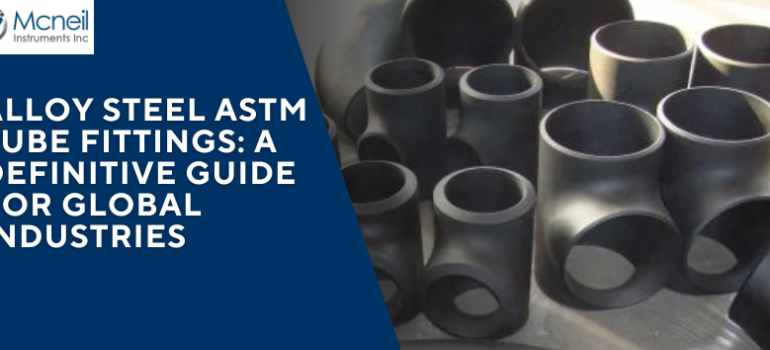
These fittings are used to connect pipes, change flow direction, create branch connections, and modify pipeline diameters. Common configurations include elbows, tees, reducers, and caps.
The correct fitting must meet the applicable material specification, dimensional requirements, and engineering design code for the intended service.
Key Features of ASTM A234 WP11 Pipe Fittings
- Chromium-Molybdenum Alloy Composition
WP11 contains chromium and molybdenum as key alloying elements. These elements contribute to elevated-temperature strength and resistance to oxidation under appropriate operating conditions. - Suitability for Elevated-Temperature Service
WP11 fittings are designed for applications covered by ASTM A234 where alloy steel is required for moderate- or high-temperature pressure piping. Their suitability depends on the design temperature, pressure, and relevant engineering code. - Strength and Durability
When manufactured, heat-treated, inspected, and installed according to the applicable requirements, WP11 fittings can provide the material properties needed for demanding industrial piping systems. - Multiple Fitting Configurations
WP11 fittings are available in various configurations depending on the supplier’s product range and project requirements. These may include elbows, tees, reducers, and caps. - Industrial Applications
WP11 fittings are considered for selected power generation, refinery, petrochemical, and industrial process piping applications where chromium-molybdenum alloy steel is specified.
Types of ASTM A234 WP11 Pipe Fittings
Understanding the available fitting configurations helps ensure that the selected component meets the piping system’s functional and dimensional requirements.
WP11 Elbows: Used to change the direction of flow within a pipeline. Common configurations include 45-degree and 90-degree elbows, subject to availability and project specifications.
WP11 Tees: Used to create branch connections from a main pipeline. Equal and reducing tees may be selected according to the required branch size.
WP11 Reducers: Used to connect pipes of different diameters. Concentric and eccentric designs are selected according to piping layout and process requirements.
WP11 Caps: Used to close the end of a pipe or terminate a piping connection where the design requires a cap.
The fitting type, dimensions, wall thickness, and end preparation must be compatible with the adjoining pipes and the applicable piping design.
How to Select the Right ASTM A234 WP11 Pipe Fittings
- Understand Your Operating Conditions
Start by identifying the operating temperature, design pressure, process medium, and expected service life of the piping system. WP11 should be selected only when its material properties are suitable for the actual operating environment and the applicable design code. - Verify the Material Specification
Confirm that the fittings are specified to ASTM A234 WP11 and meet the applicable requirements. Review the purchase specification to establish the required material condition, heat treatment, testing, and documentation.
Do not assume that all chromium-molybdenum fittings are interchangeable. Different grades can have different chemical compositions and mechanical properties.
- Select the Correct Dimensions
Determine the nominal pipe size, outside diameter, wall thickness or schedule, fitting dimensions, and end preparation. The fitting must match the connected piping components and the dimensional standard specified for the project.
Incorrect dimensions can create installation difficulties, alignment problems, and potential performance issues. - Check Pressure and Temperature Requirements
Pressure and temperature ratings depend on the complete piping design, material properties, wall thickness, and applicable code. Confirm that the selected fitting is suitable for the specified operating and design conditions.
A material grade alone does not establish the allowable pressure of a piping component.
- Consider Heat Treatment Requirements
Chromium-molybdenum alloy steel fittings may require specific heat treatment according to the applicable material specification, grade, manufacturing method, and purchase requirements.
Review the required heat-treatment condition and supporting records to ensure the product meets the project’s technical requirements.
- Evaluate Welding and Fabrication Requirements
WP11 fittings used in welded piping systems require suitable welding procedures and qualified personnel. Preheating, post-weld heat treatment, and other fabrication controls may be required depending on the applicable code, material thickness, and service conditions.
Confirm the project’s welding and fabrication requirements before ordering.
- Request Material Test Certificates
Material documentation helps establish that the supplied fittings meet the required specification. Depending on the purchase requirements, documentation may include chemical composition, mechanical test results, heat-treatment records, inspection reports, and material traceability.
Ensure the certificates correspond to the supplied products and required material grade.
- Choose a Reliable Supplier
Select a supplier that understands industrial piping specifications and can provide accurate product information, traceability, and documentation.
Before placing an order, confirm product availability, dimensions, applicable standards, inspection requirements, delivery schedule, and commercial terms.
ASTM A234 WP11 vs. WP22 Pipe Fittings
ASTM A234 WP11 and WP22 are chromium-molybdenum alloy steel fitting grades used in selected elevated-temperature piping applications. However, they differ in alloy composition and material properties.
WP11: Typically contains approximately 1.0–1.5% chromium and 0.44–0.65% molybdenum, depending on the applicable specification limits.
WP22: Typically contains approximately 2.0–2.5% chromium and 0.87–1.13% molybdenum, depending on the applicable specification limits.
WP22 has higher chromium and molybdenum content than WP11. However, this does not mean that WP22 is automatically the better choice for every project. The selection should be based on design calculations, operating conditions, material specifications, and engineering requirements.
Always verify the applicable specification and grade requirements before choosing a replacement material.
Common Mistakes to Avoid When Selecting WP11 Fittings
Several mistakes can create procurement delays or technical problems in industrial piping projects.
Ignoring the Operating Environment: Selecting a fitting without reviewing the operating temperature, pressure, and process medium can result in an unsuitable material choice.
Overlooking Dimensions: Incorrect pipe sizes, wall thicknesses, or fitting configurations can lead to installation and alignment issues.
Assuming Grades Are Interchangeable: WP11, WP22, and other alloy steel grades have different compositions and properties. Substitutions should be approved by the responsible engineering authority.
Neglecting Material Documentation: Missing or inconsistent material test certificates can complicate quality verification and project acceptance.
Ignoring Welding Requirements: Inadequate welding procedures or heat-treatment controls can affect the performance of alloy steel piping systems.
Avoiding these mistakes helps improve procurement accuracy and supports compliance with project requirements.
Why Choose Mcneil Instruments for ASTM A234 WP11 Pipe Fittings?
Choosing the right industrial pipe fittings requires careful attention to material specifications, dimensions, manufacturing requirements, and quality documentation.
Mcneil Instruments serves industrial customers looking for piping products and alloy steel solutions. When sourcing ASTM A234 WP11 pipe fittings, buyers should confirm the required fitting type, dimensions, material certification, heat-treatment condition, and delivery requirements.
Whether your project involves power generation, refinery operations, petrochemical processing, or industrial pressure piping, clearly defining your requirements helps identify the appropriate product for your application.
Contact Mcneil Instruments to discuss your WP11 pipe fitting requirements and request information about product availability and technical specifications.
Conclusion
Selecting the right ASTM A234 WP11 pipe fittings requires a thorough understanding of operating conditions, material specifications, dimensions, pressure and temperature requirements, heat treatment, and welding procedures.
By verifying these factors before purchasing, engineers and procurement teams can reduce specification errors and improve the reliability of industrial piping systems. Working with a dependable supplier and reviewing the appropriate material documentation are also important steps in the selection process.
Looking for ASTM A234 WP11 Pipe Fittings for Your Next Industrial Project?
Mcneil Instruments can help you explore piping solutions for your industrial requirements. Contact our team to discuss fitting types, dimensions, material specifications, certification requirements, and delivery schedules.
Website: https://www.mcneilinstruments.com/
Phone: +91 98708 83613
Email: info@mcneilinstruments.com
Get in touch with Mcneil Instruments to discuss your requirements and request a quotation.
Frequently Asked Questions (FAQs)
- What are ASTM A234 WP11 pipe fittings?
ASTM A234 WP11 pipe fittings are wrought chromium-molybdenum alloy steel fittings intended for moderate- and high-temperature pressure piping applications, subject to the applicable specification and design requirements. - What is ASTM A234 WP11 used for?
WP11 fittings are used in selected industrial piping systems, including applications in power generation, refineries, petrochemical plants, and process industries where chromium-molybdenum alloy steel is specified. - What types of WP11 pipe fittings are available?
Common configurations include elbows, tees, reducers, and caps. Availability depends on the supplier, required dimensions, and project specifications. - What is the difference between ASTM A234 WP11 and WP22?
WP11 and WP22 have different chromium and molybdenum contents. WP22 generally contains higher levels of both elements, but the correct grade depends on the operating conditions and engineering specifications. - How do I select the correct size of WP11 pipe fittings?
Determine the nominal pipe size, outside diameter, wall thickness or schedule, fitting dimensions, and end preparation. Verify that these details match the adjoining pipes and project drawings. - Are ASTM A234 WP11 fittings suitable for high-temperature applications?
They are intended for moderate- and high-temperature pressure piping service. Suitability for a particular installation depends on design temperature, pressure, material condition, and the applicable engineering code. - What documentation should I request when purchasing WP11 fittings?
Depending on the purchase specification, request material test certificates, chemical composition results, mechanical test results, heat-treatment records, inspection documentation, and material traceability information. - Do WP11 pipe fittings require special welding procedures?
Welding requirements depend on the material thickness, applicable design code, service conditions, and project specifications. Qualified welding procedures, preheating, and post-weld heat treatment may be required. - What factors affect the price of ASTM A234 WP11 pipe fittings?
Prices depend on fitting type, size, wall thickness, quantity, manufacturing requirements, inspection and certification requirements, and market conditions. - How can I enquire about ASTM A234 WP11 pipe fittings from Mcneil Instruments?
Visit the official Mcneil Instruments website to discuss your required grade, dimensions, quantity, technical documentation, and delivery schedule.